Wuzhen – My Jiangnan Dream in Spring
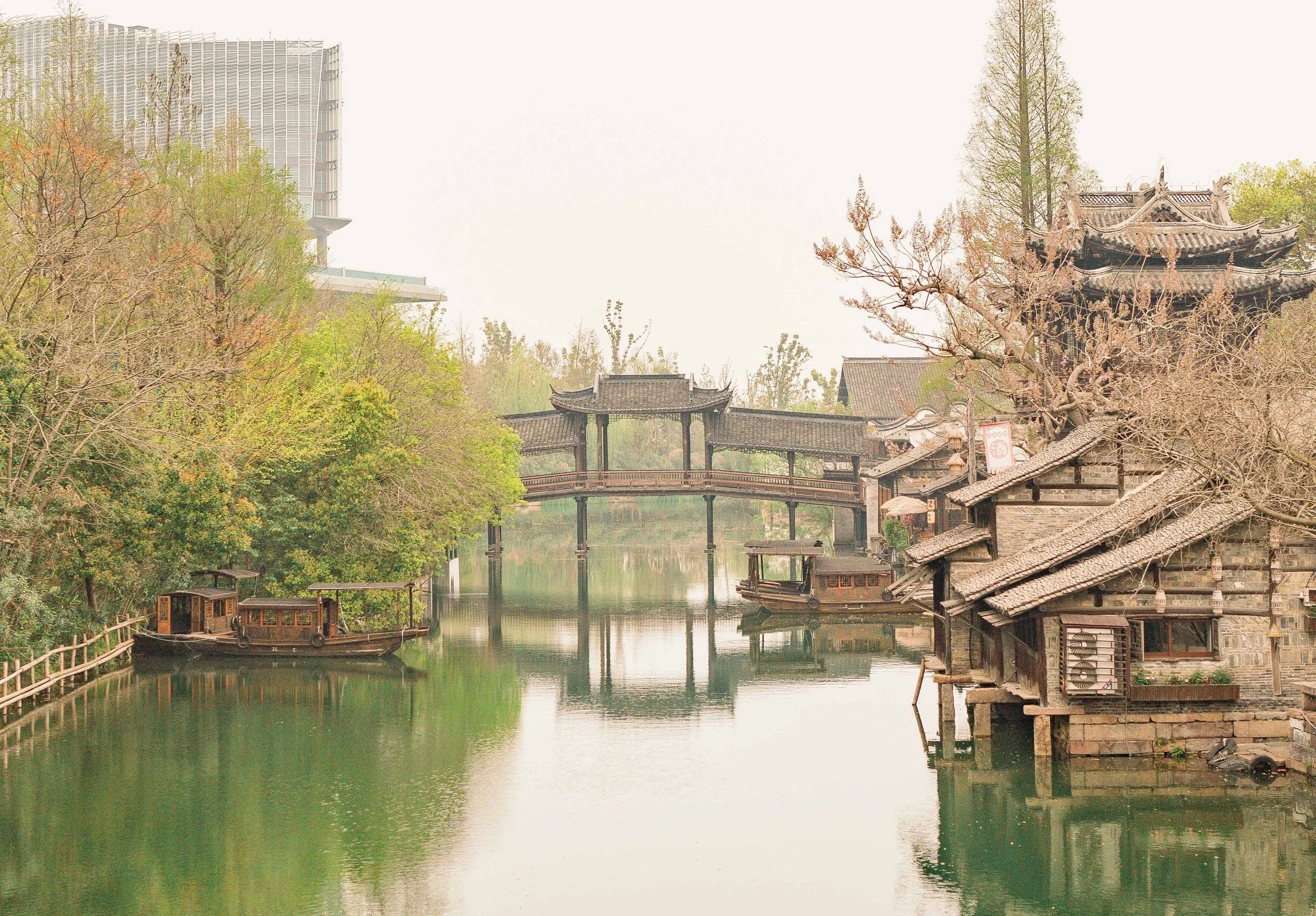
"人人盡說江南好,
遊人只合江南老,
春水碧於天,
畫船聽雨眠。"
"Everyone speaks of how beautiful Jiangnan is;
A traveler should only grow old in such a place.
The spring waters are more azure than the open sky,
Asleep in a painted boat, lulled by the sound of the rain."Bodhisattva Barbarian (Pusa Man) — Wei Zhuang
Jiangnan was never just a destination — it was a childhood made tangible. Growing up with the wuxia world of Louis Cha, I was raised on images of white walls and black tiles, heroes leaping across moonlit rooftops, bluestone paths winding beside quiet canals. When the chance to visit China finally came, there was never any question of where to go first. It had always been Jiangnan.
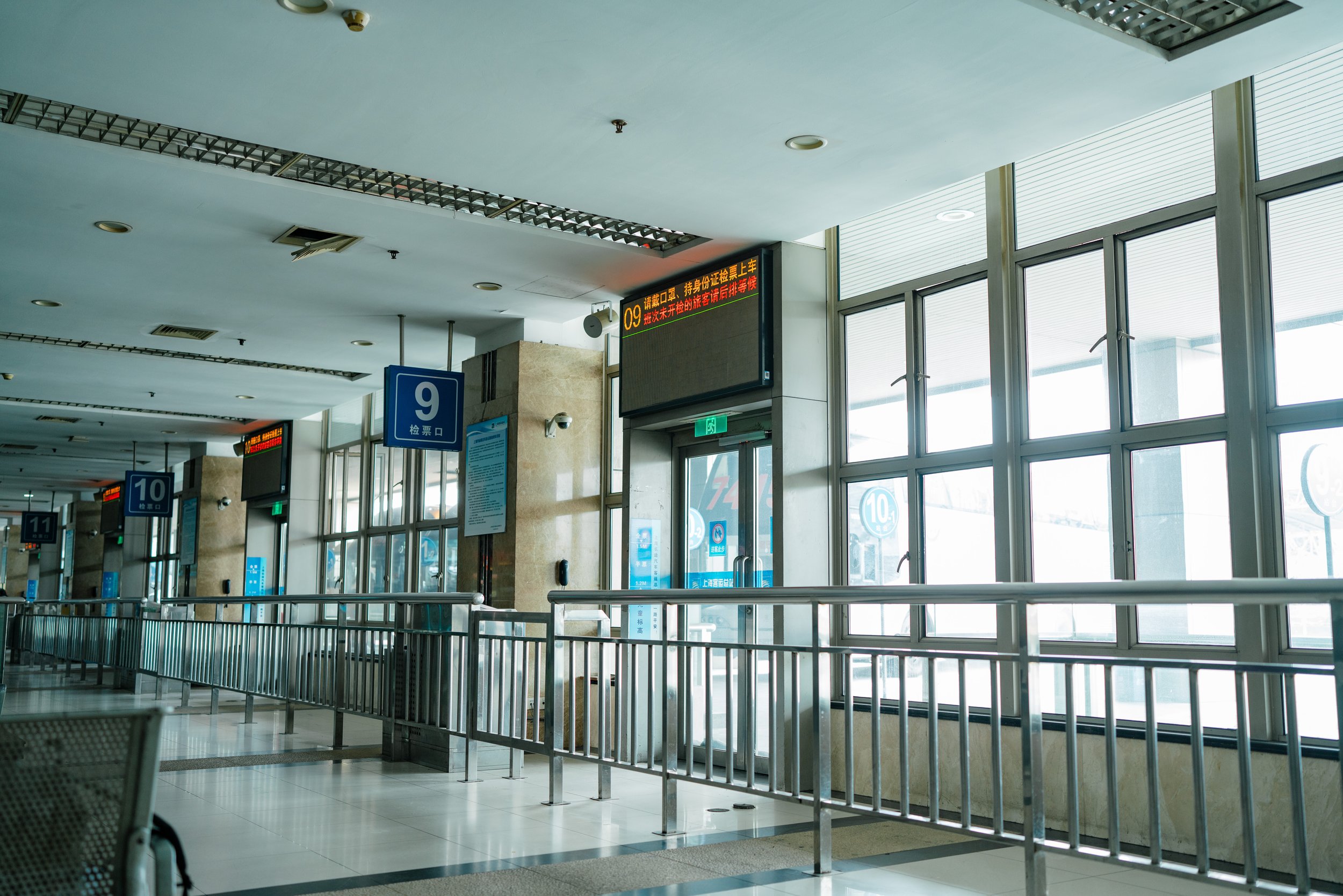
Wuzhen is situated in the north of Zhejiang province, with a settlement history spanning up to 7,000 years (dating back to the Majiabang culture). It was officially recognized as a town-level administrative unit over 1,300 years ago during the Tang Dynasty.
The town is divided by a cross-shaped canal into four distinct sectors:
Dongzha (East Scenic Zone - 东栅): Sightseeing hours end earlier than in Xizha, and it is still home to many original local residents.
Xizha (West Scenic Zone - 西栅): An extensively restored area that offers great convenience for travelers. It stays open later into the evening compared to Dongzha.
Nanzha (South Scenic Zone - 南栅) & Beizha (North Scenic Zone - 北栅): These two areas are not included in the official tourist itinerary set by the Wuzhen Management Board.
Having only one day and one night for this trip, I only had time to explore Xizha. I look forward to returning for a longer stay in the future so I can visit Dongzha as well.
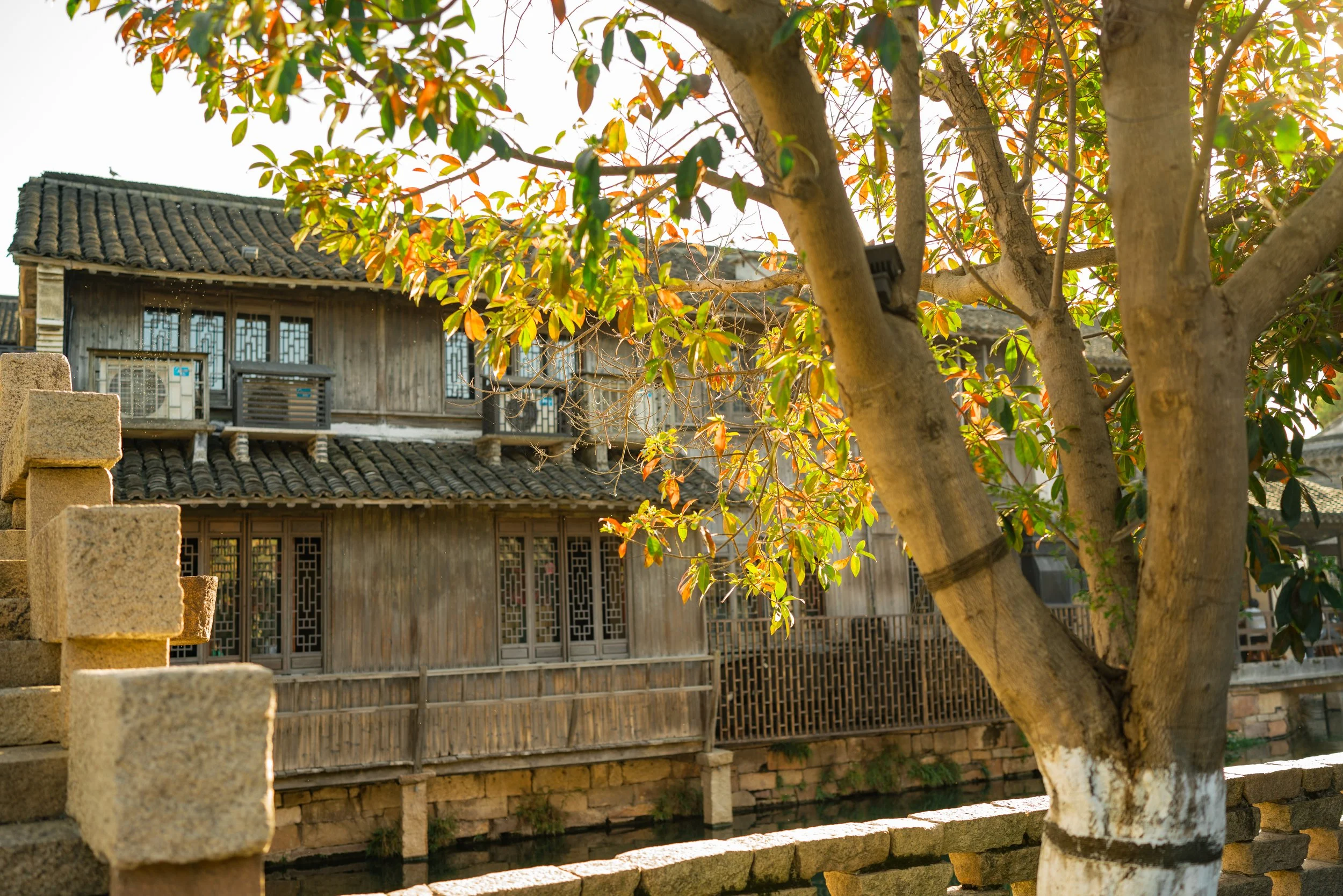
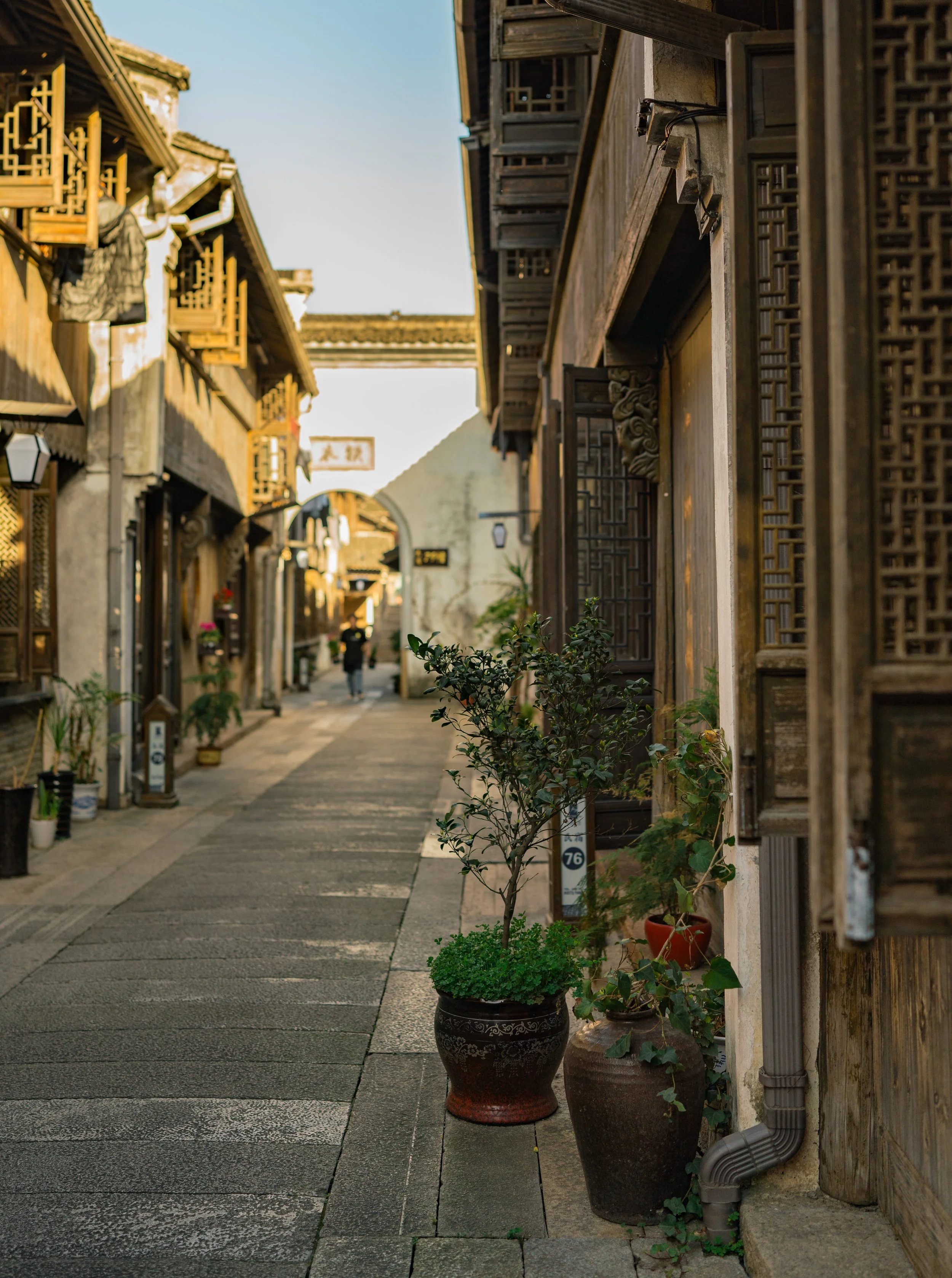
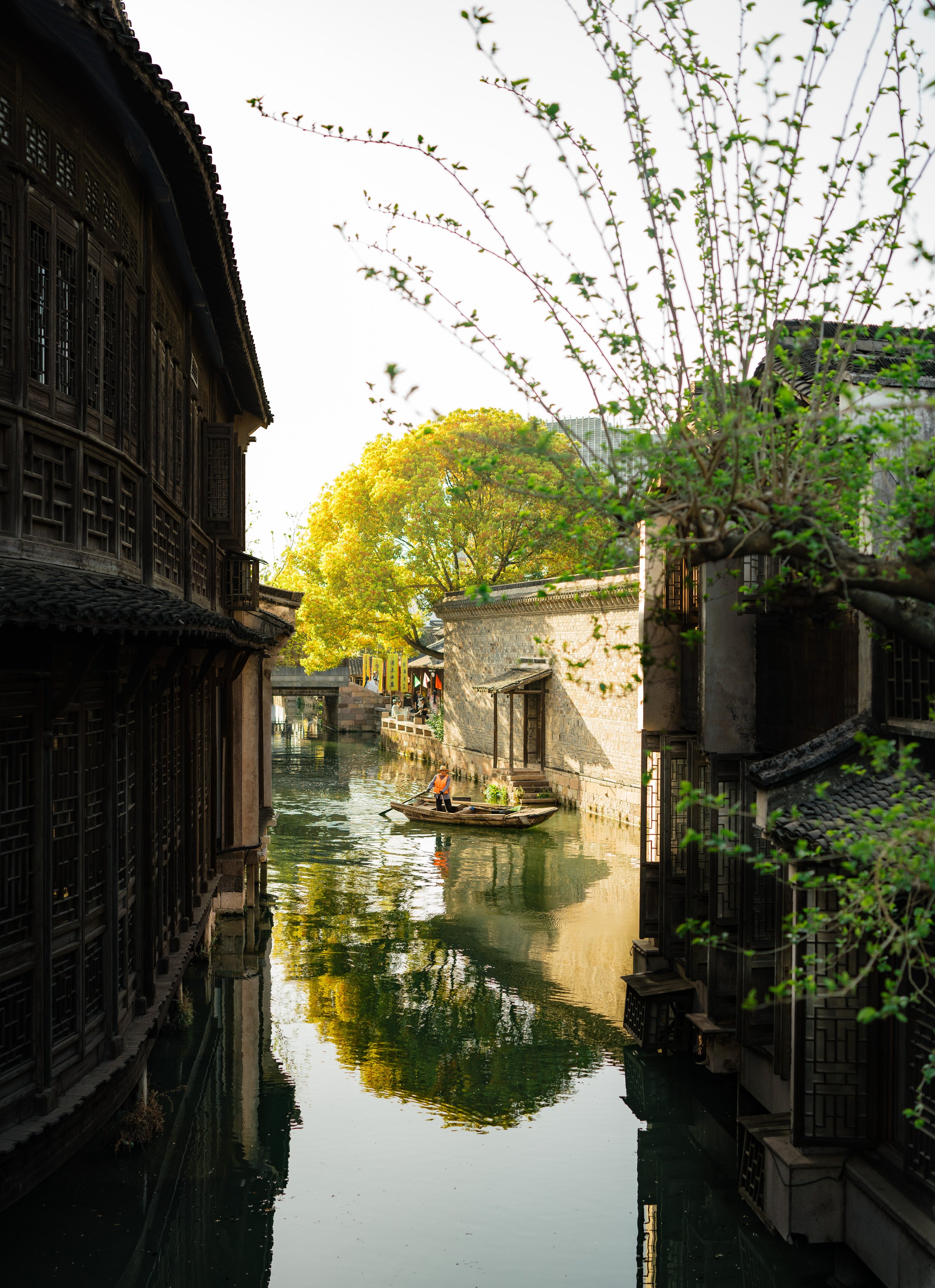
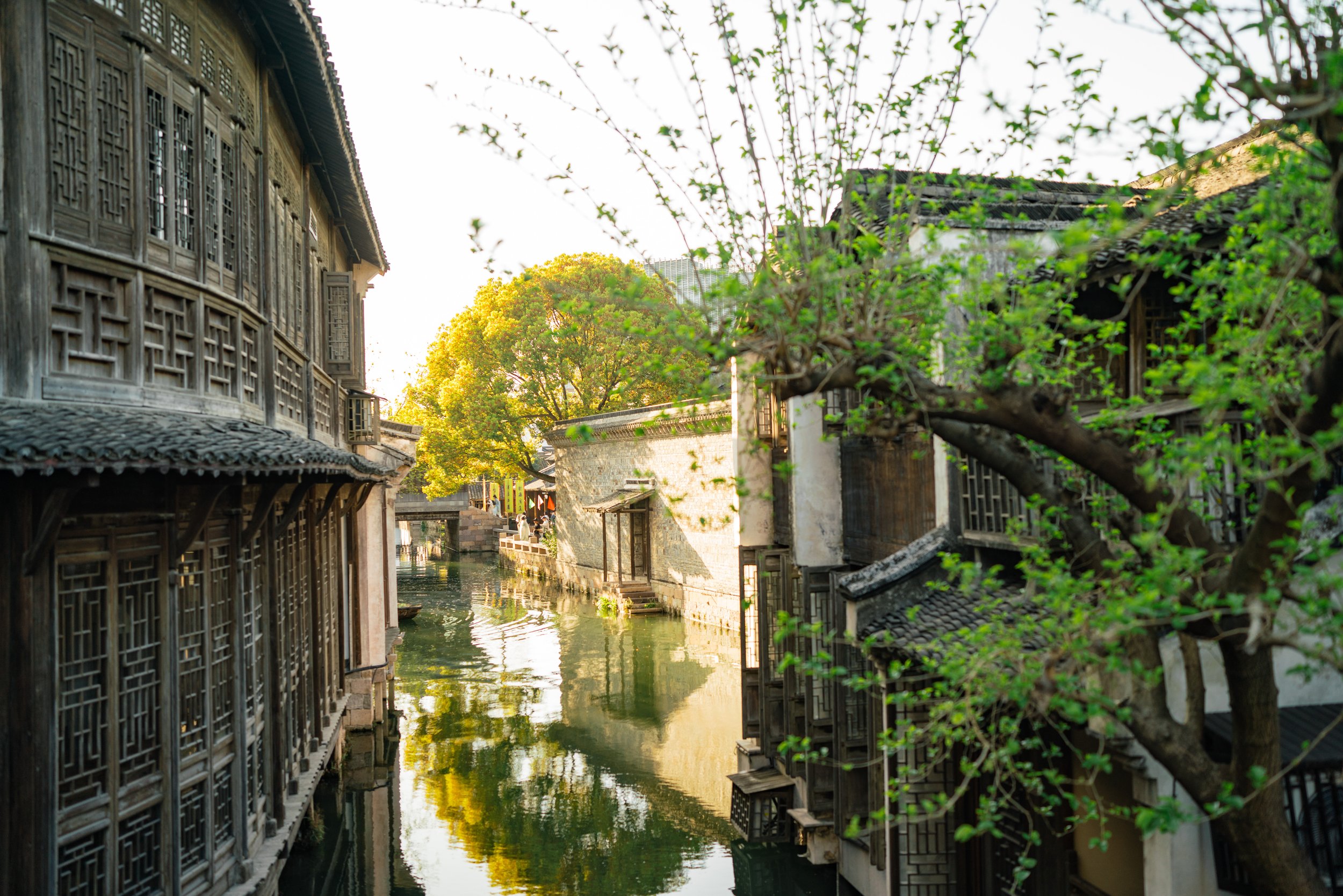
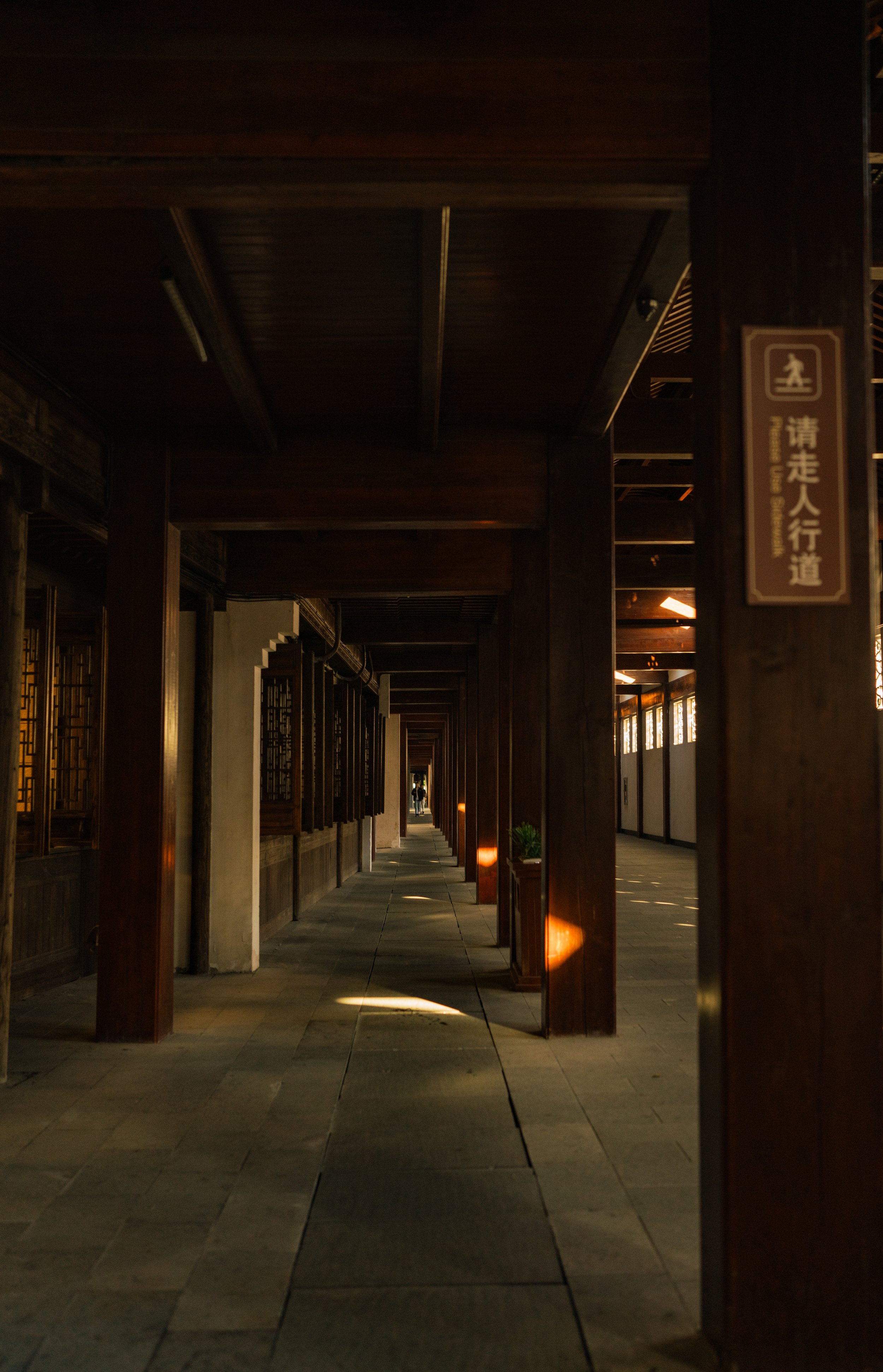
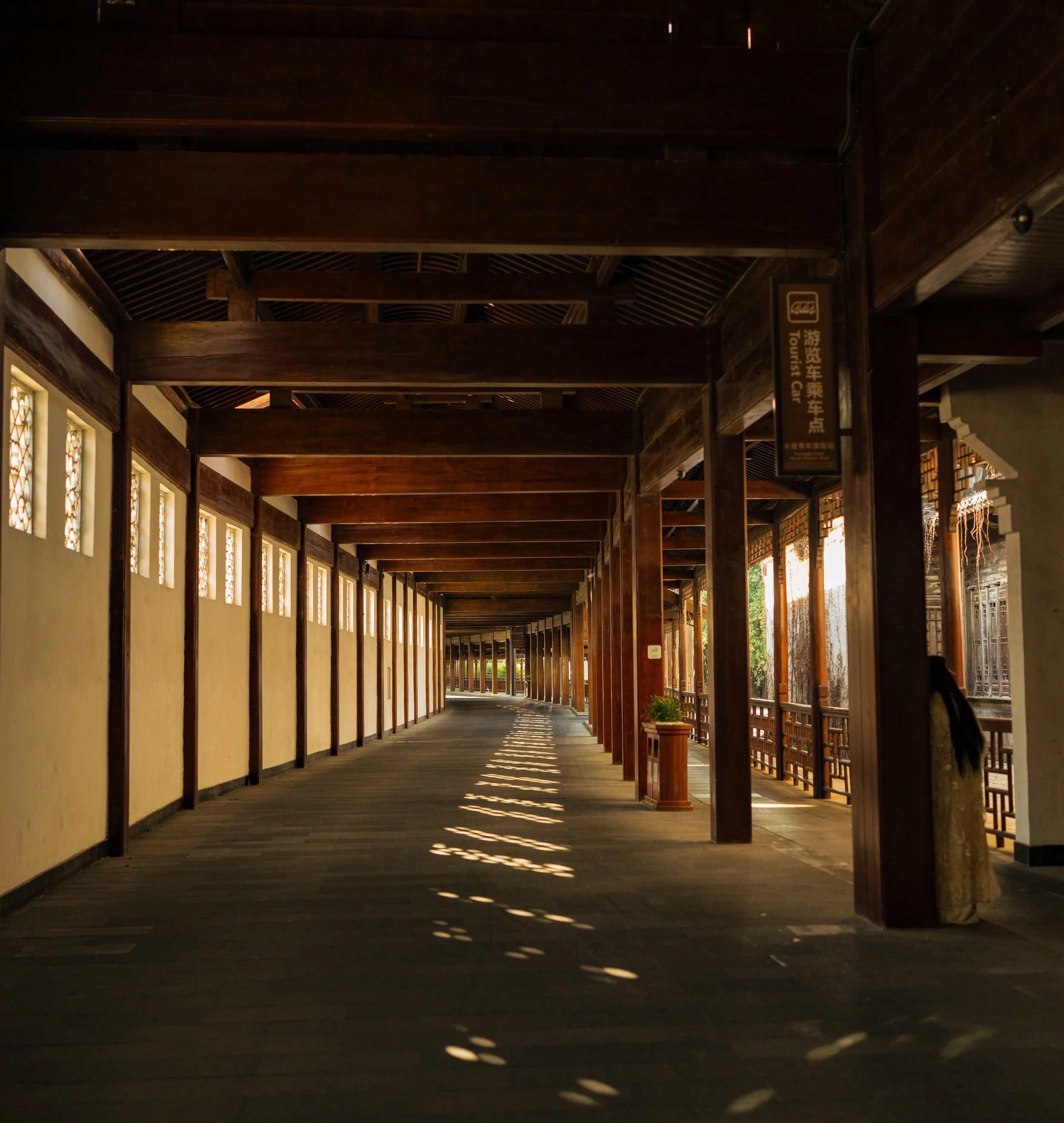
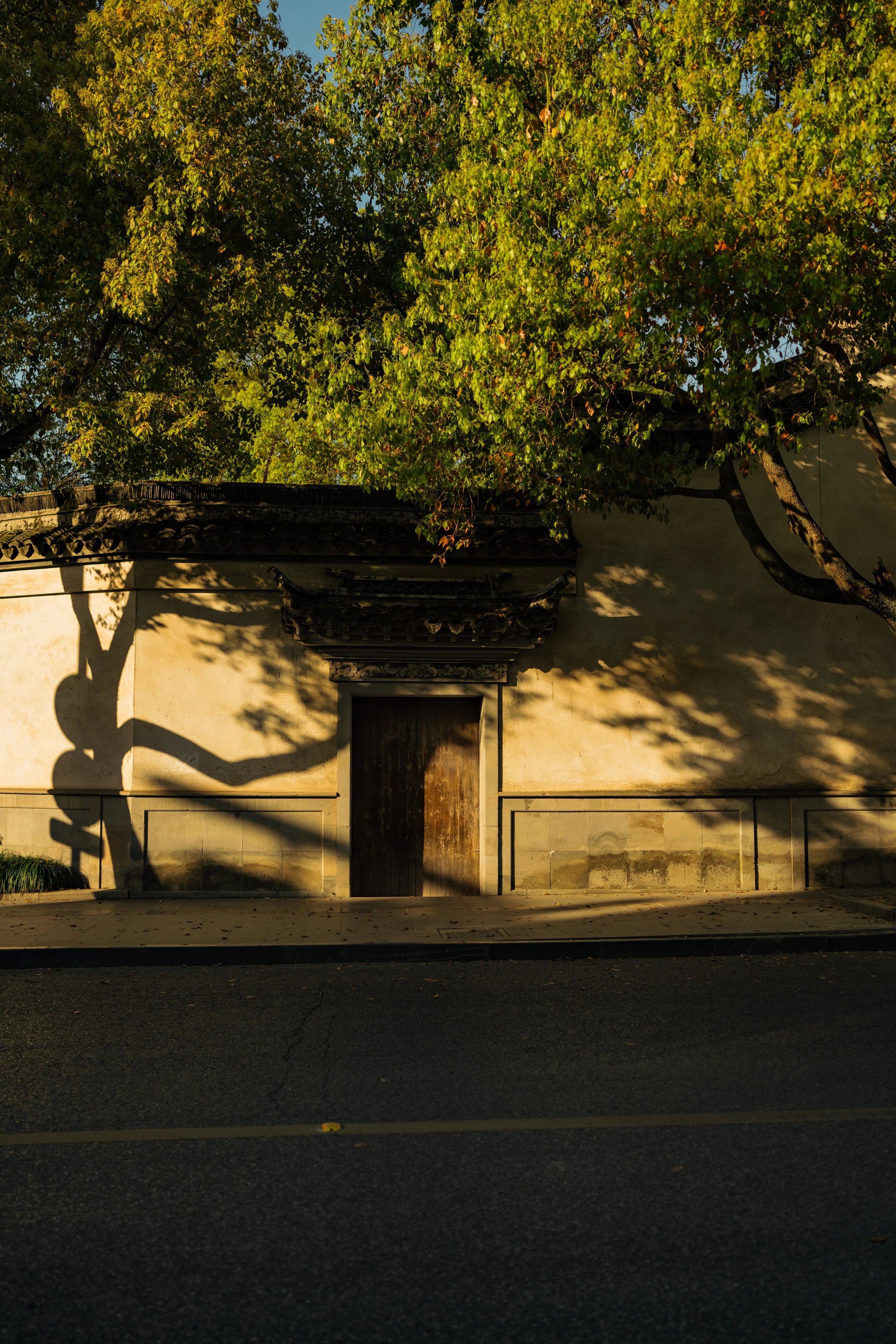
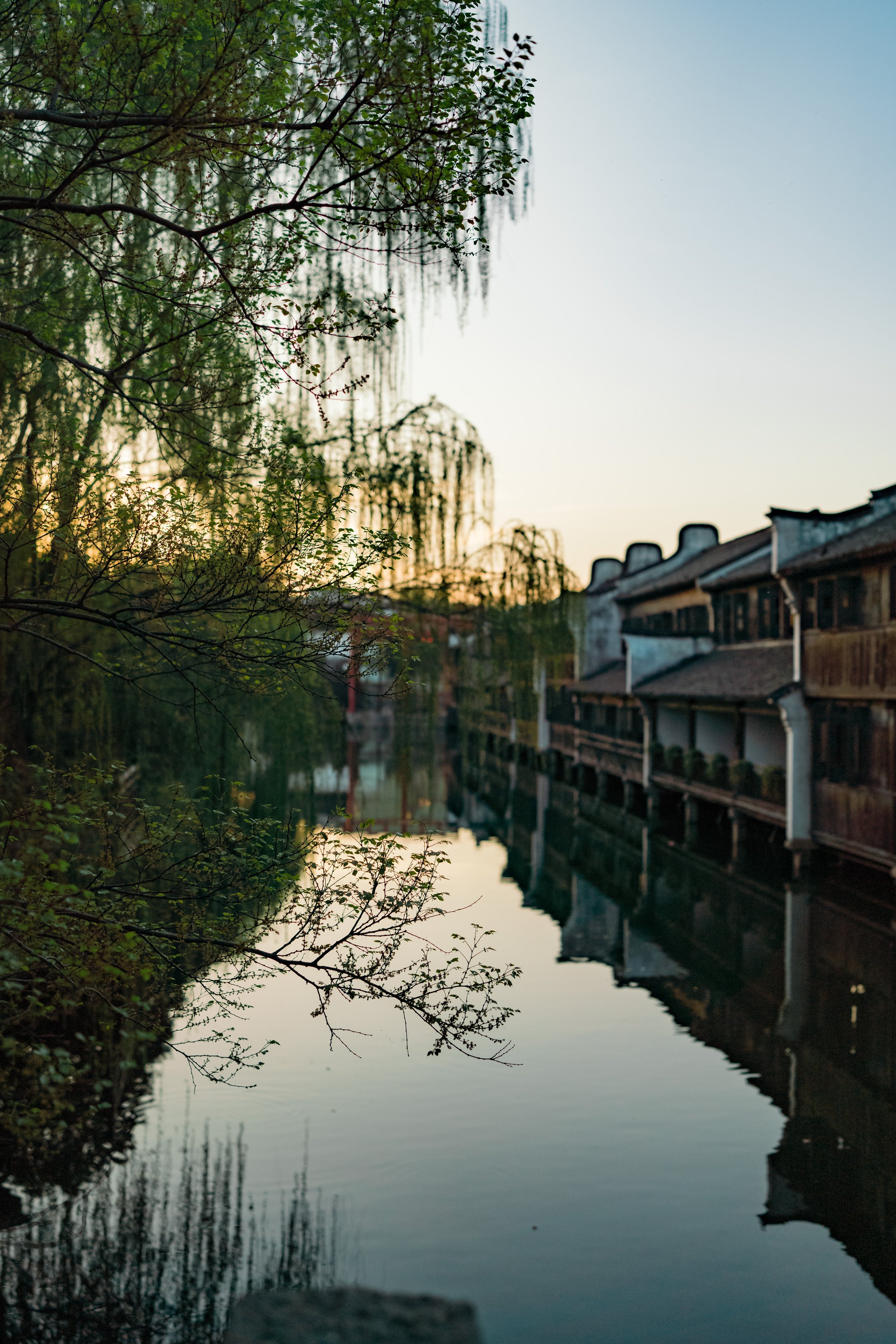
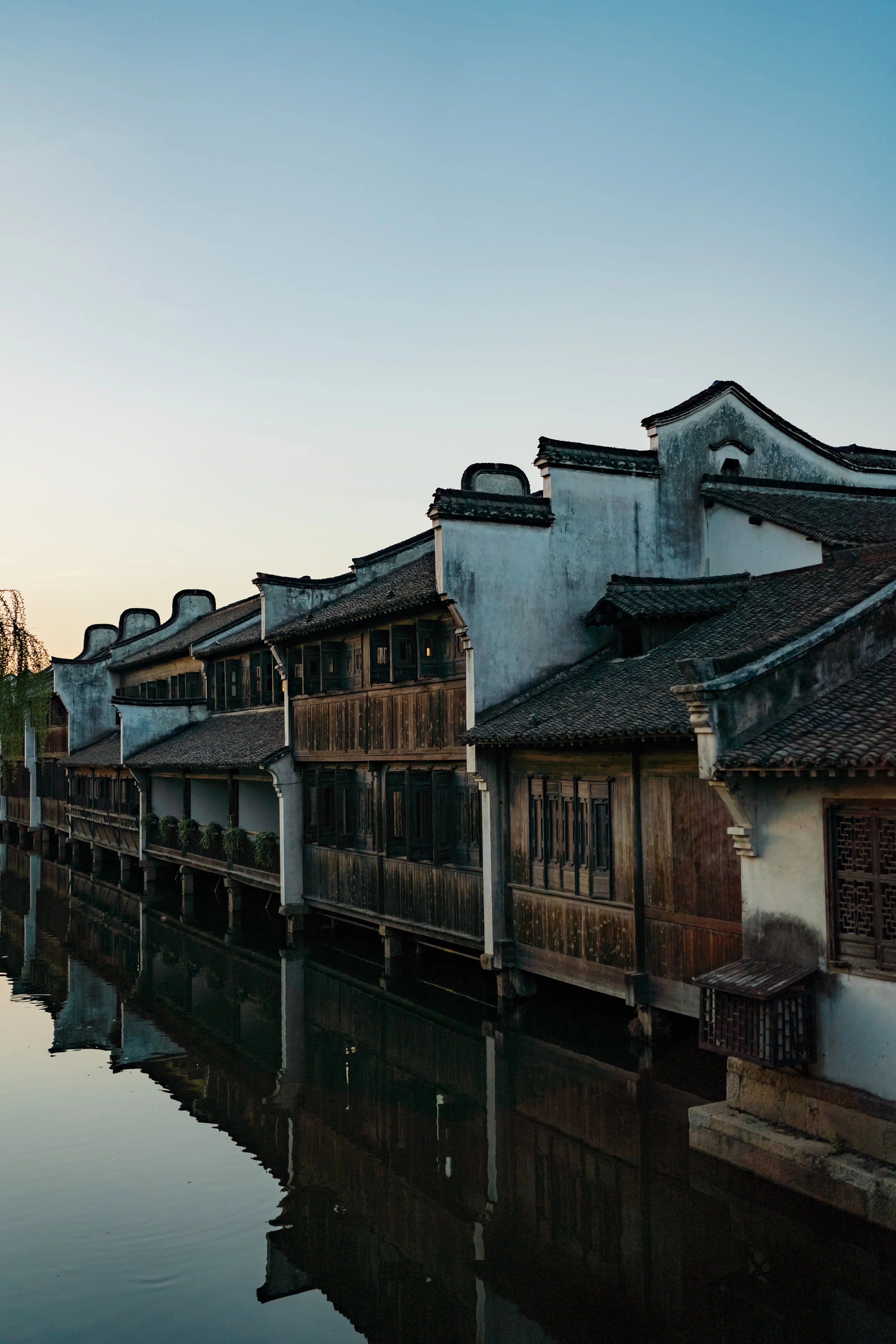
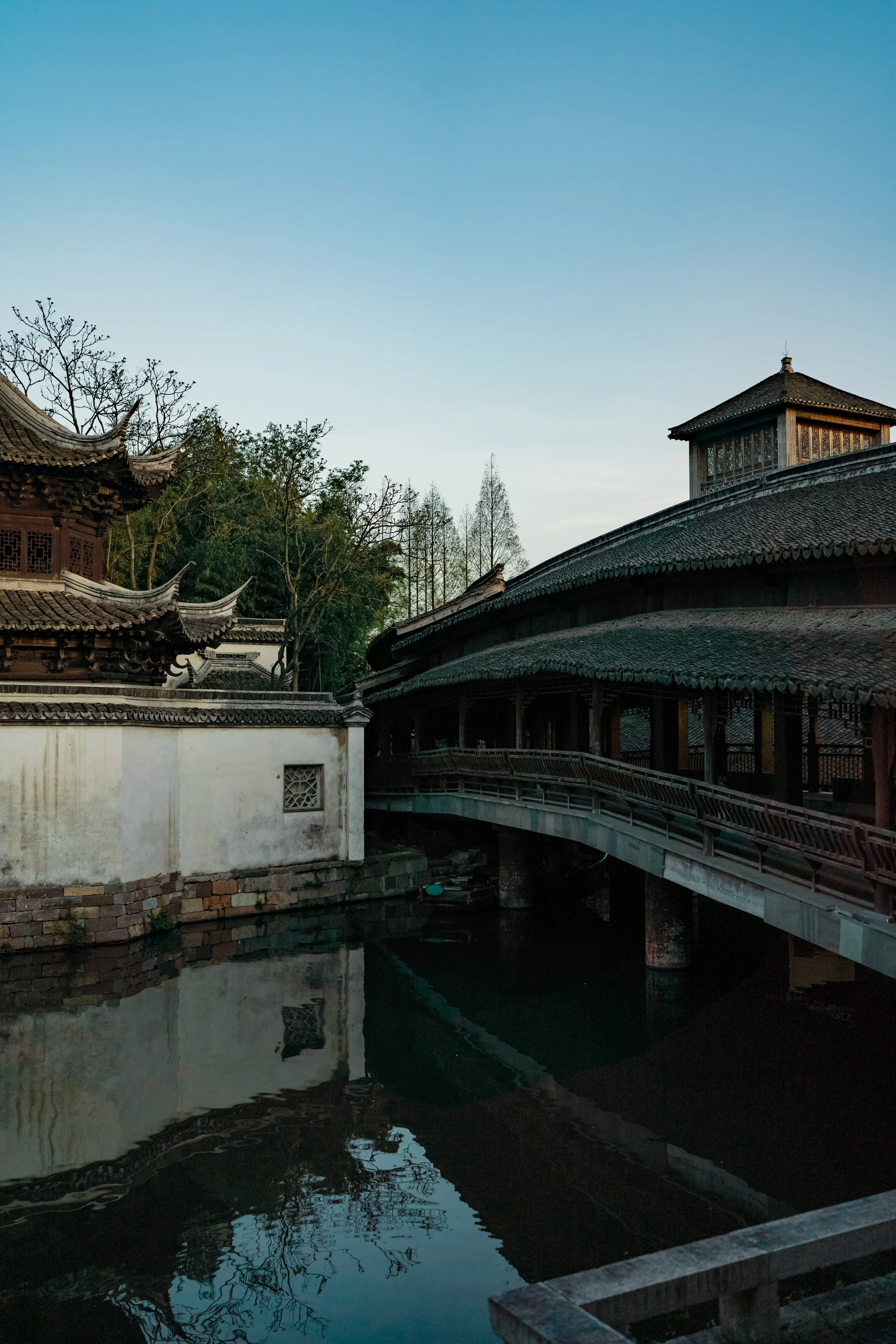
By the time we finished checking in, the afternoon was already slipping away. I hurriedly grabbed my camera and stepped outside.
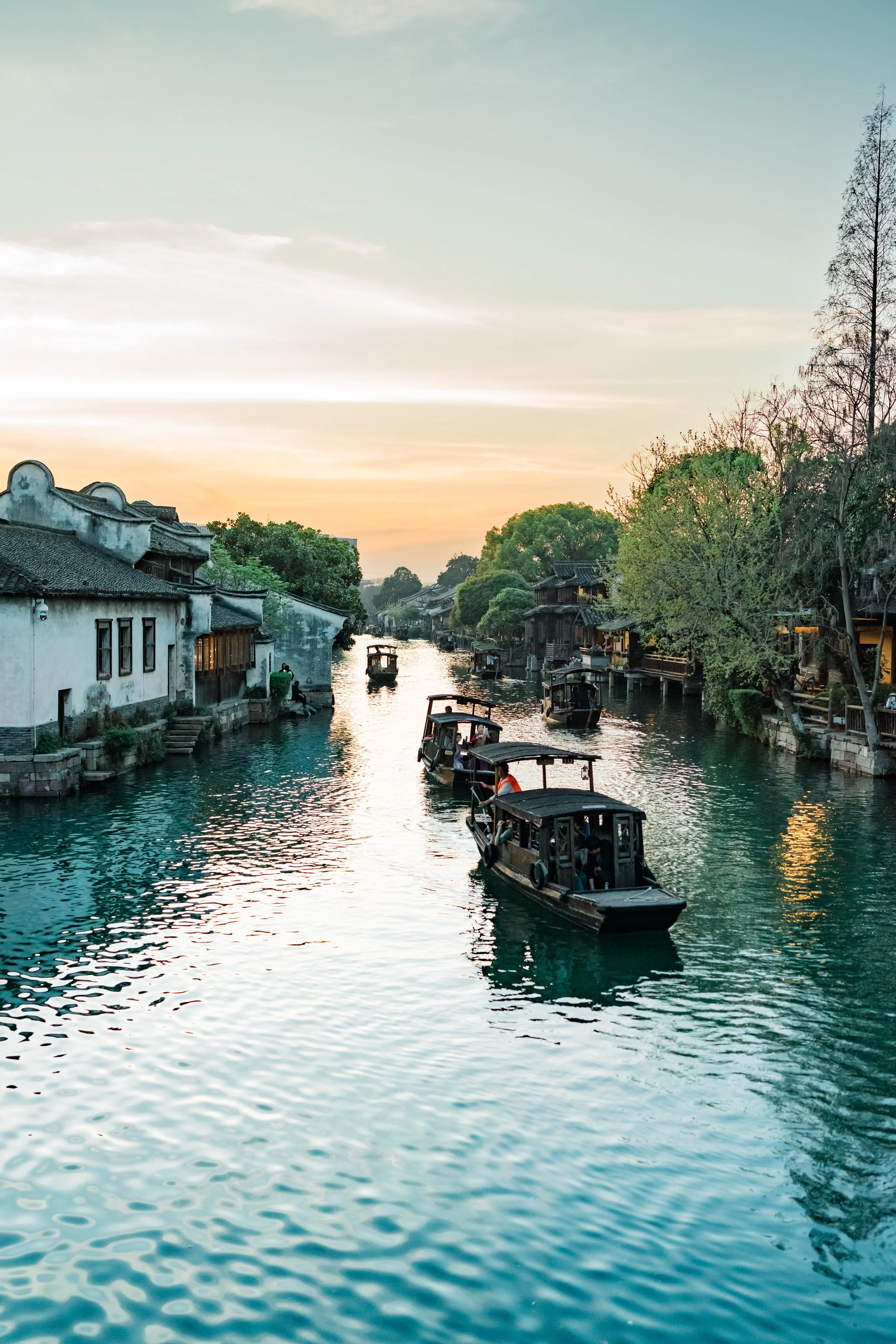
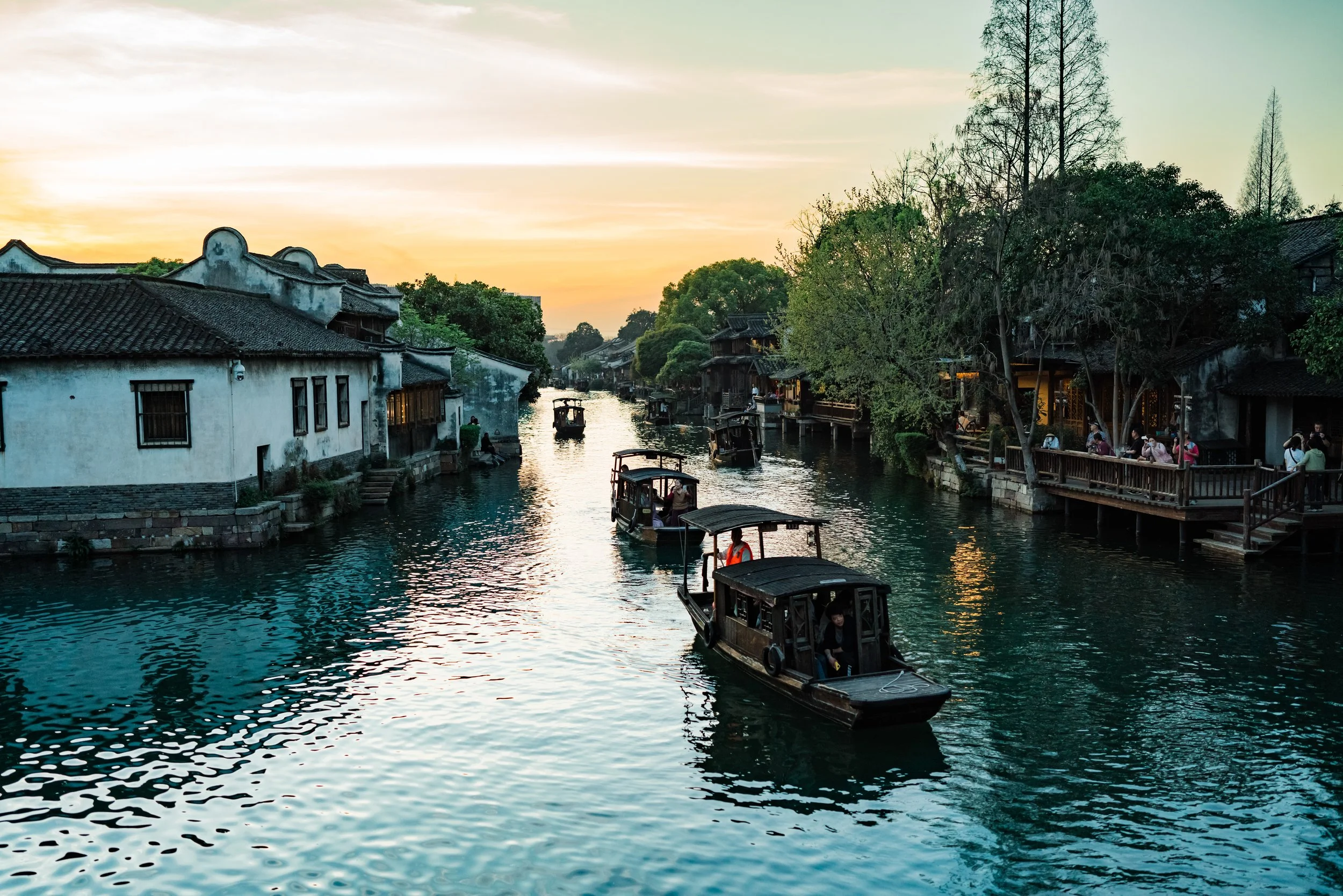
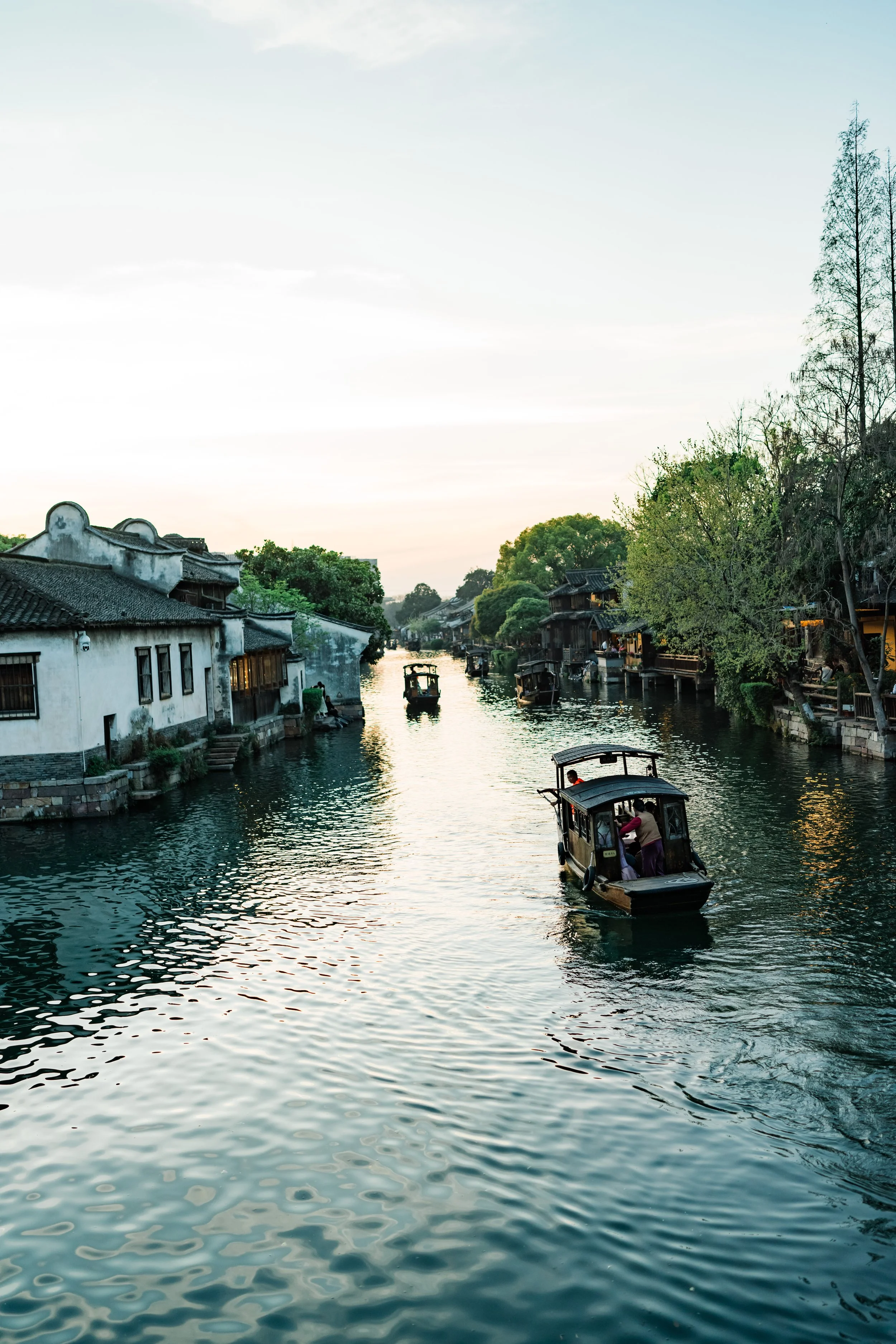
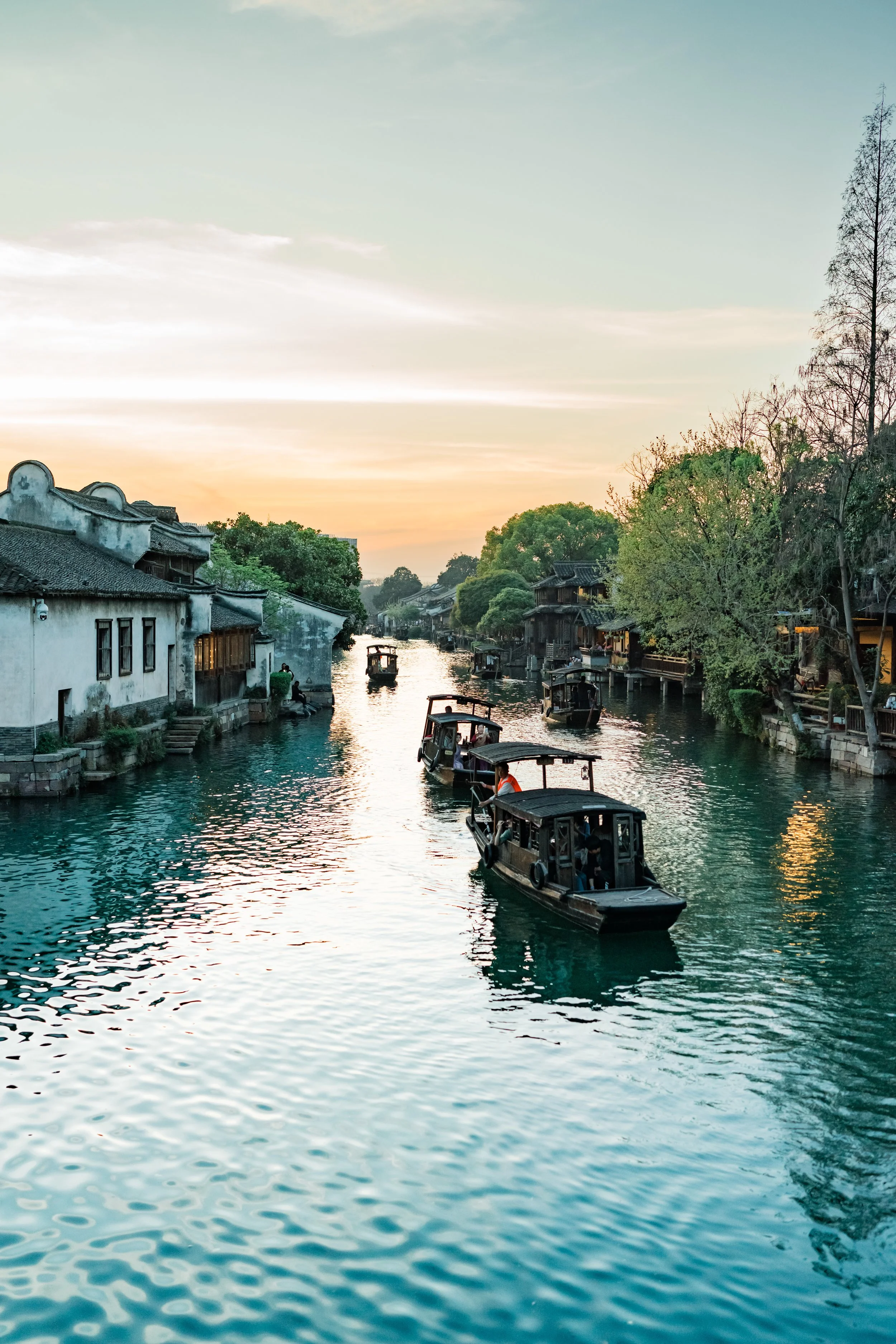
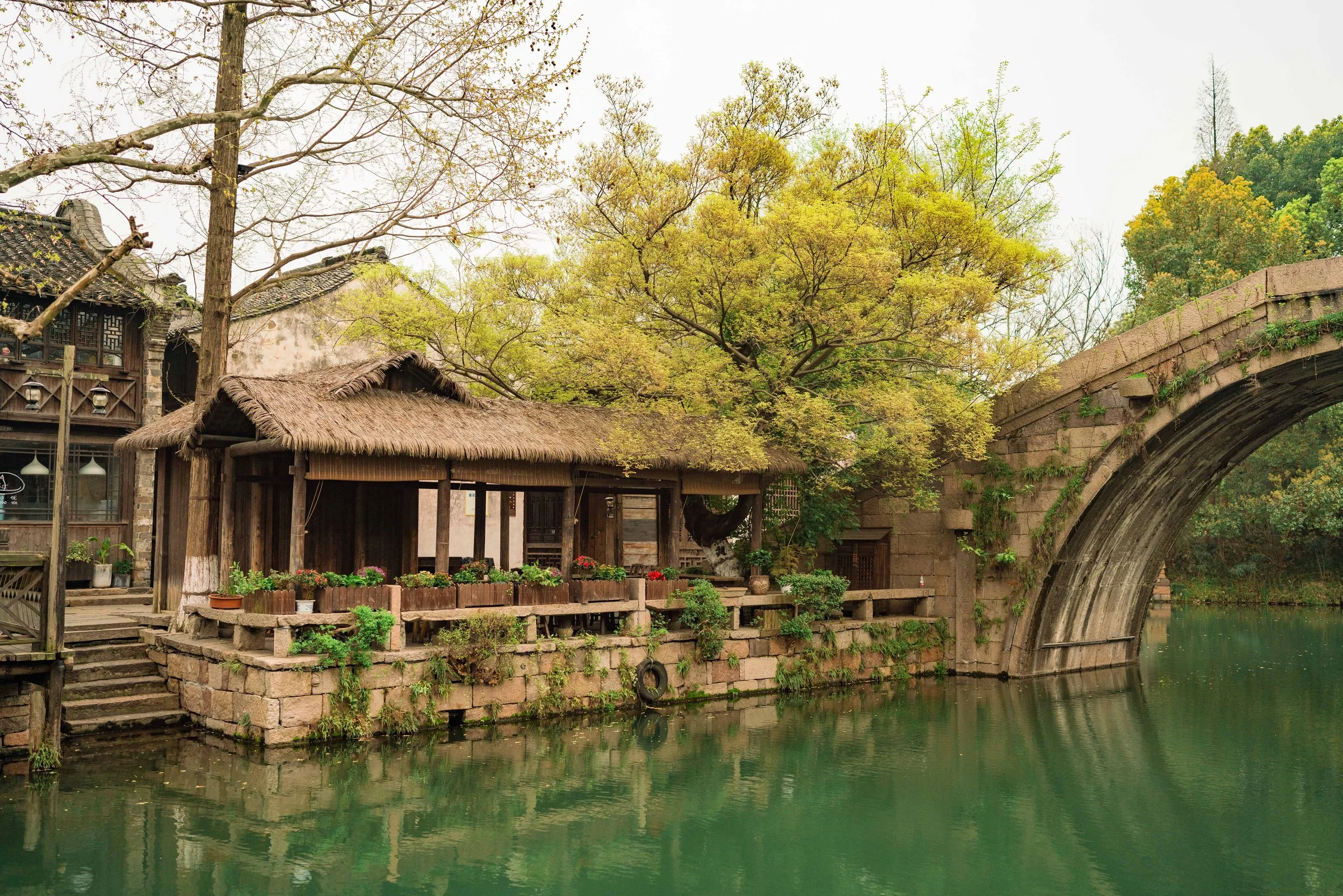
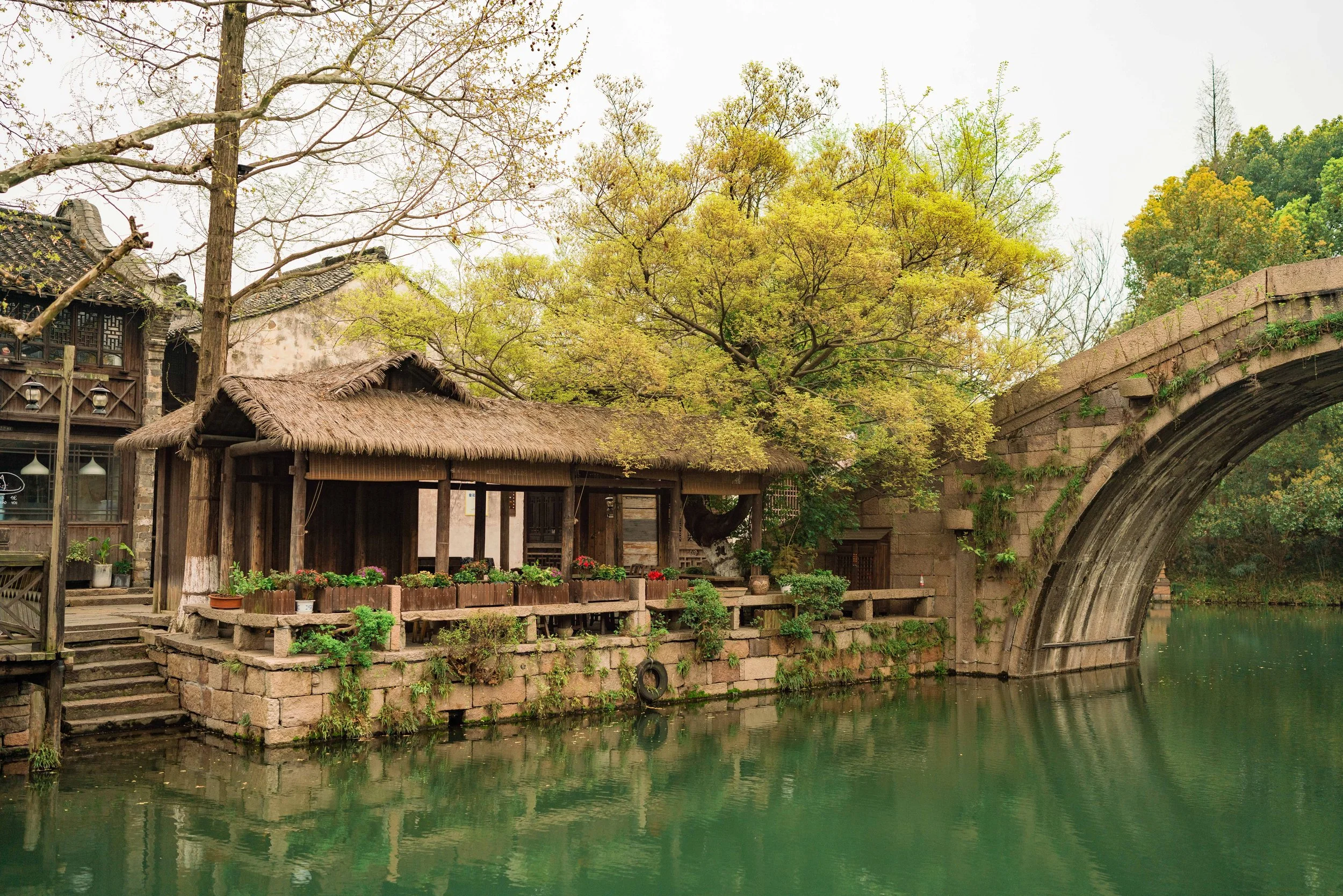
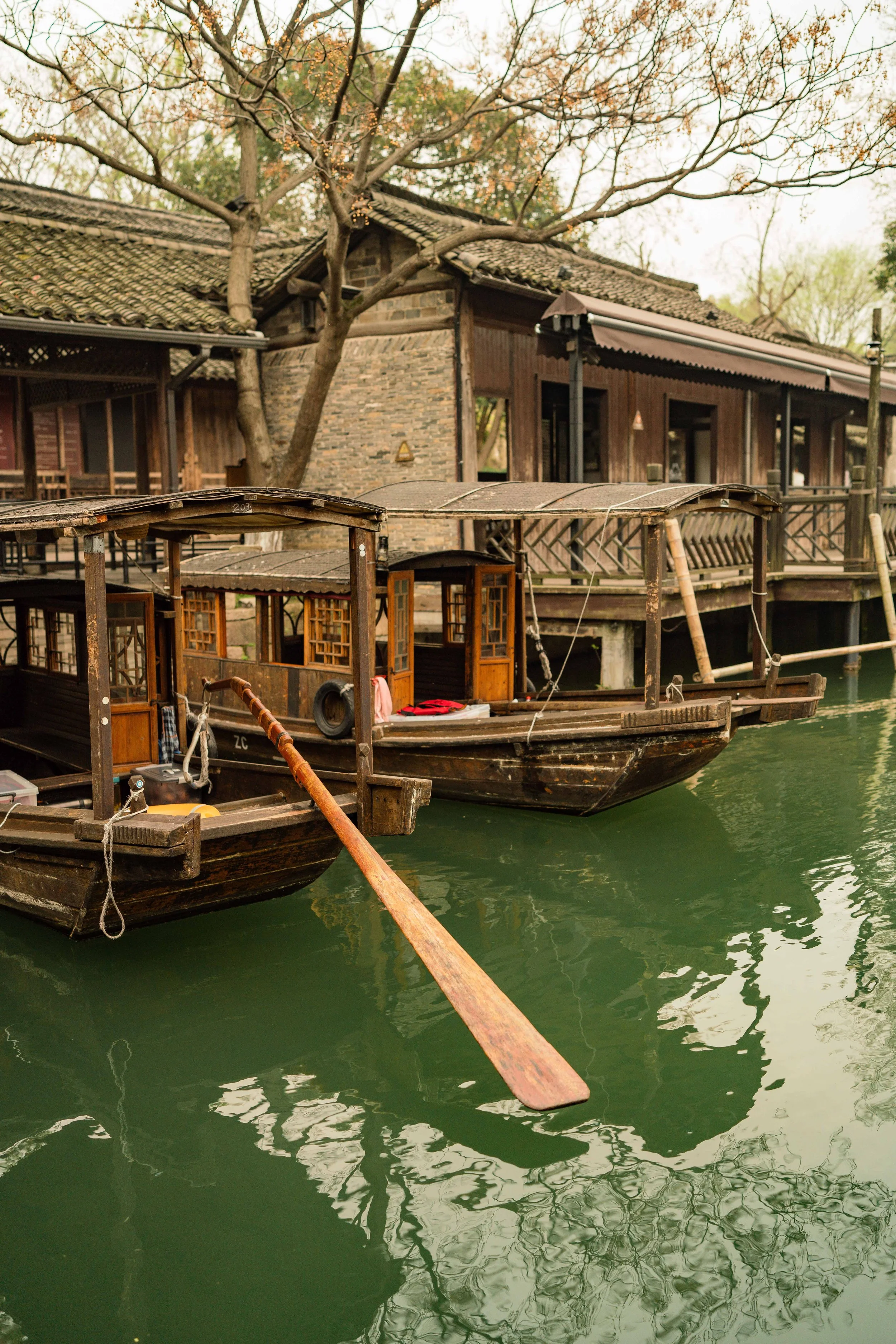
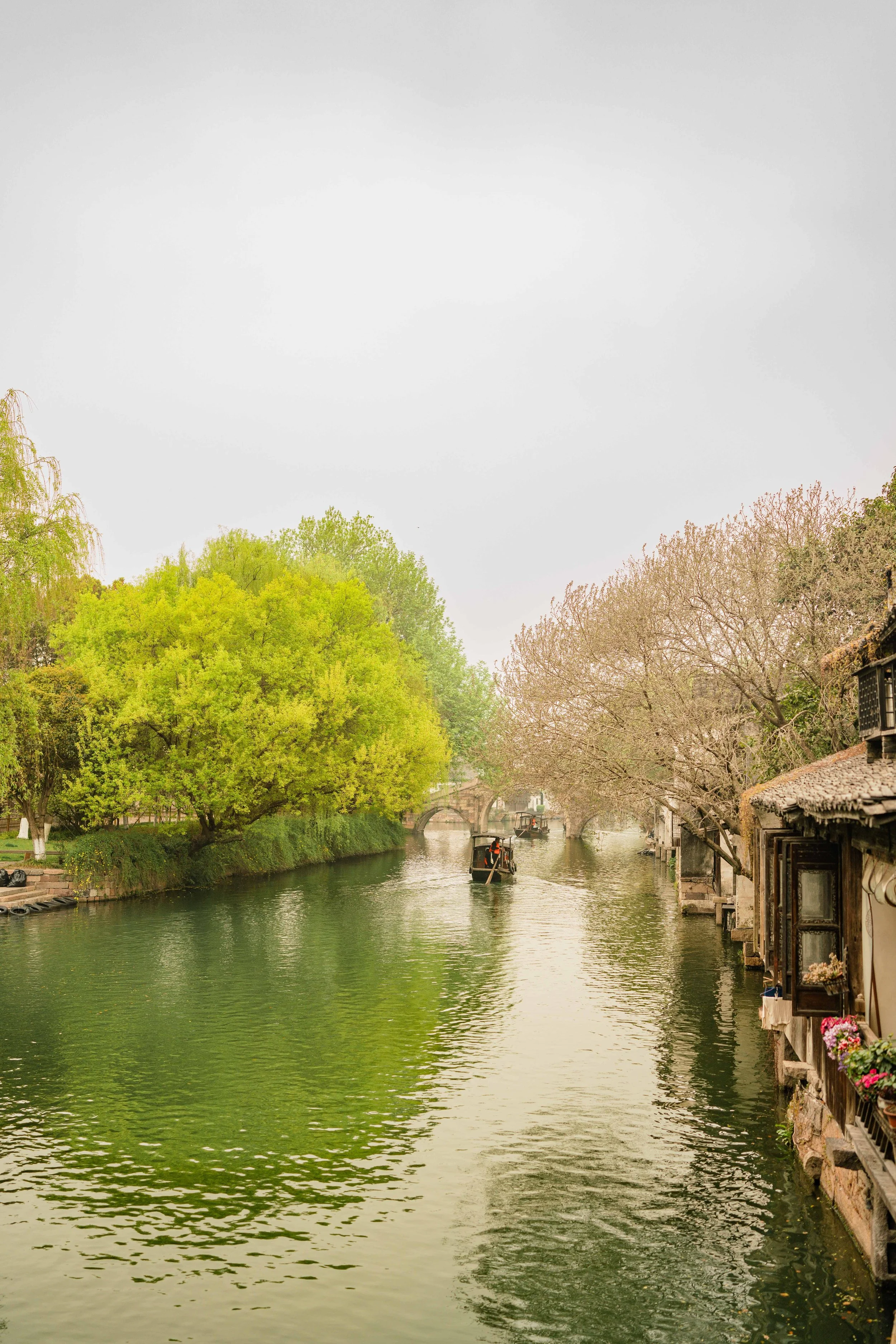
Wuzhen unfolded before me—bustling yet gentle, steeped in antiquity yet untarnished by time—just as I had pictured it all these years. The sunset sky looked as though someone had spilled amber ink across the heavens. That hue melted into the clear emerald waters below, turning the entire canal into a vibrant ribbon of silk. Wooden boats drifted by, their slow oars leaving trails of shimmering gold in their wake.
Standing amidst the flowing crowd, surrounded by the chatter of a language I didn't understand, a strange feeling washed over me. It was as if I had lived this scene countless times before, in a place far away, tucked deep within my memory.
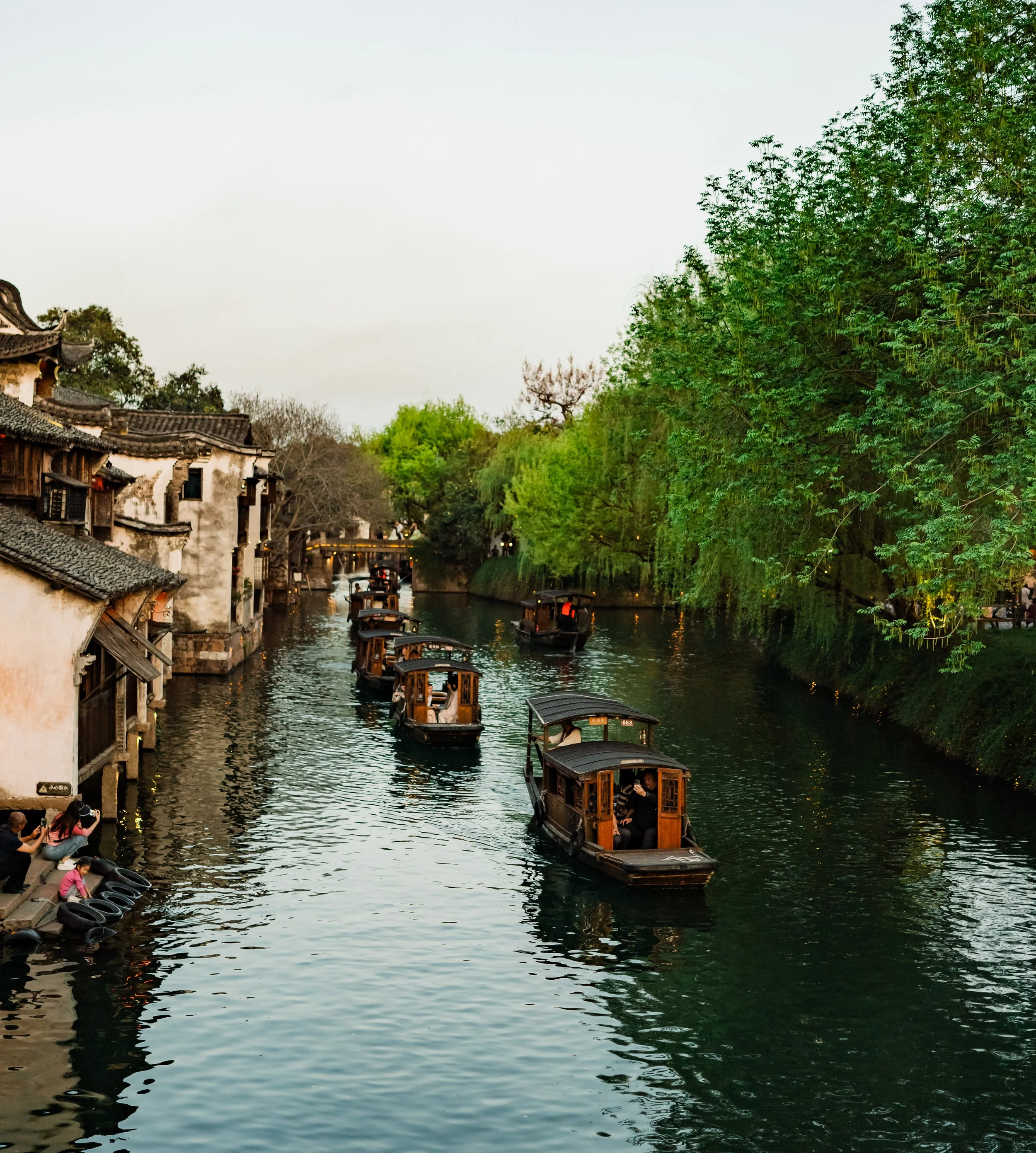
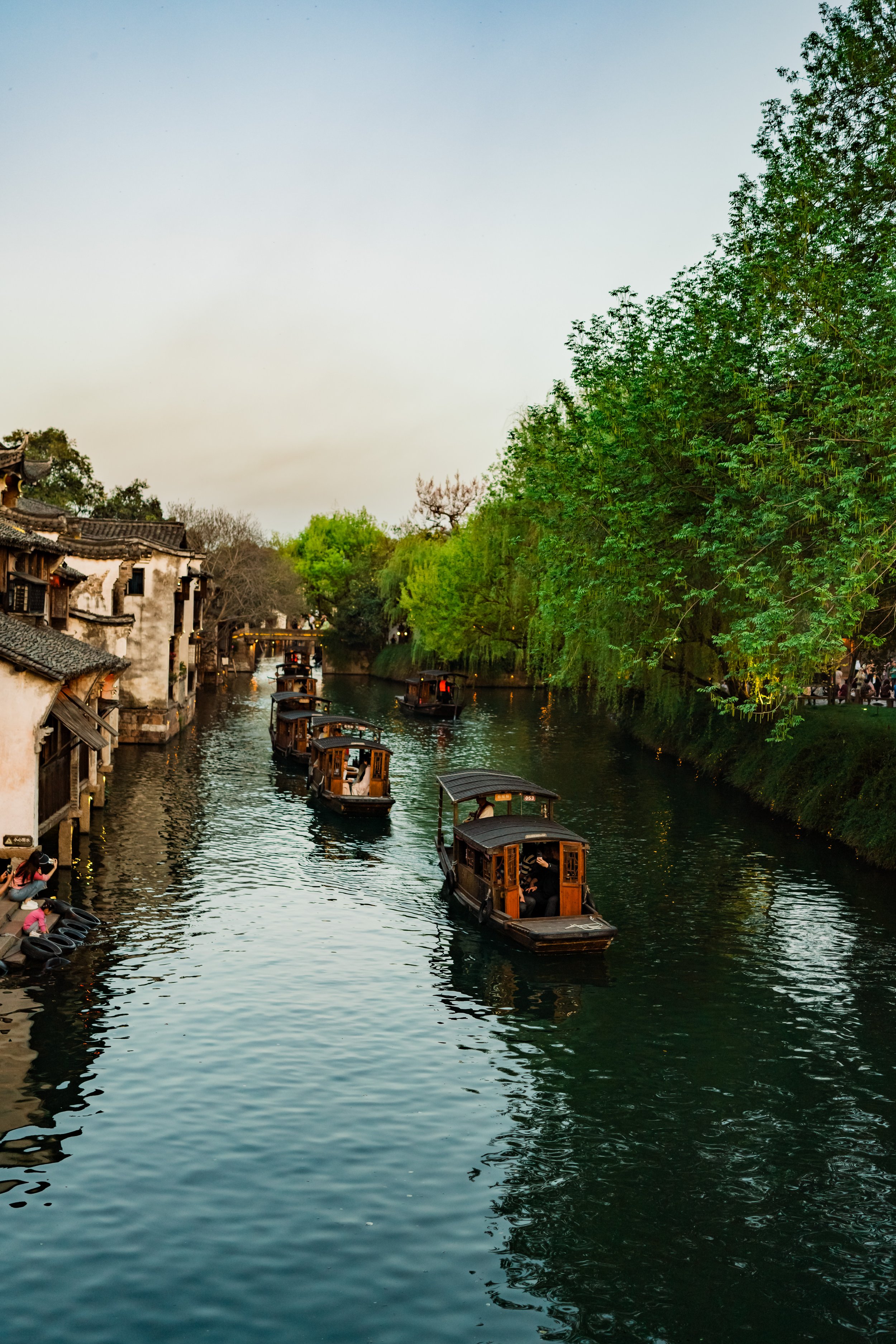
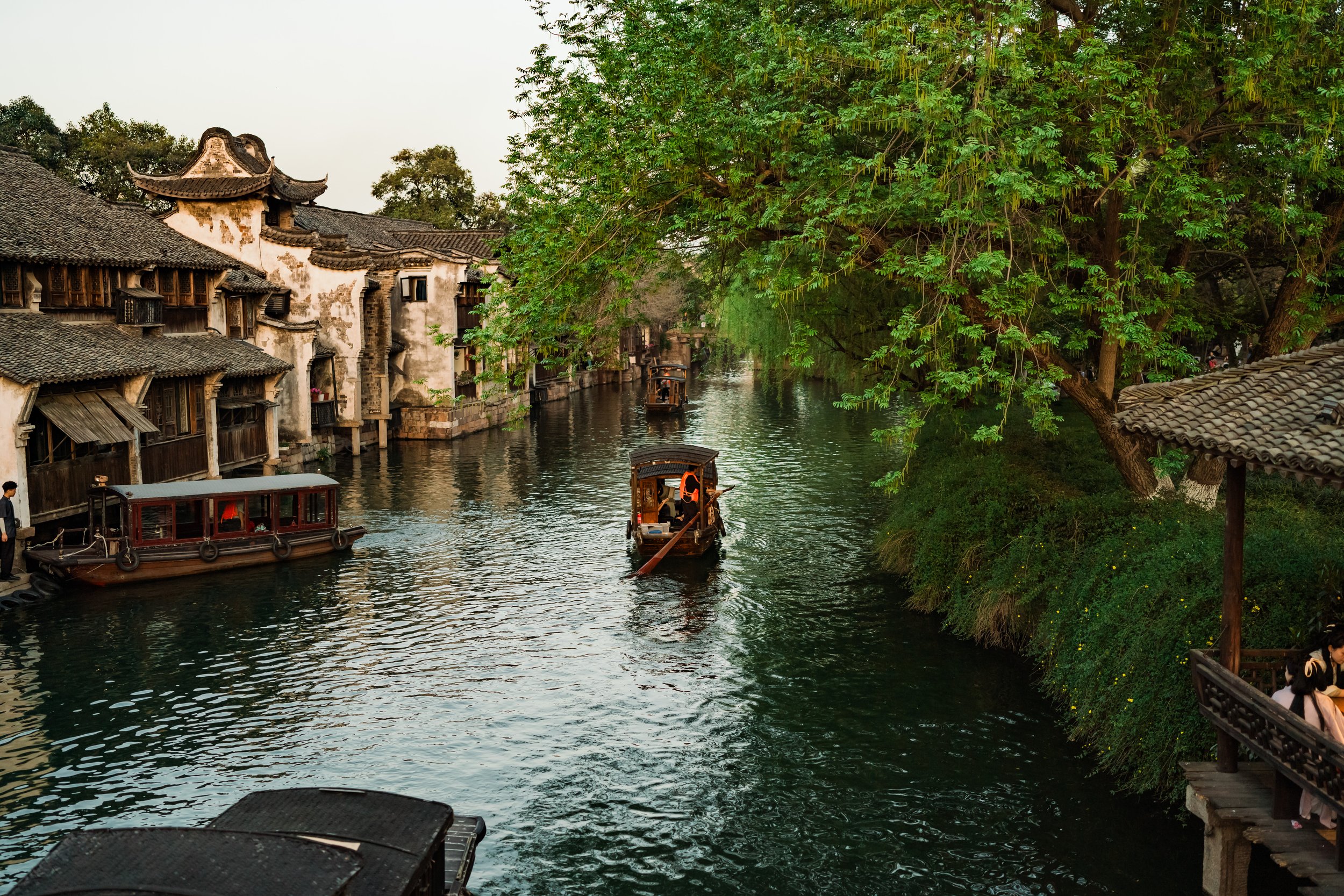
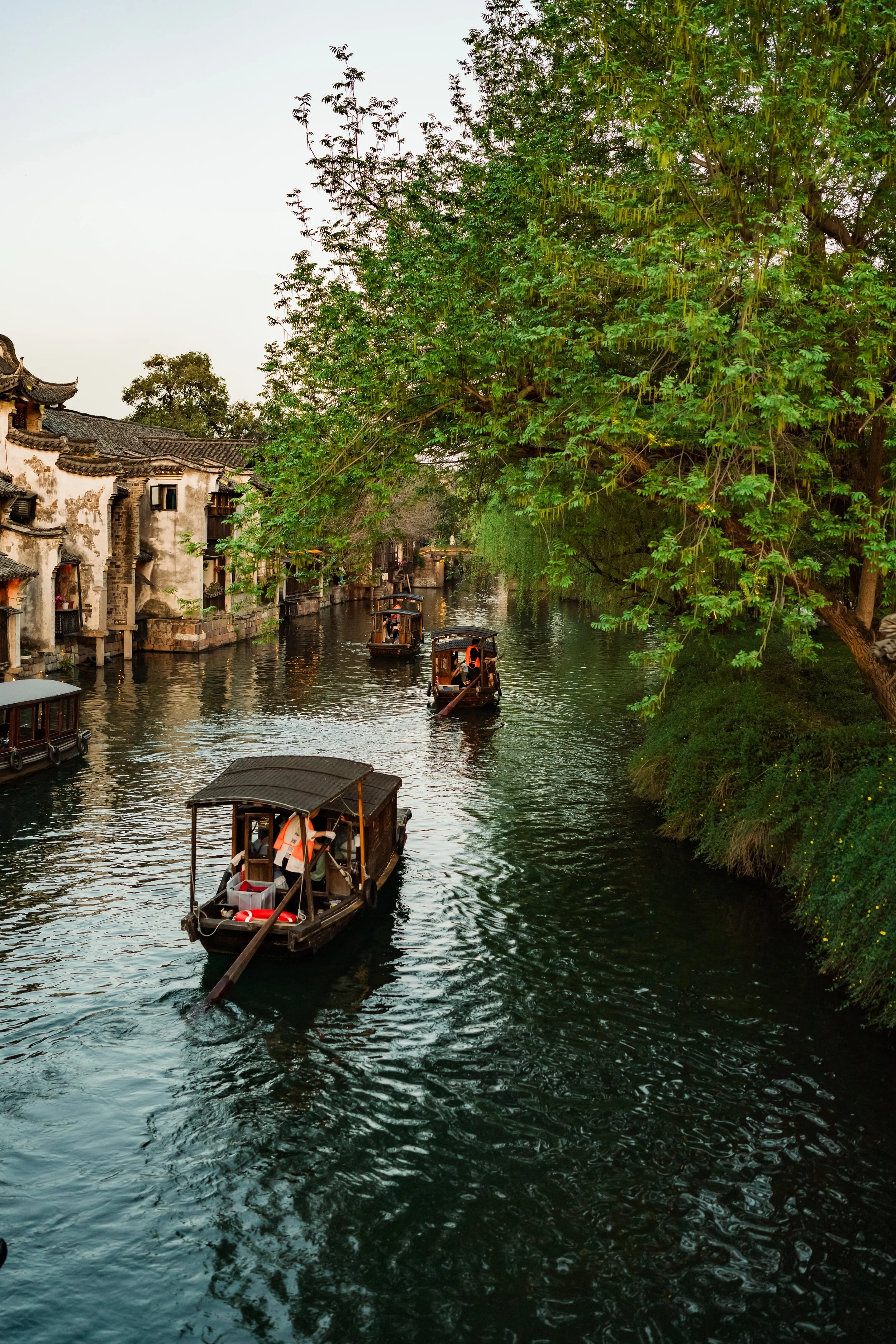
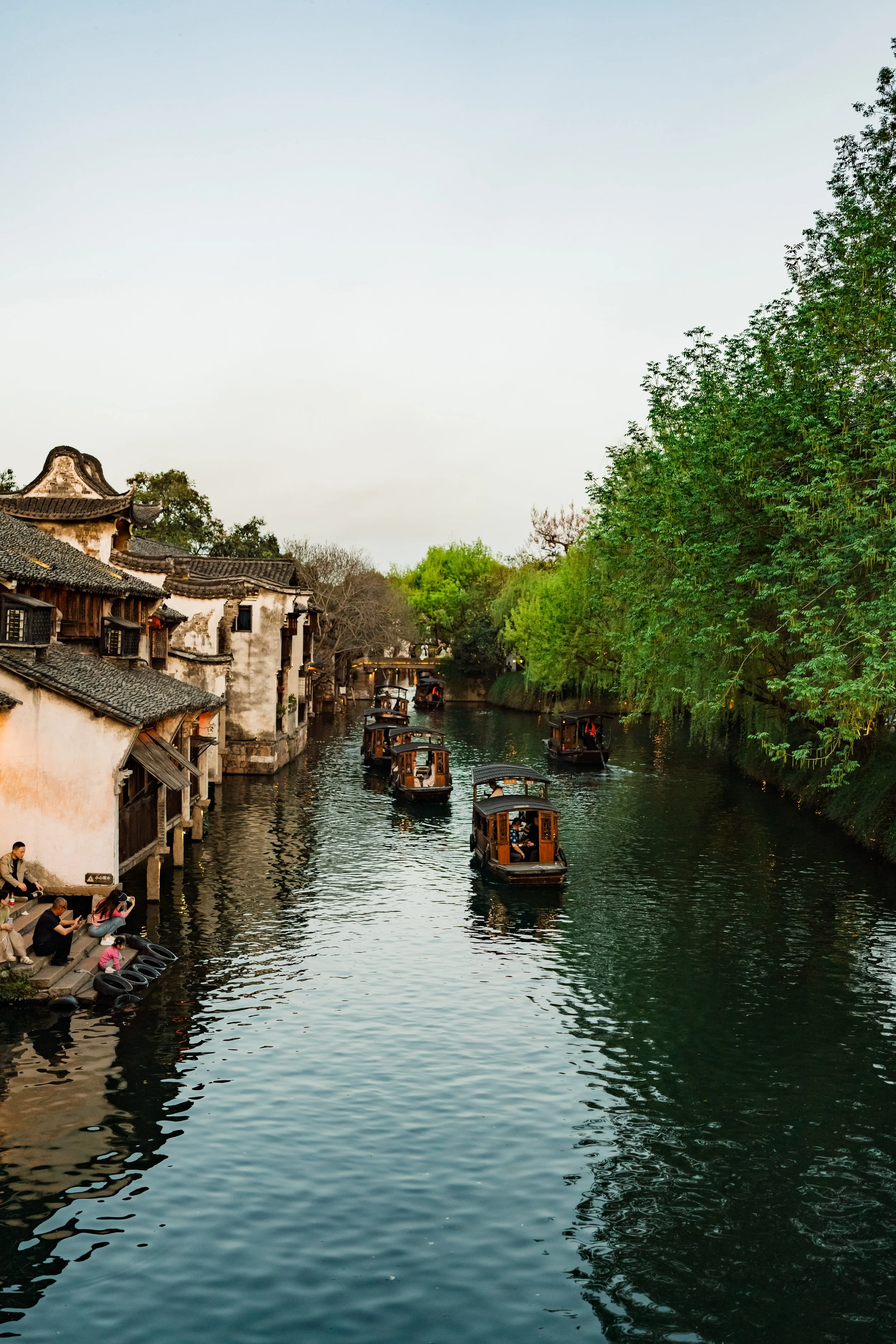
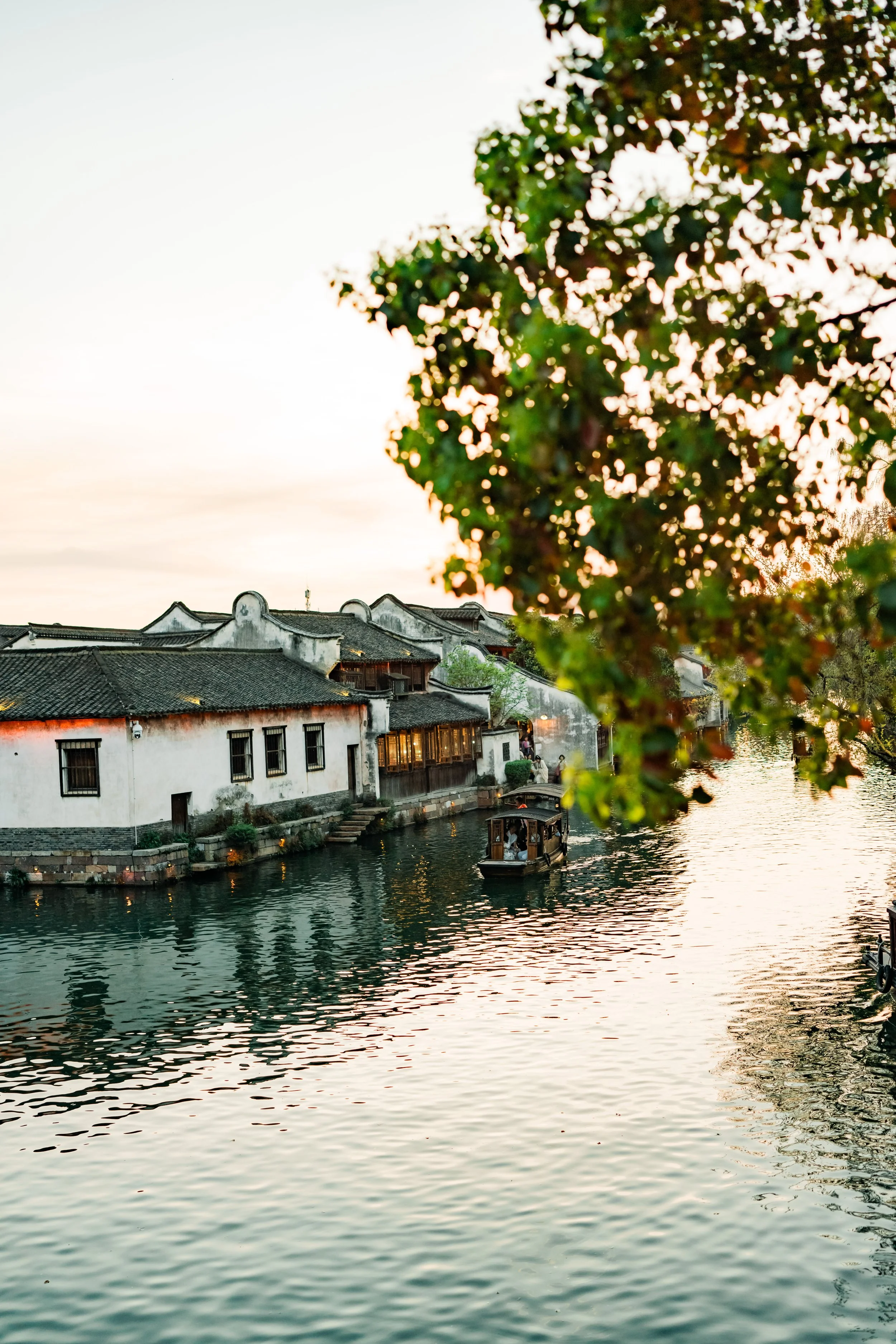
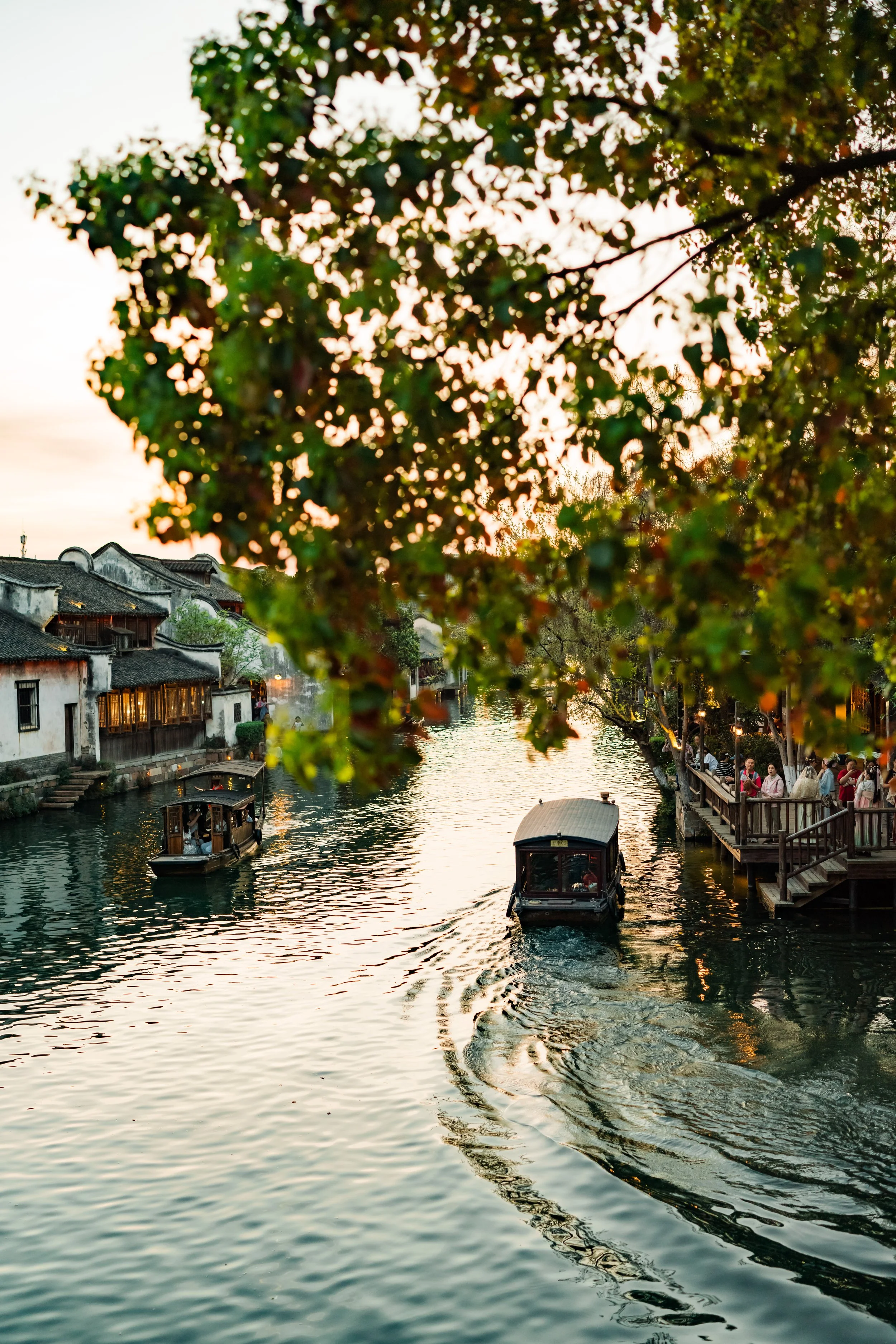
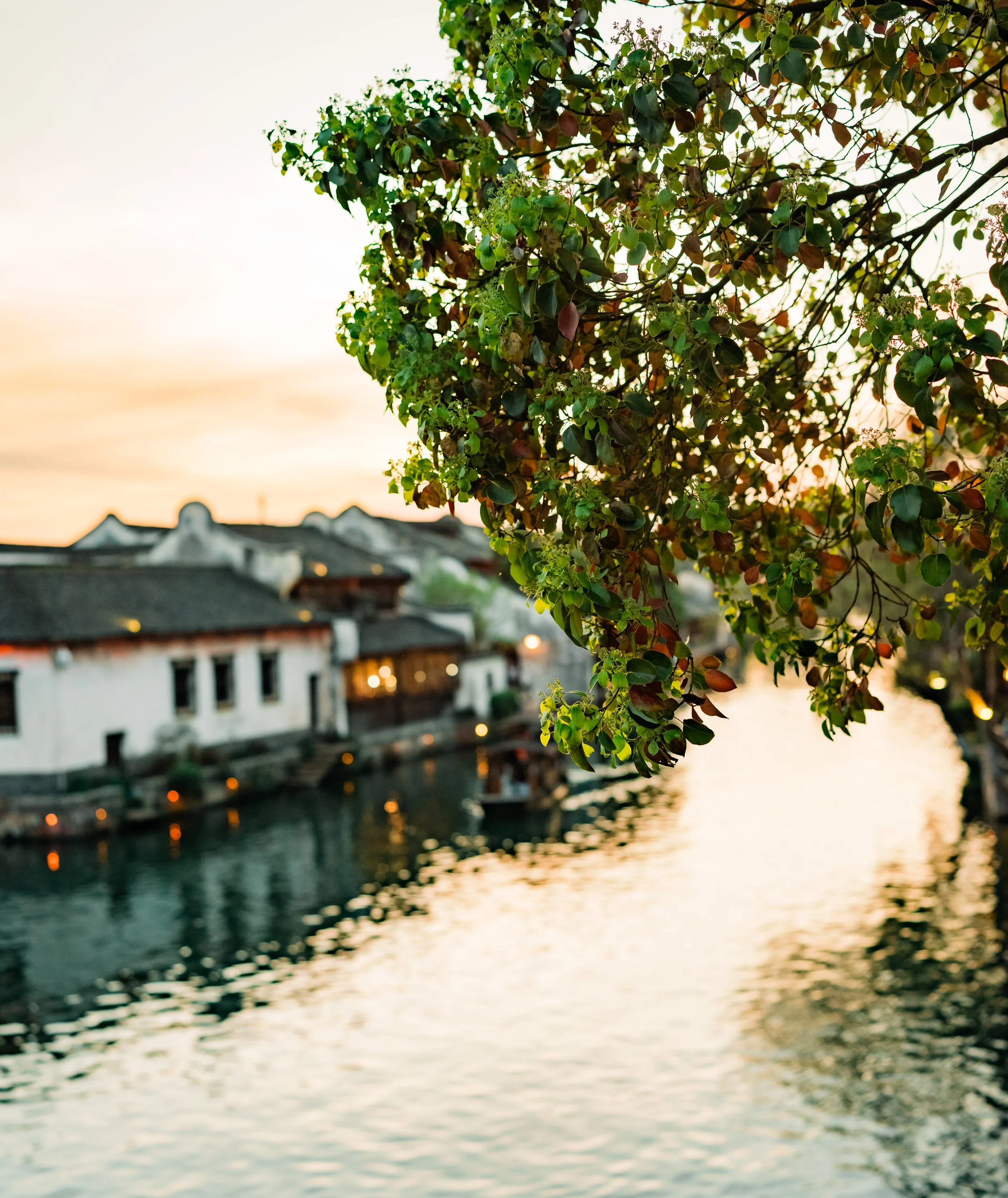
I woke up early the next morning, leaving the homestay at 6 AM. The Wuzhen that greeted me was tranquil, delicate, and deeply nostalgic, a stark contrast to the vivid night before. Since its founding in 872 AD, Wuzhen has preserved its name, its geography, its web of canals, and the rhythm of its people's lives.
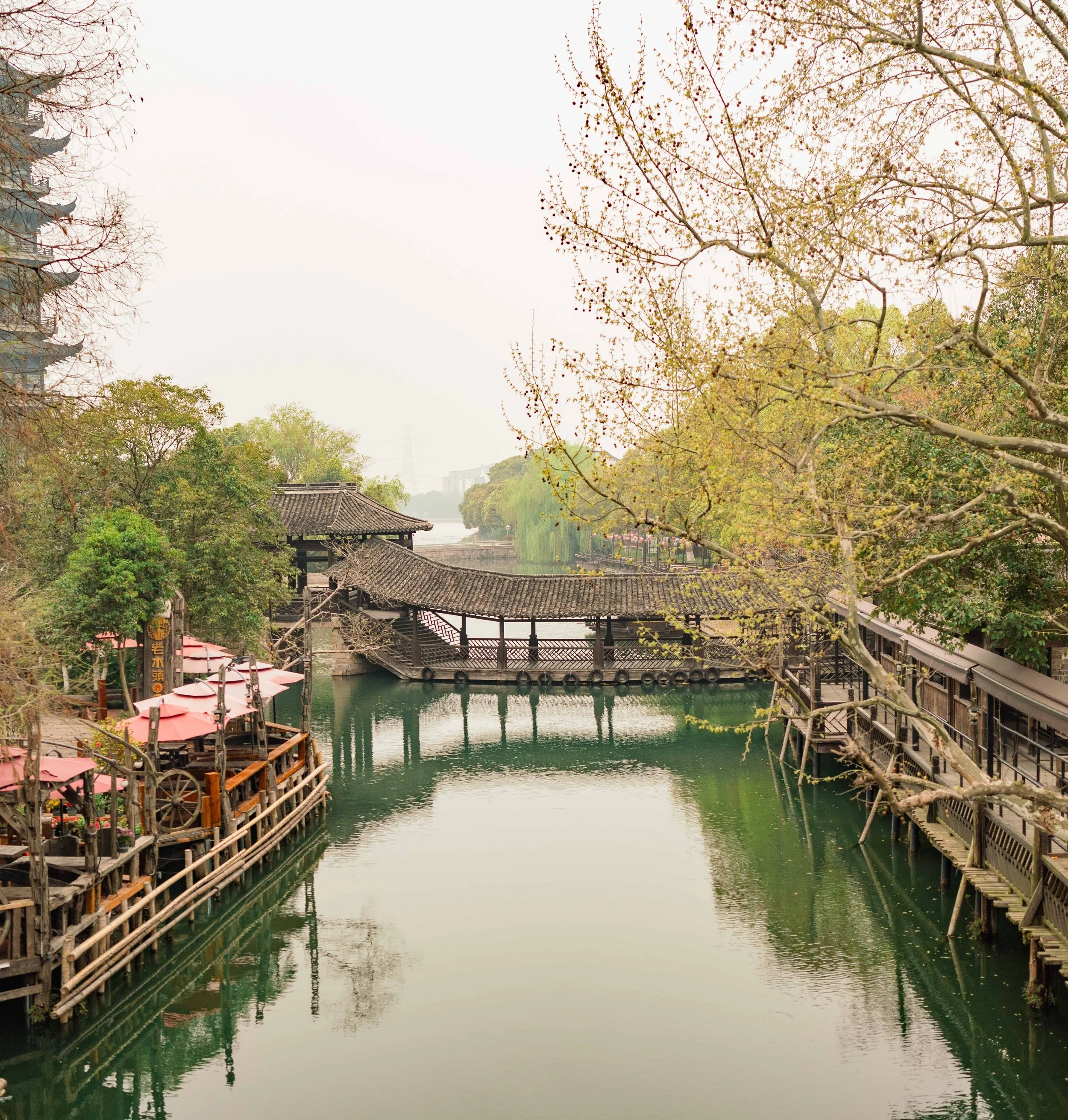
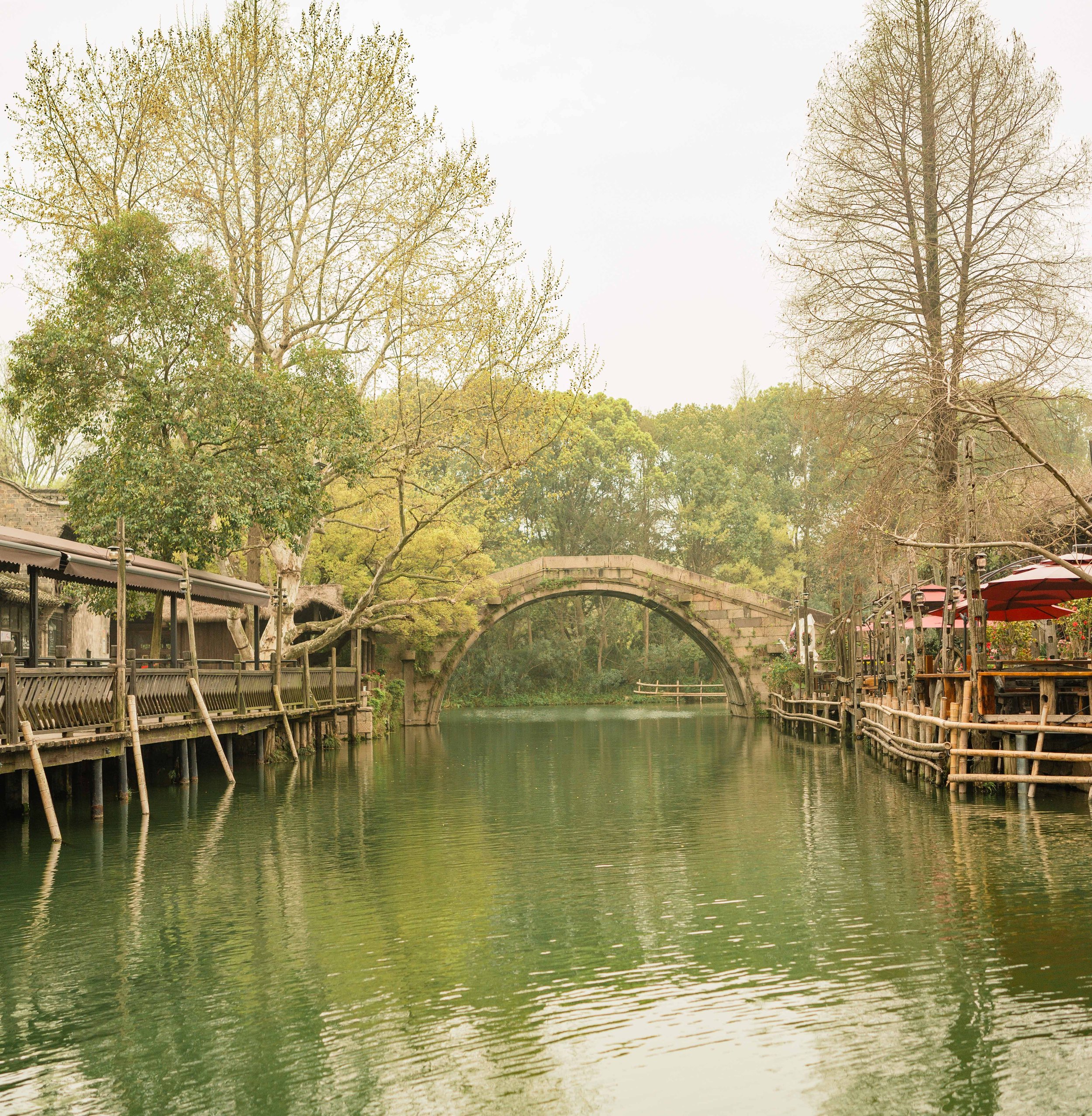
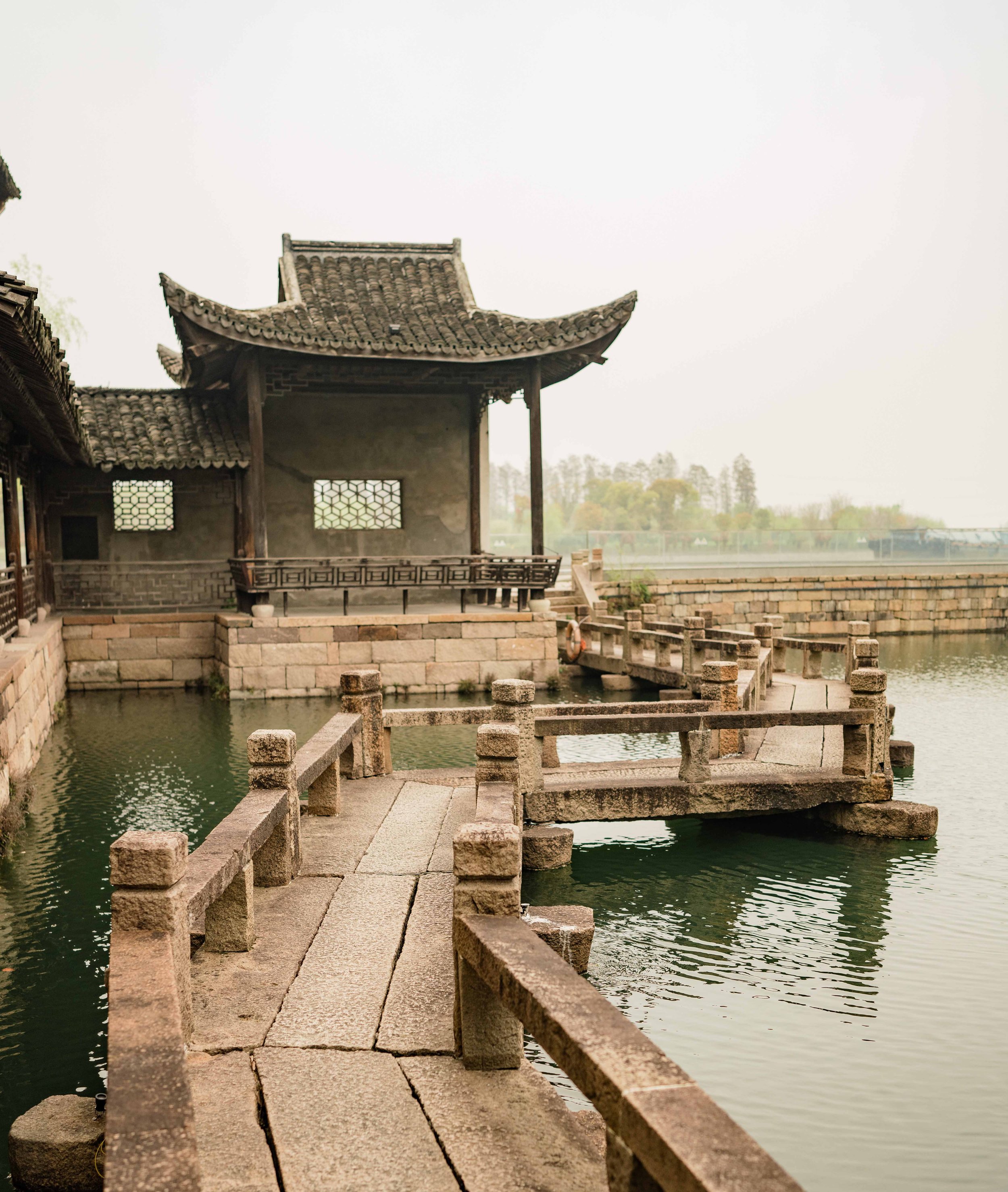
Shaped by Confucian philosophy and ancient Chinese aesthetics, the motif of "Small bridge - Flowing water - Households" (小桥 - 流水 - 人家) breathes life into the concept of "Poetry within a painting" (Thi trung hữu họa). This very essence defines the allure of Jiangnan’s water towns, and nowhere is it etched more clearly than in Wuzhen.
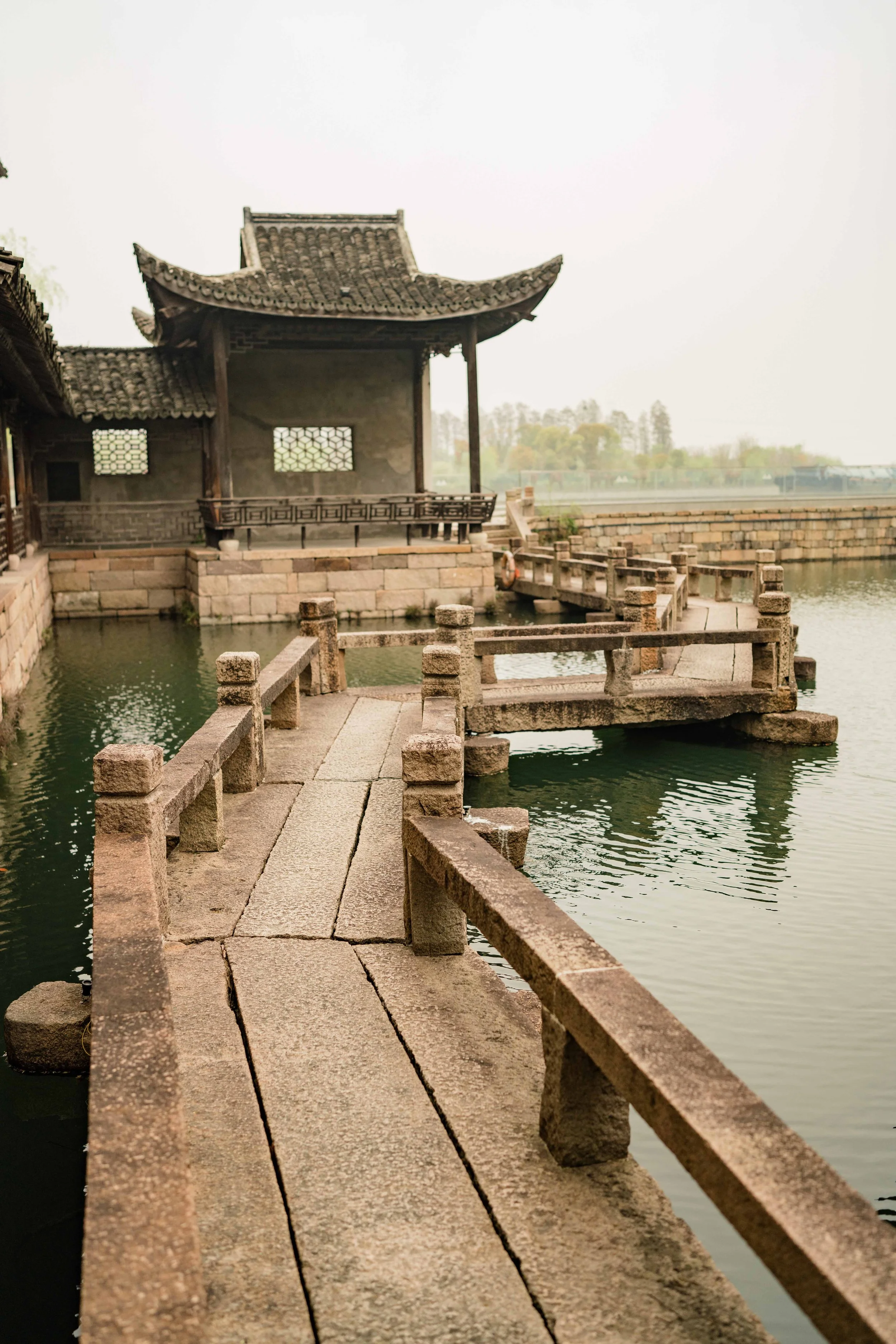
In a fleeting moment, standing on a stone bridge, gazing down at the drifting water and the reflections of storied pavilions, time and space seemed to stand completely still.
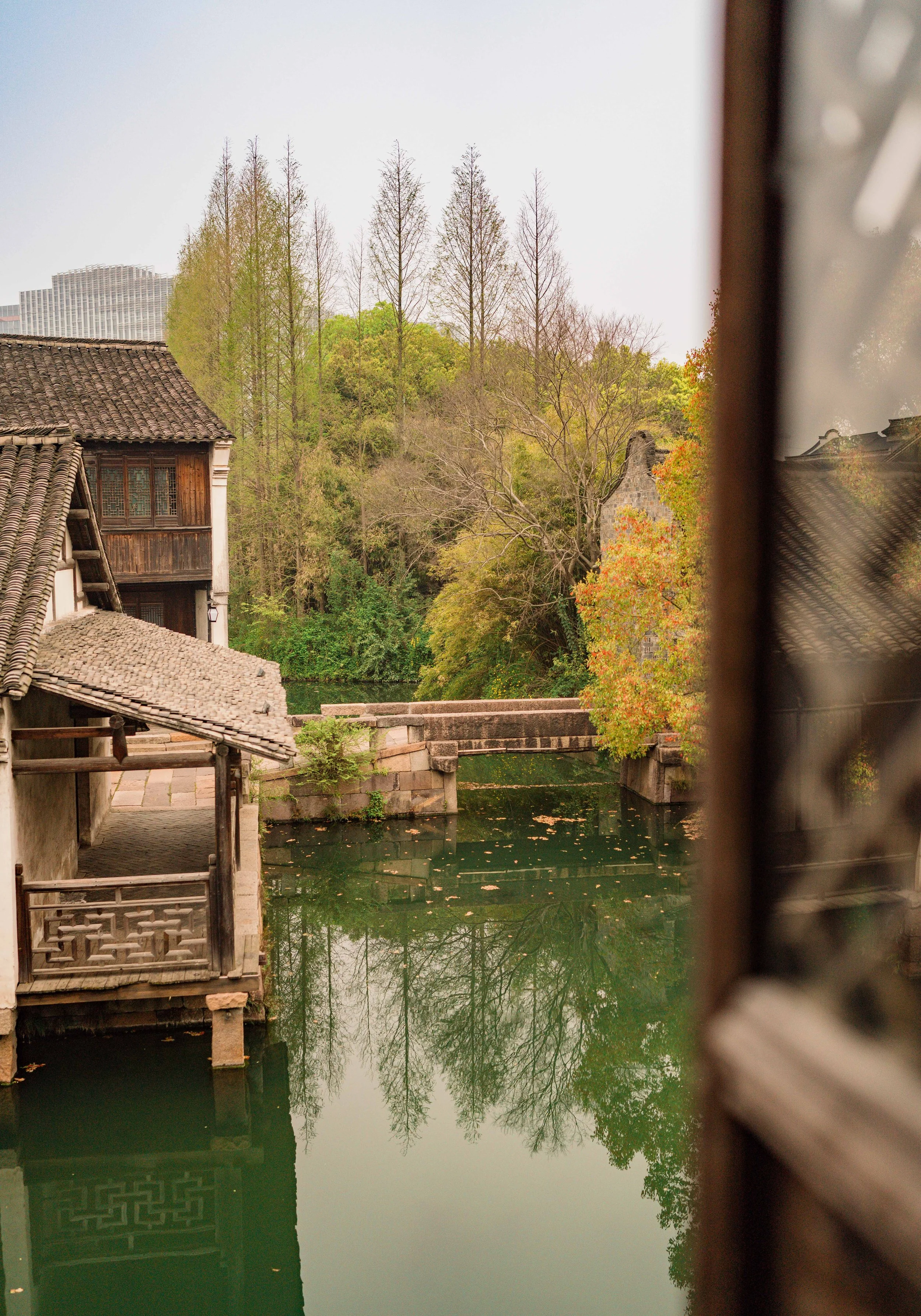
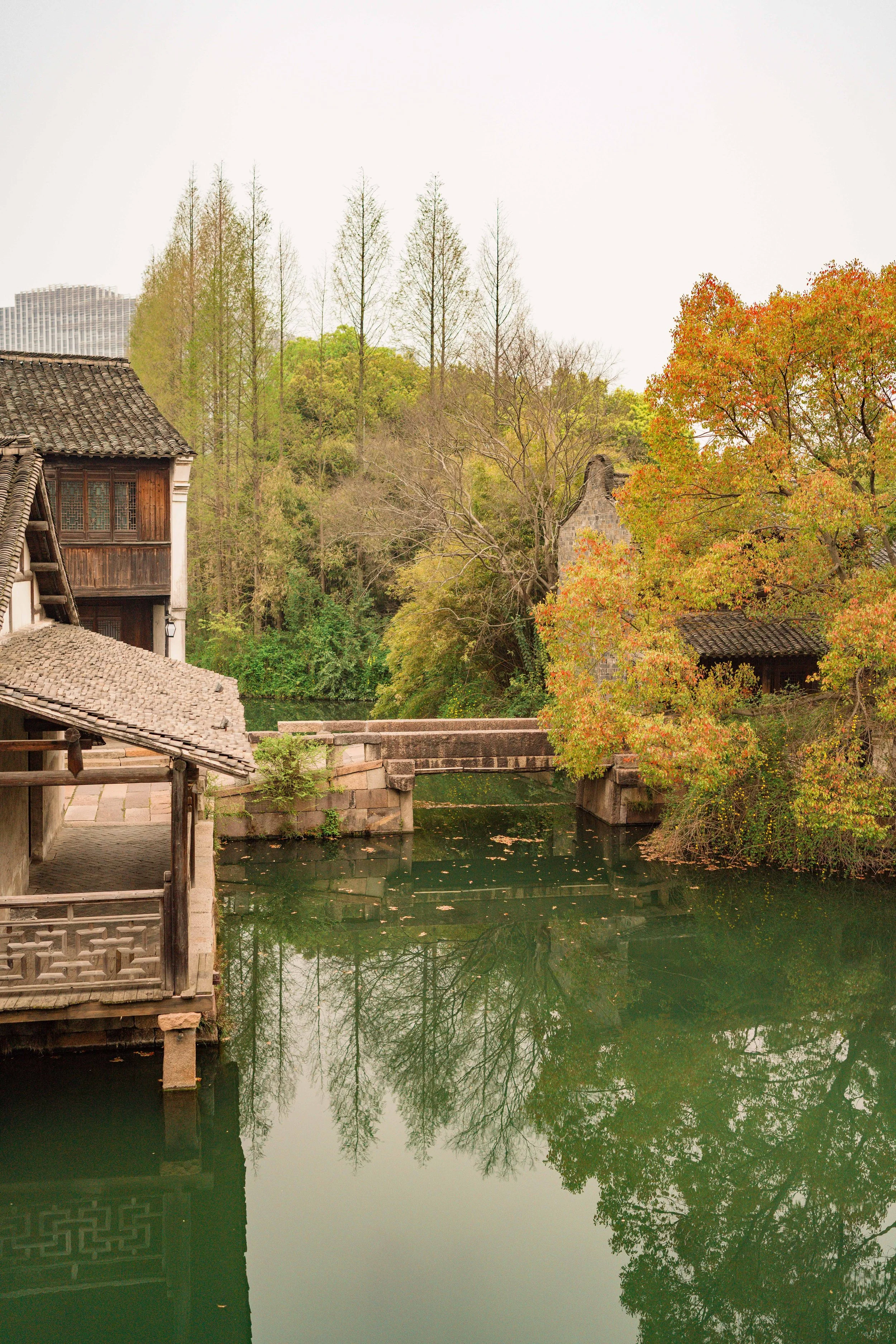
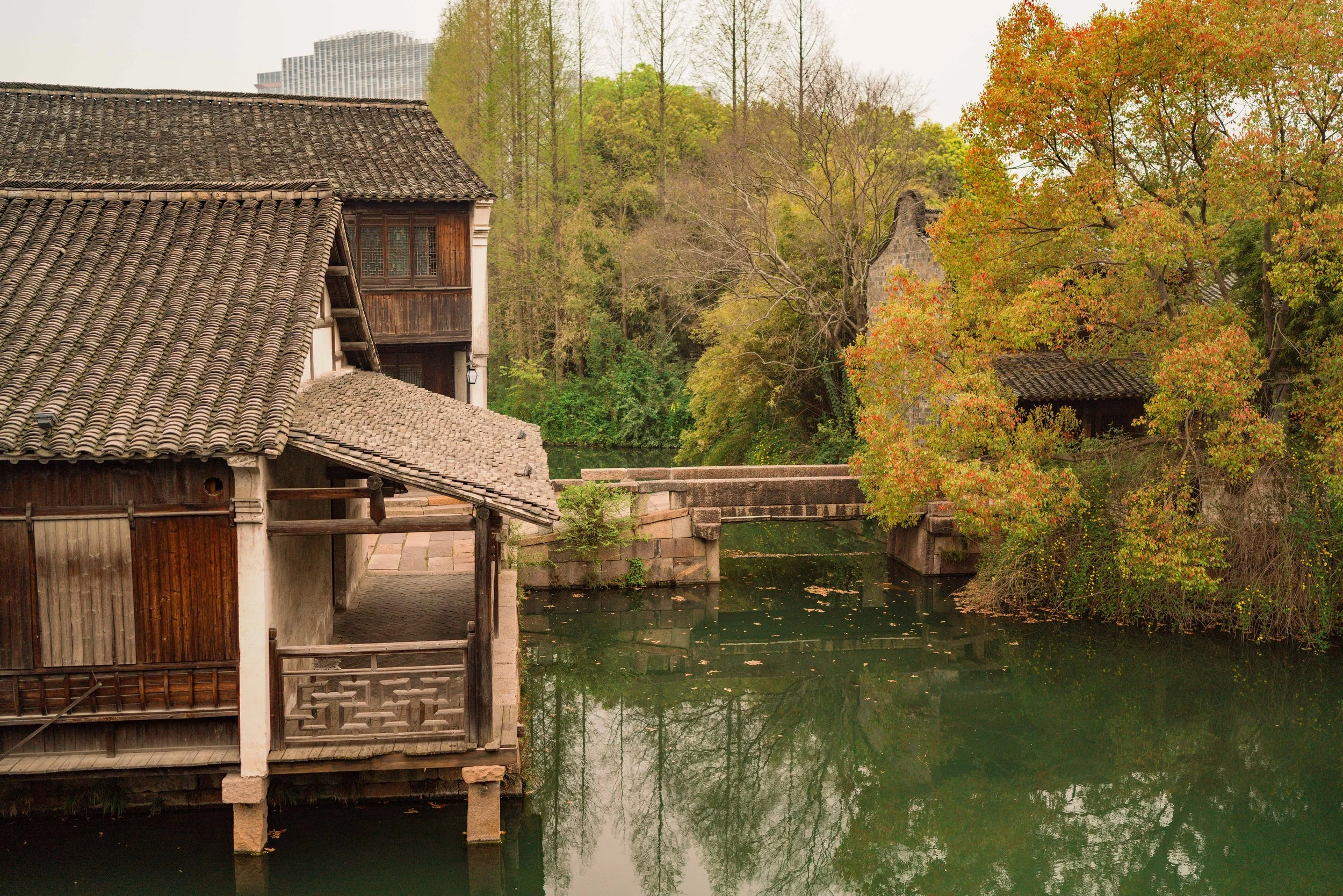
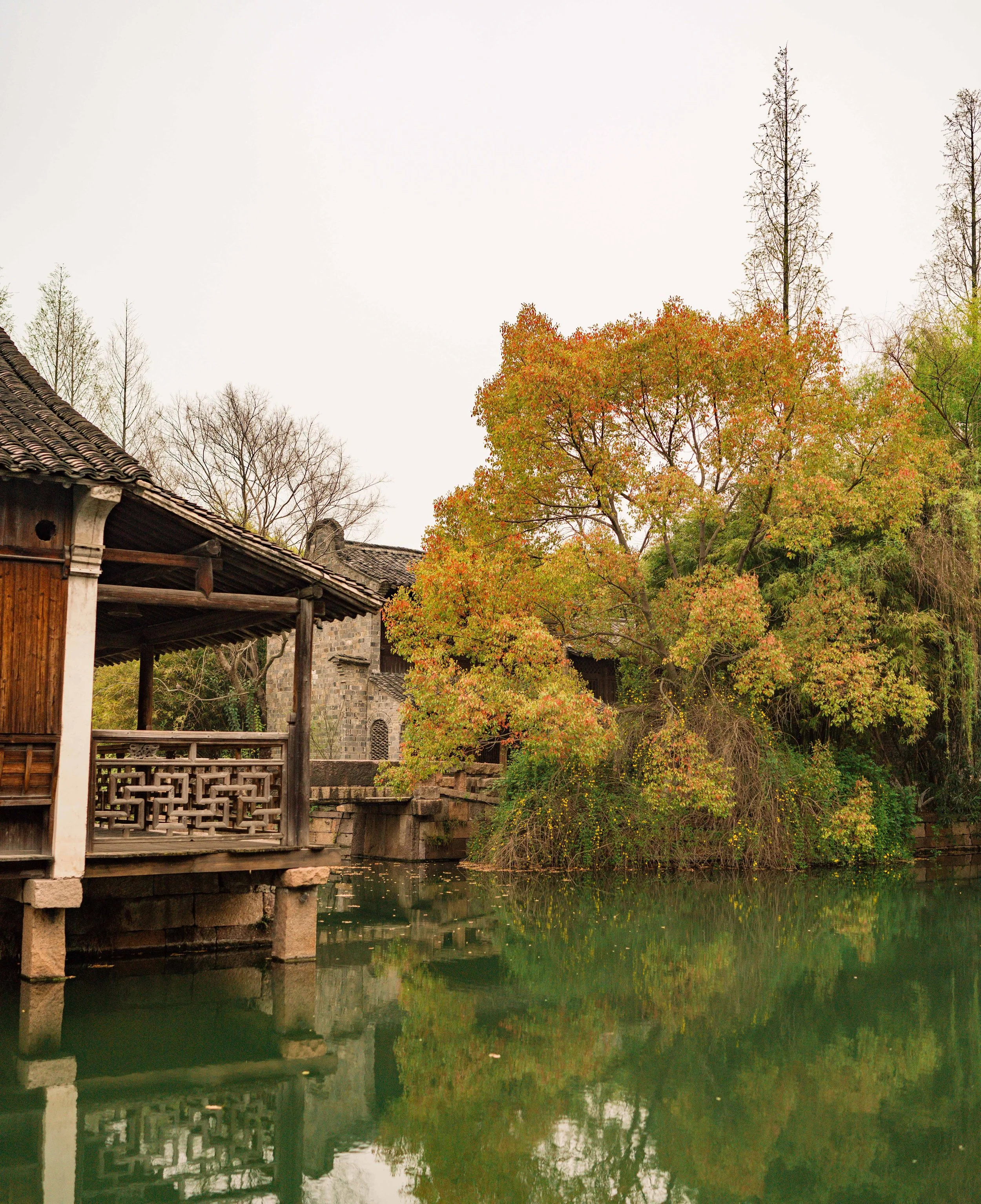
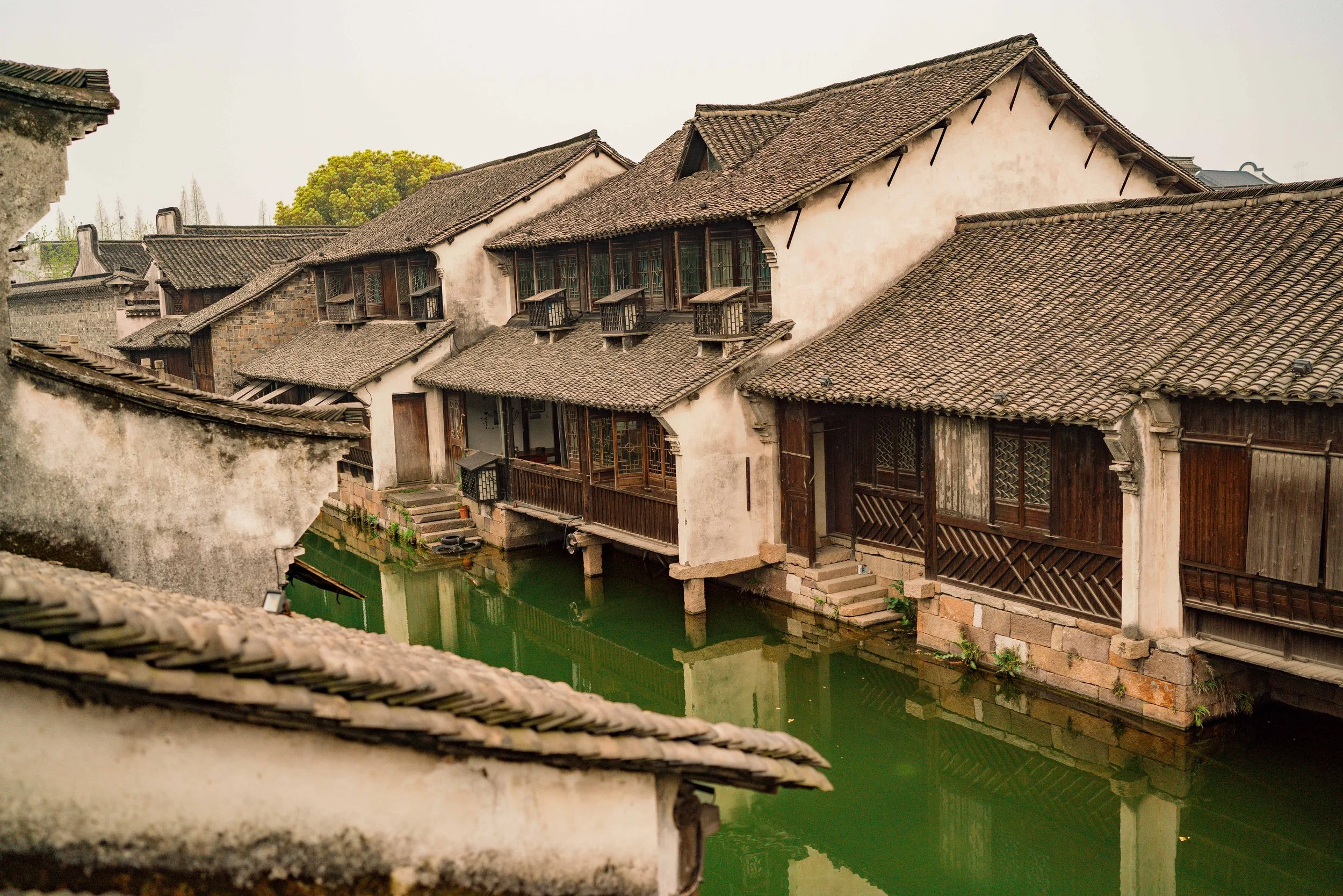
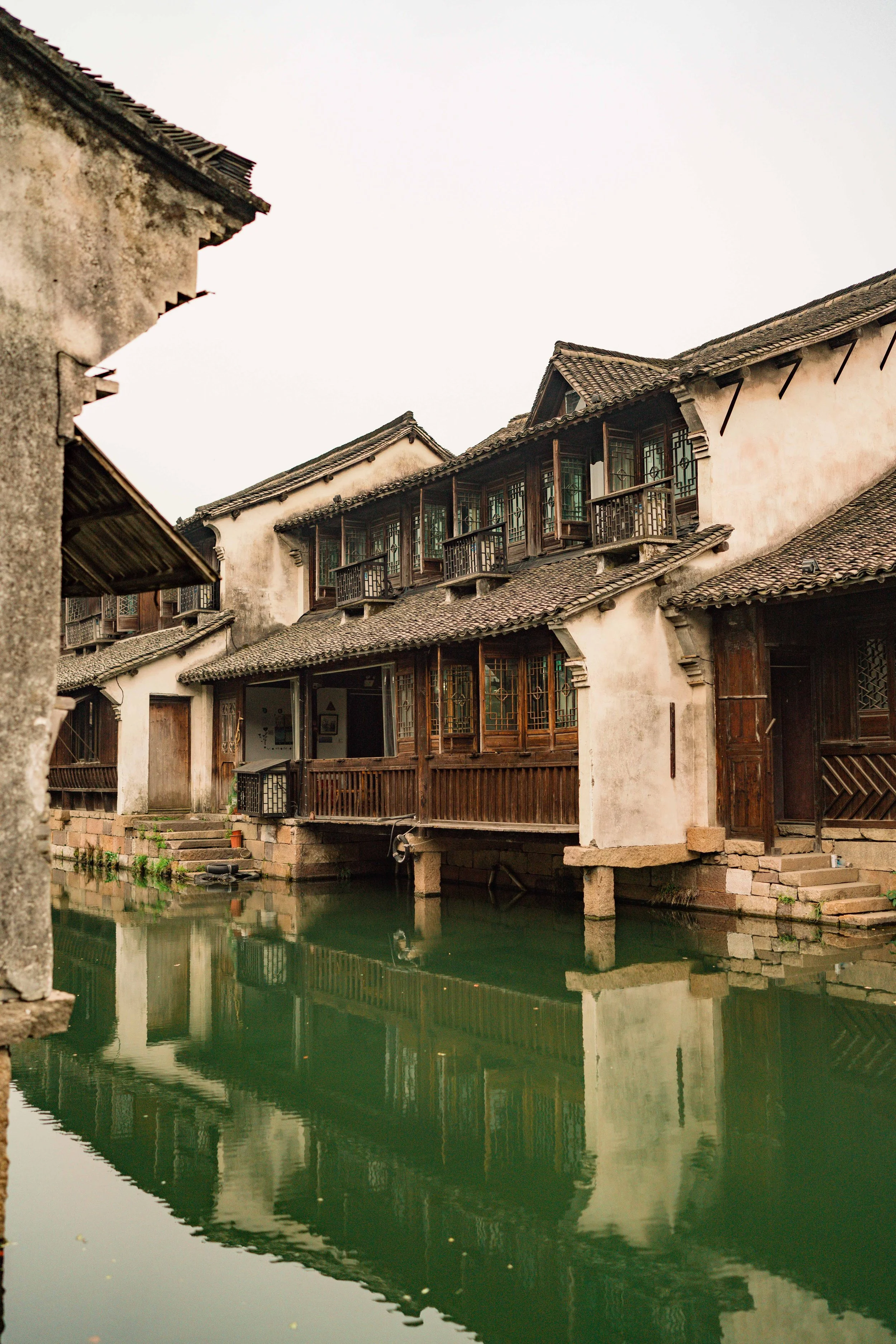
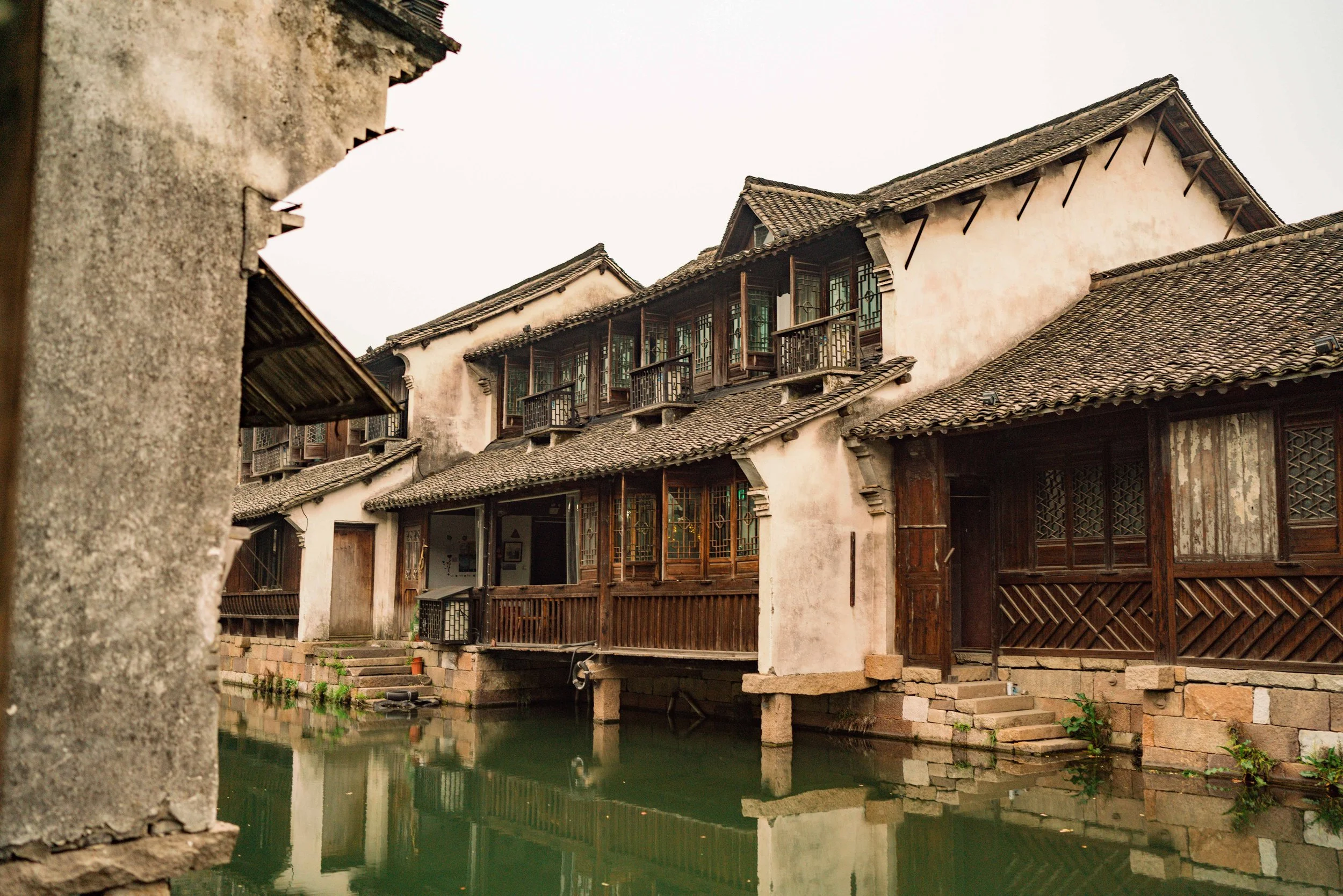
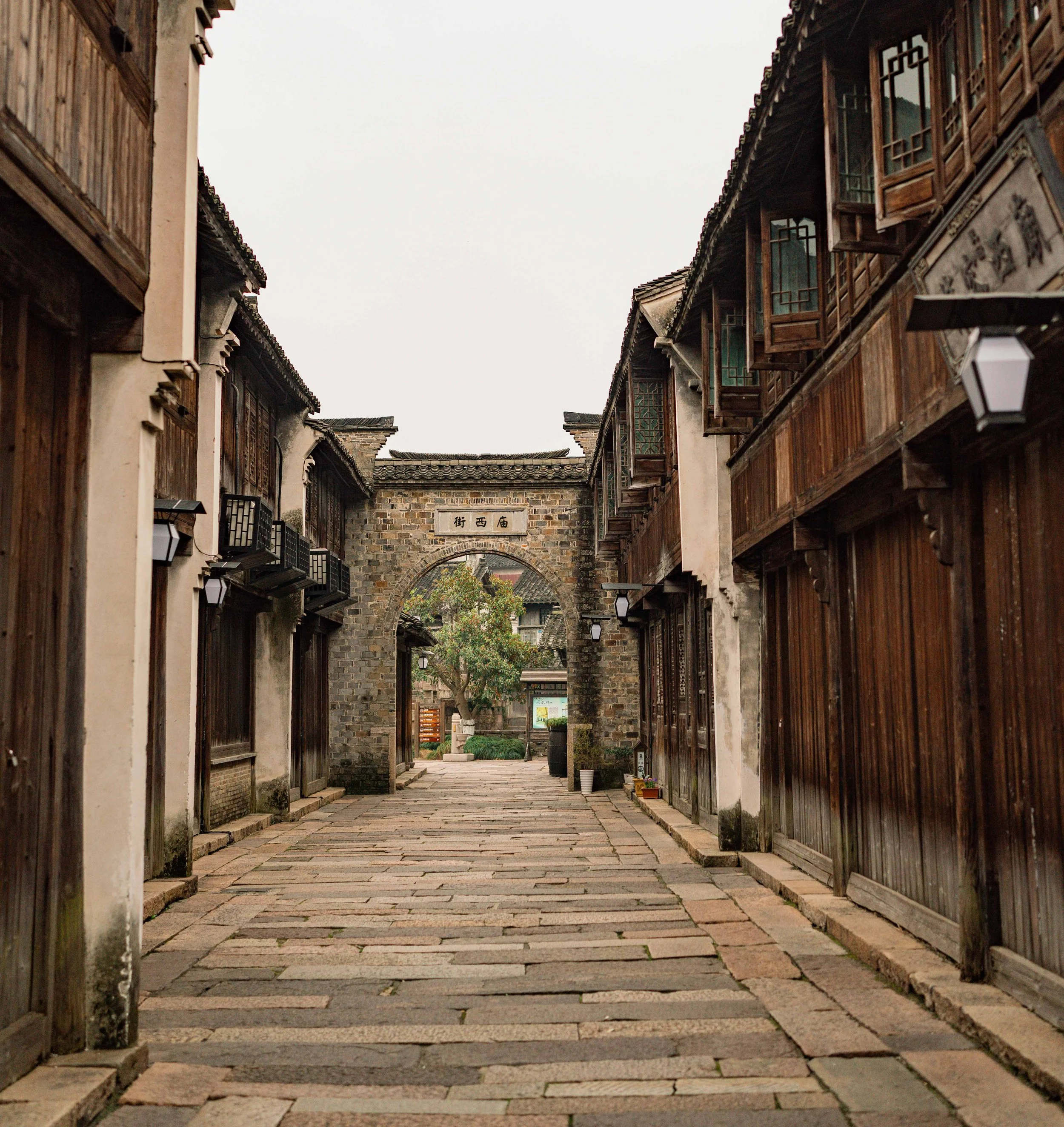
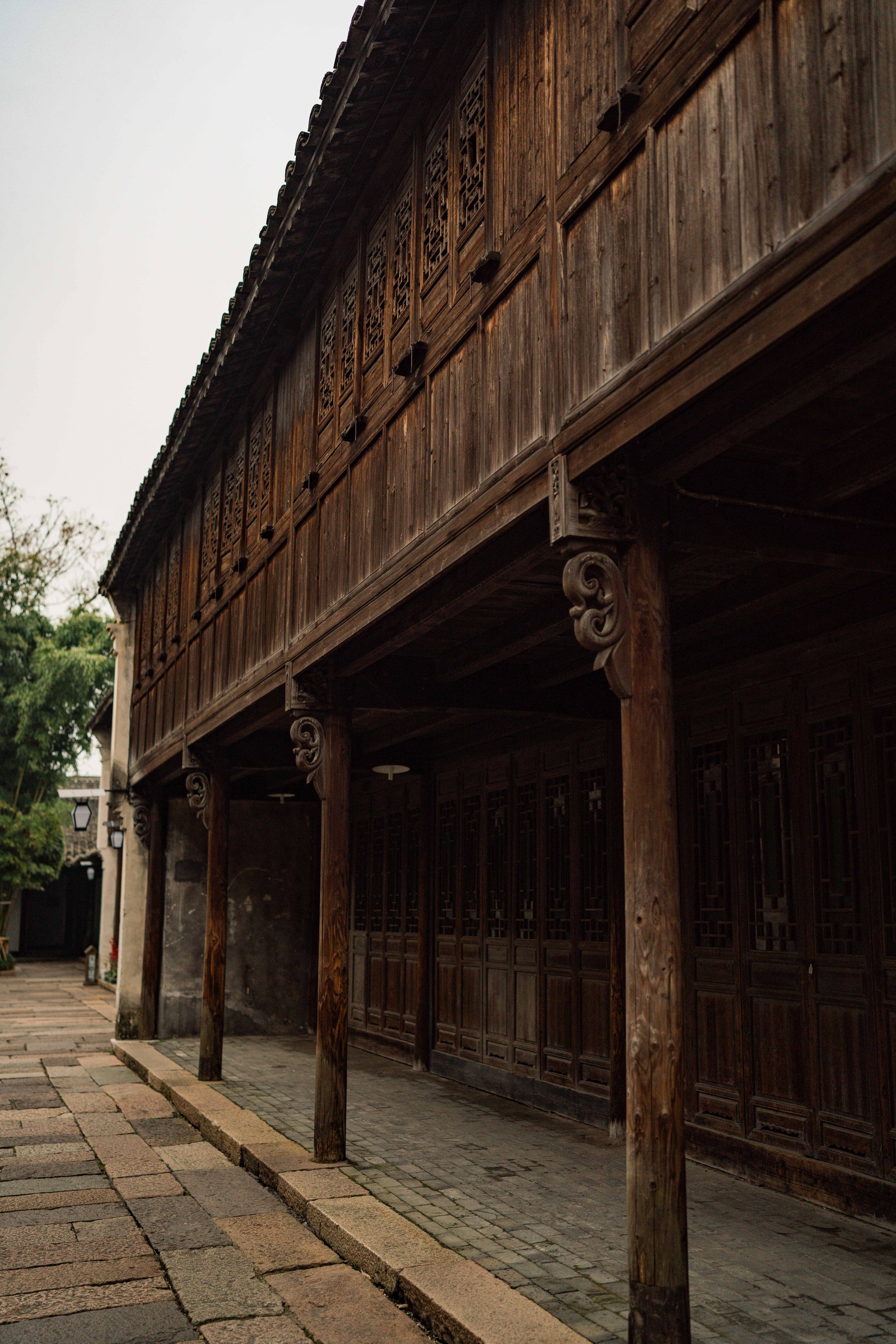
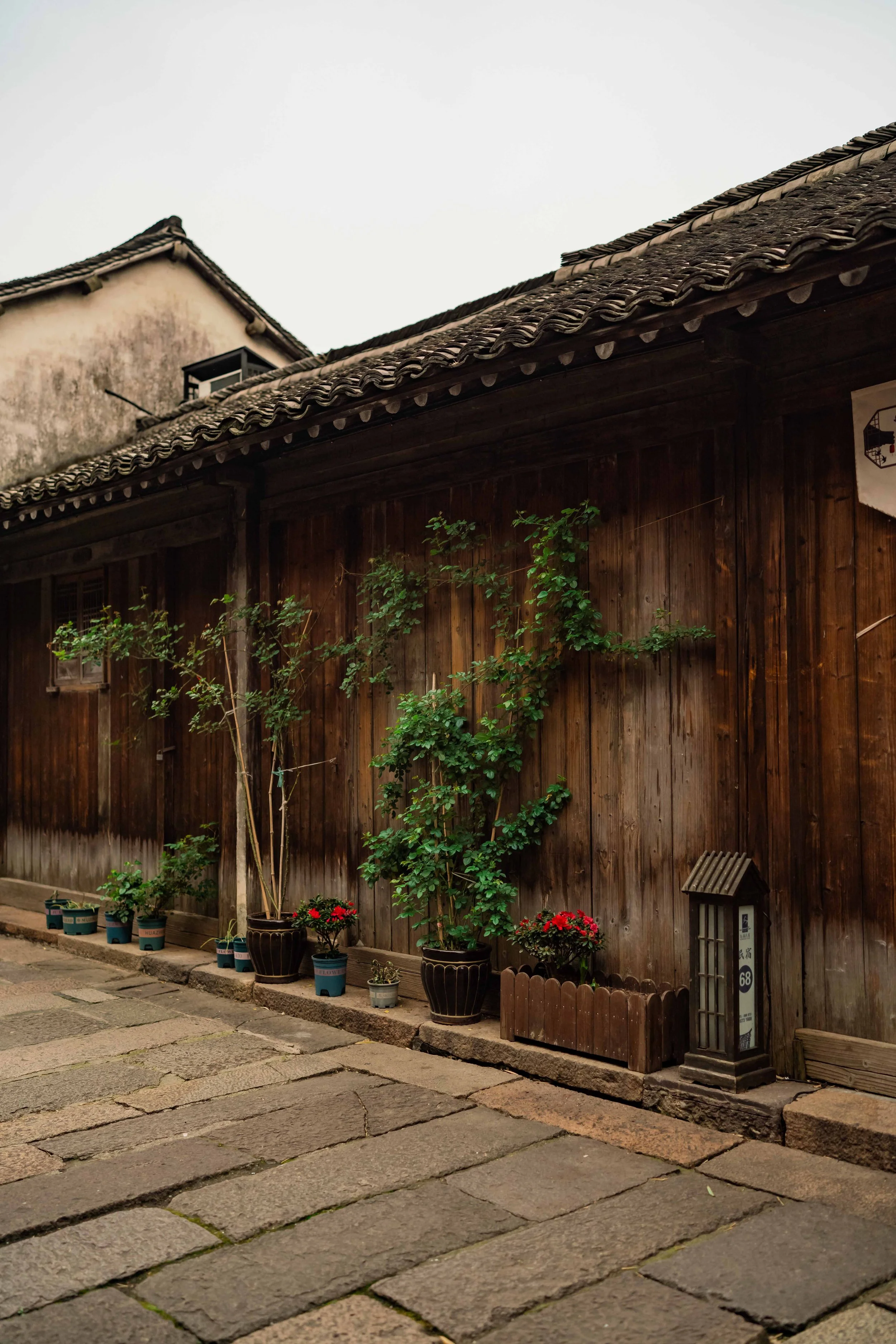
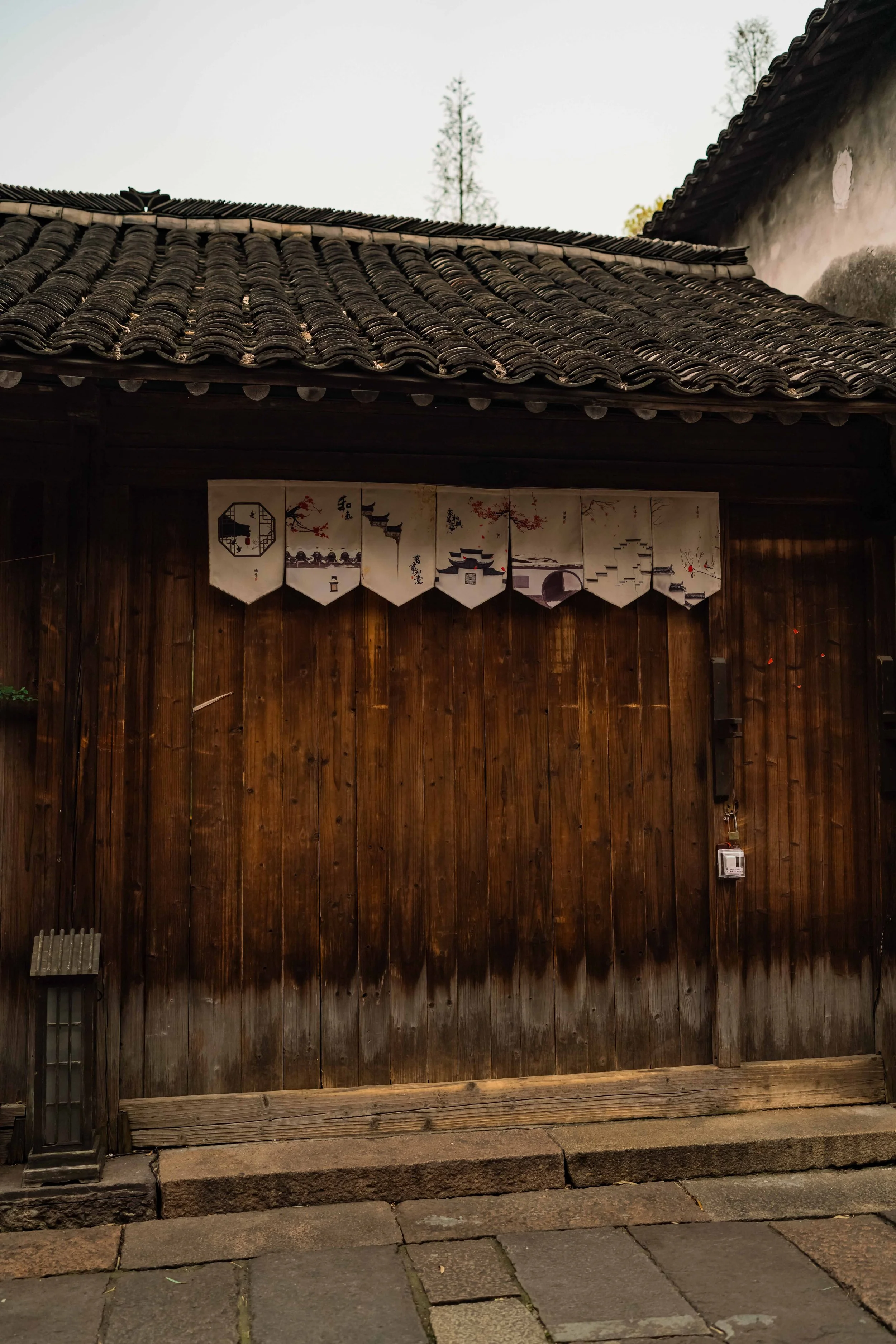
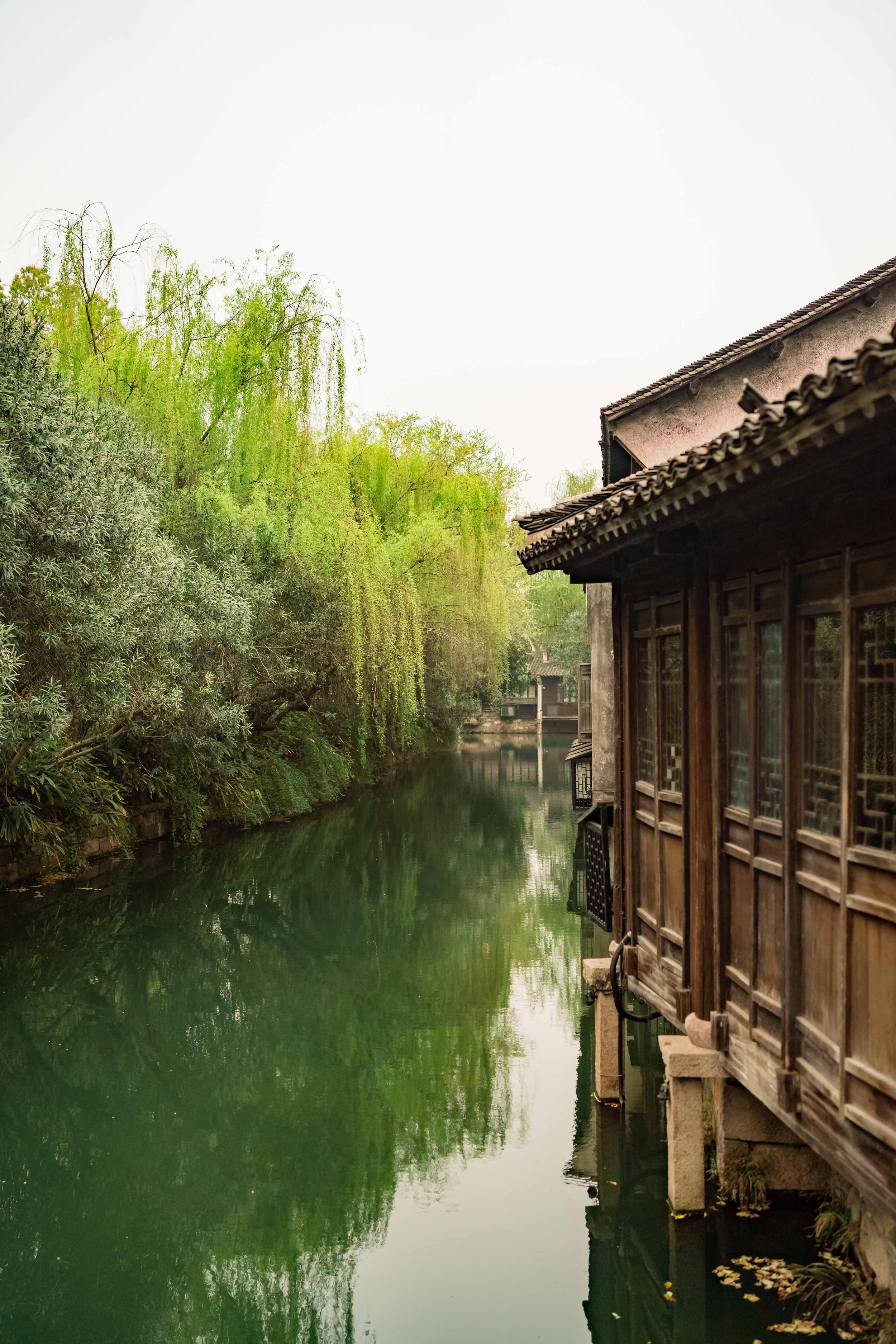
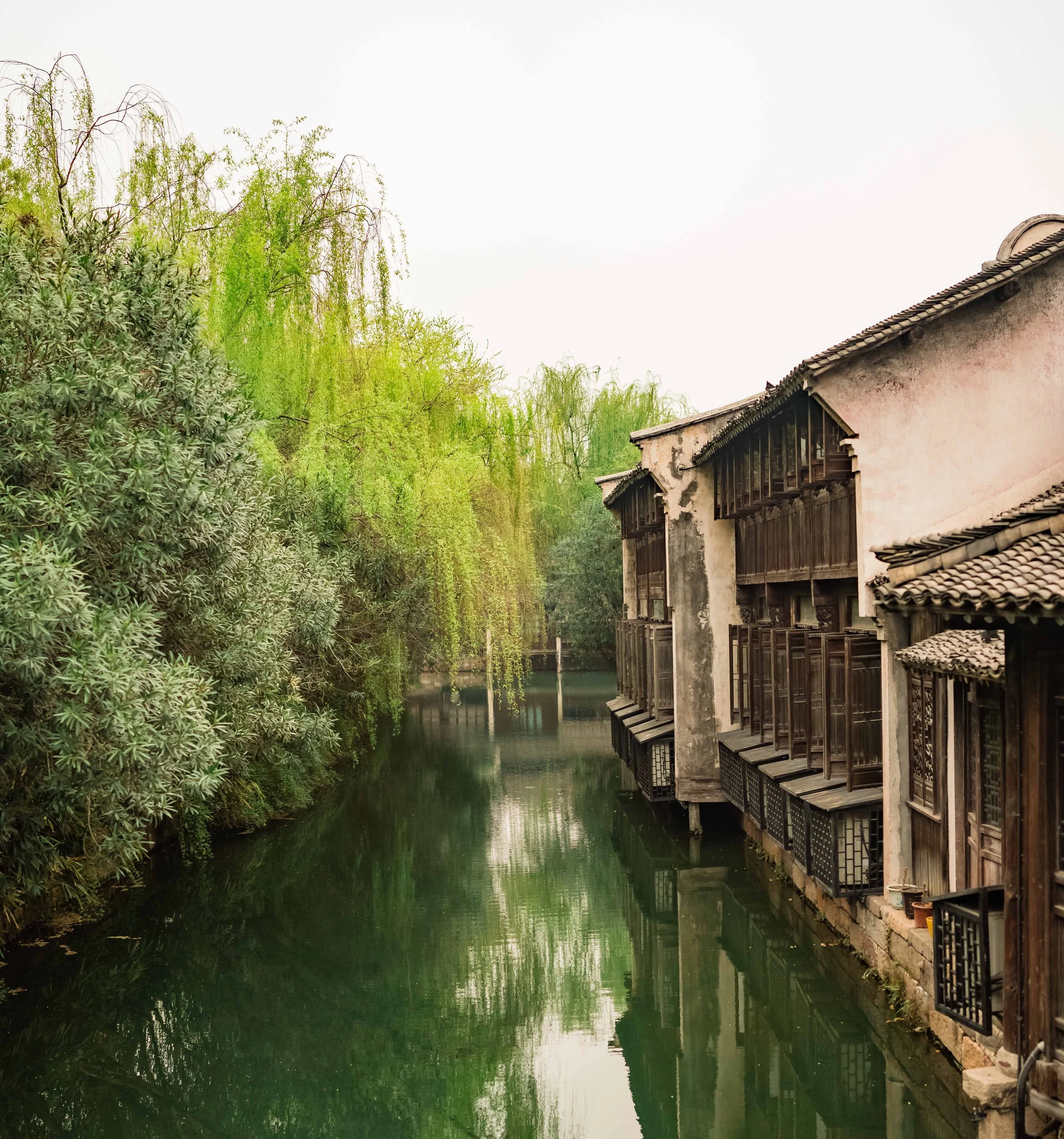
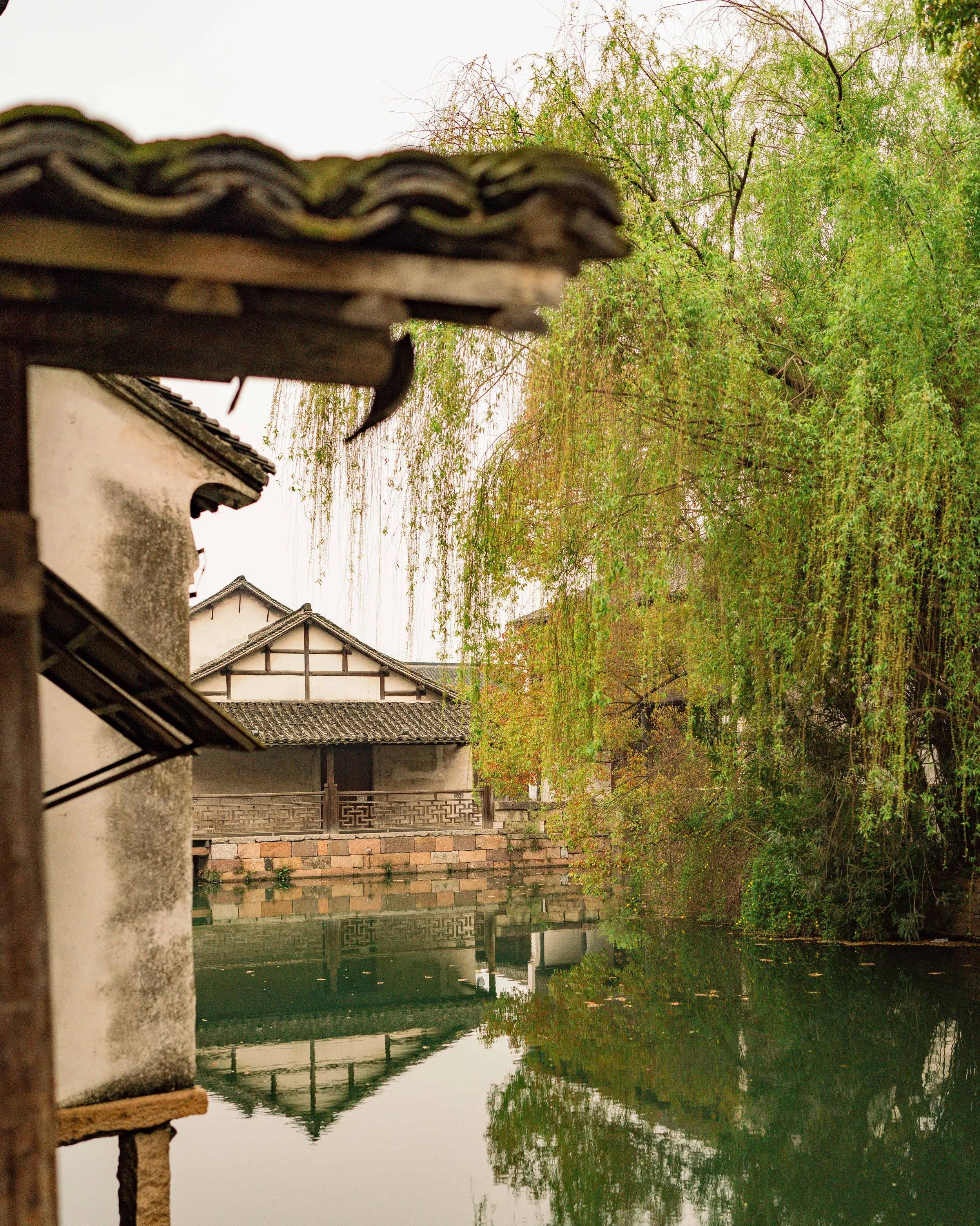
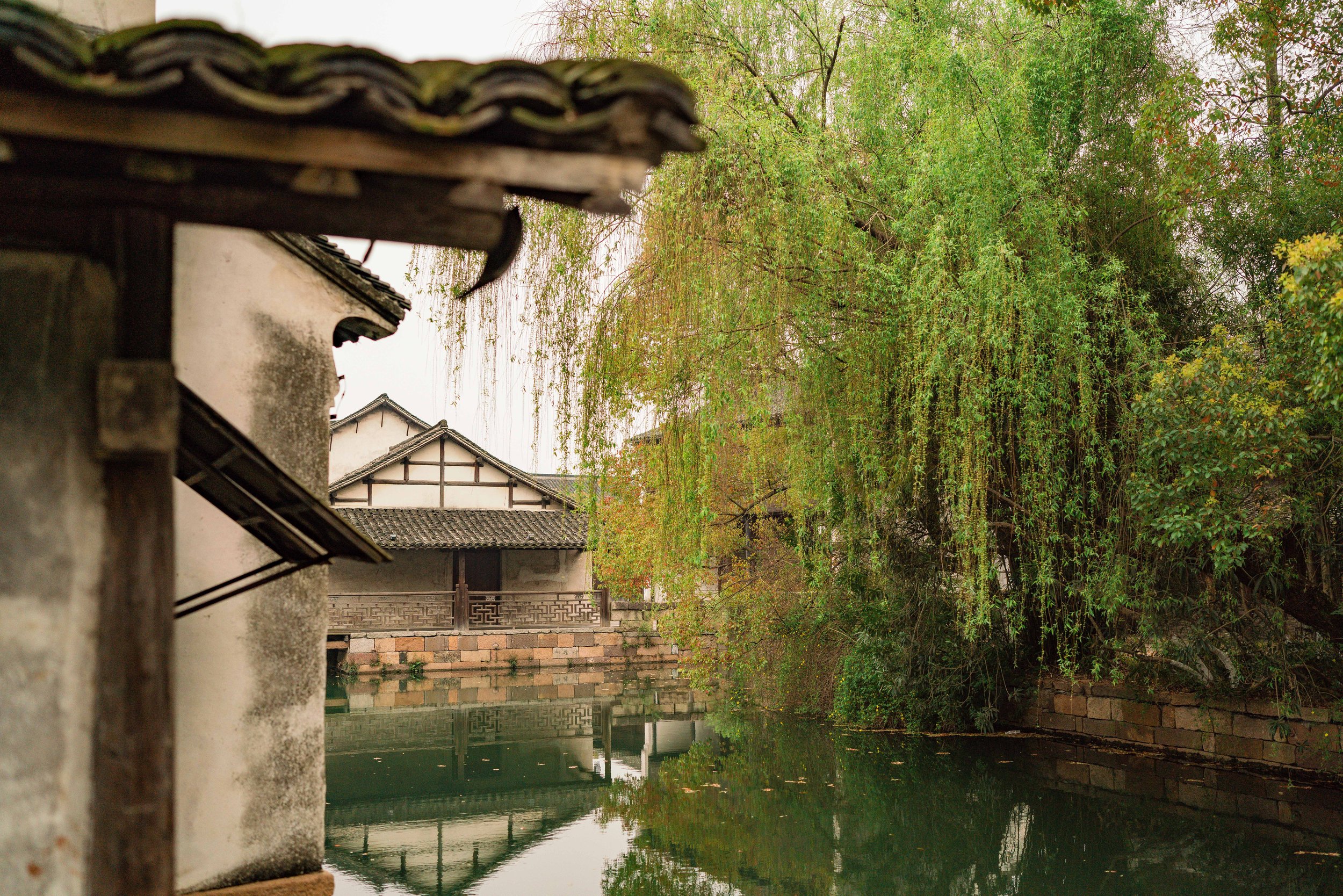
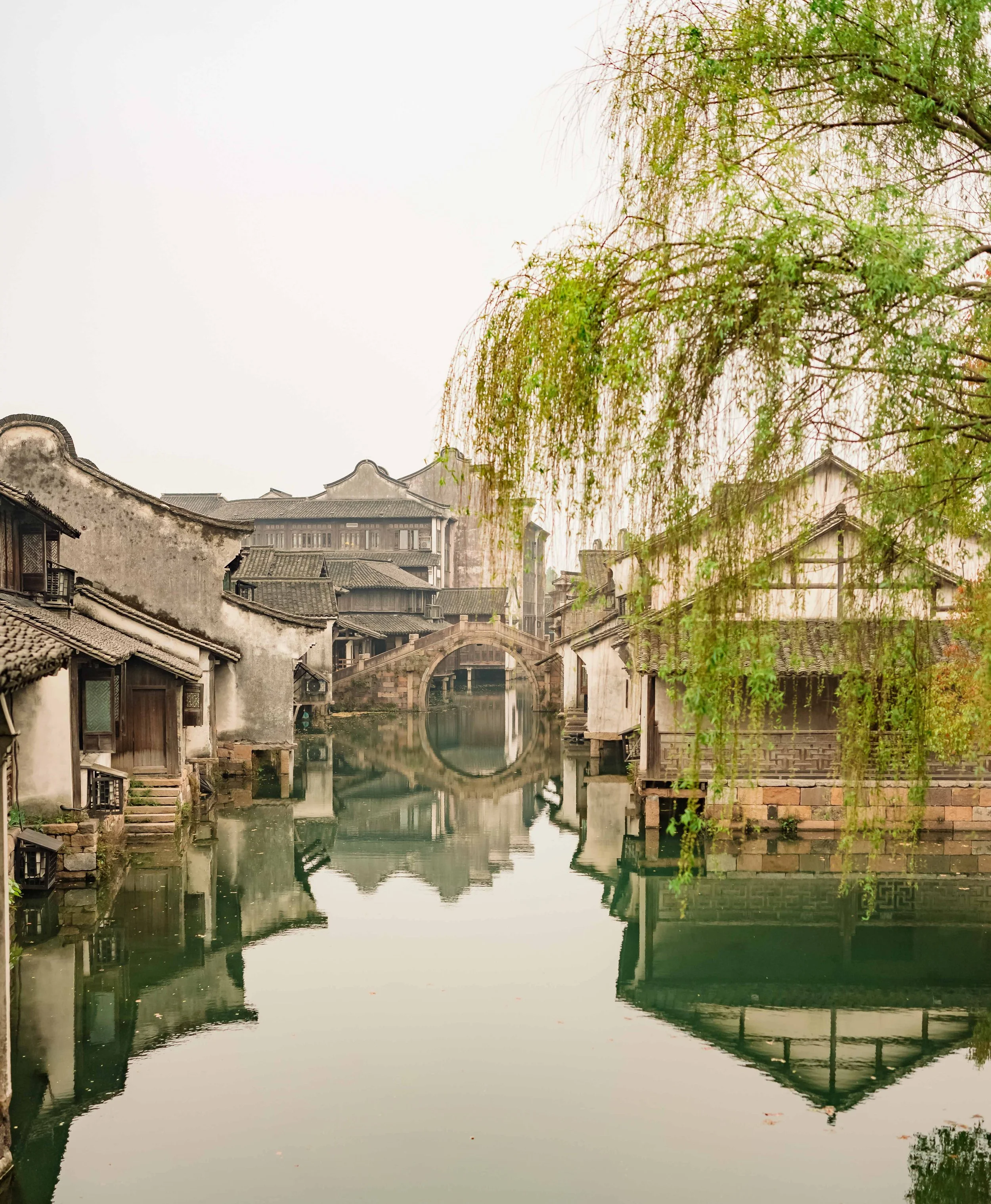
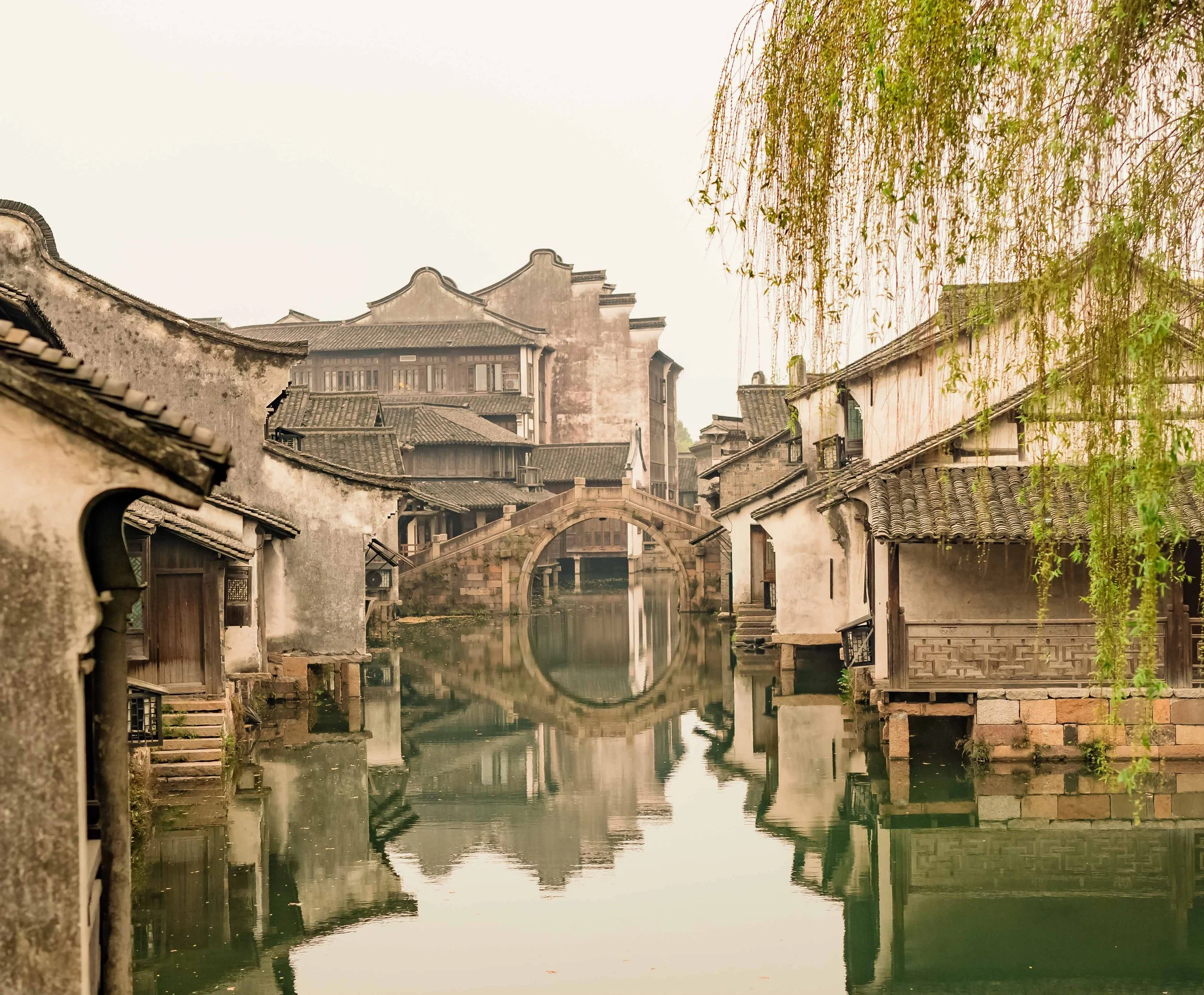
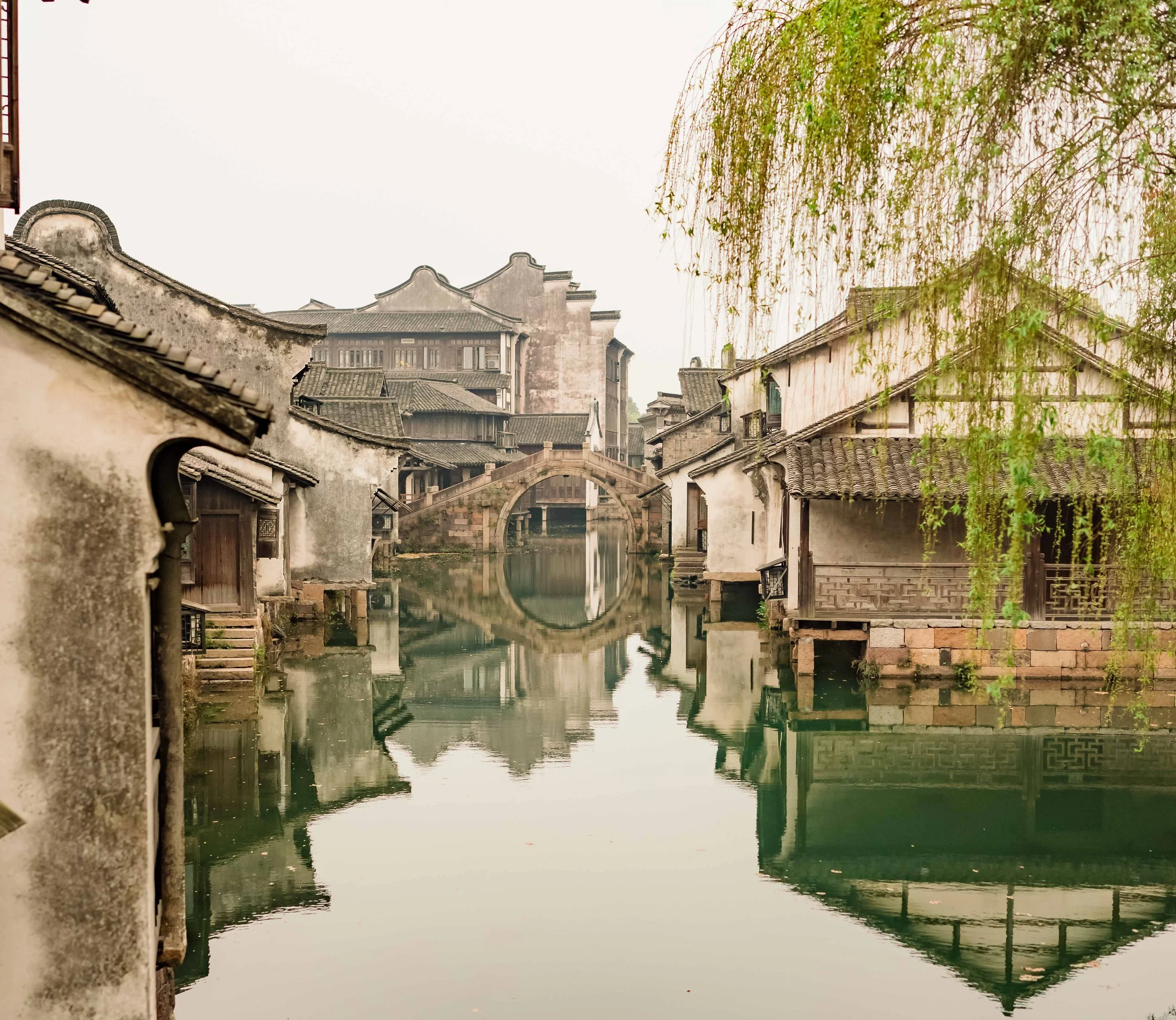
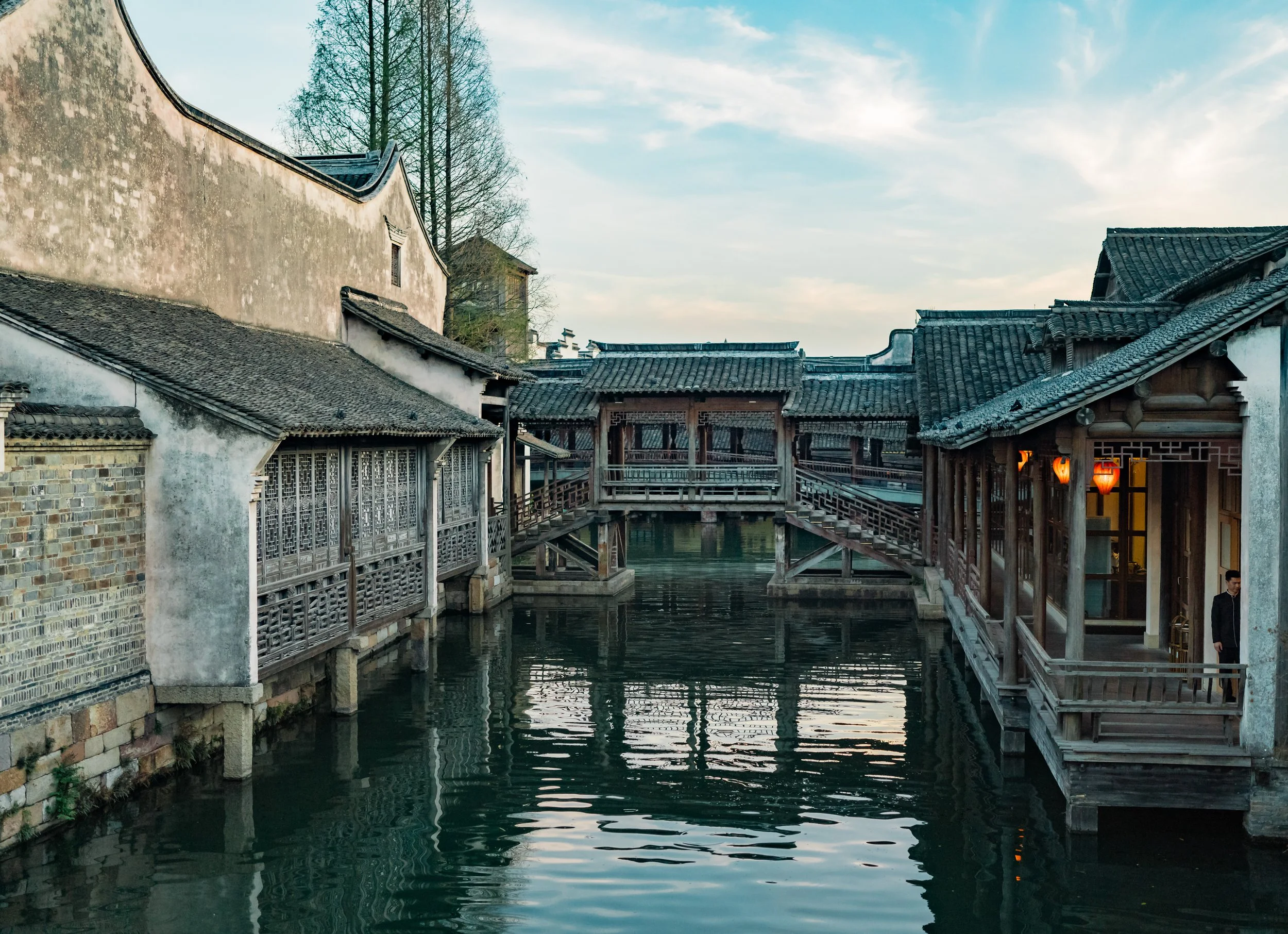
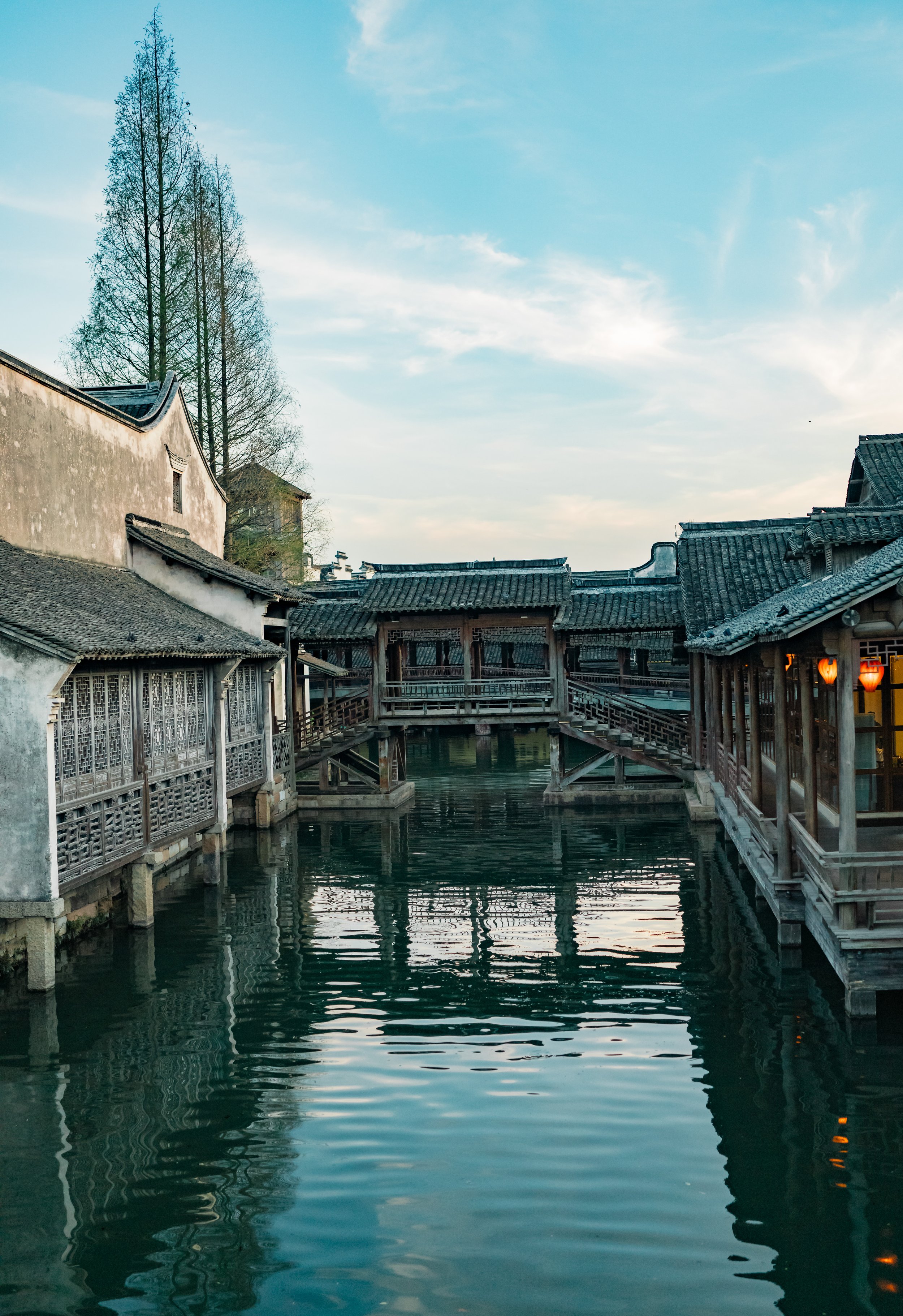
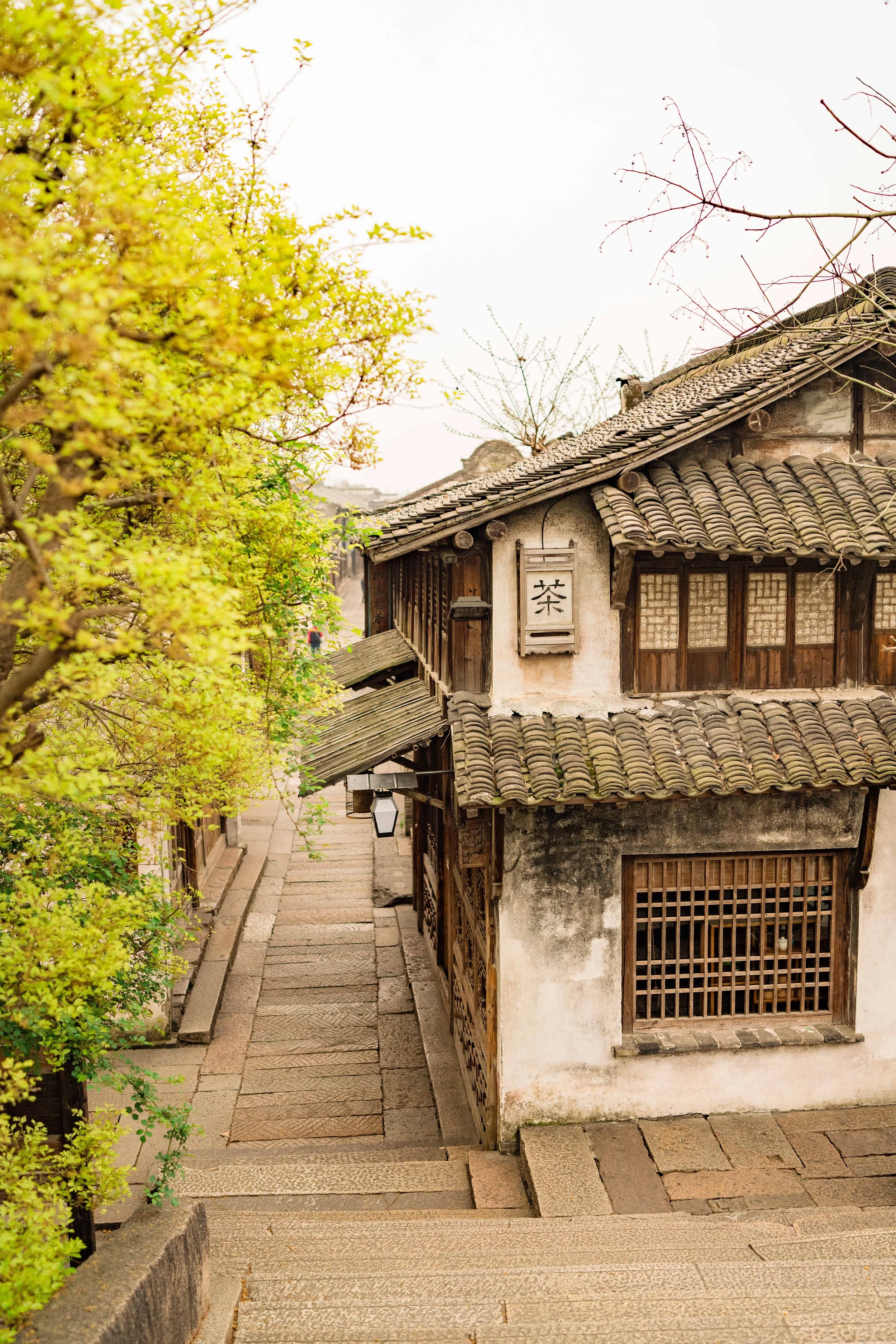
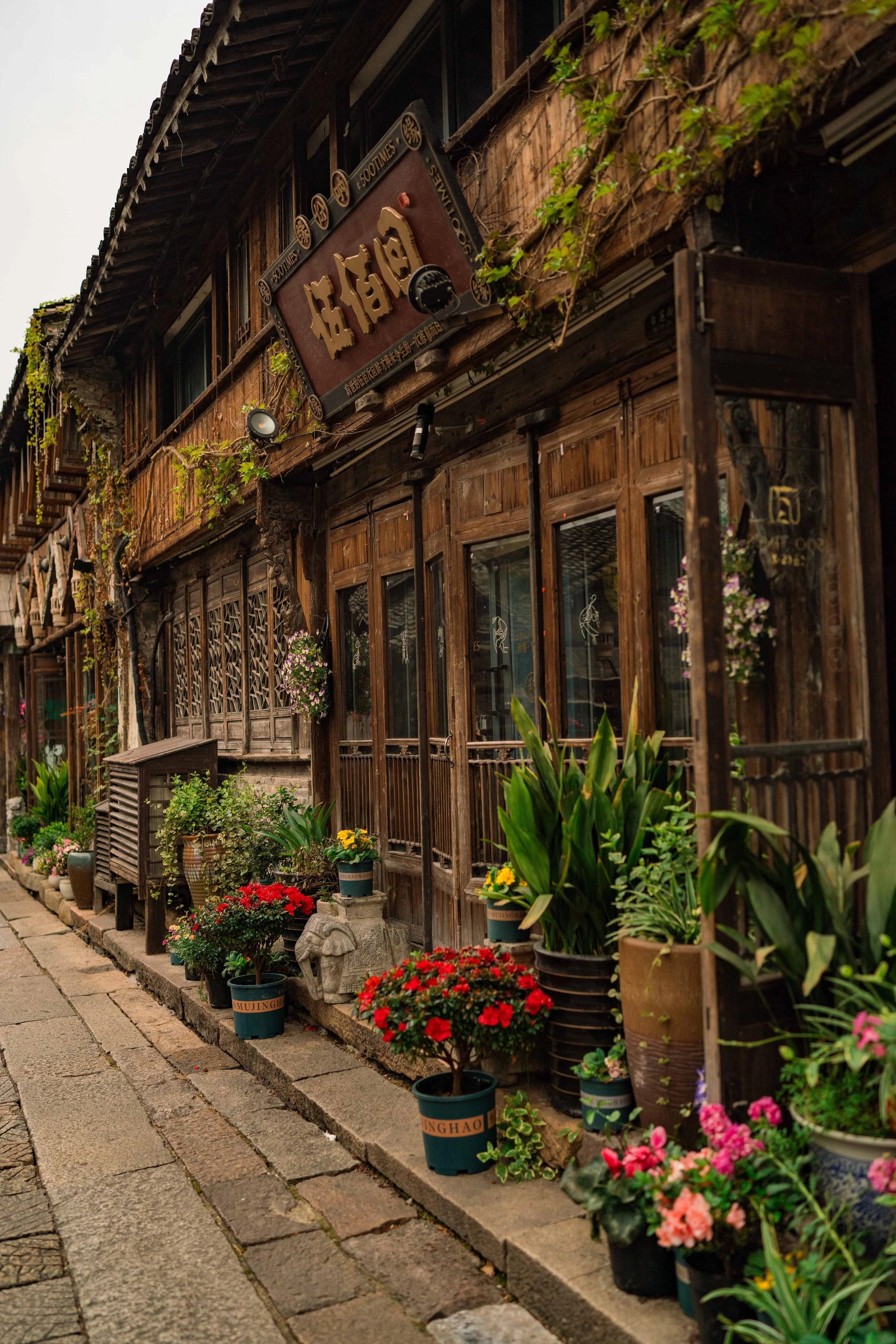
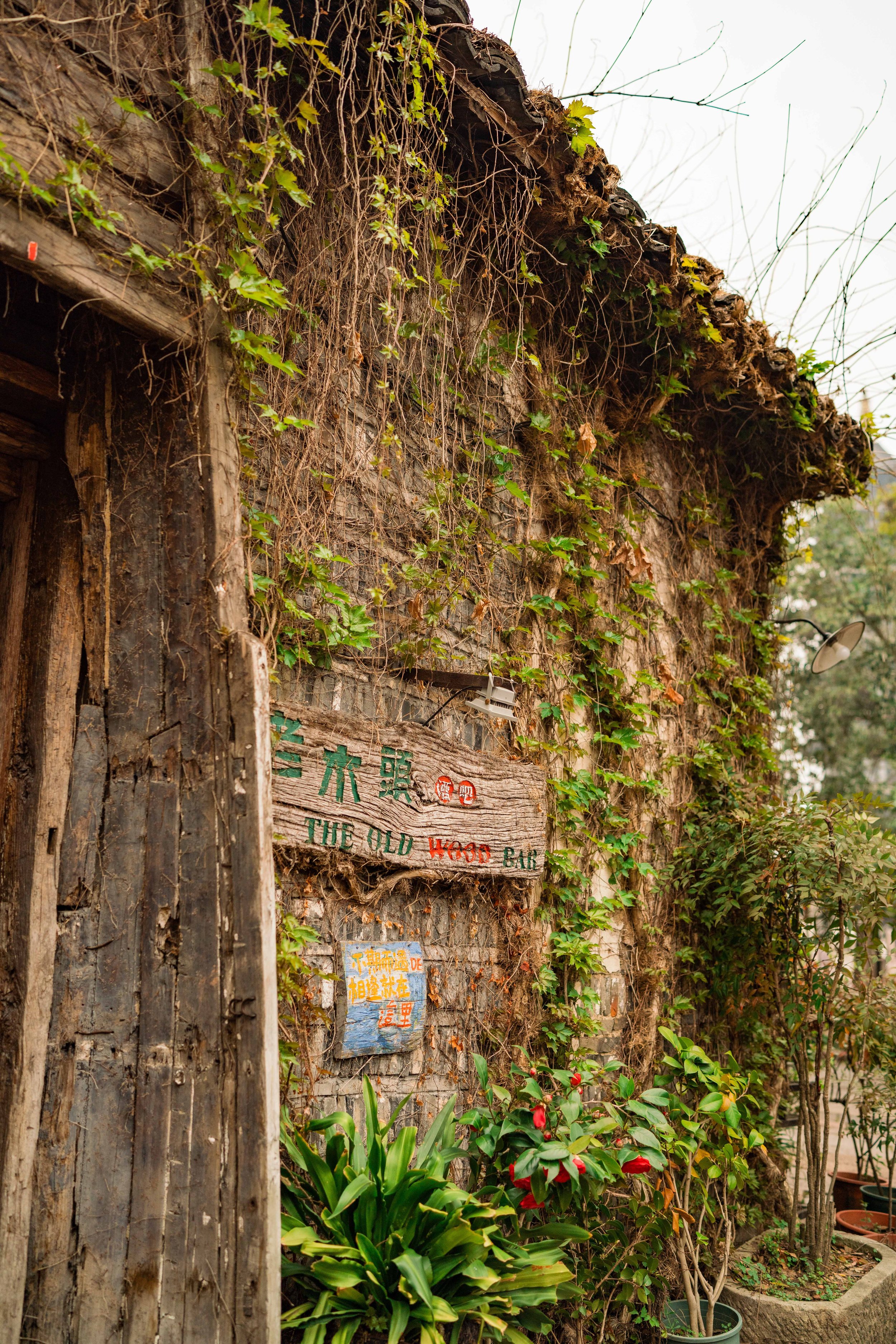
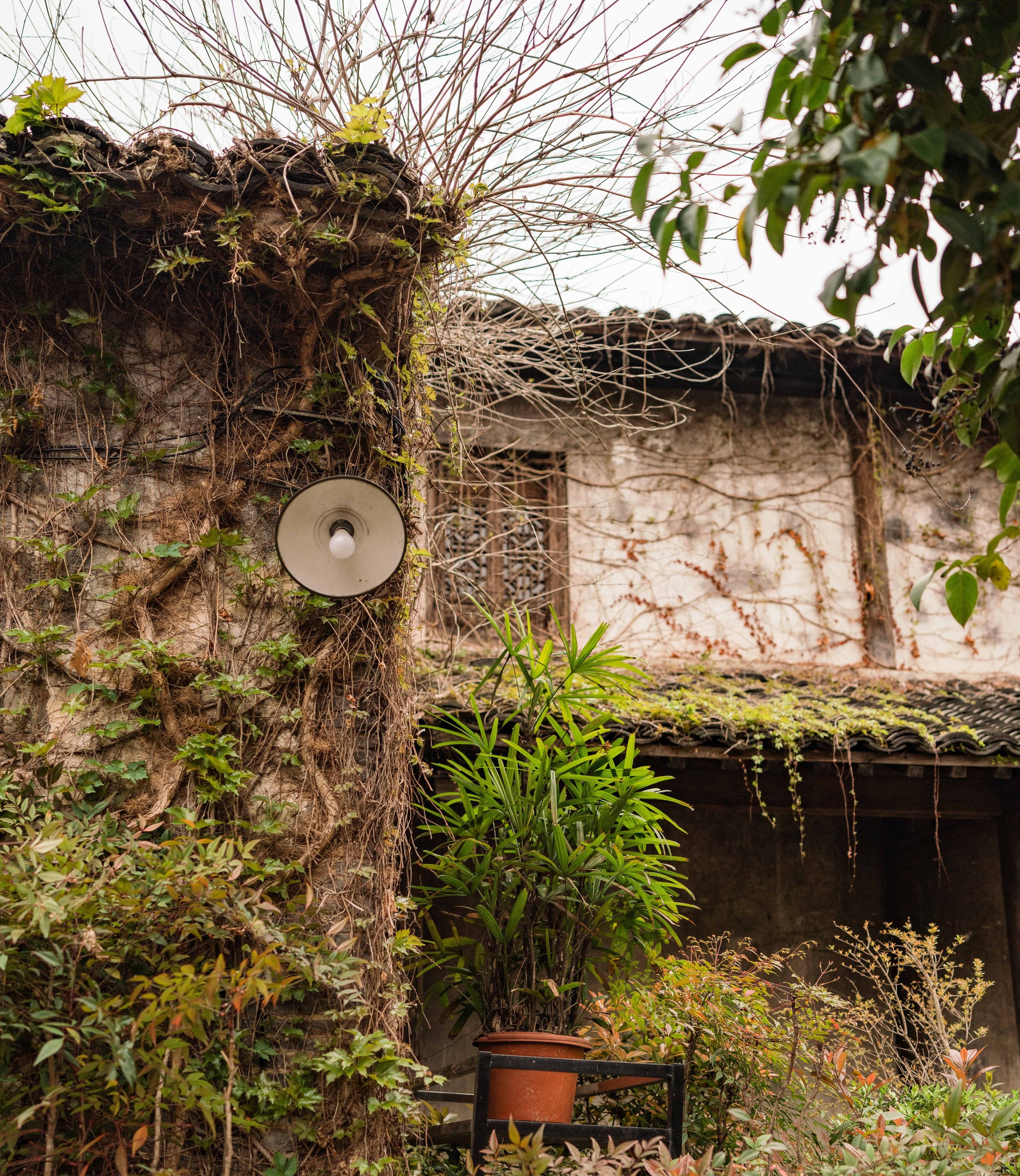
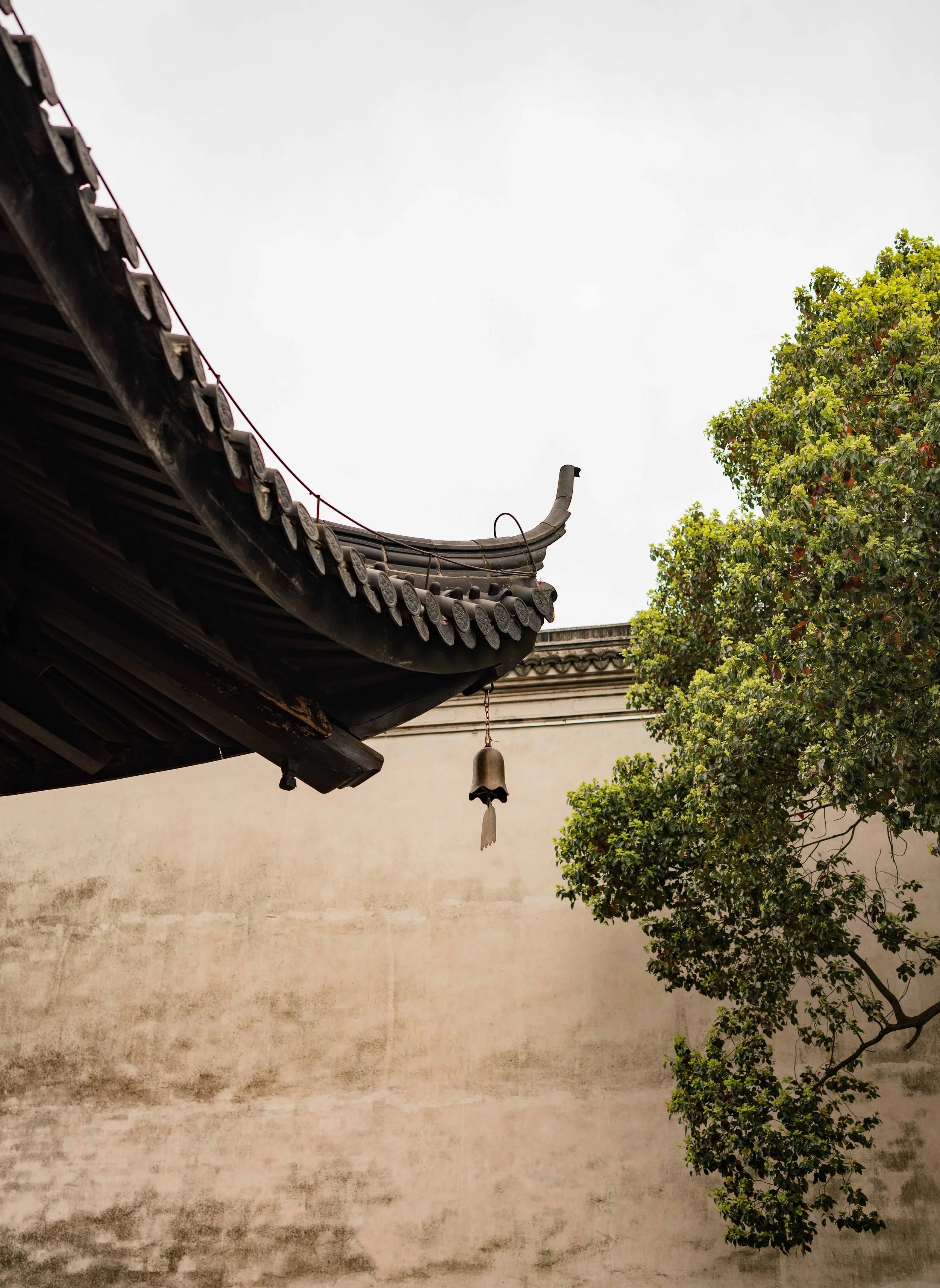
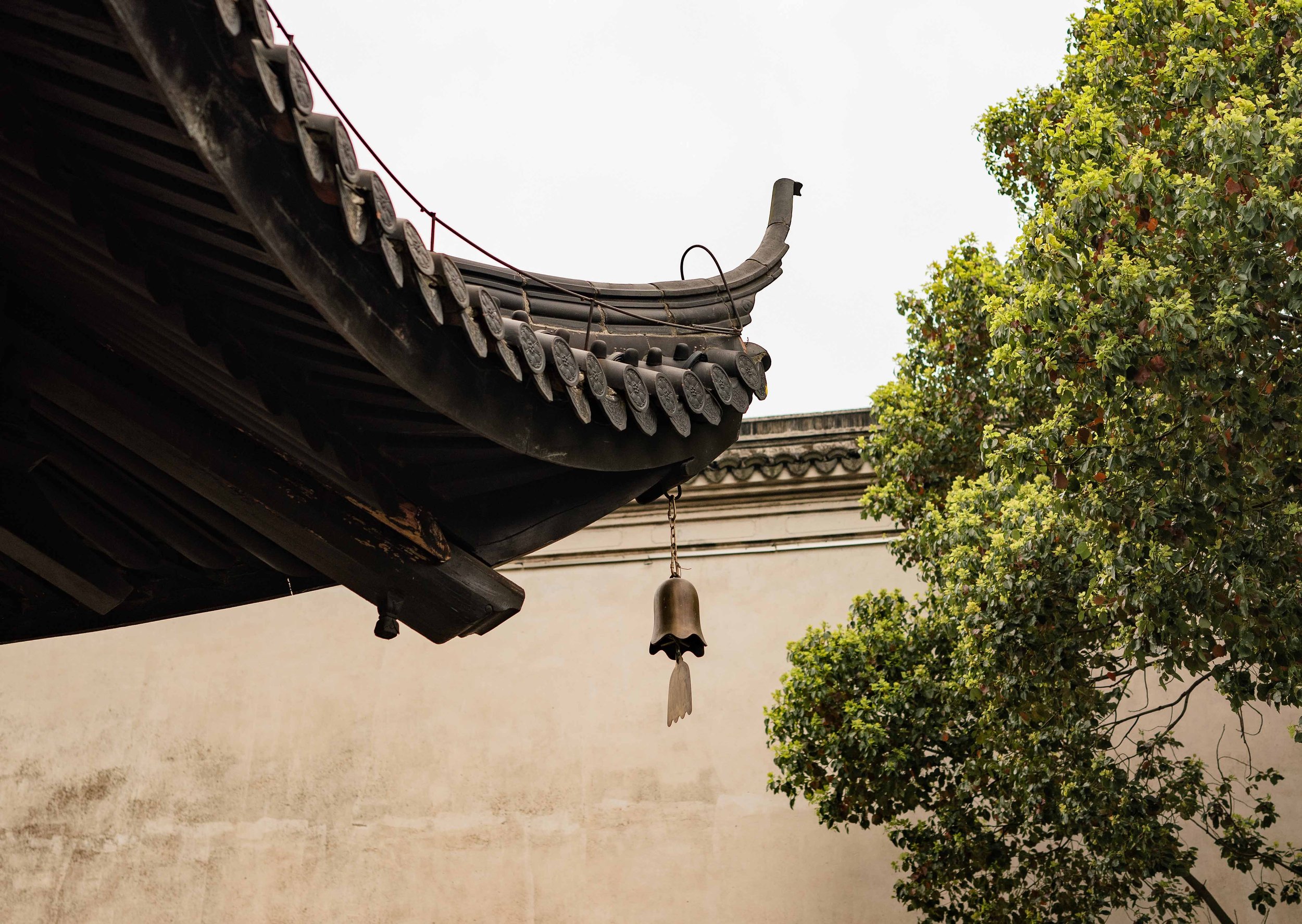
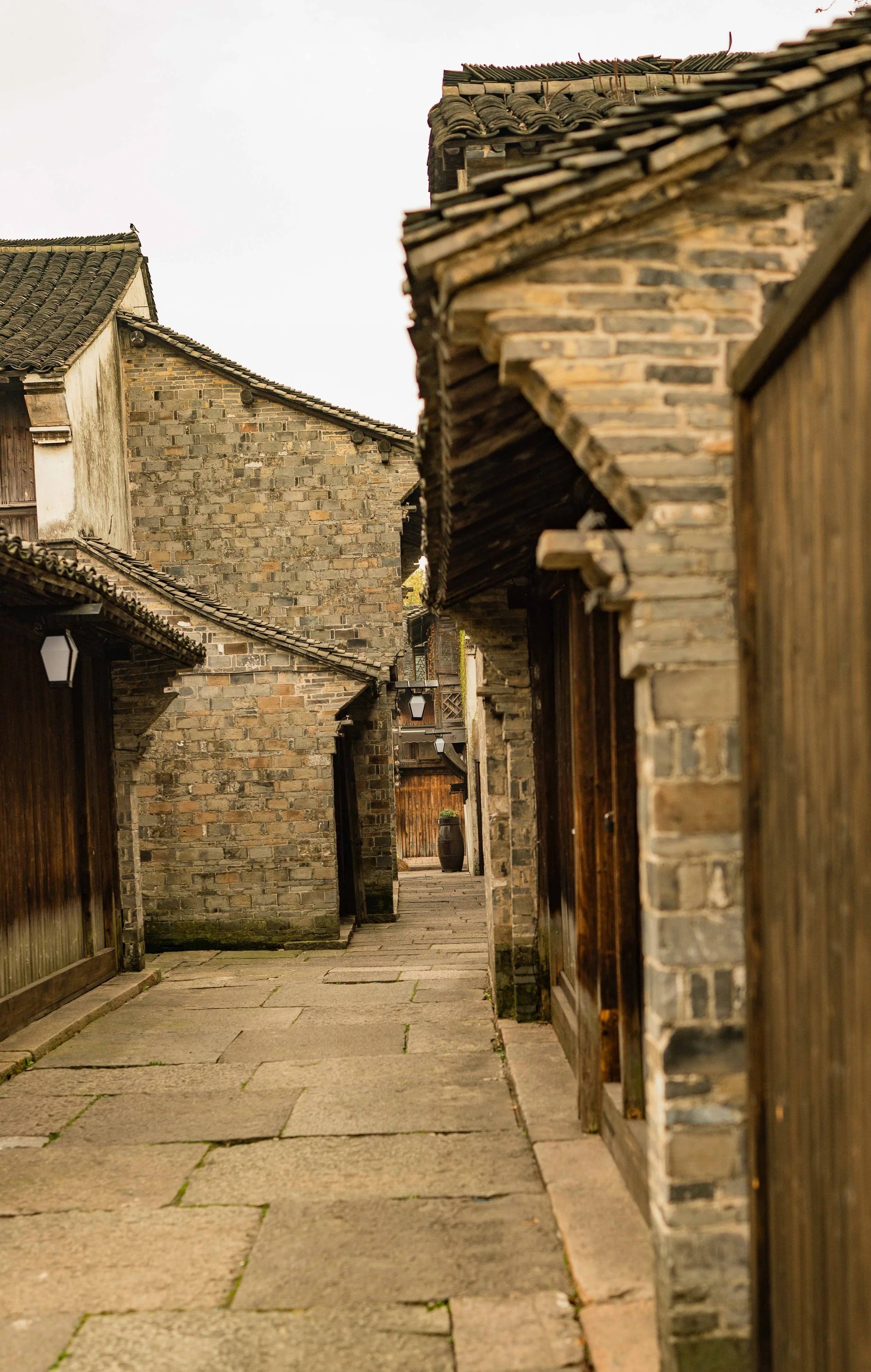
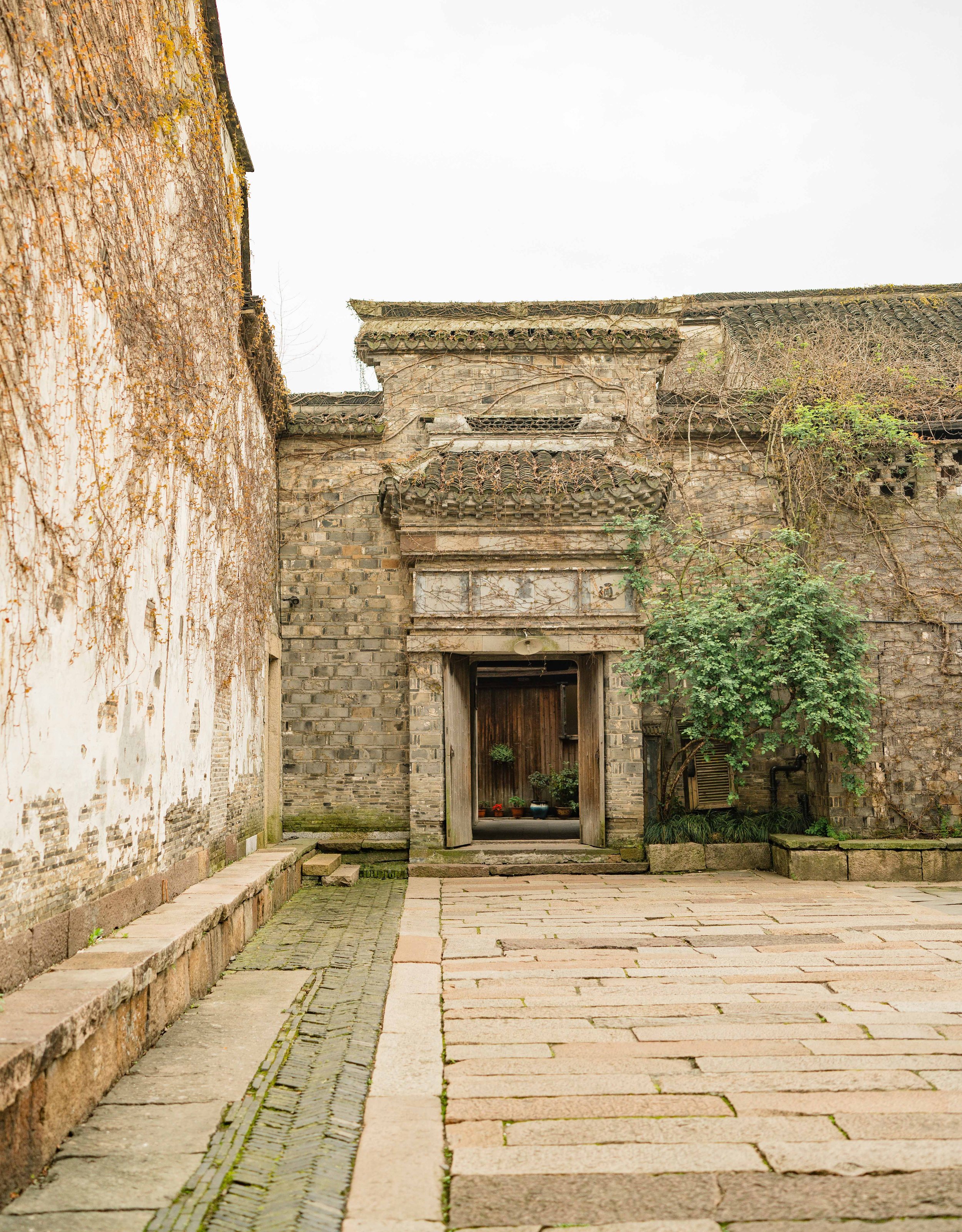
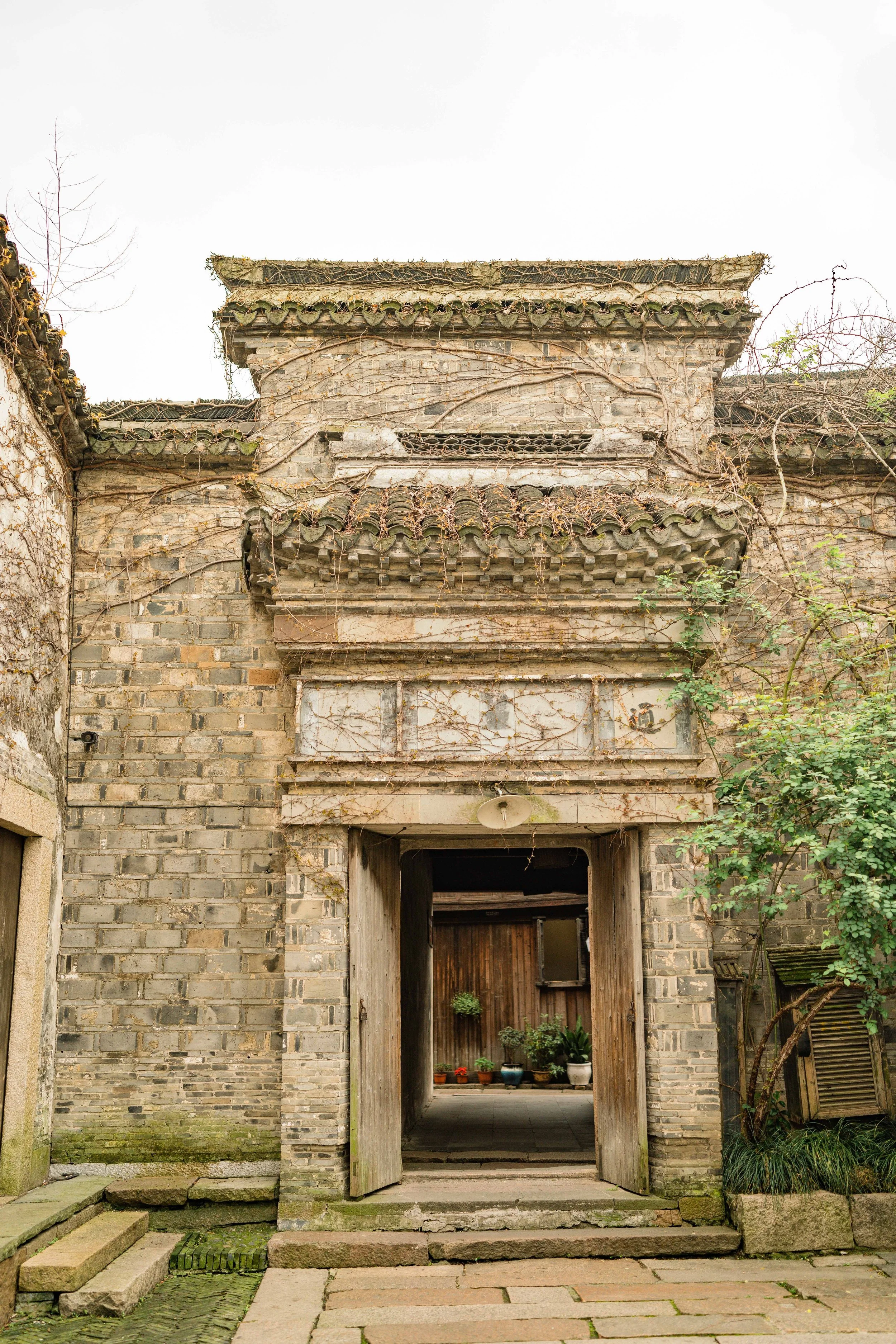
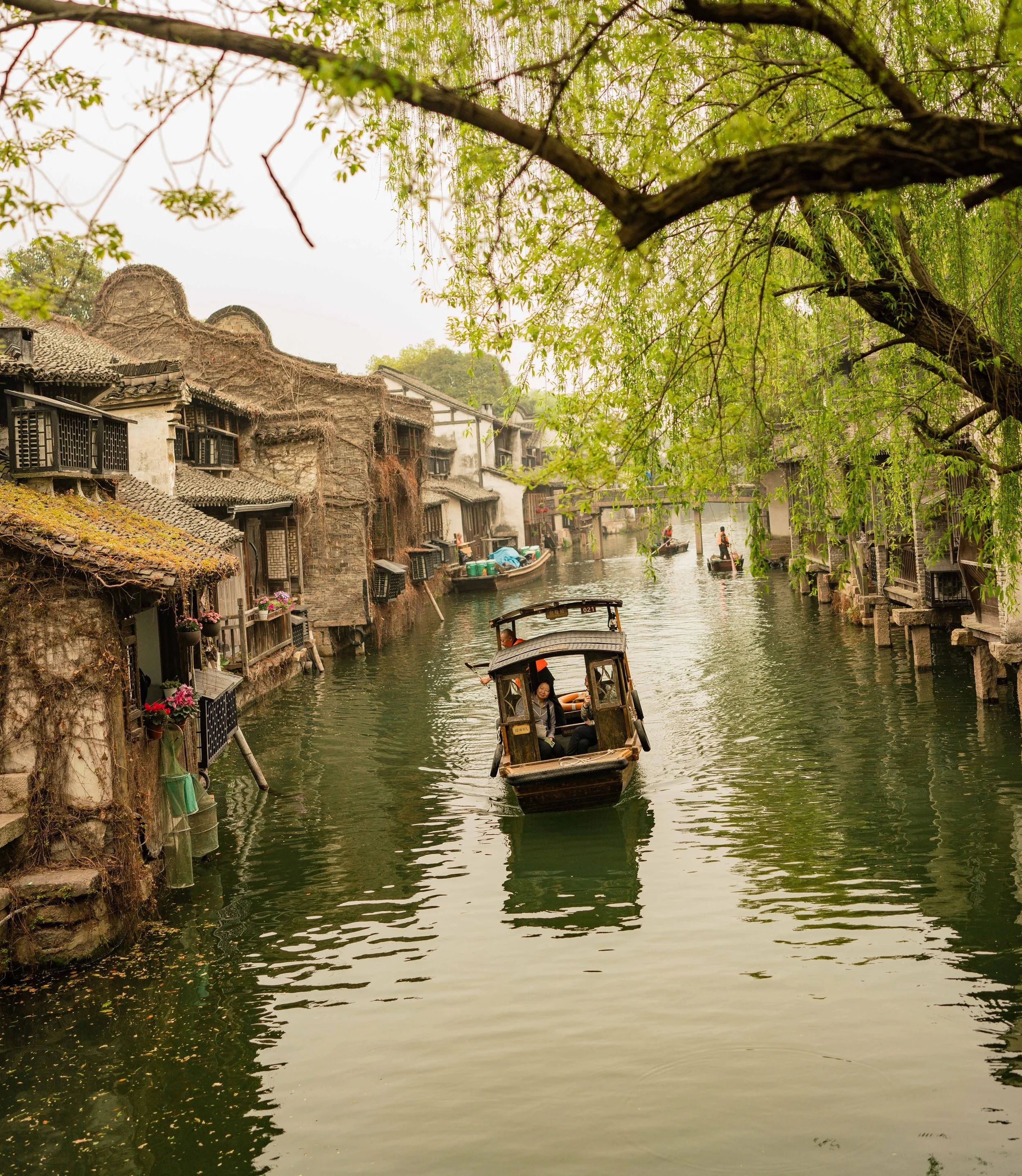
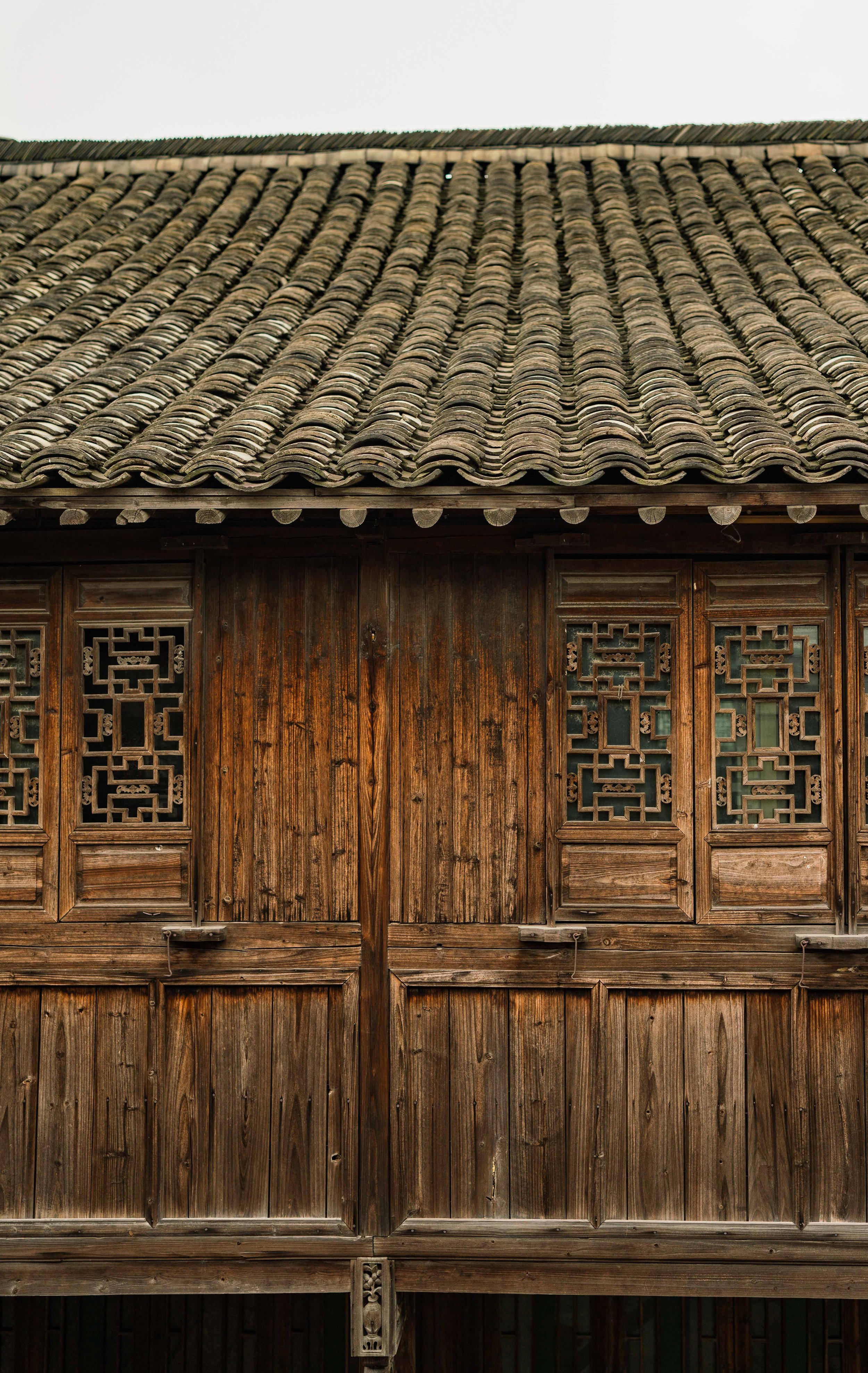
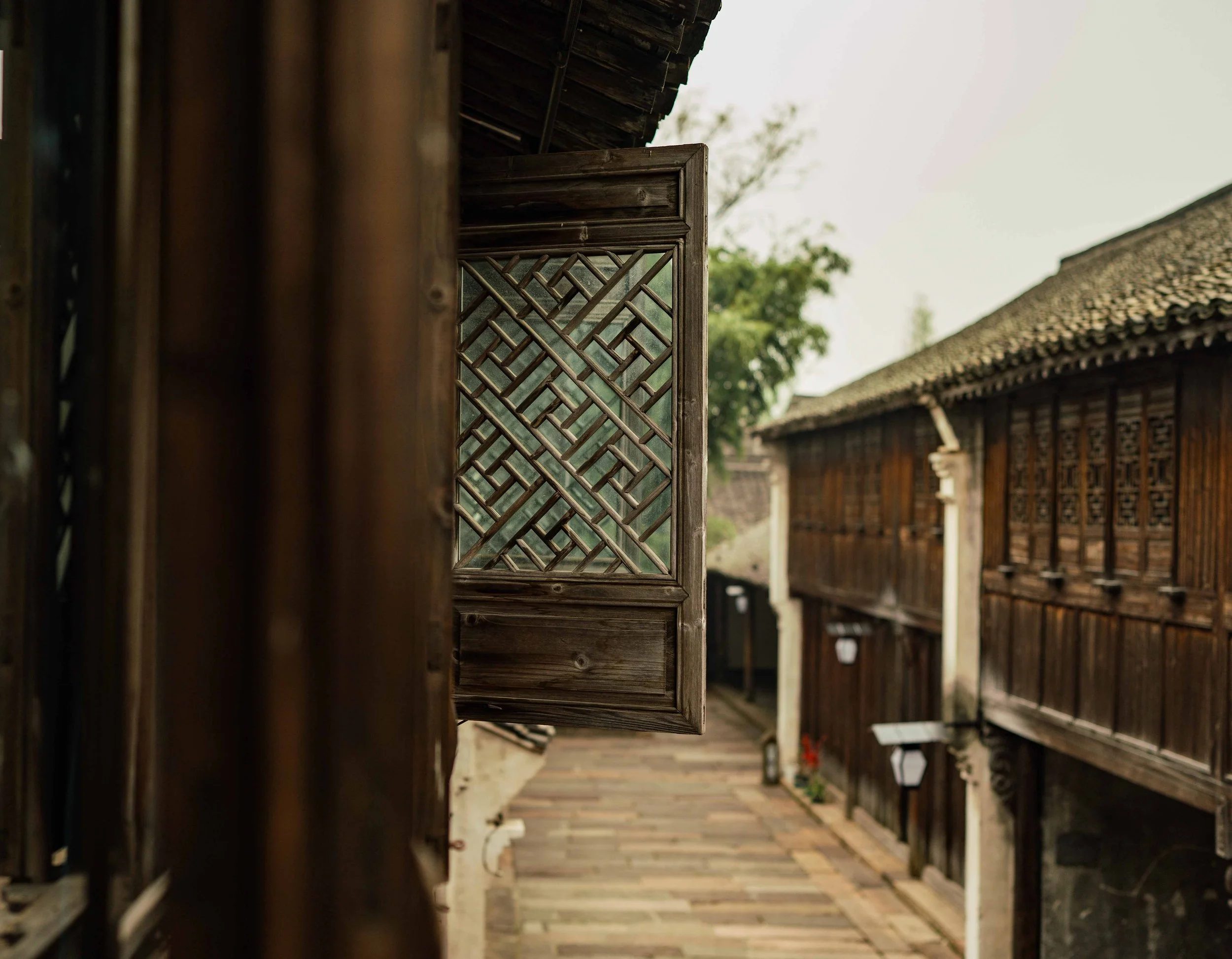
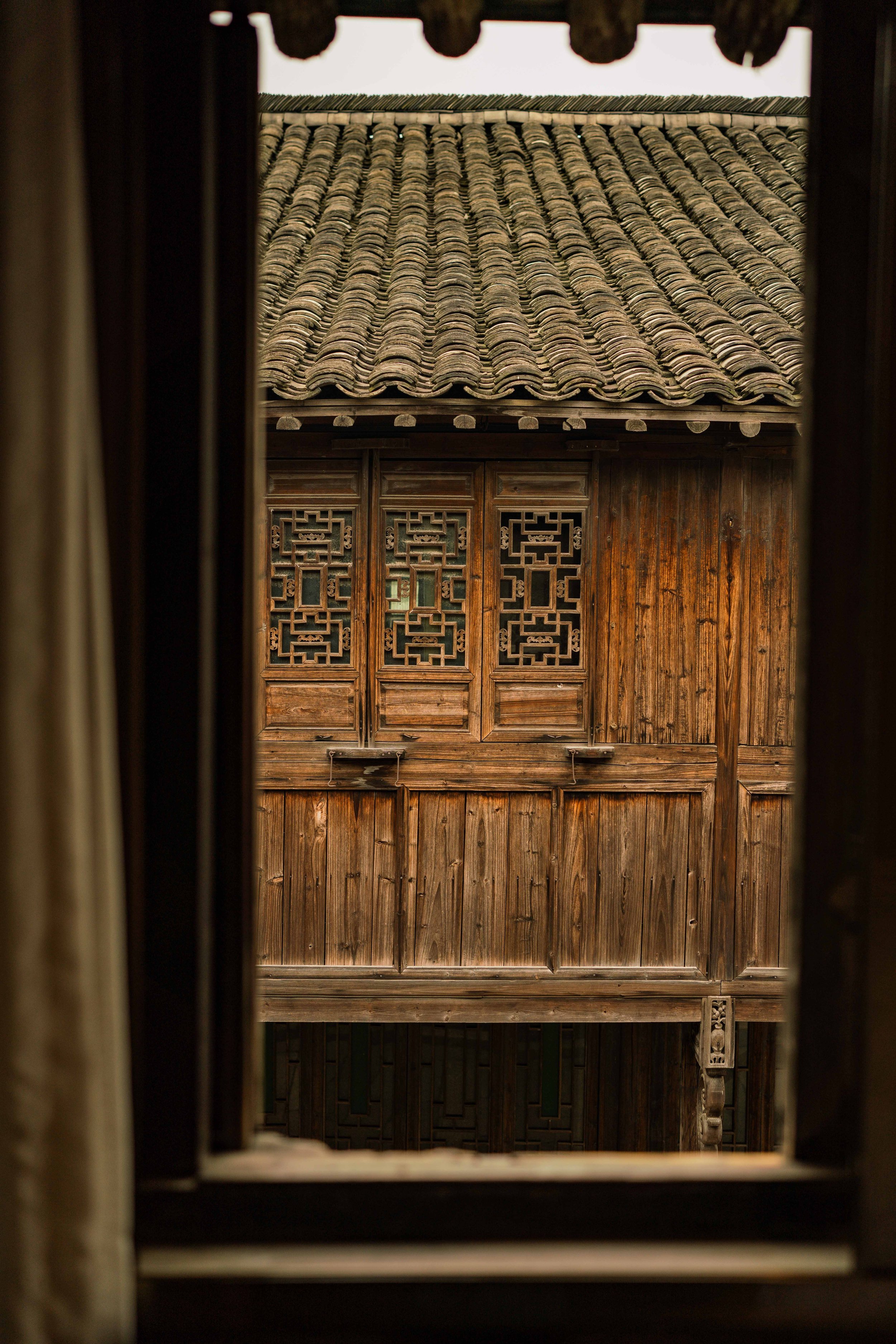
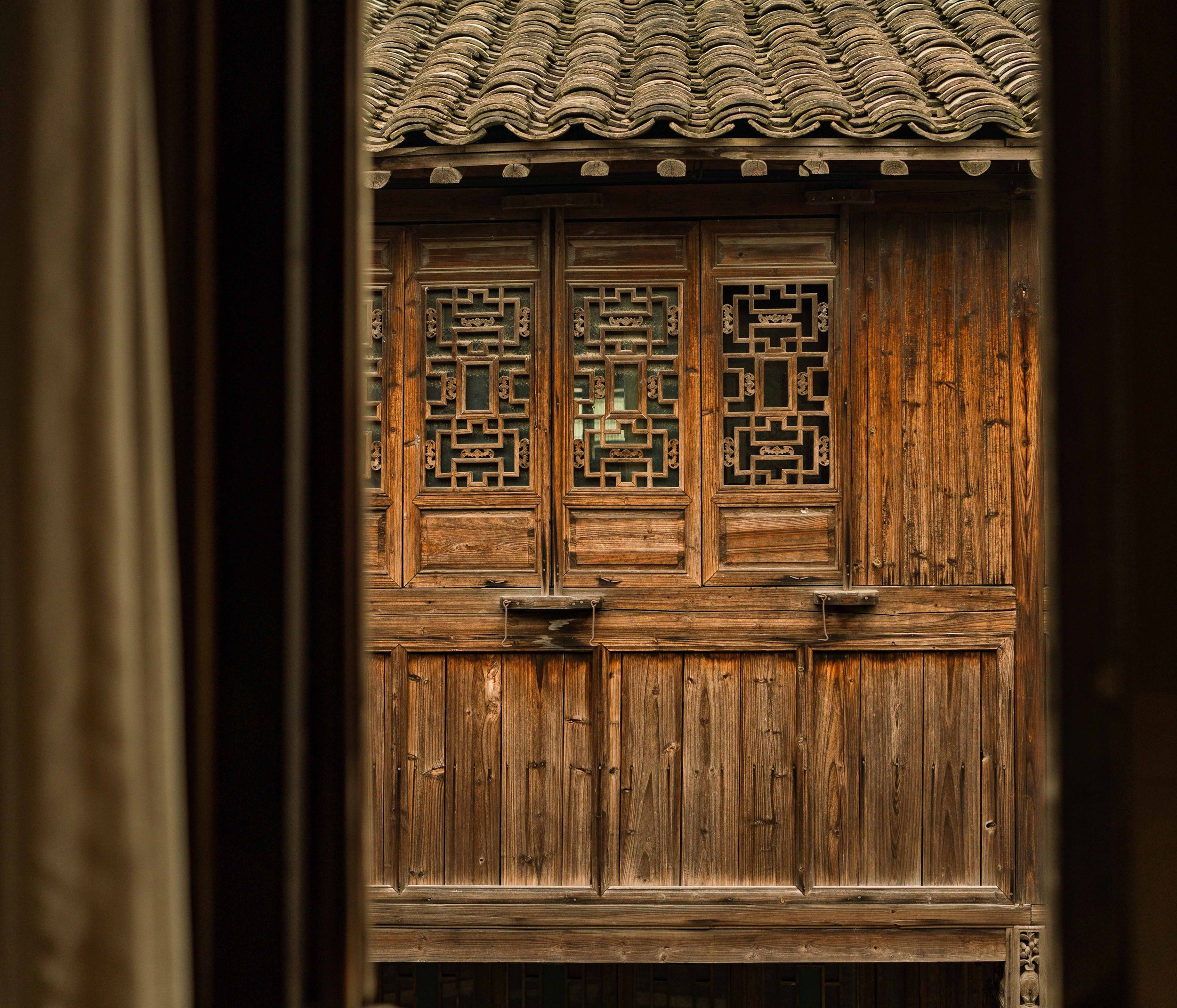
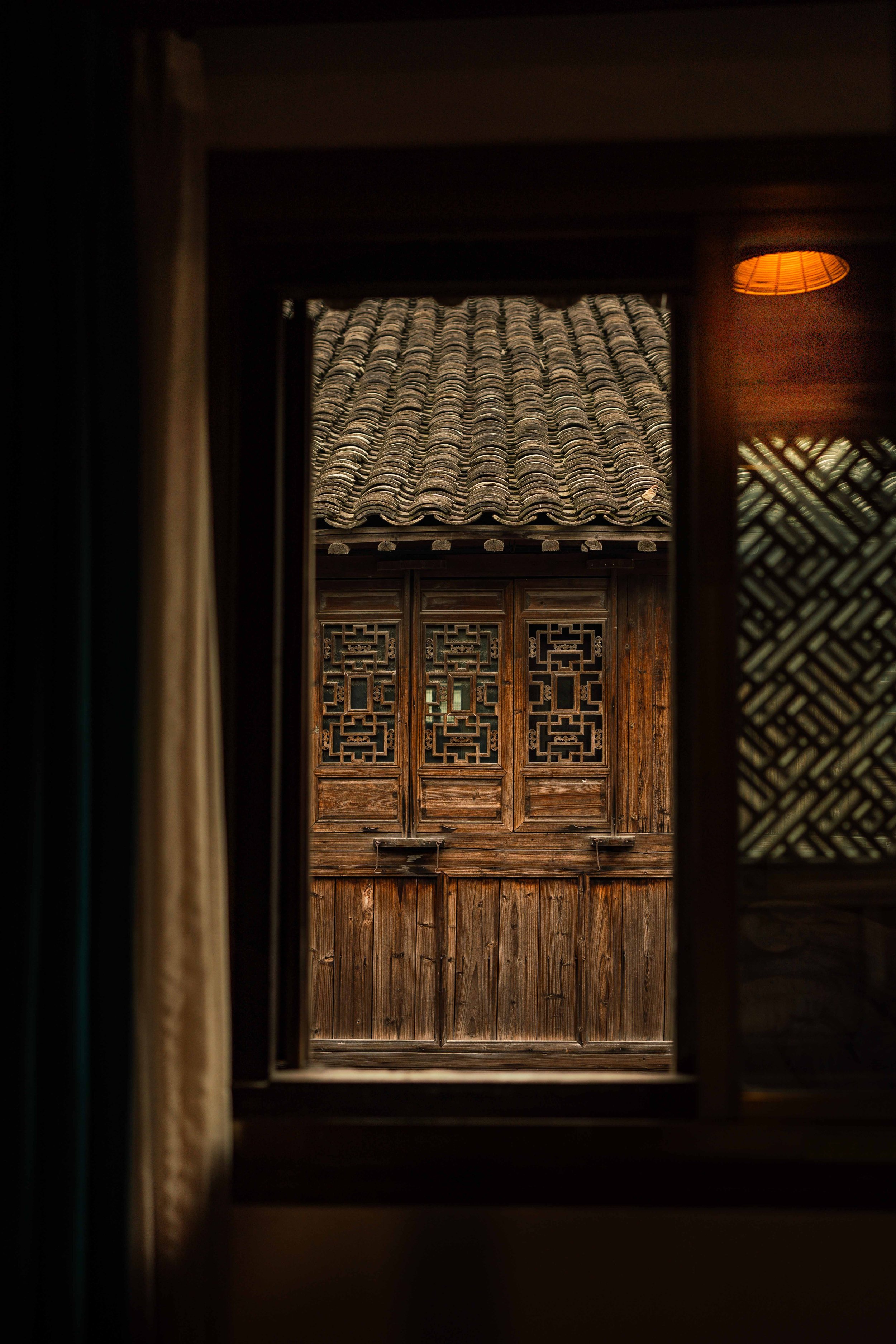
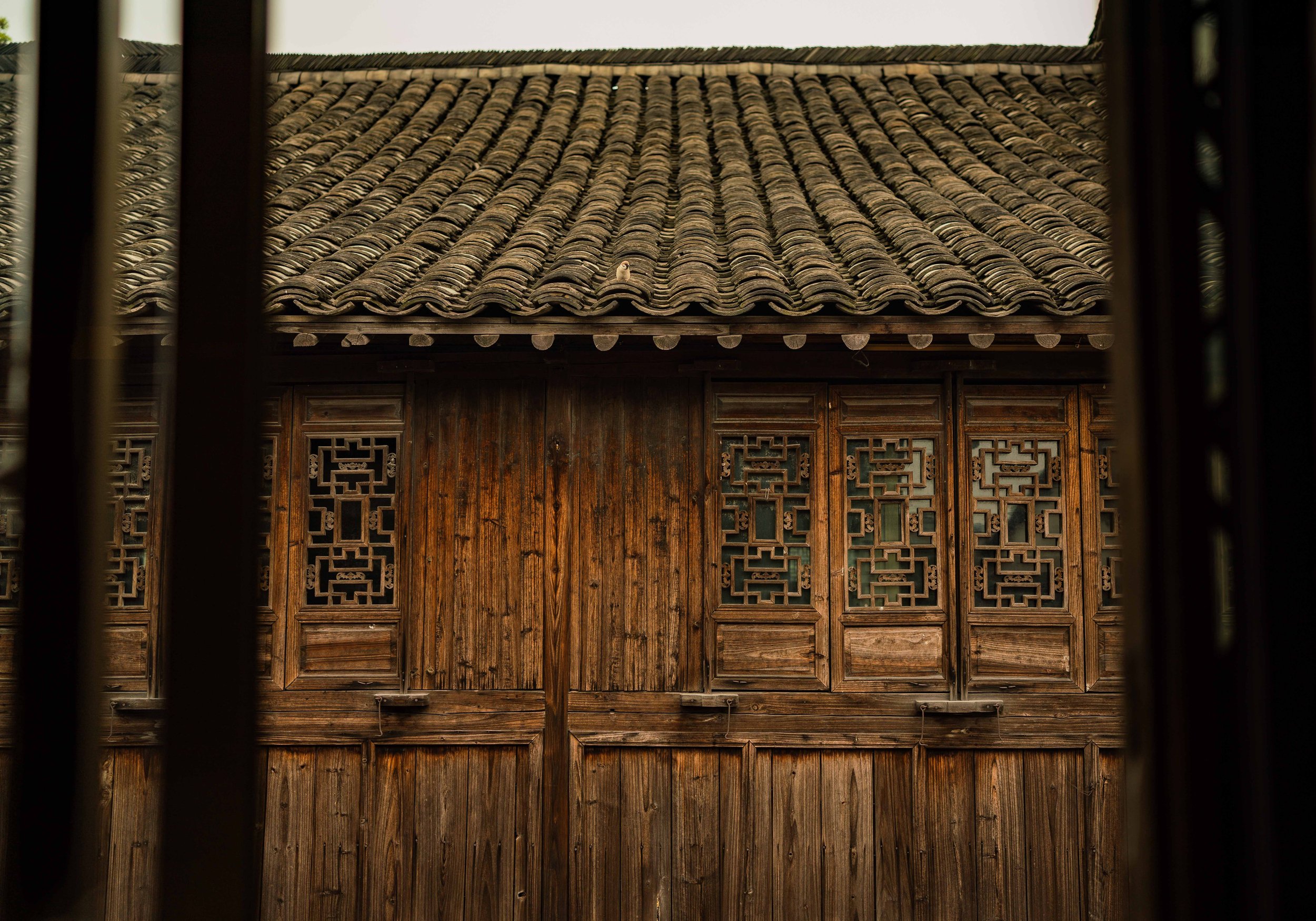
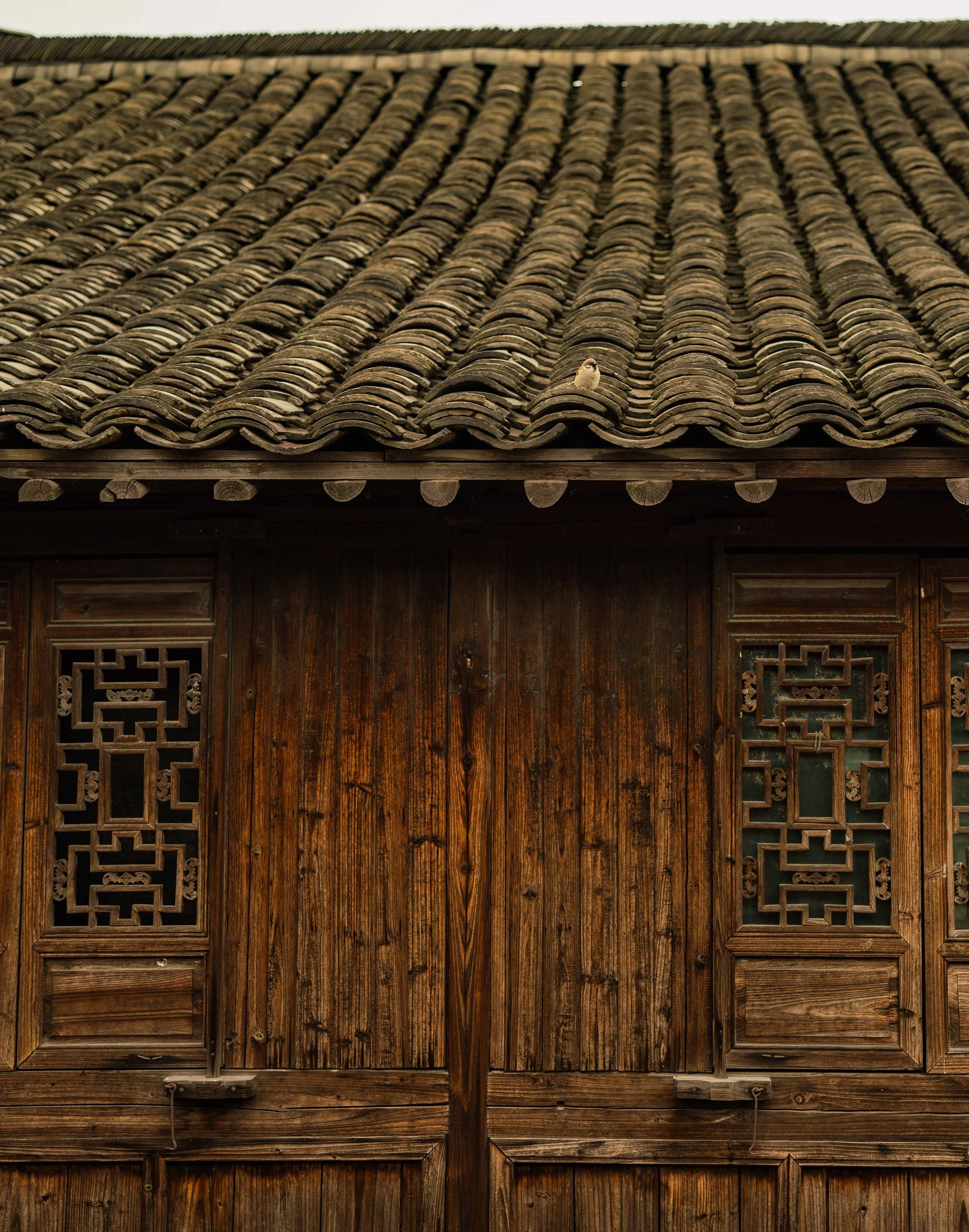
The name "Wuzhen" (乌镇) draws from the character "Wu 乌," meaning black—a nod to the town's tiled roofs, wooden doors, and boats that have deepened in hue over the centuries, forging an unmistakable antique patina.
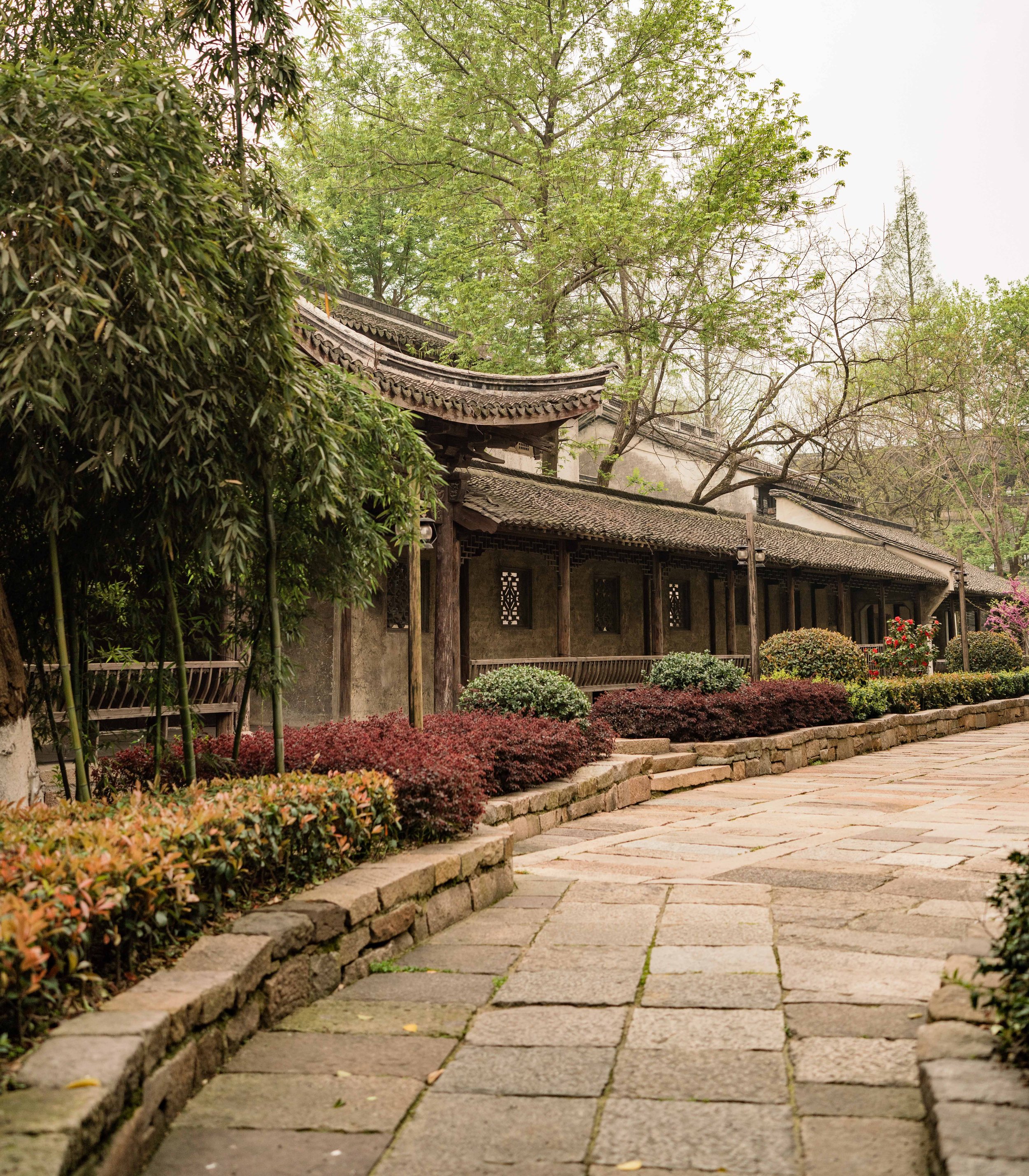
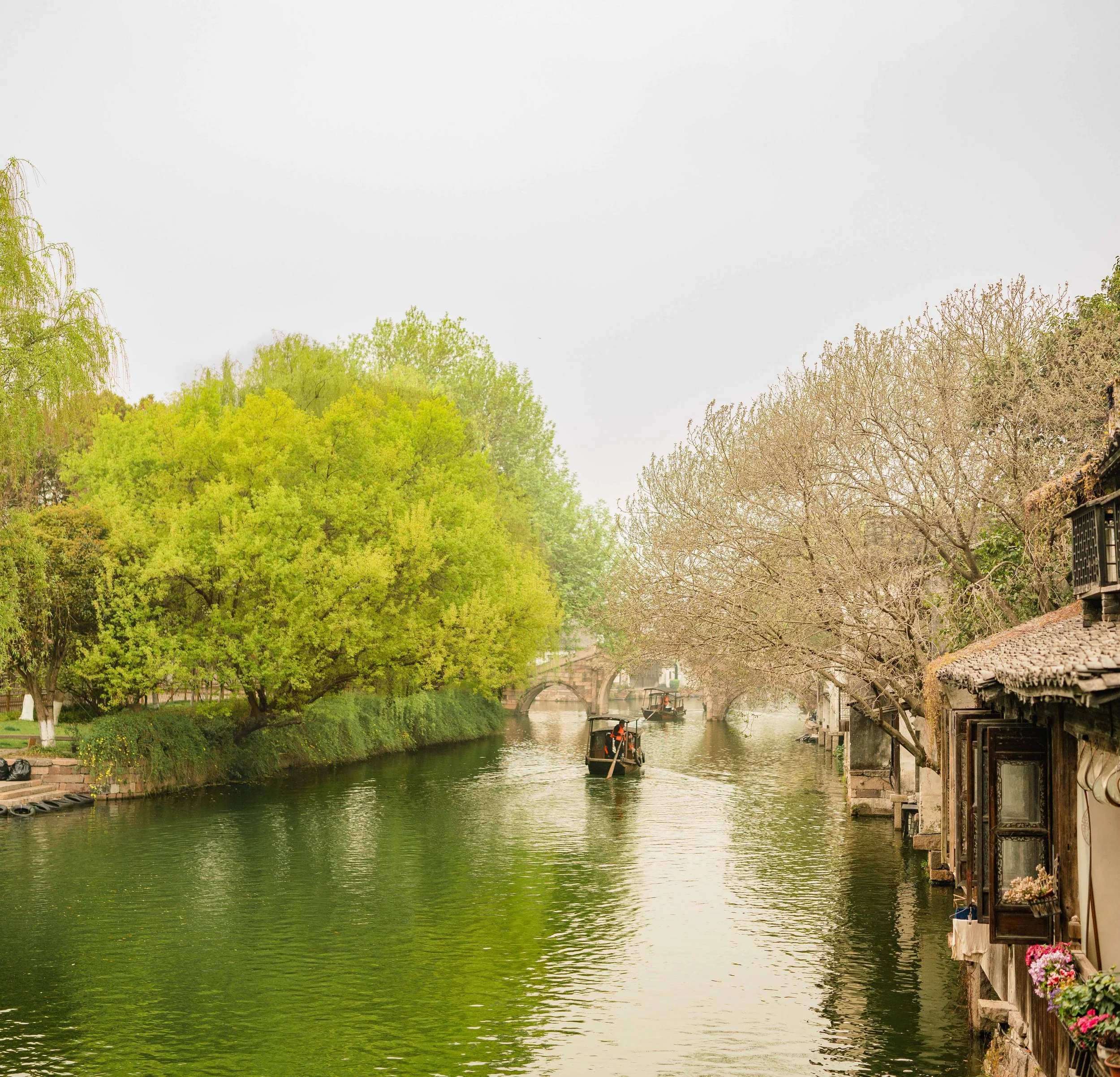
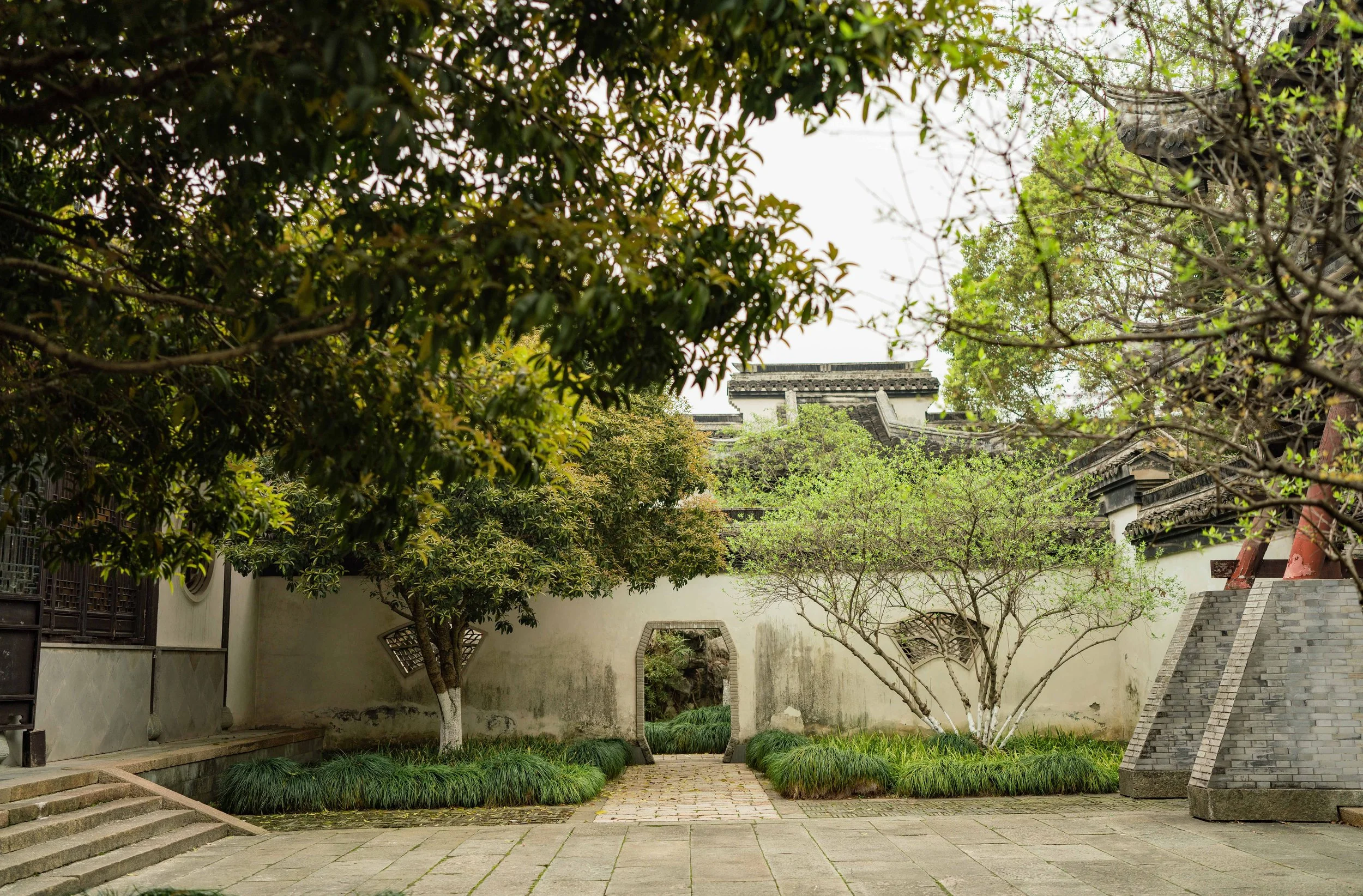
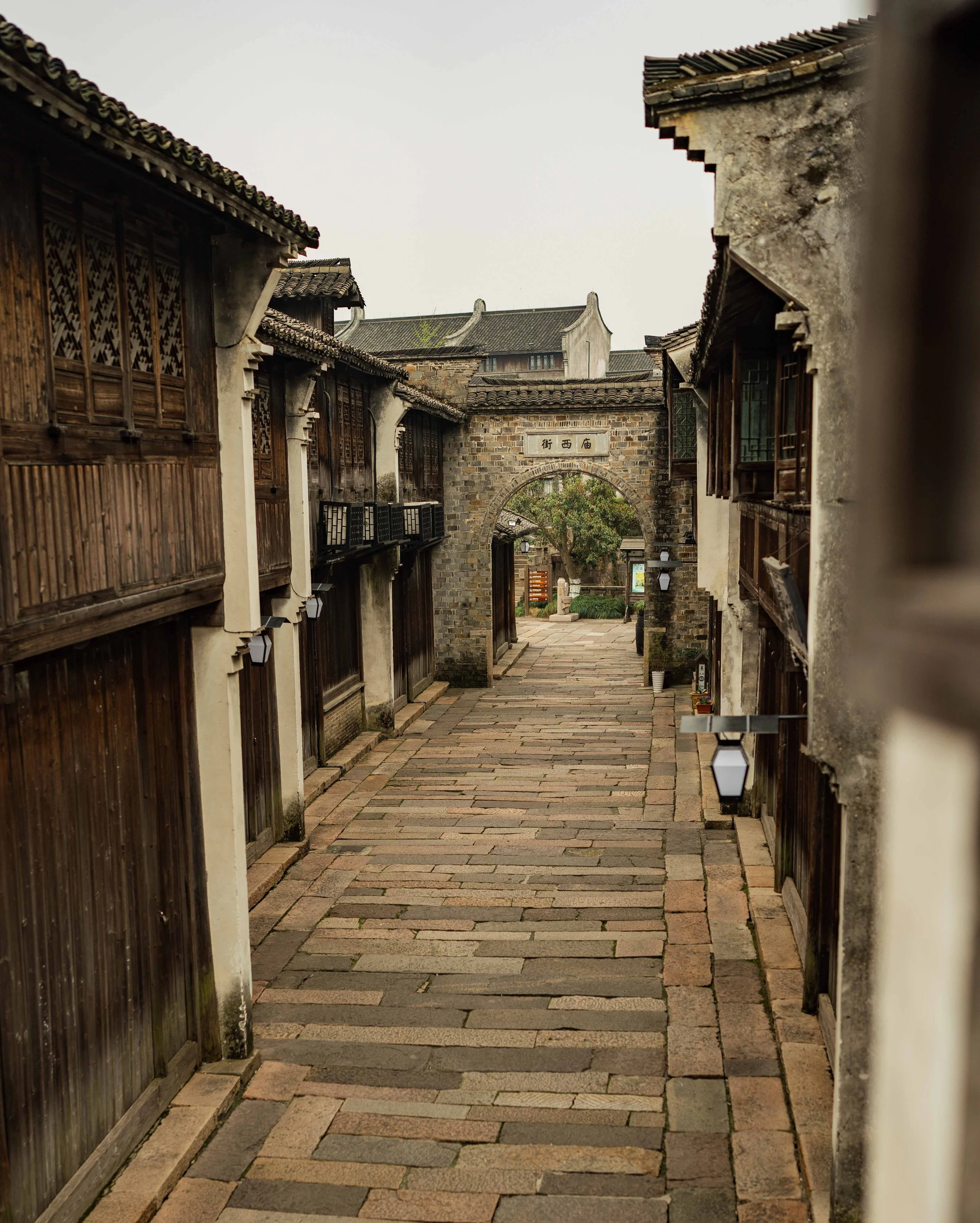
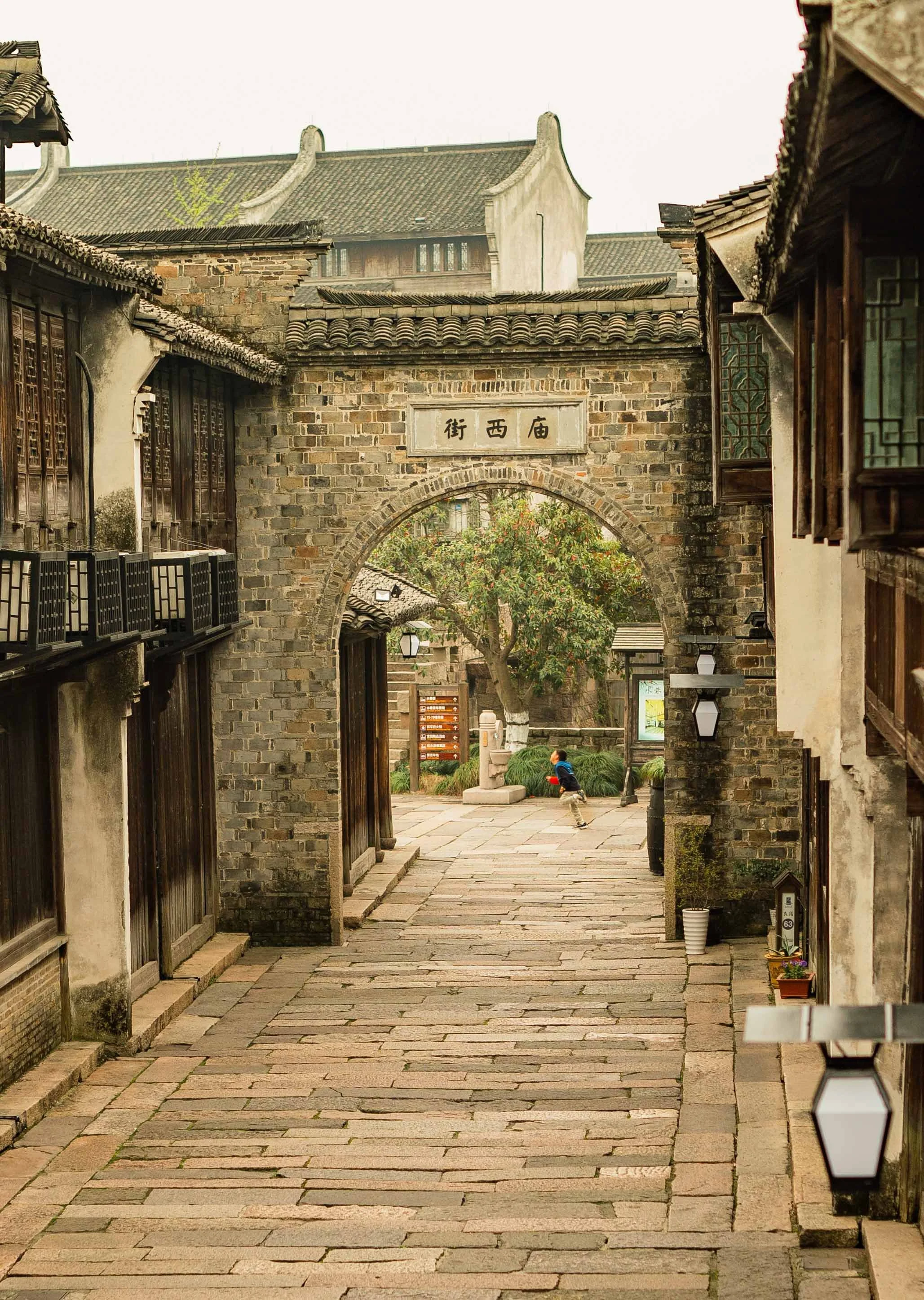
Wandering map-less that morning, with the crisp March wind rustling the canopy and bird songs filling the sky, a quiet Wuzhen revealed itself. It sat in silence, looking just as it must have for the past 1,300 years. This classical Chinese aesthetic, steeped in profound cultural depth and the ancient spirit of Jiangnan, made me feel as if I had stepped into a living ink-wash painting.
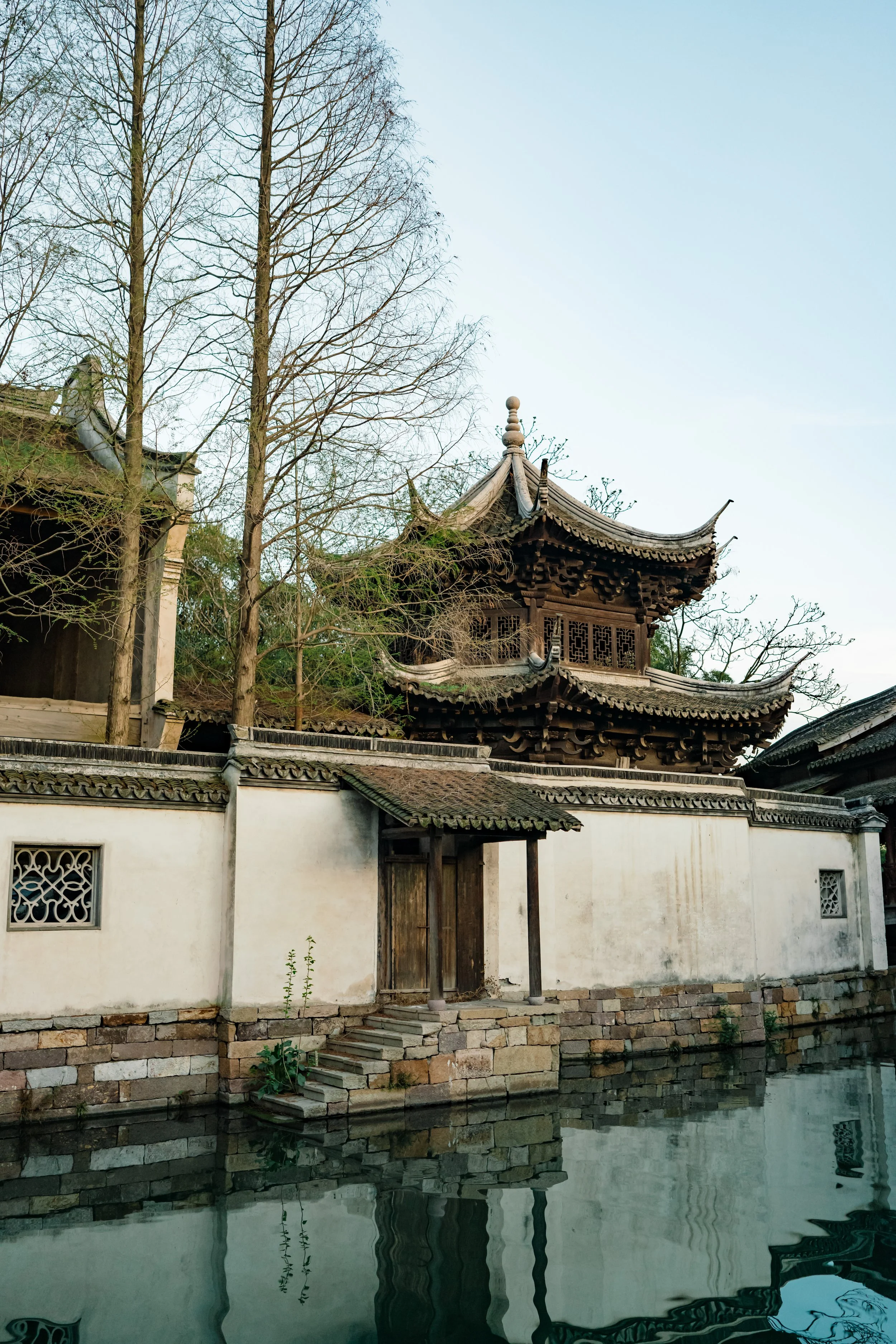
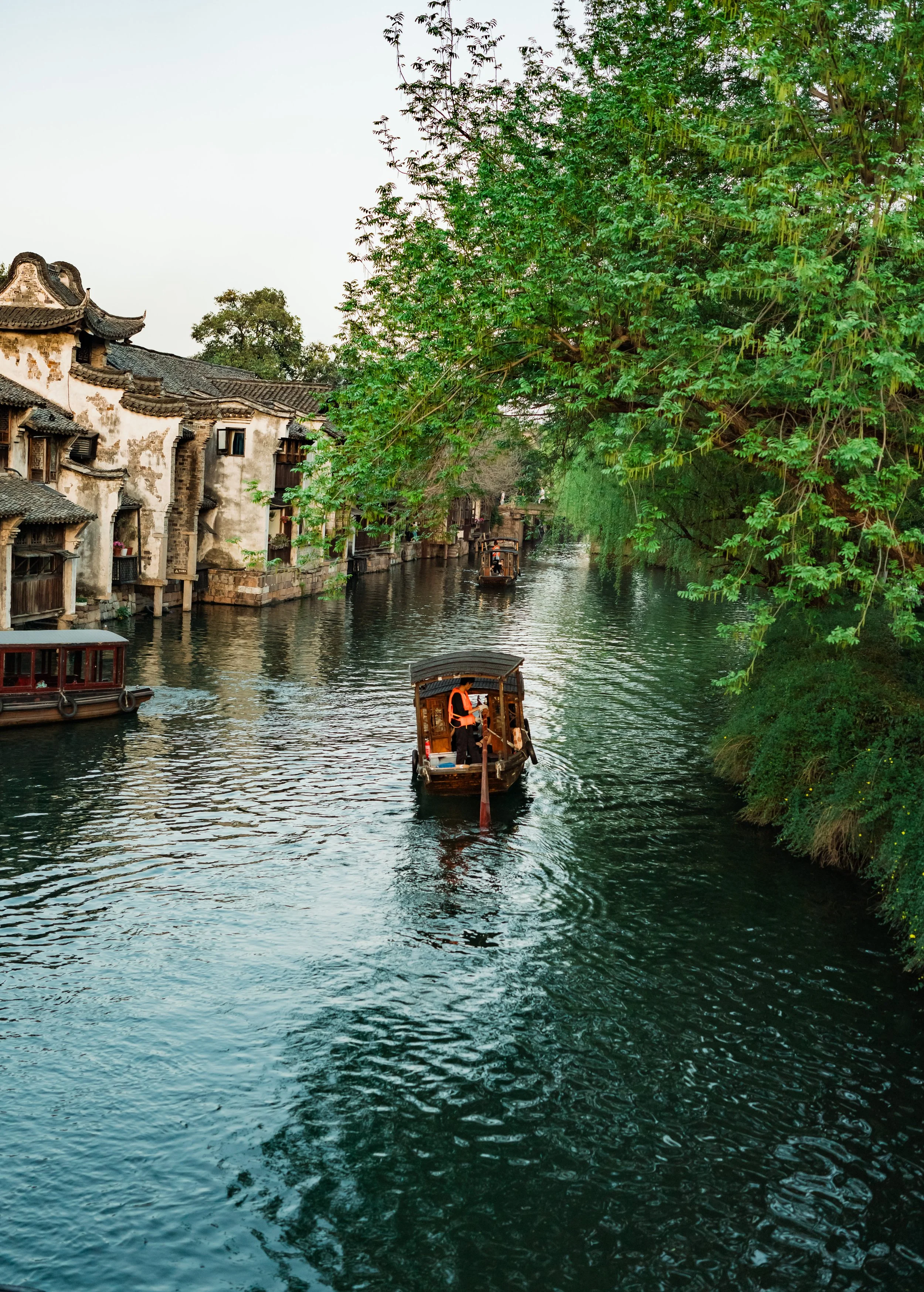
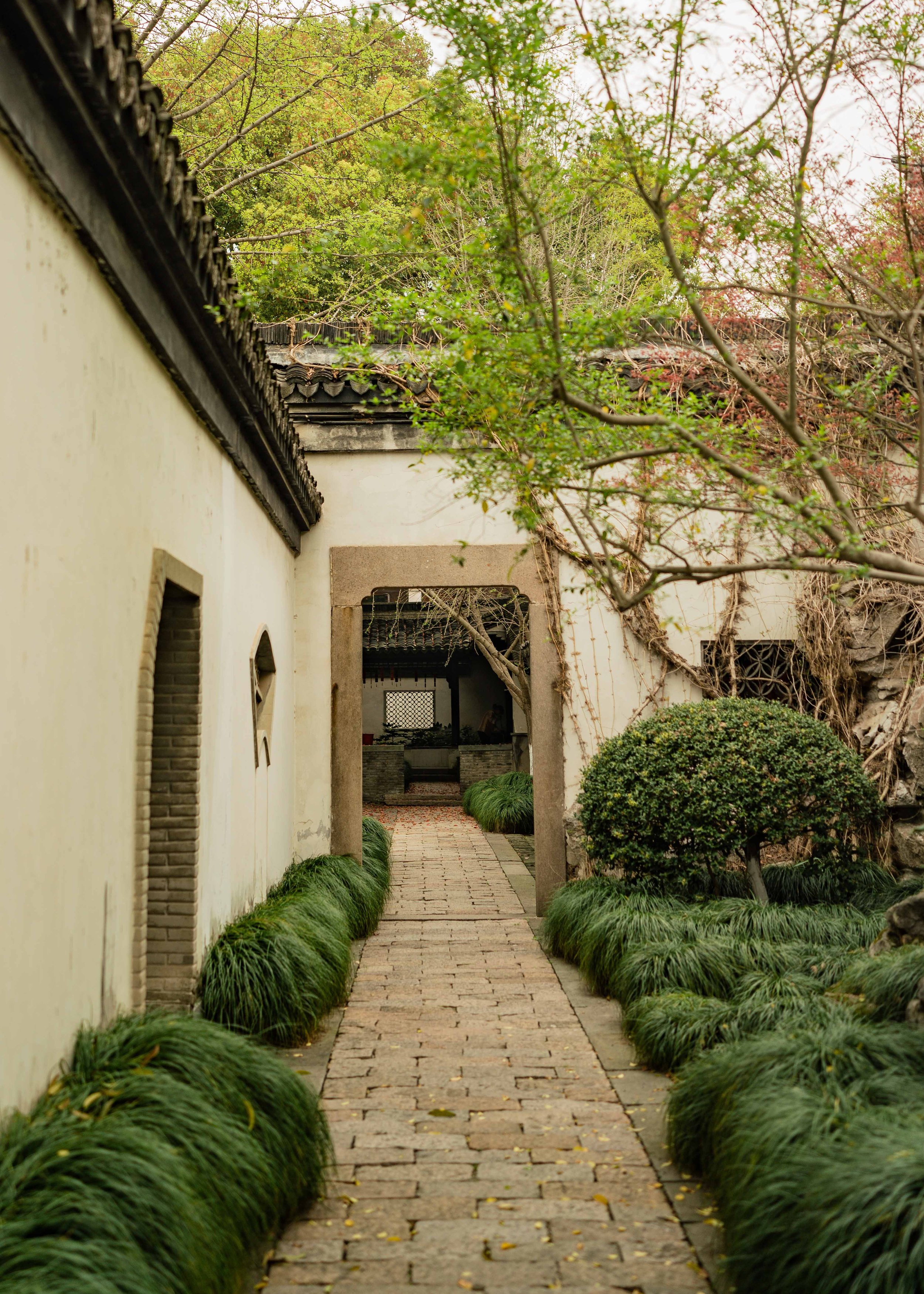
The white-walled houses with their yin-yang roof tiles clung to the crystal-clear river, which acted as a mirror. Gazing into it, it felt as though the entirety of spring had been captured within its reflection.
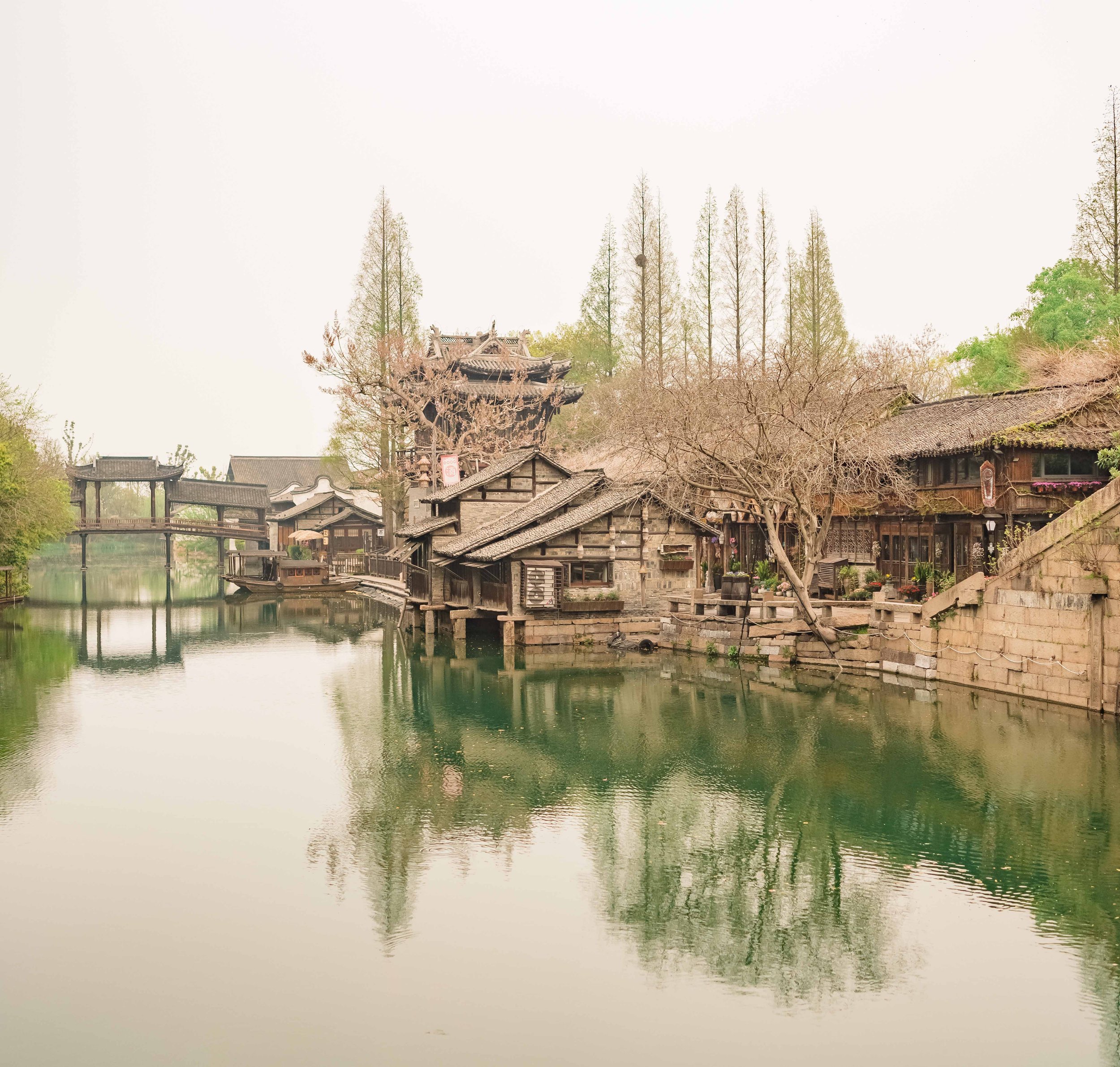
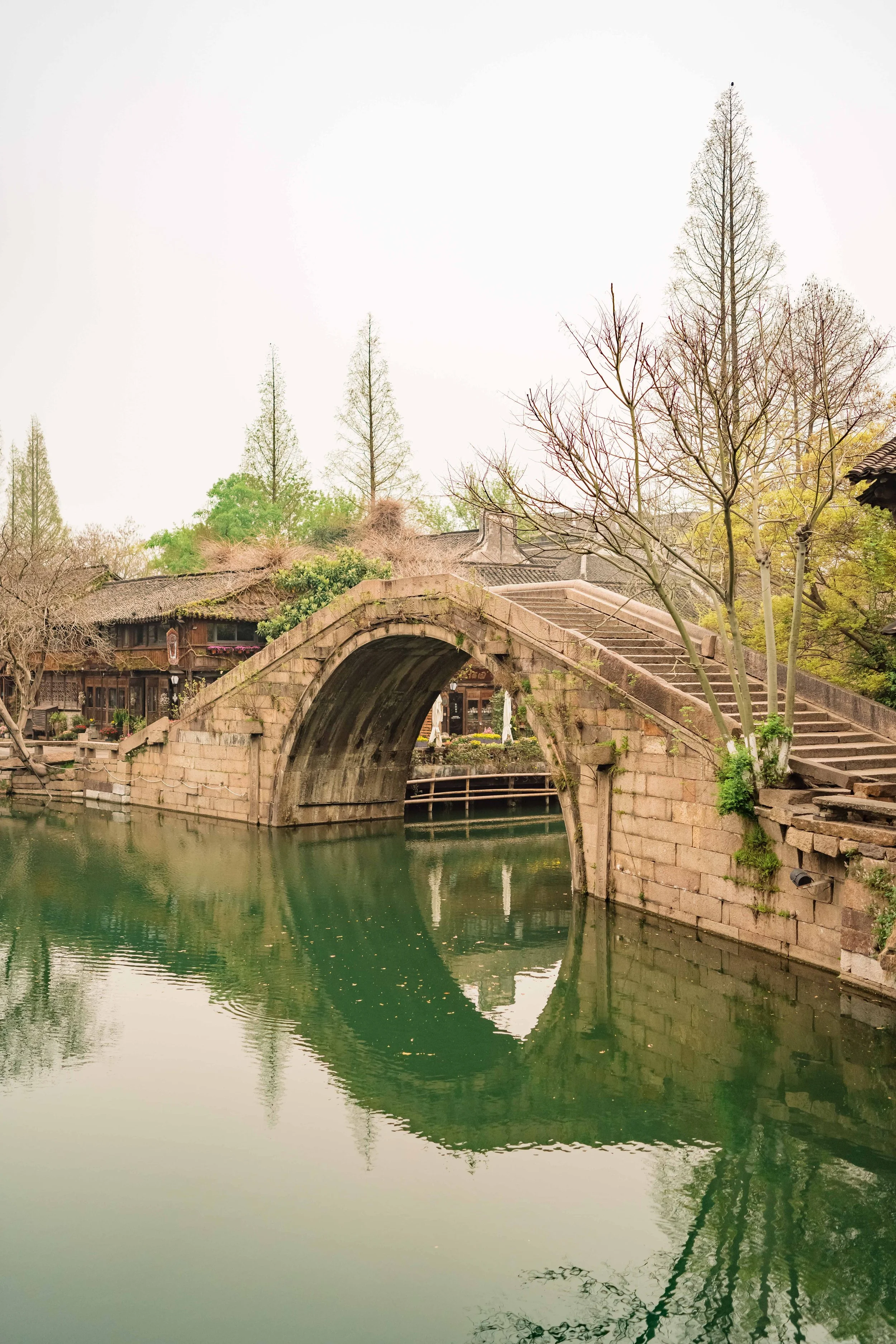
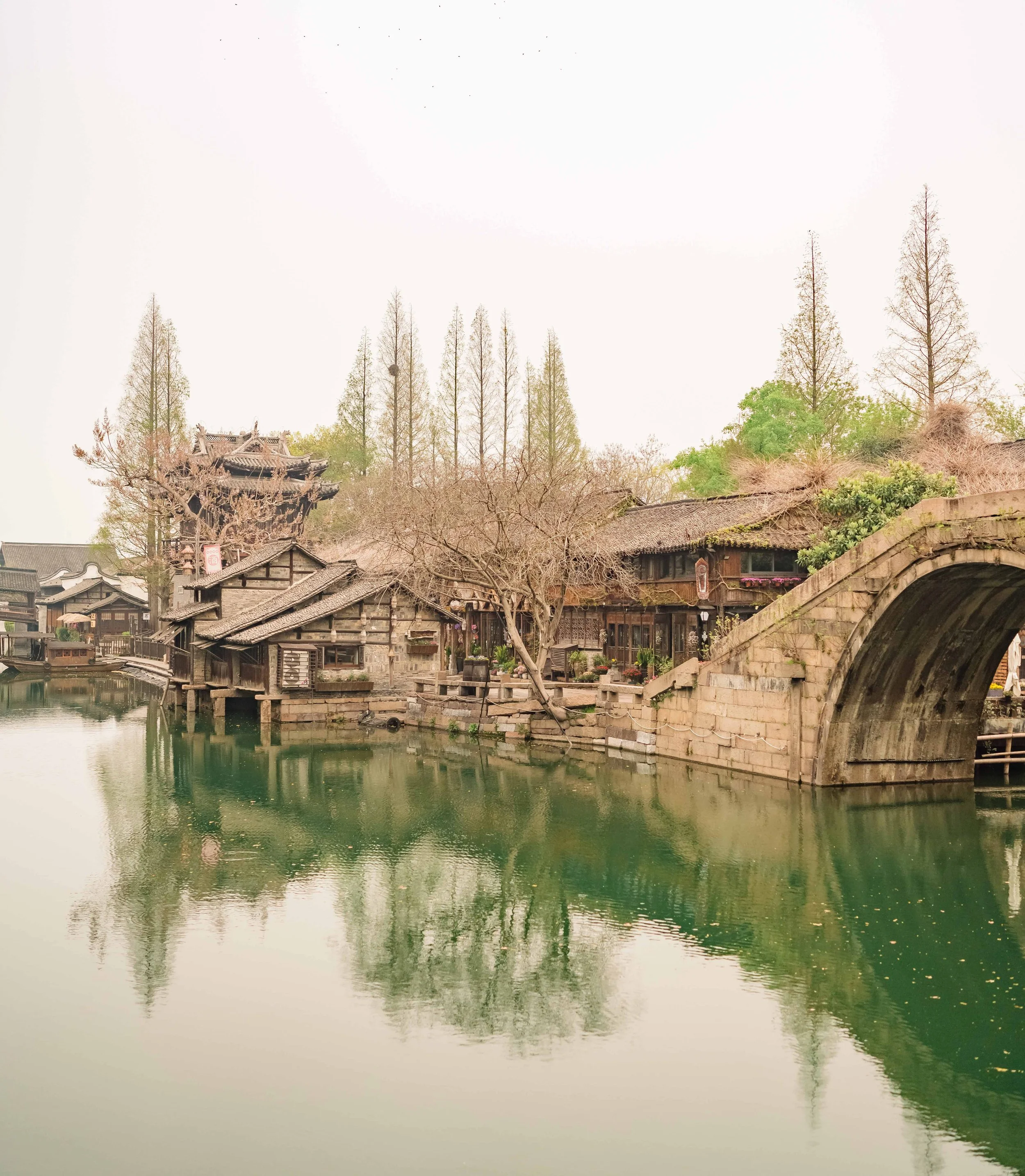
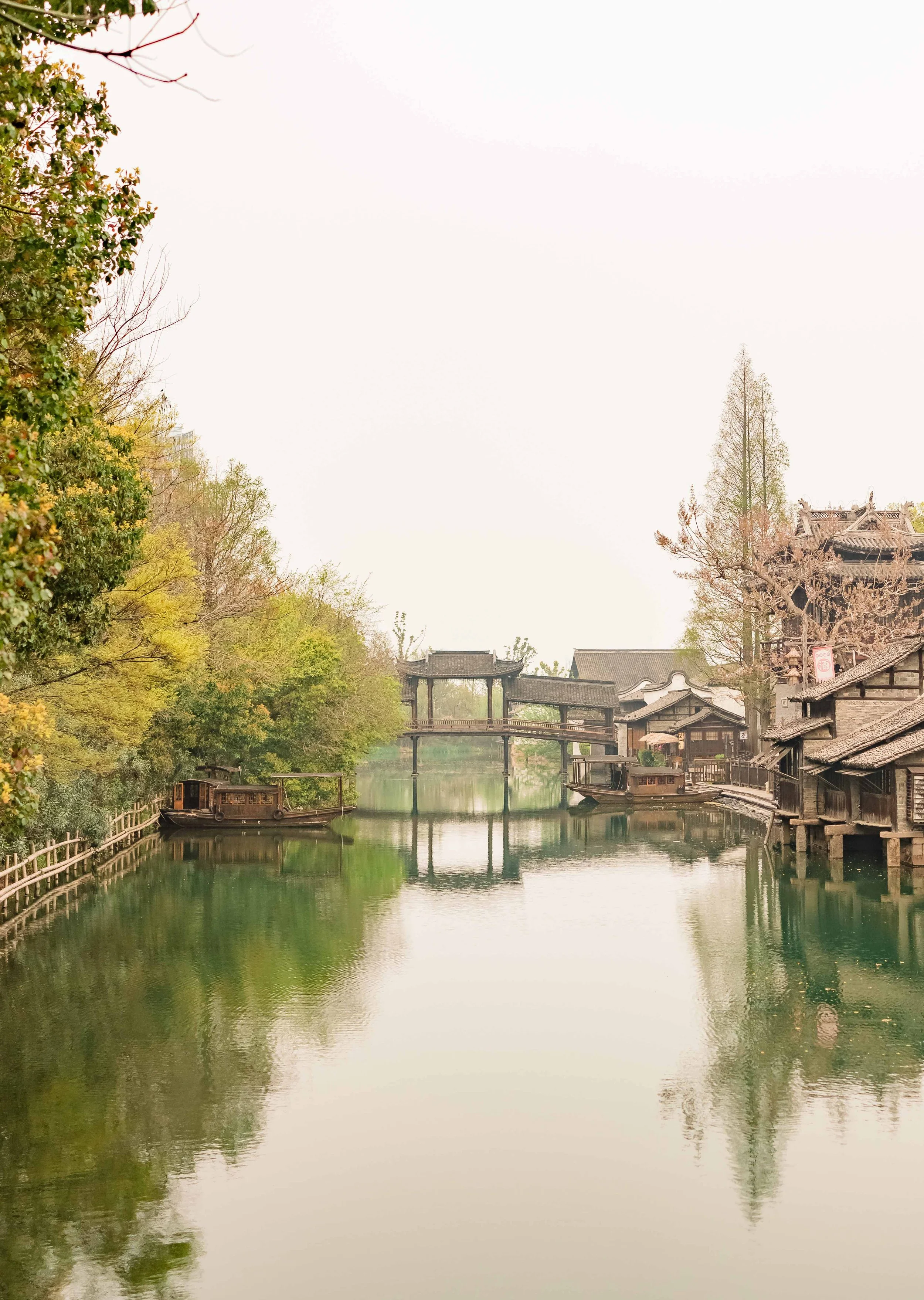
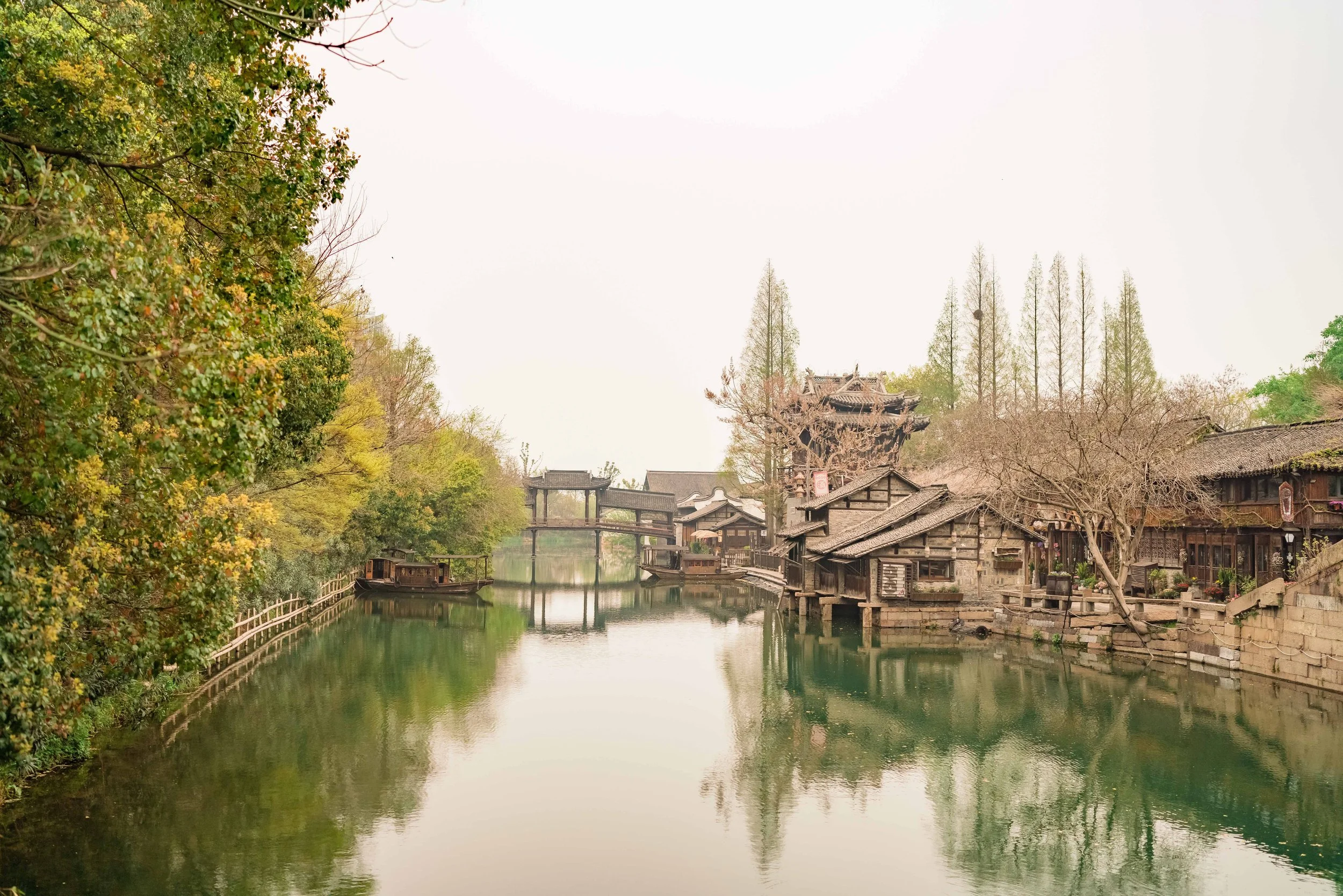
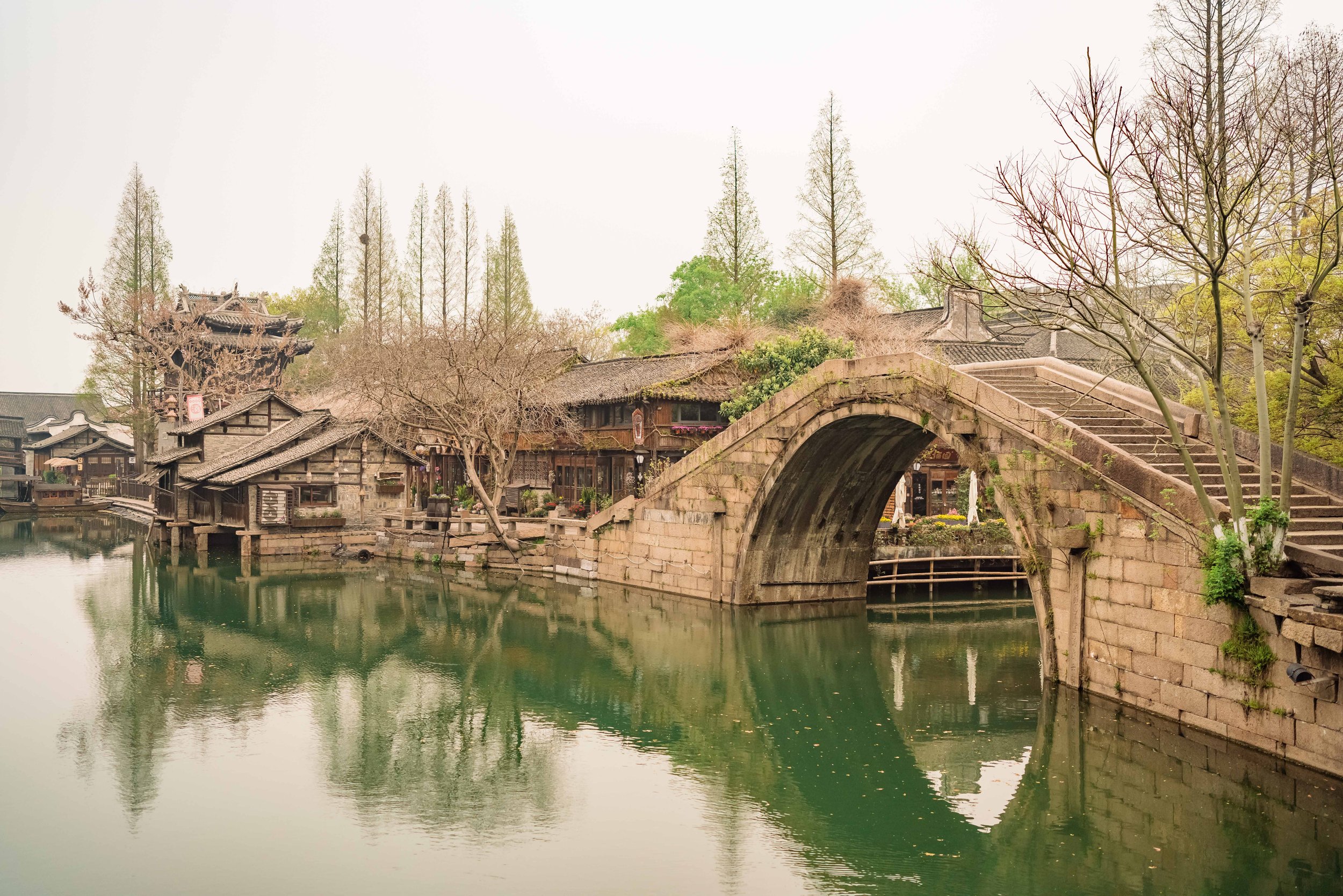
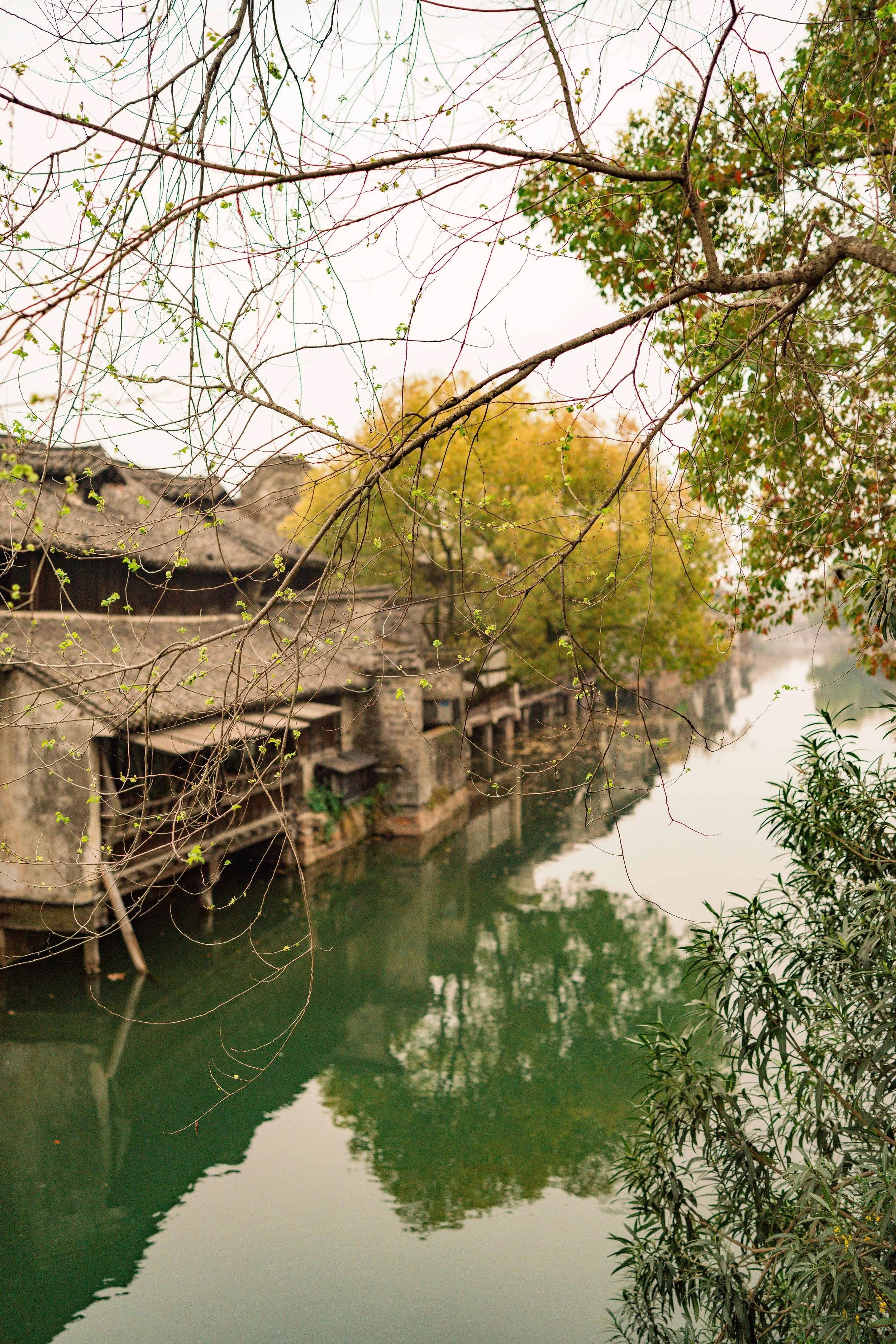
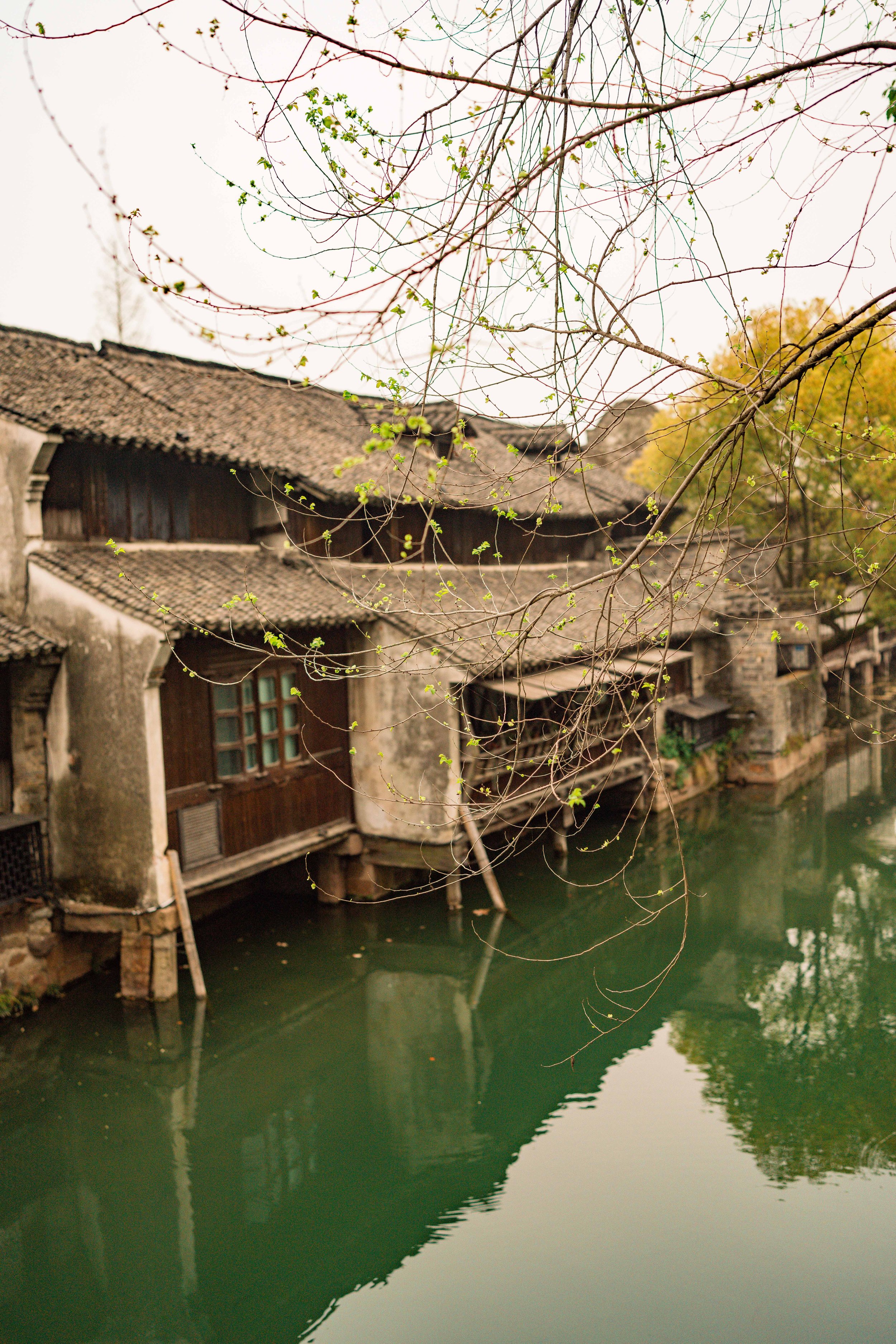
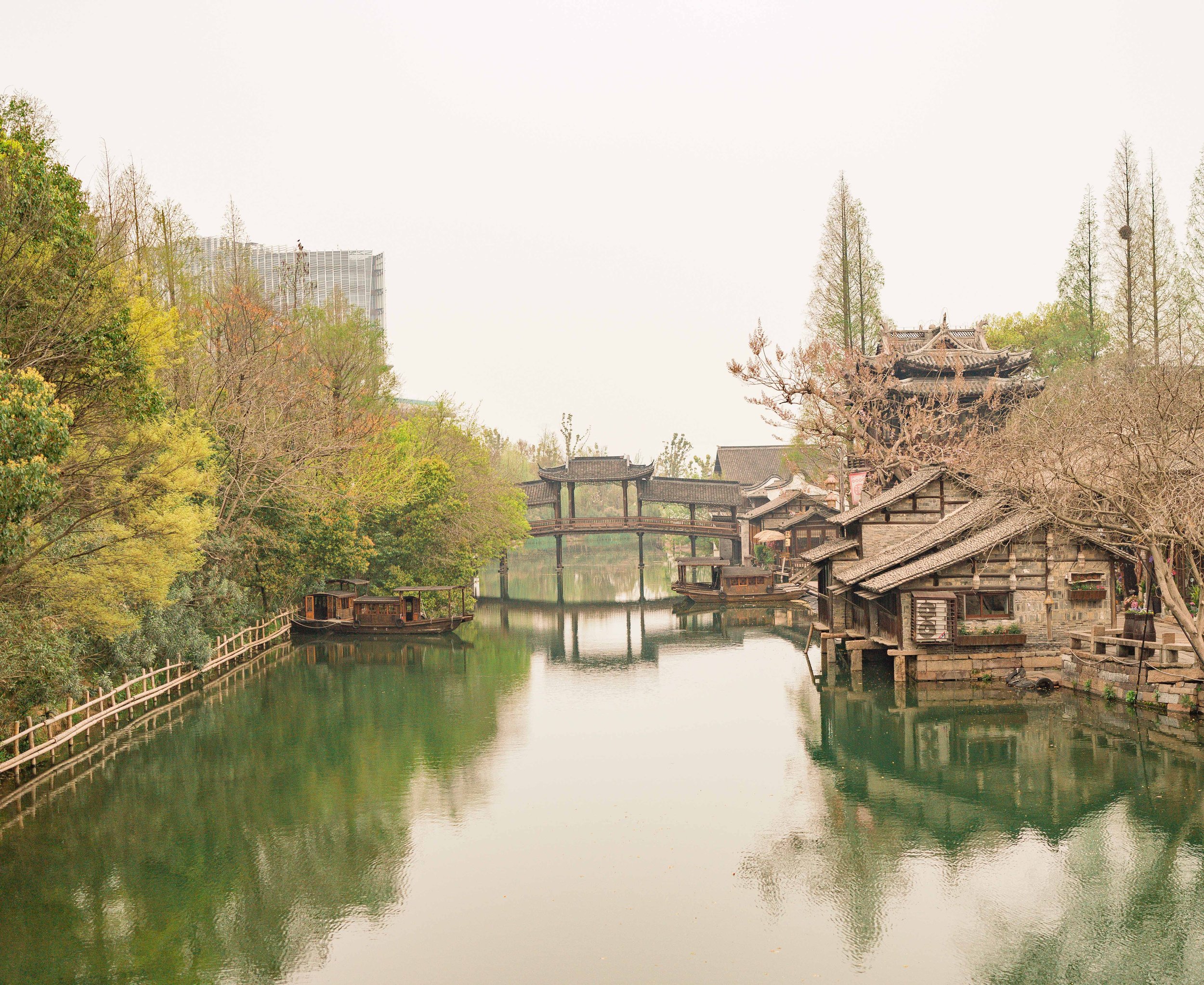
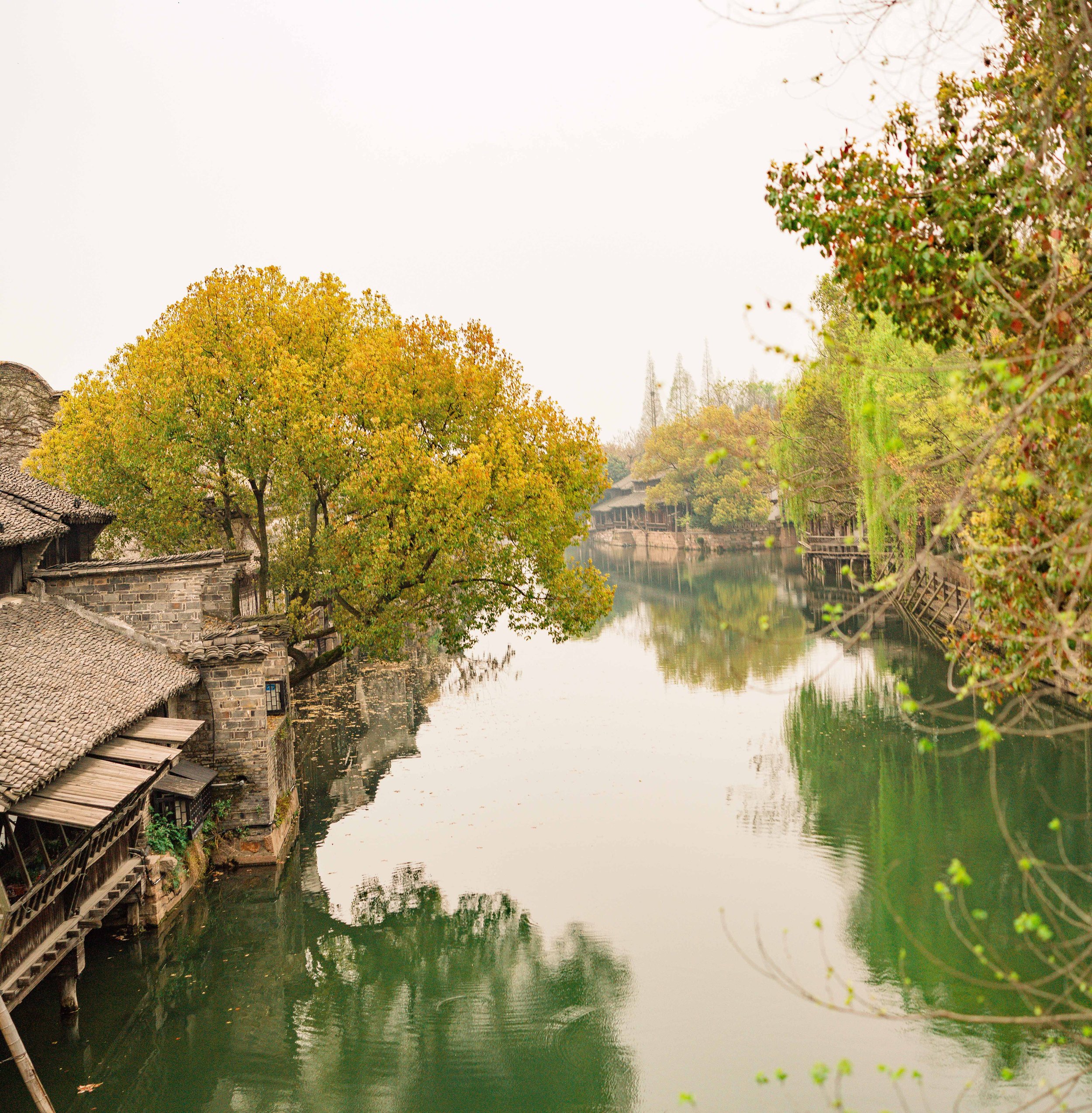
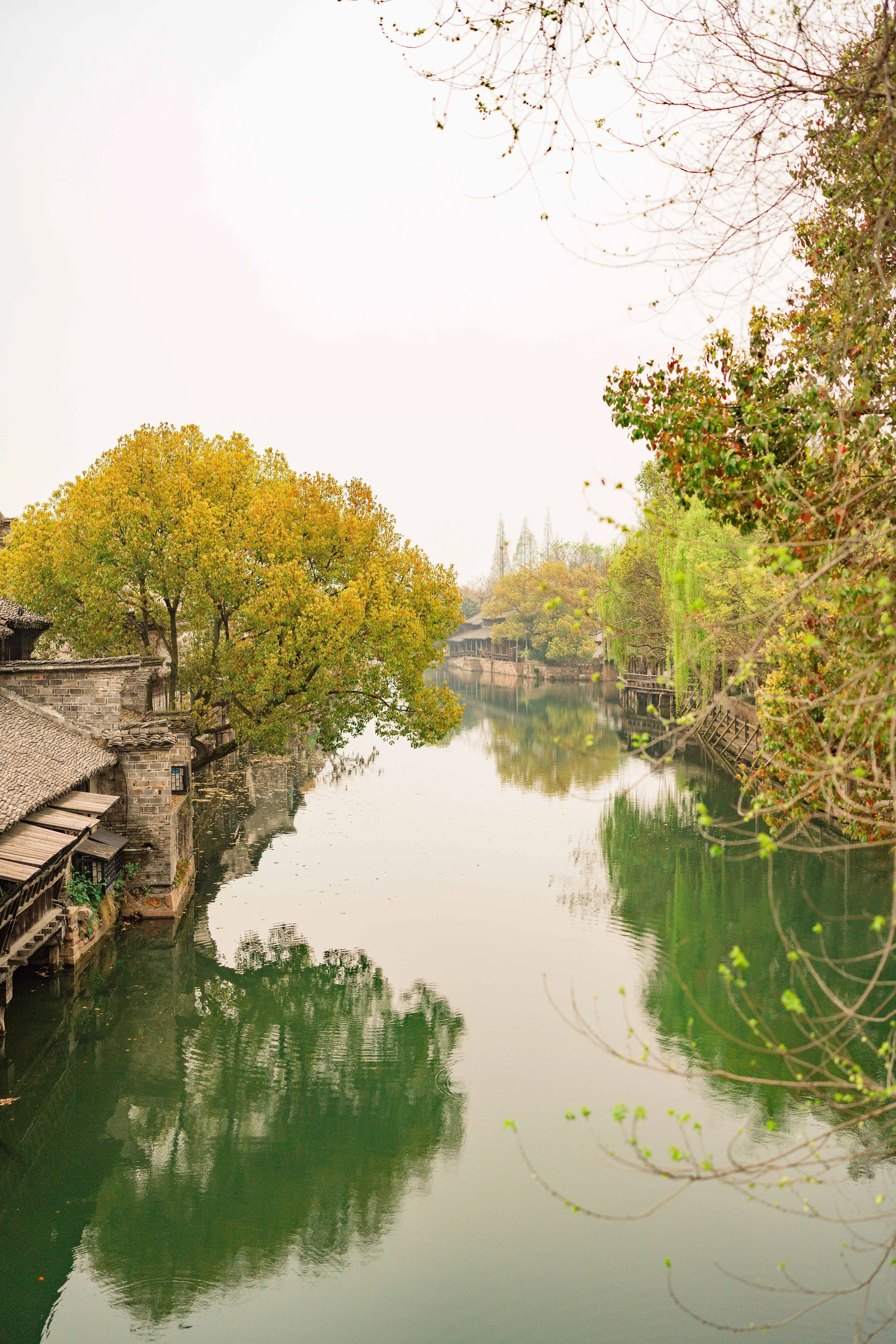
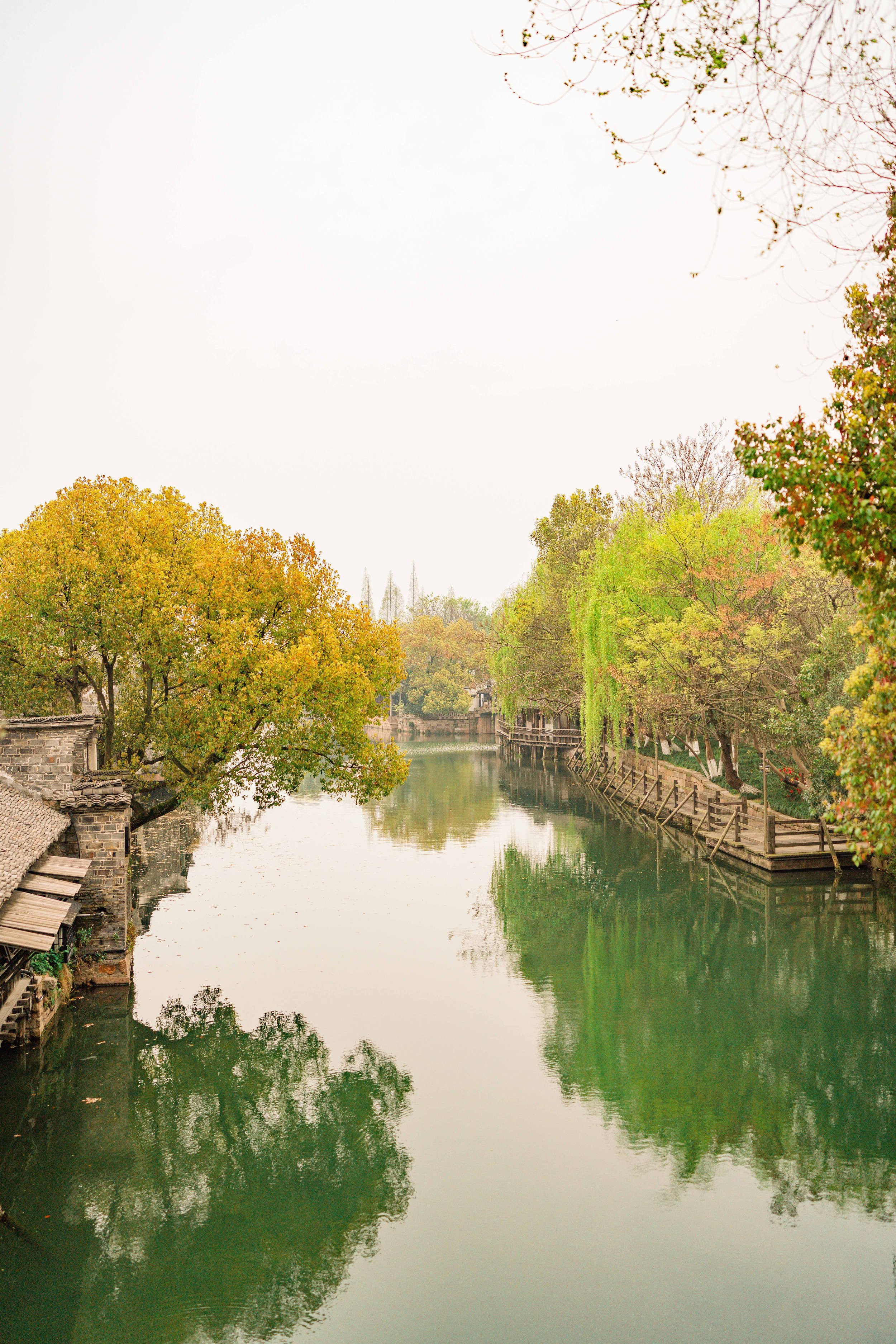
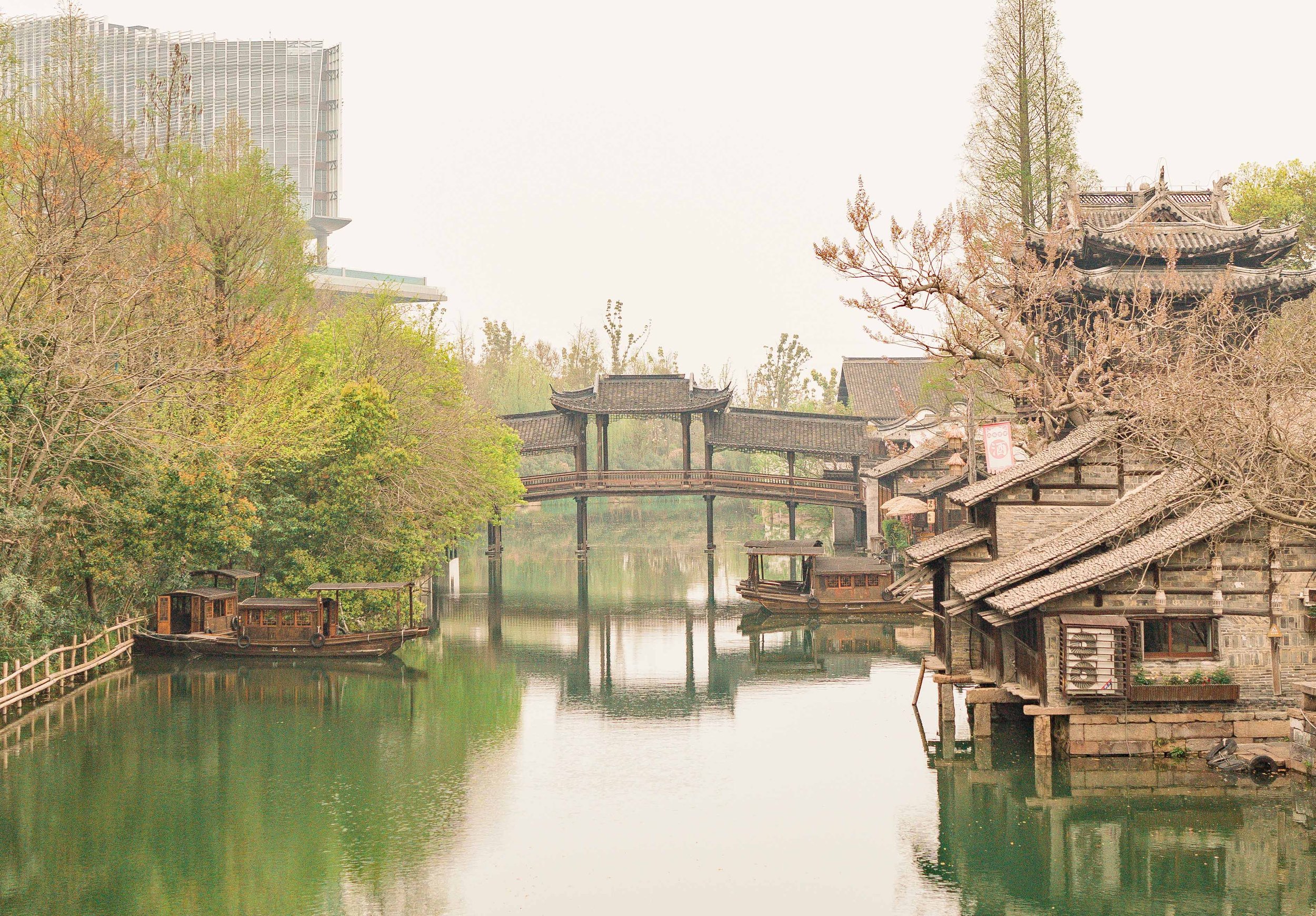
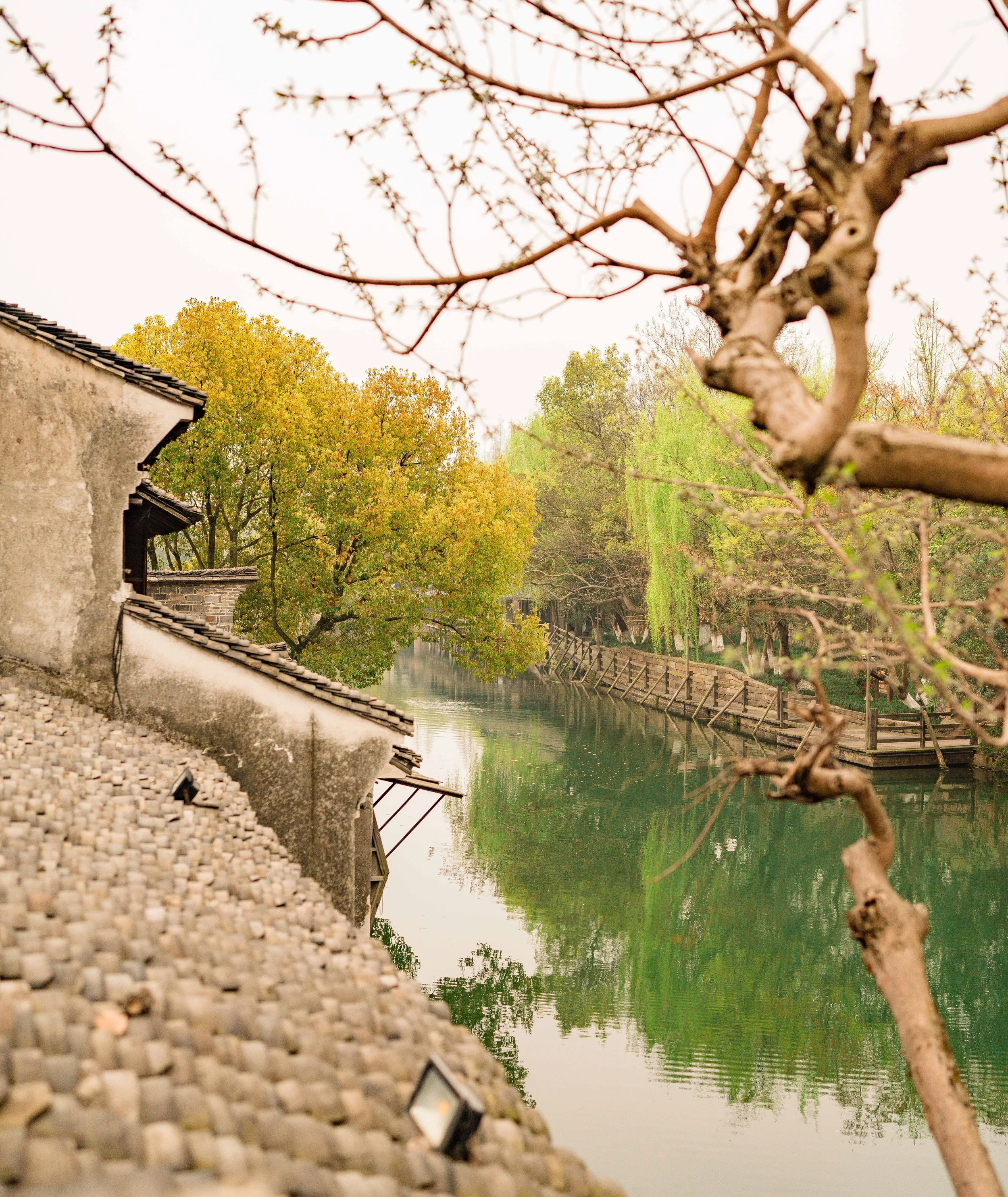
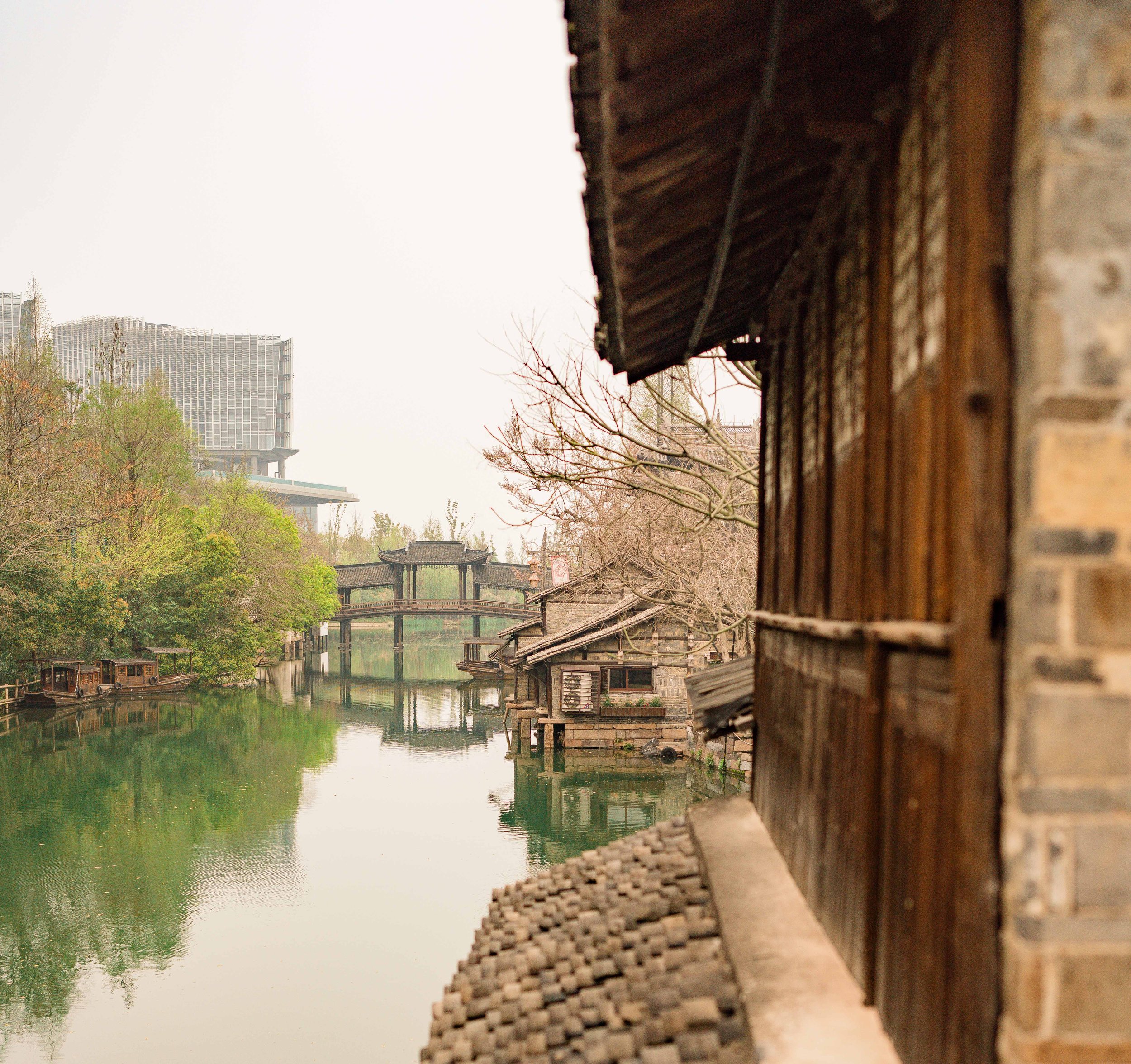
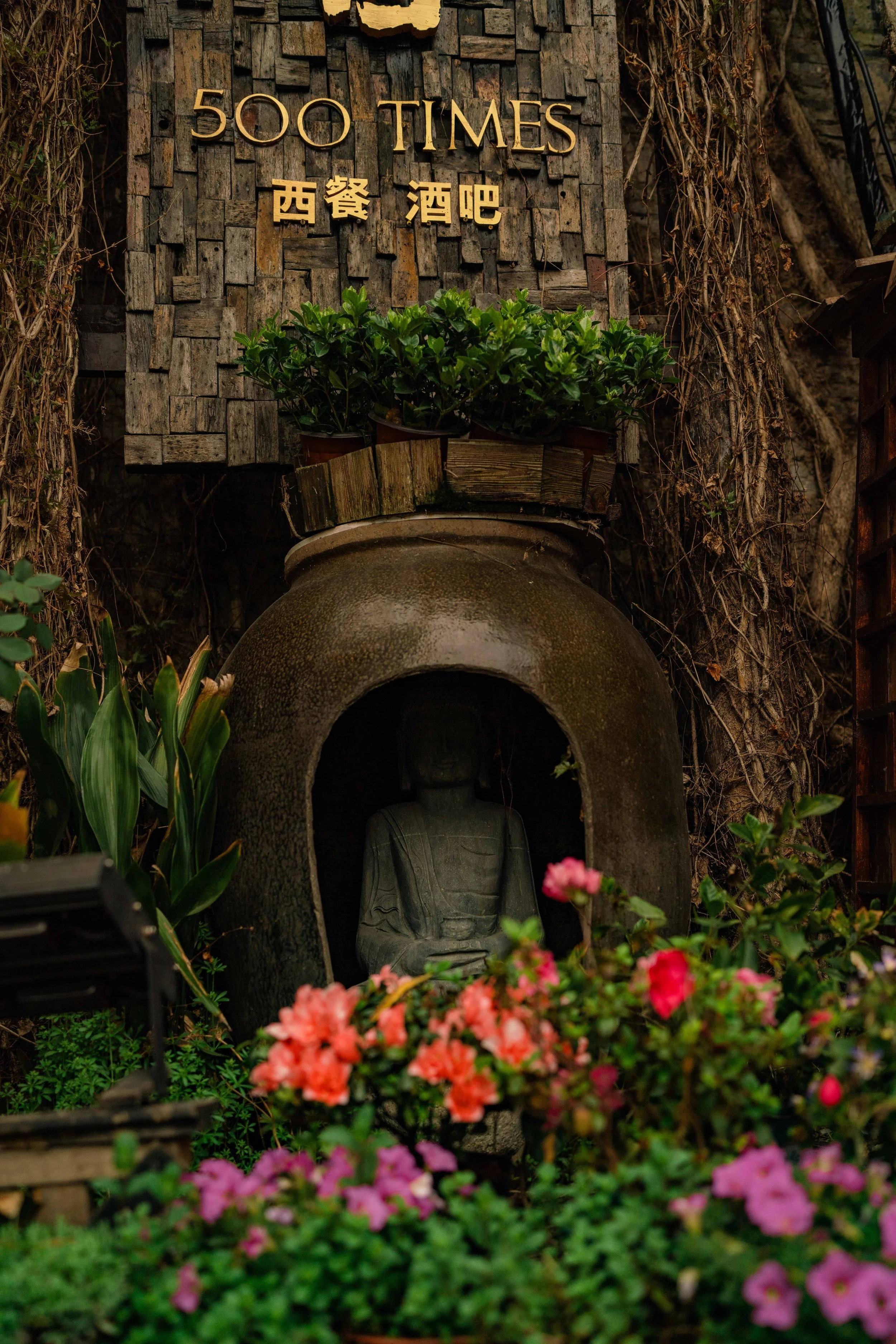
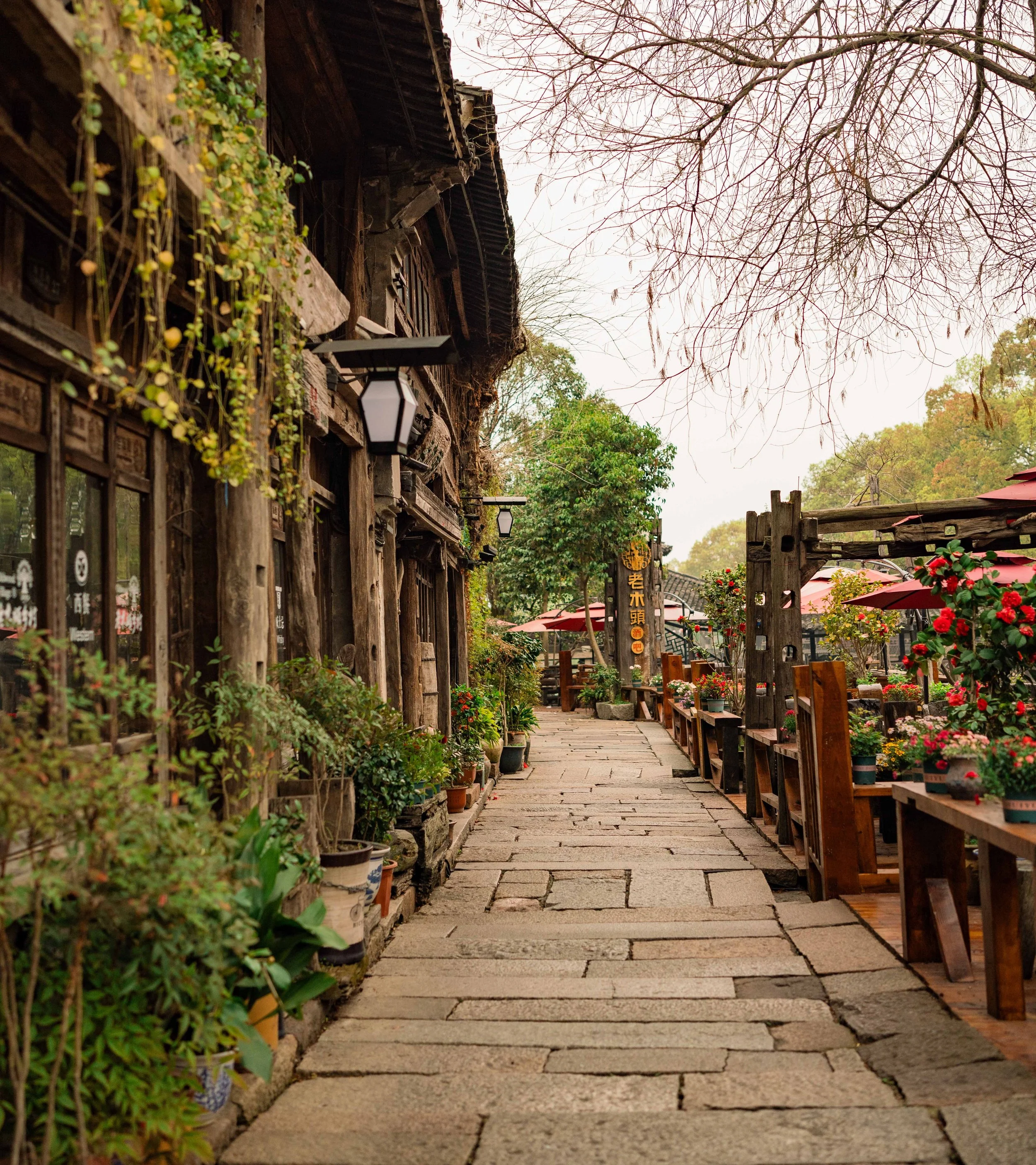
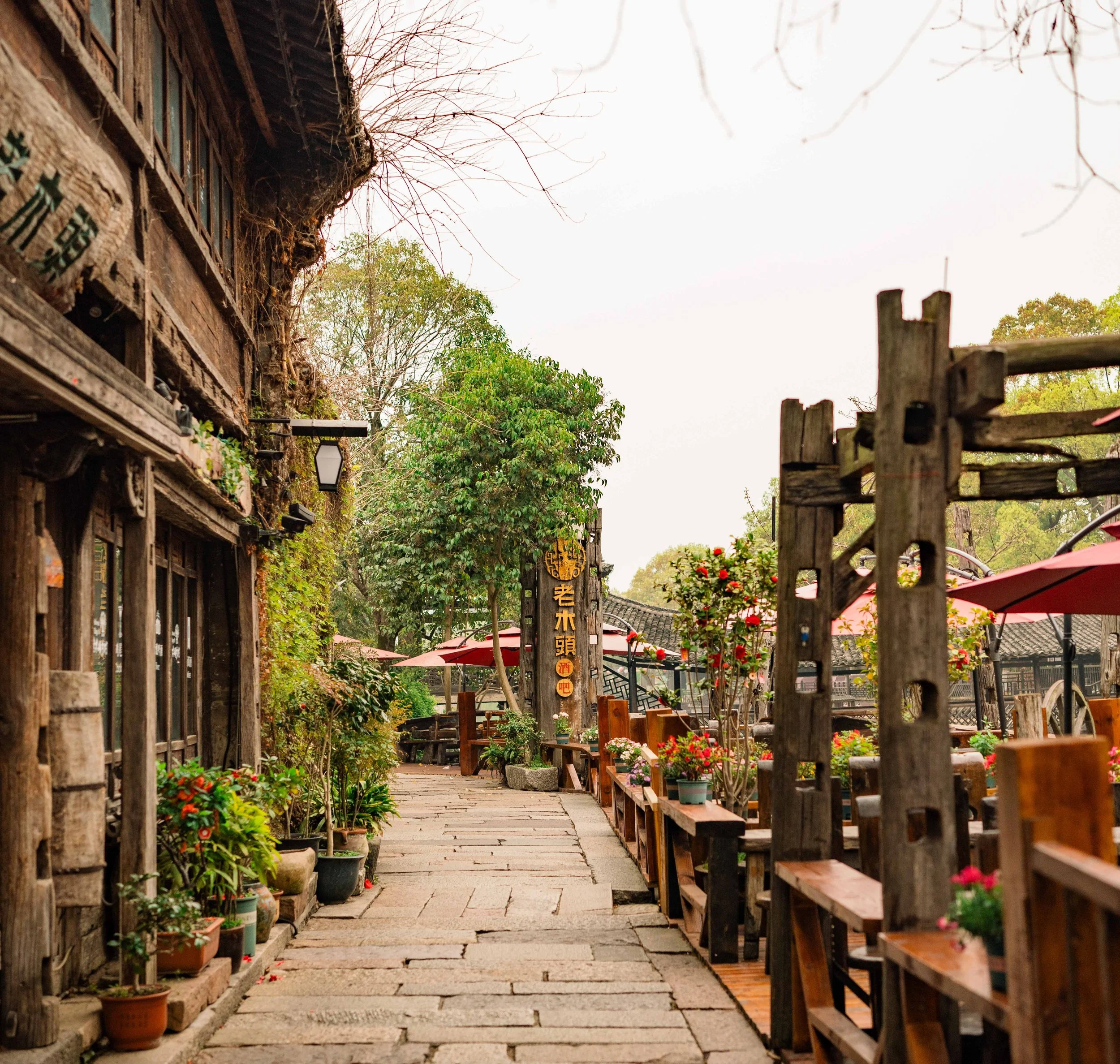
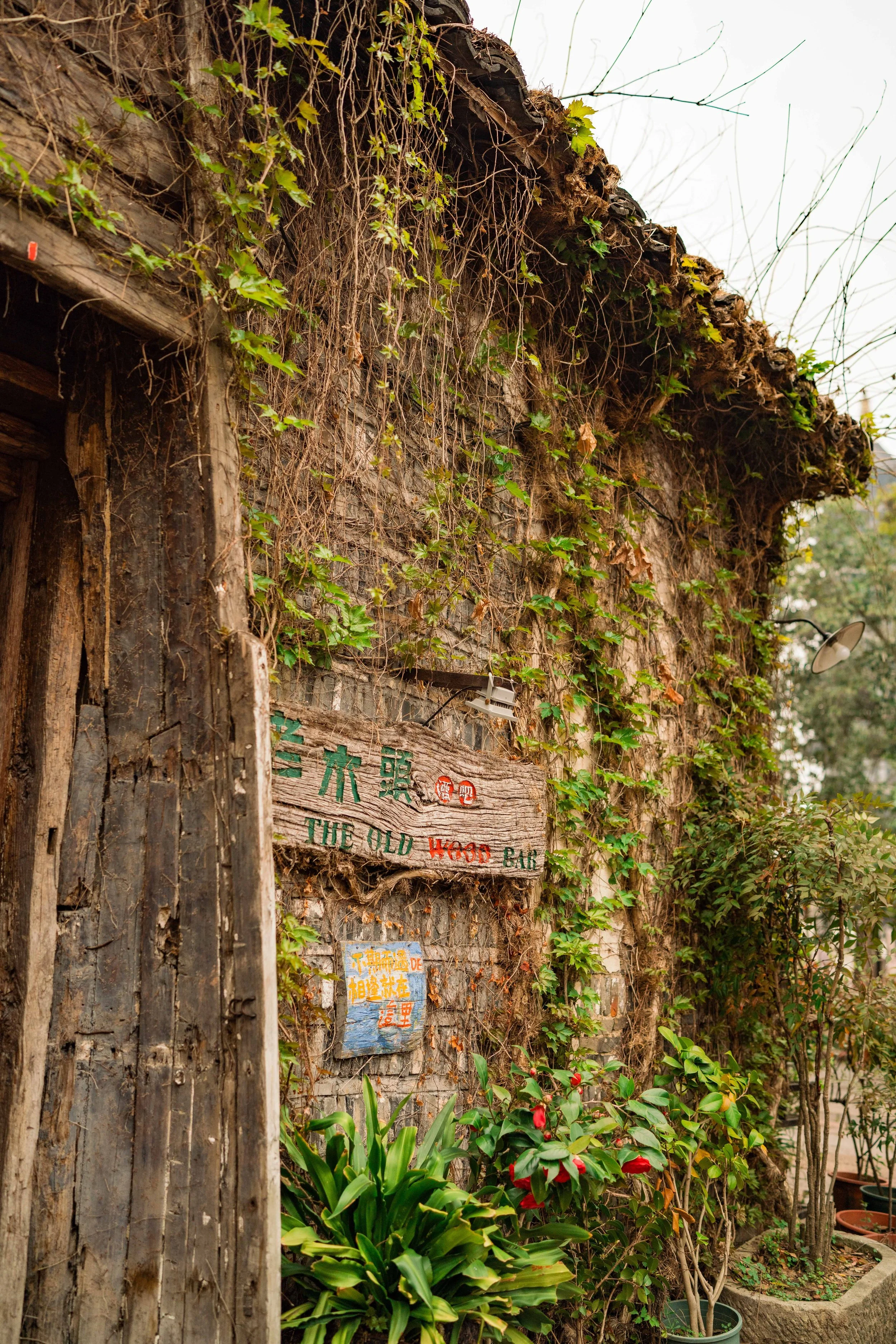
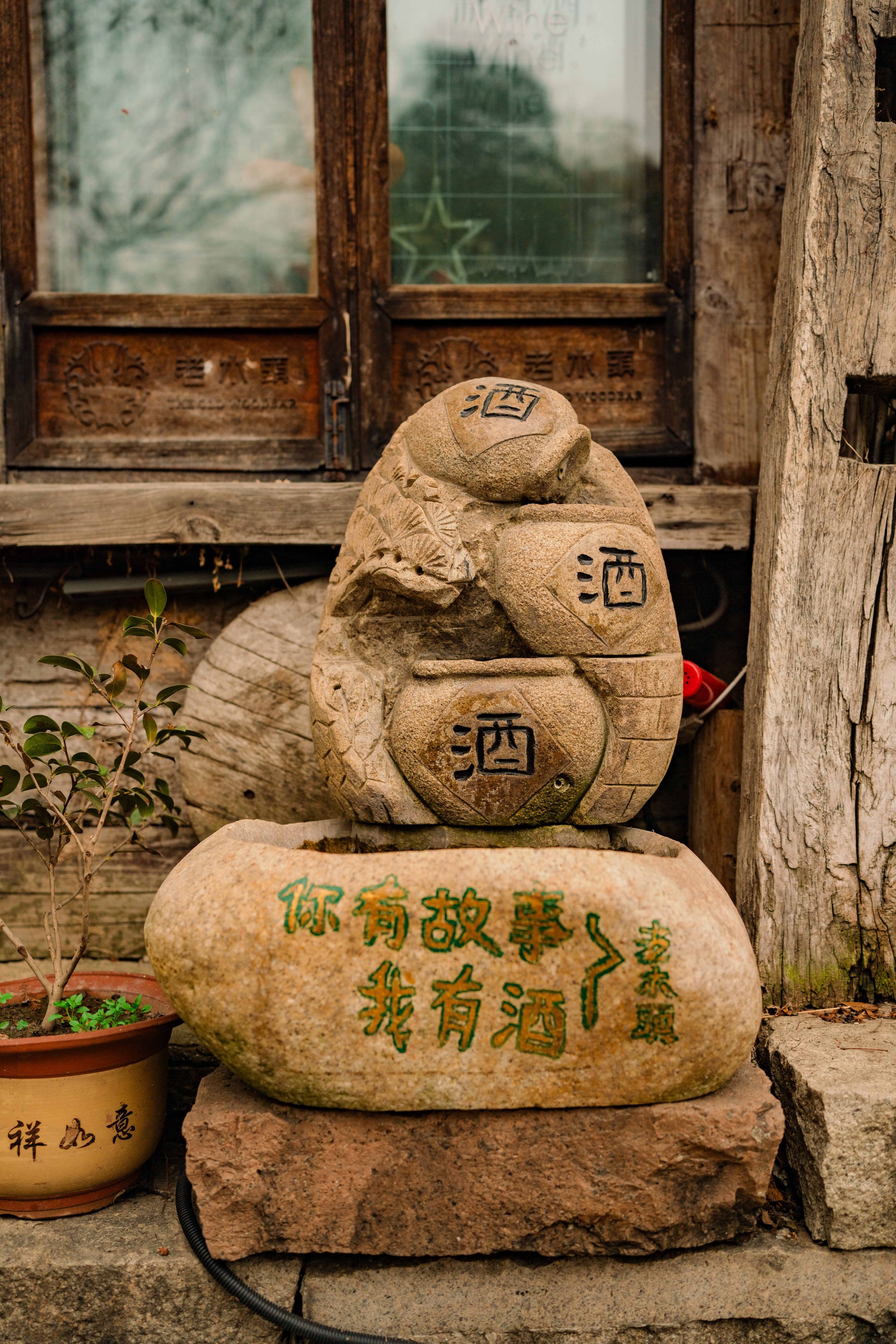
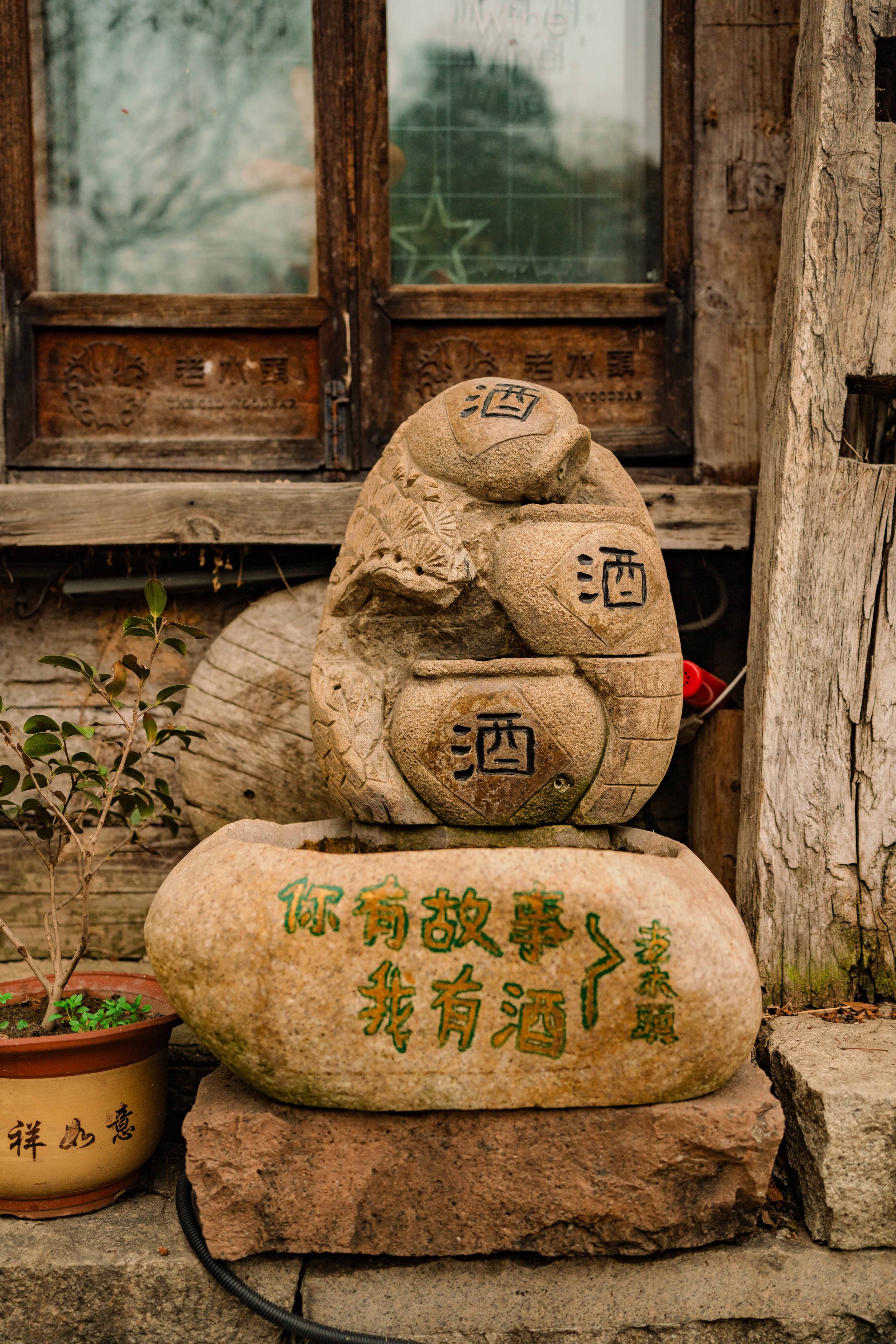
The layout of the town is equally fascinating. Near the entrance, you’ll find the lively commercial zones—souvenir stalls and local snack shops. Moving toward the center, the scene shifts to fabric dyeing workshops, traditional craft villages, and cozy family-run eateries. Reaching the far end, the town gives way to taverns, bars, and late-night diners, which take on a dazzling, vibrant life once the evening lights flicker on.
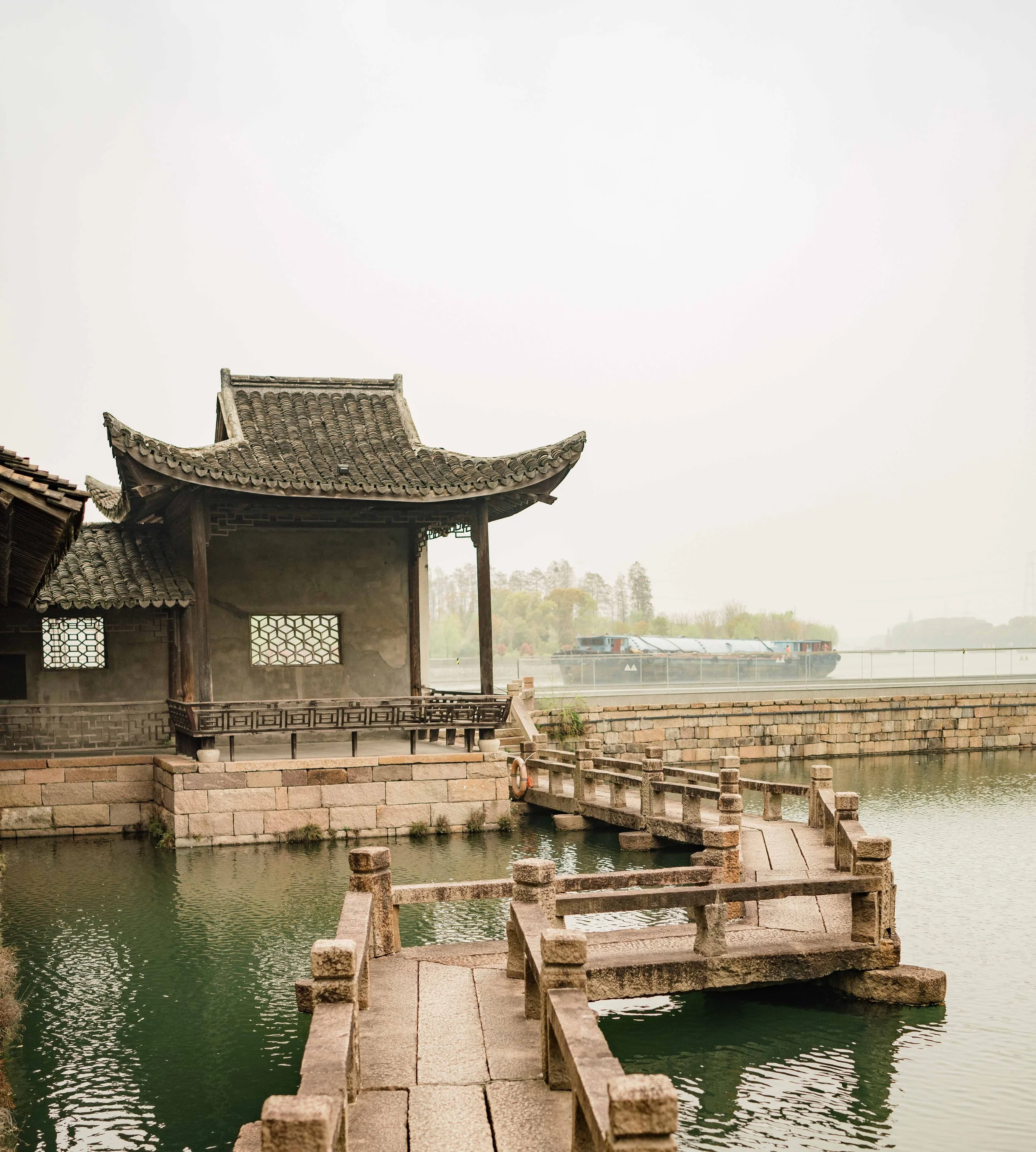
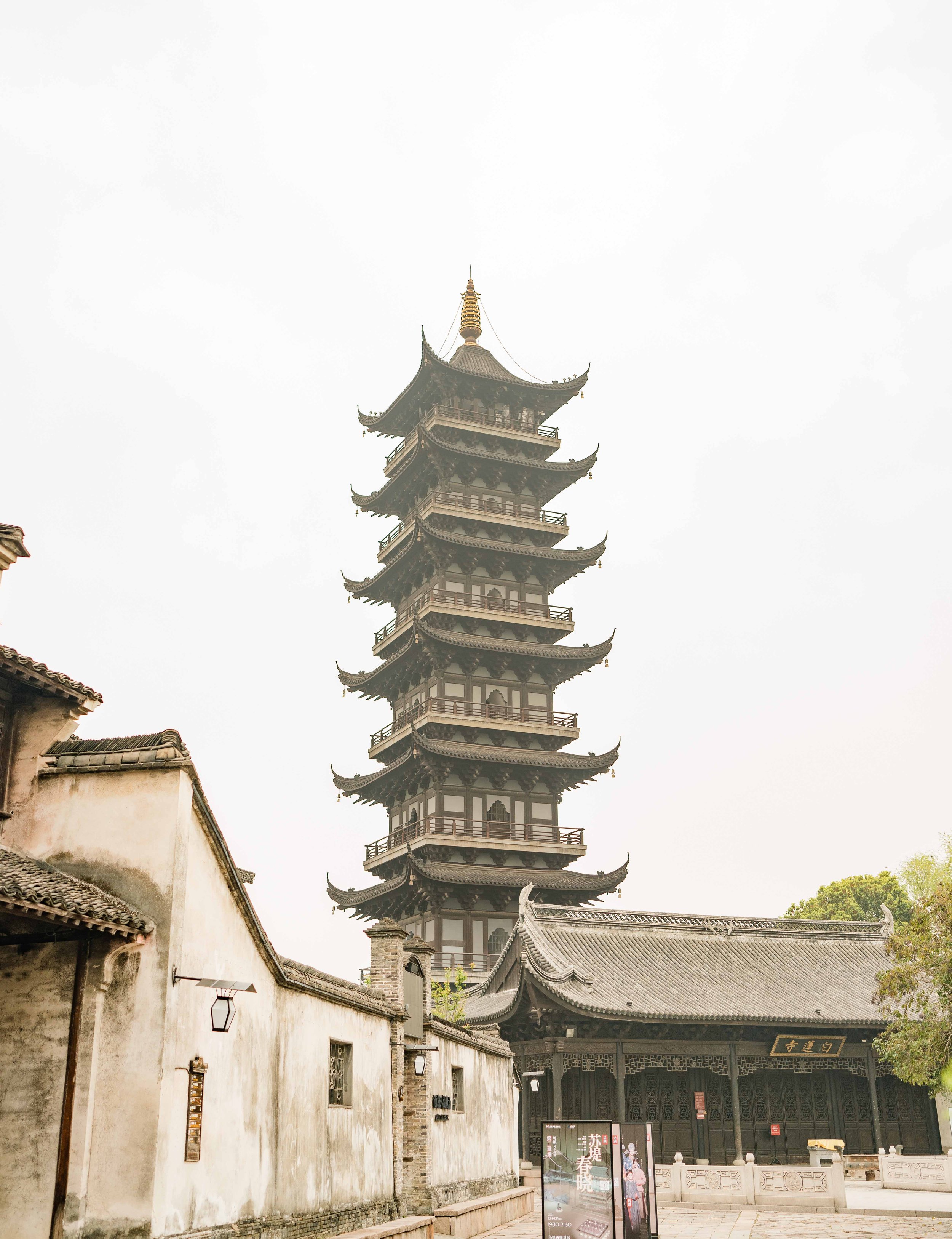
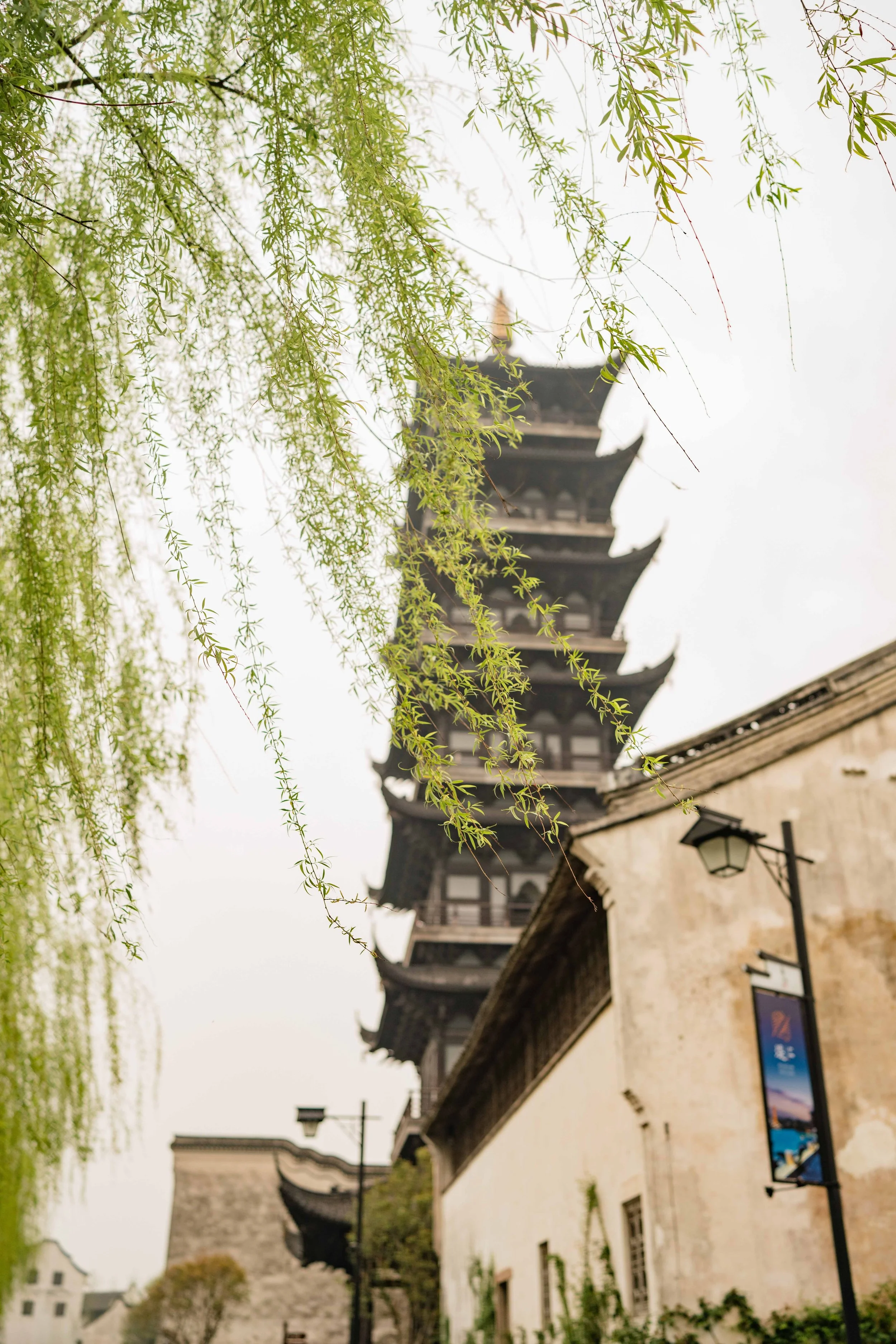
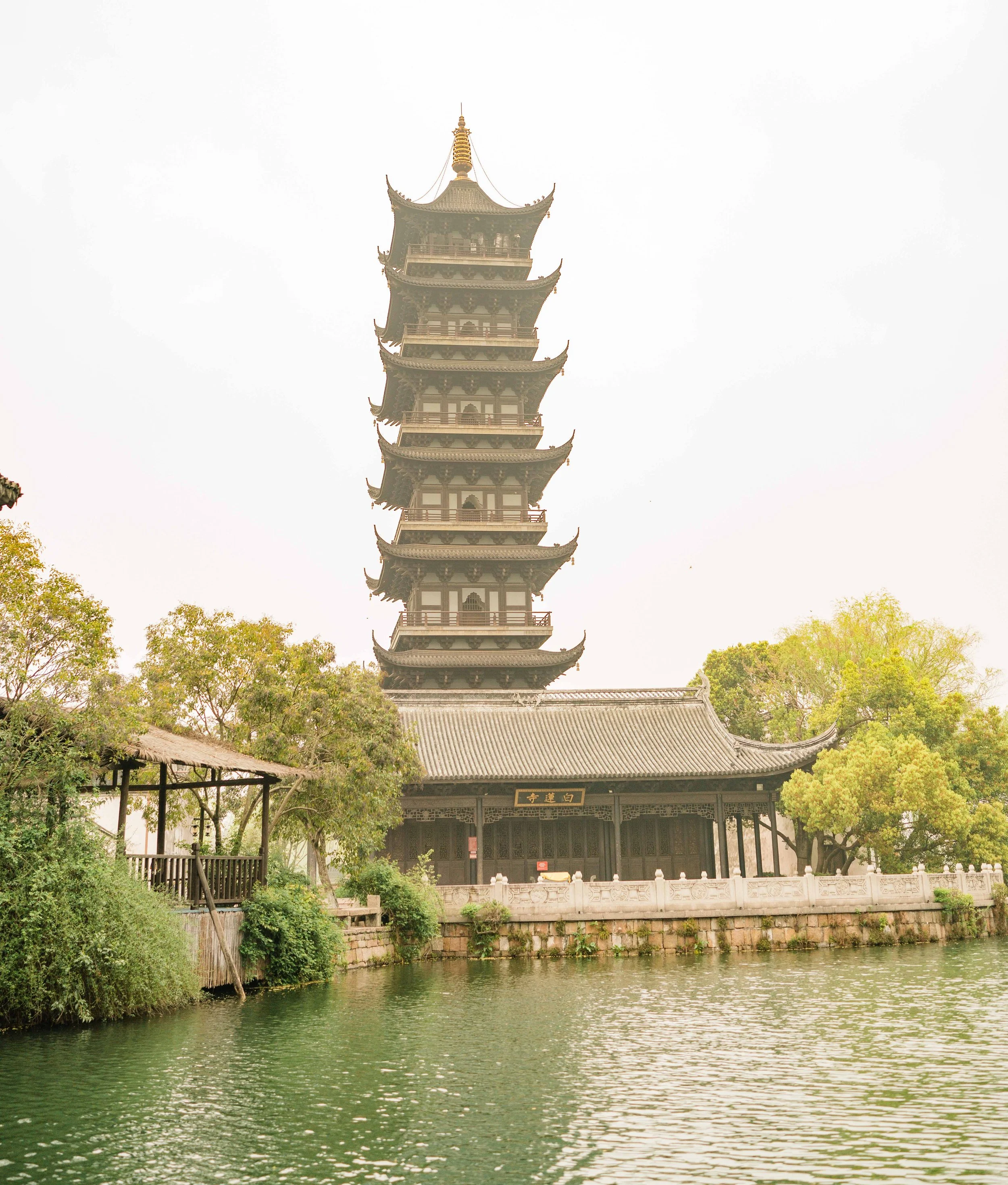
Wuzhen rests along the Beijing-Hangzhou Grand Canal (京杭大运河), the historic waterway that served as the economic lifeblood of ancient China. In eras past, goods, silk, tea, and porcelain traversed this intricate labyrinth of canals, fueling the region's prosperity. Even now, near the White Lotus Pagoda (白莲塔) at the town's edge where the canals meet the main river, you can still witness a bustling scene of boats coming and going.
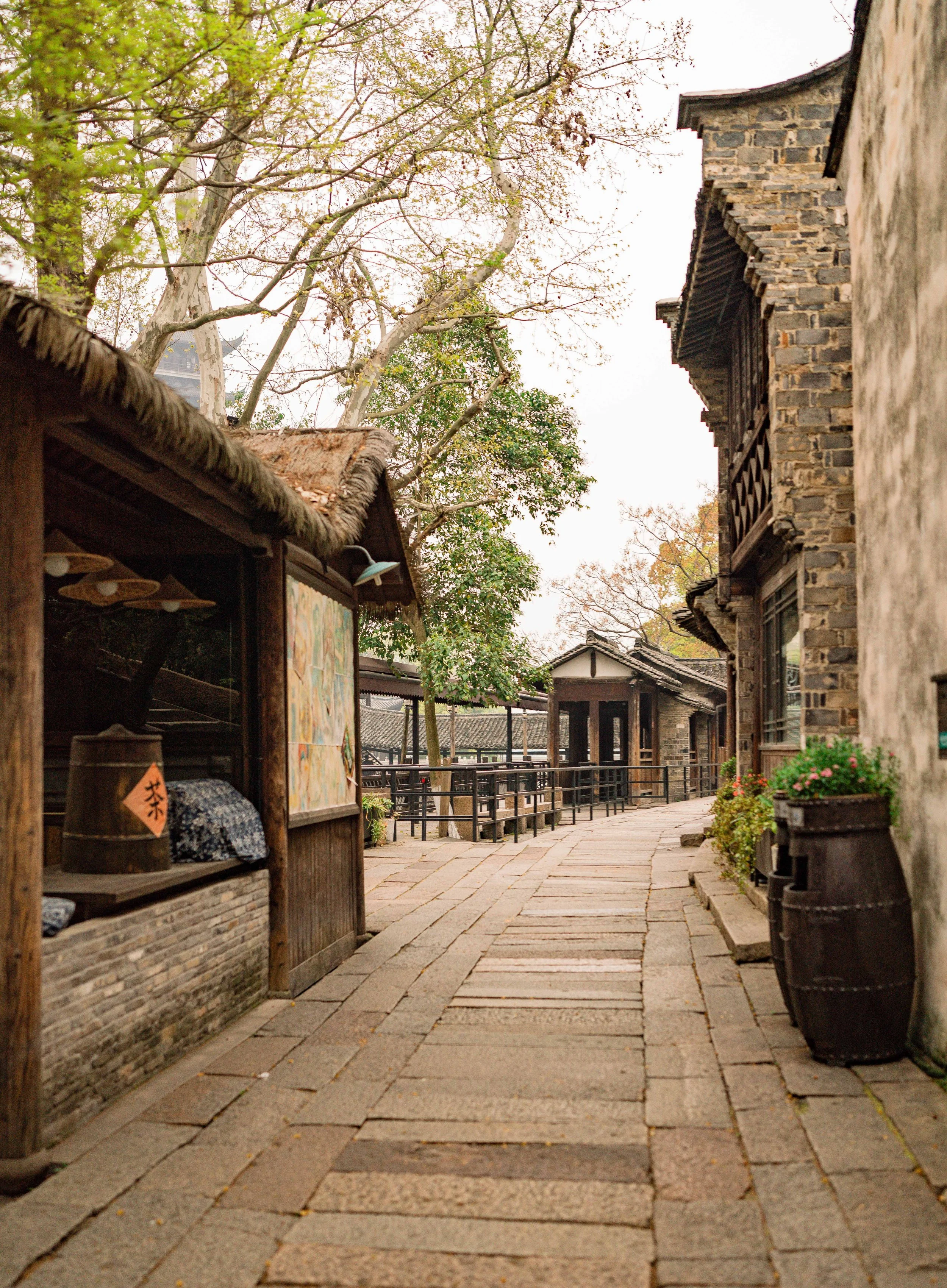
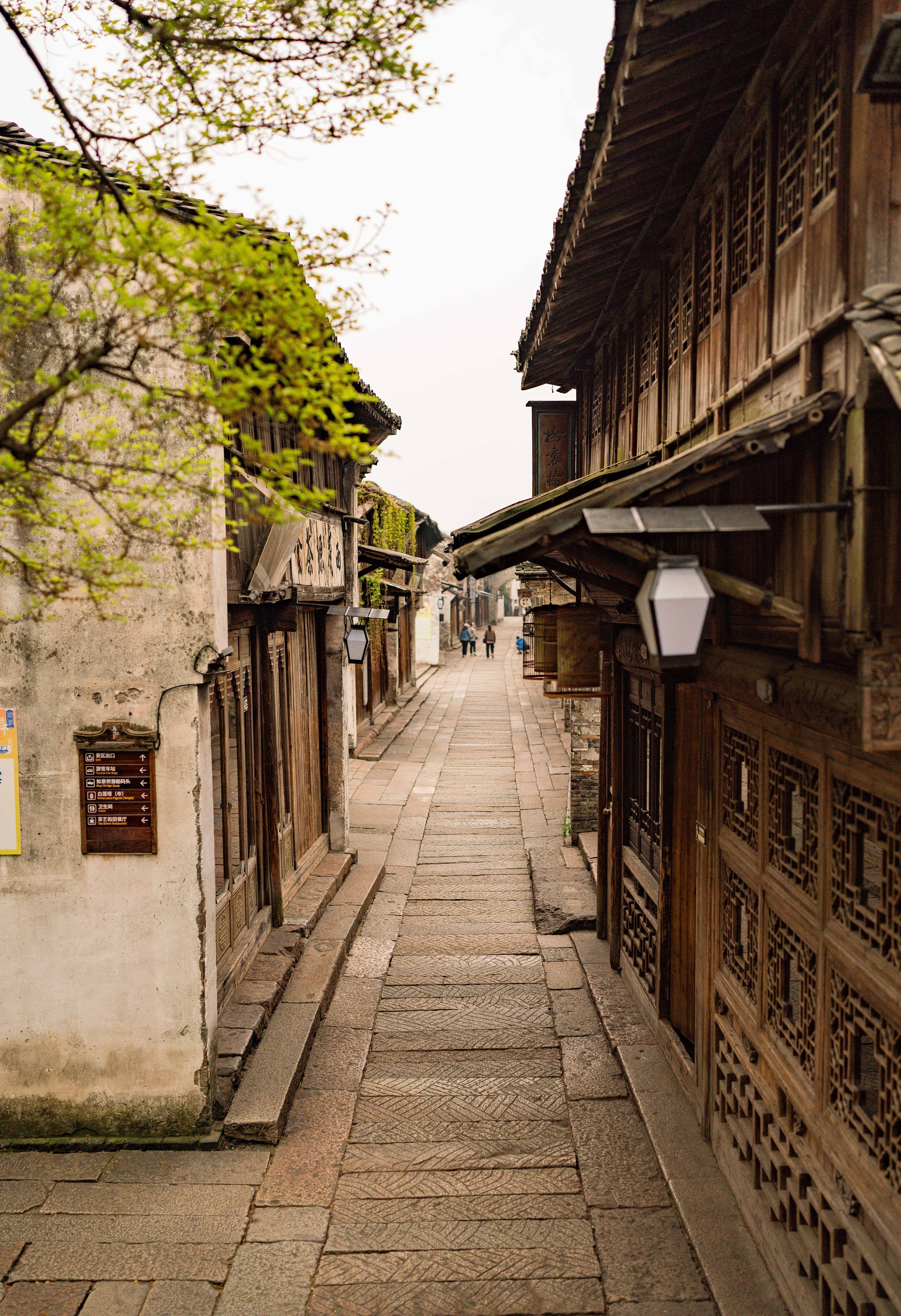
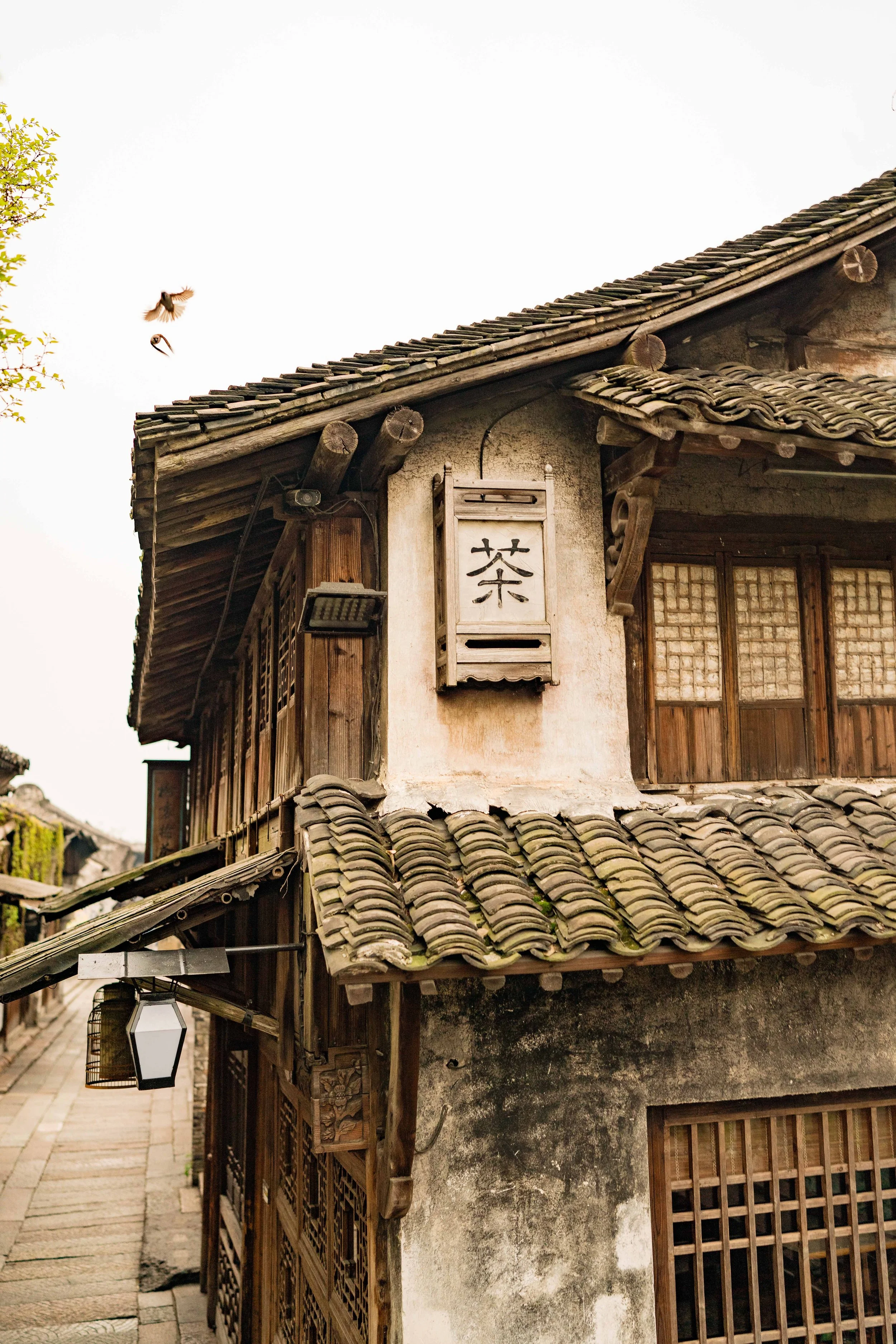
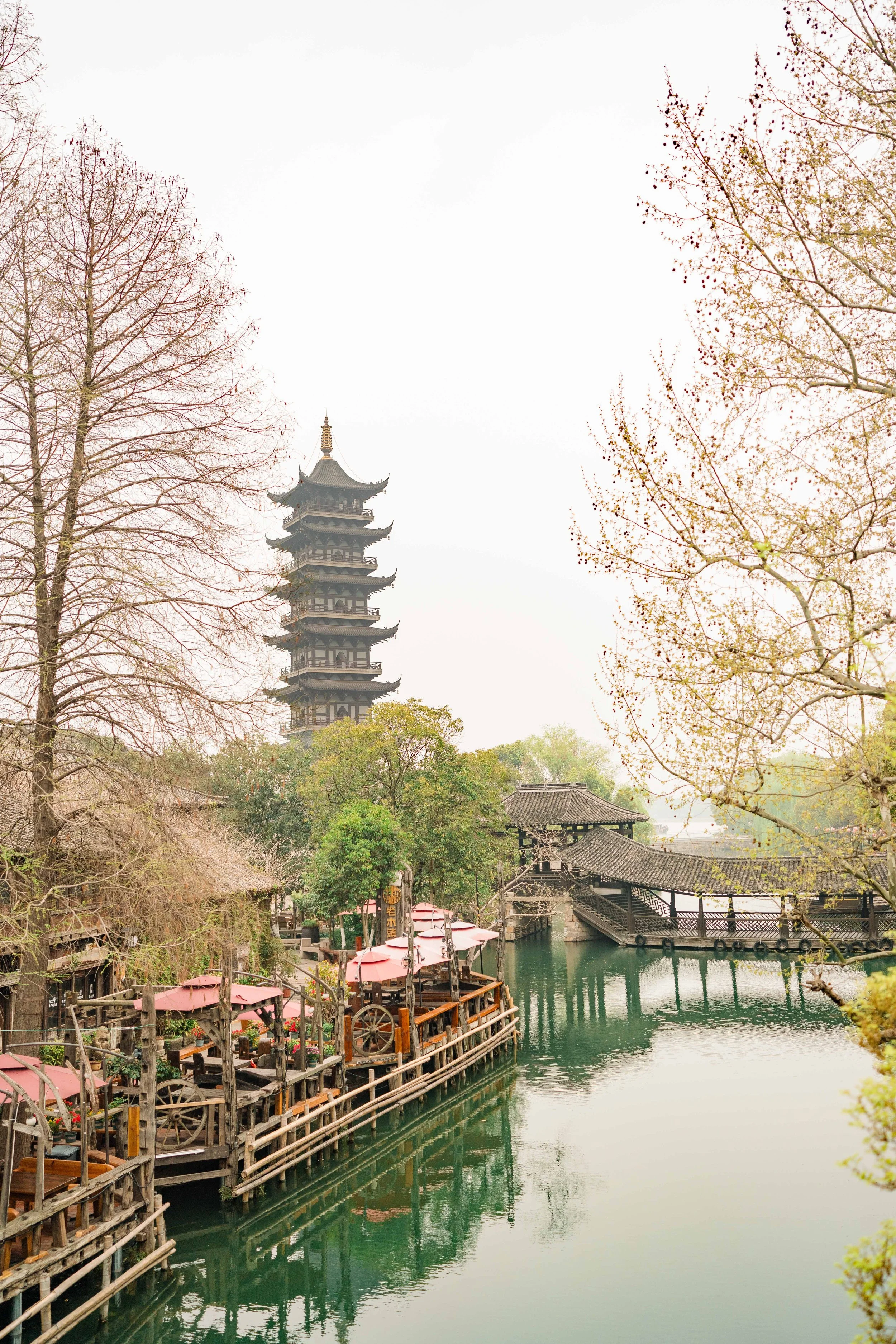
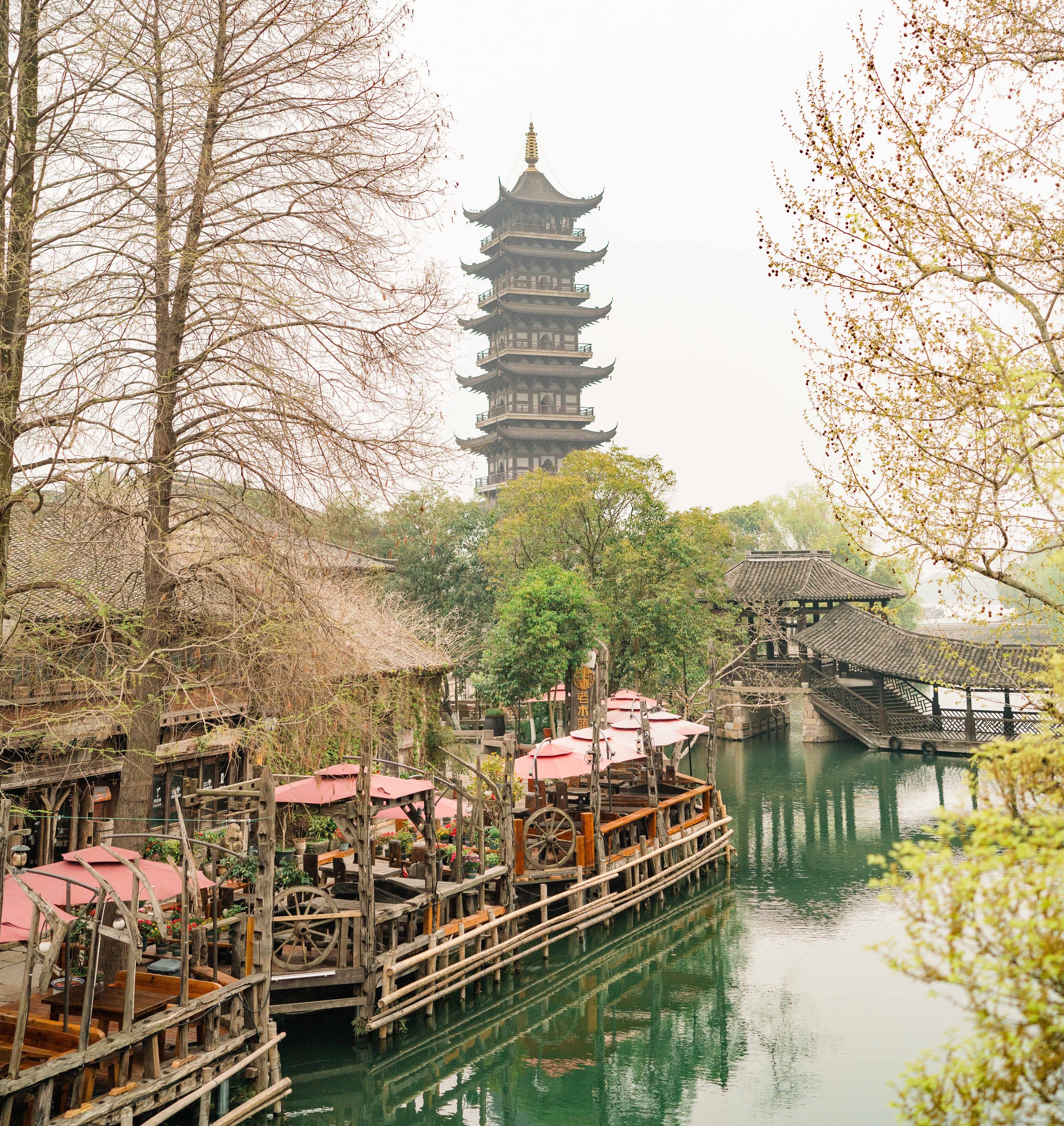
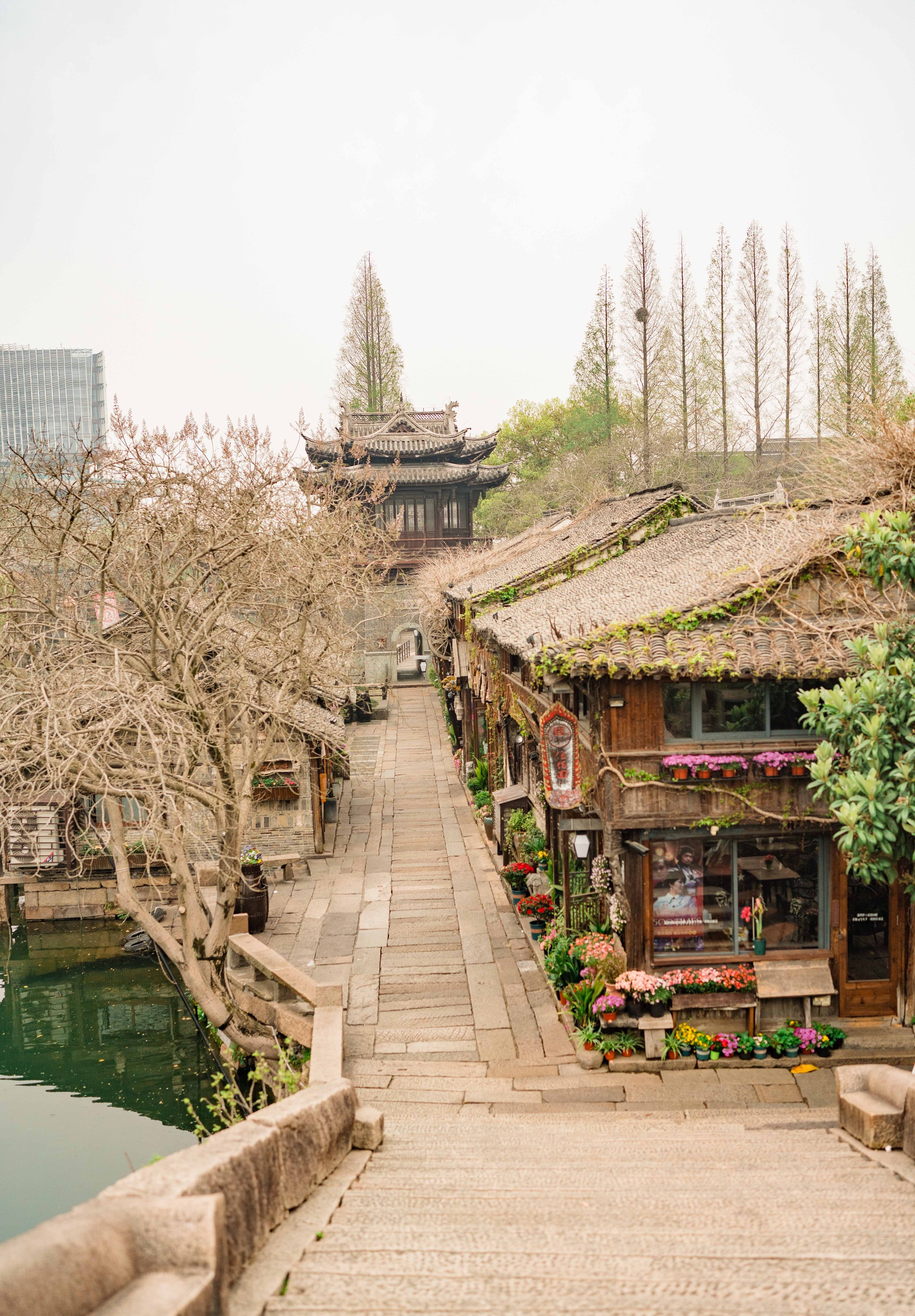
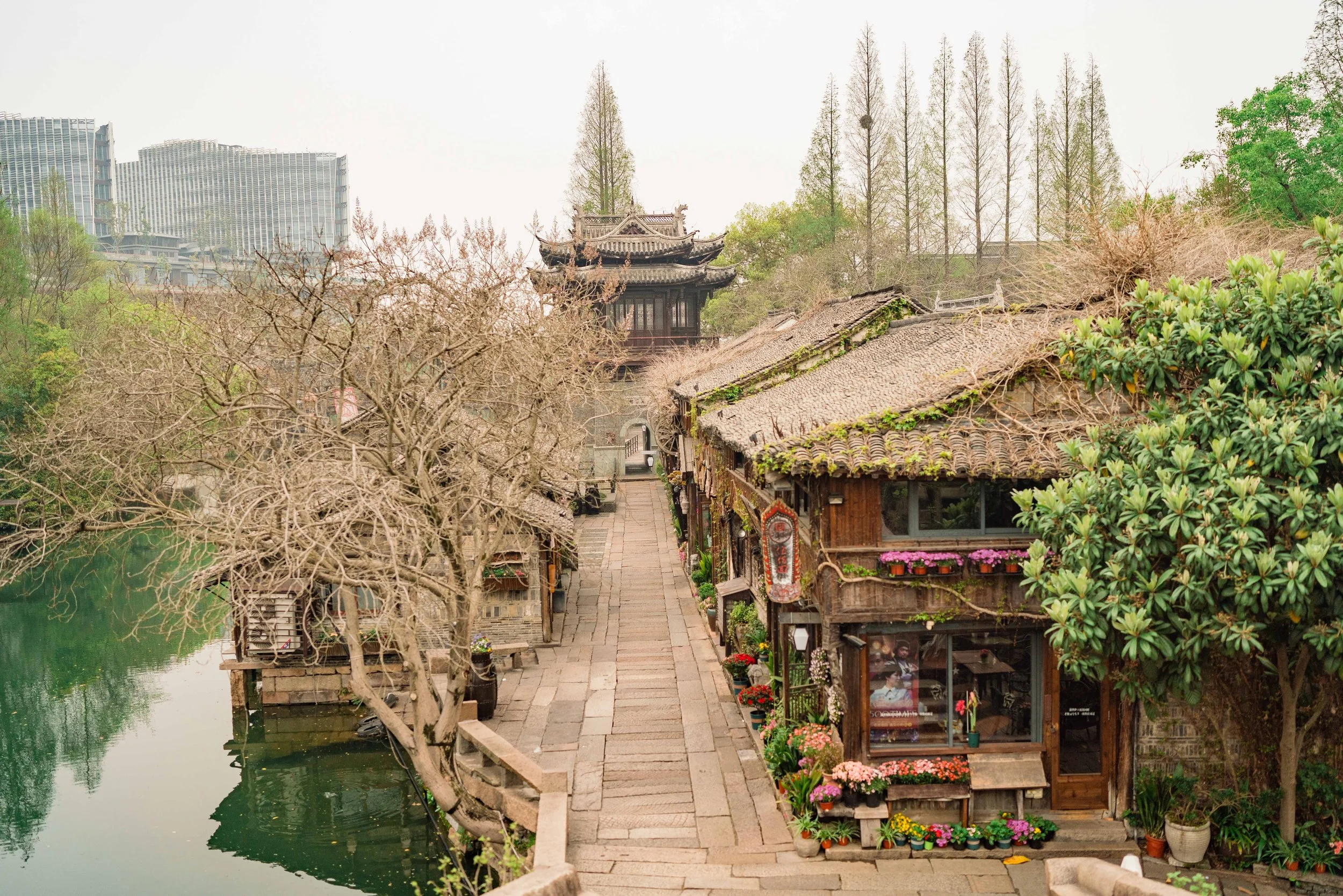
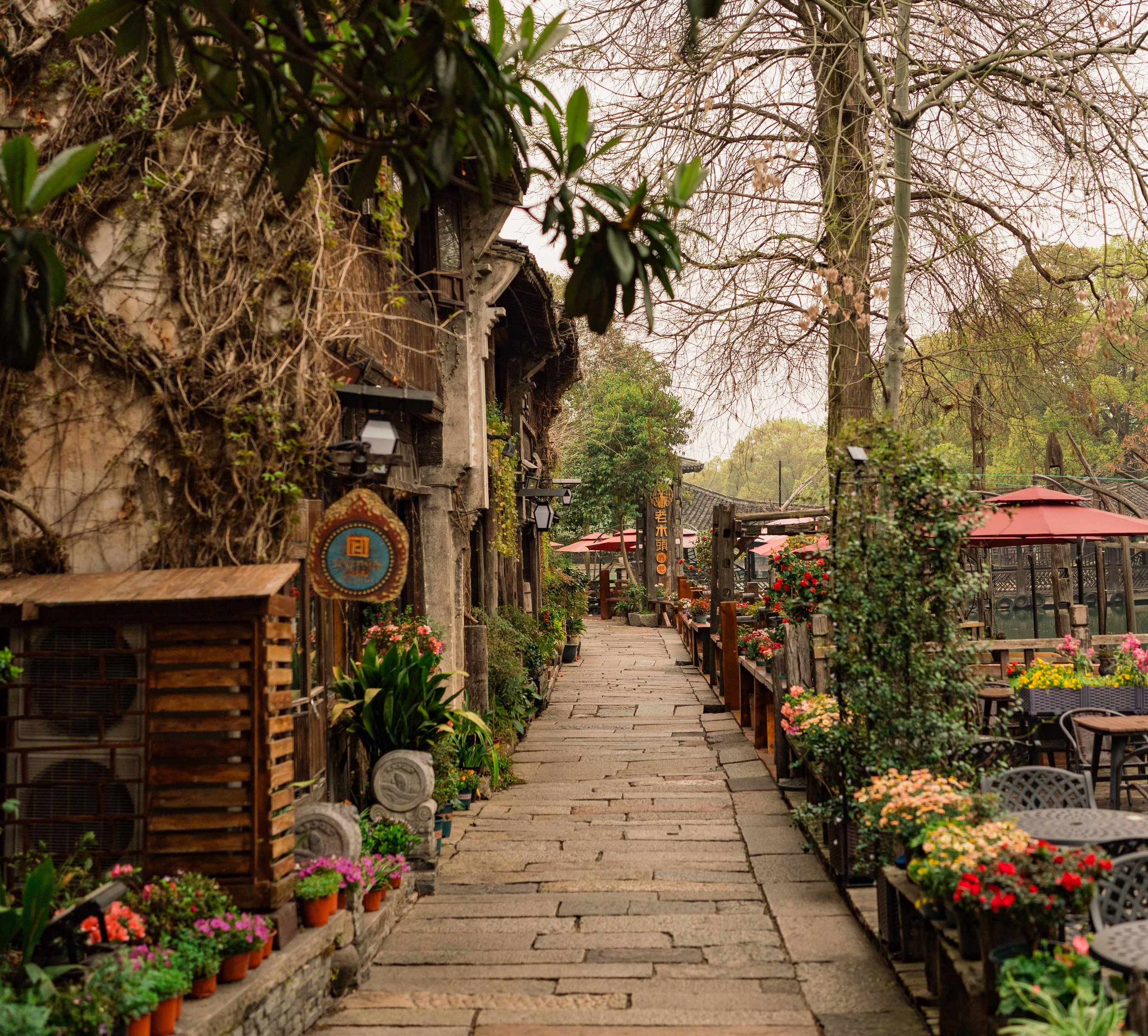
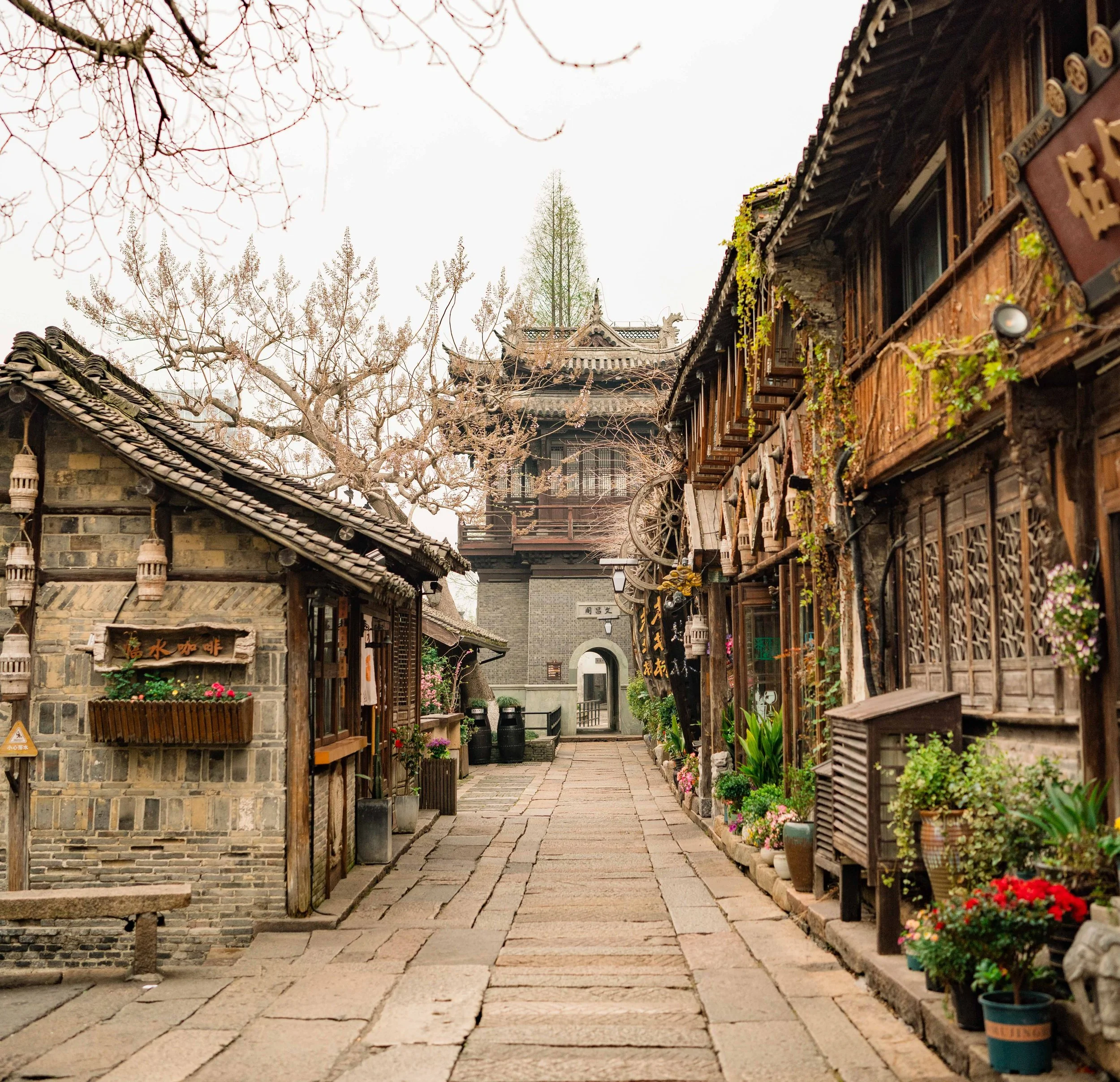
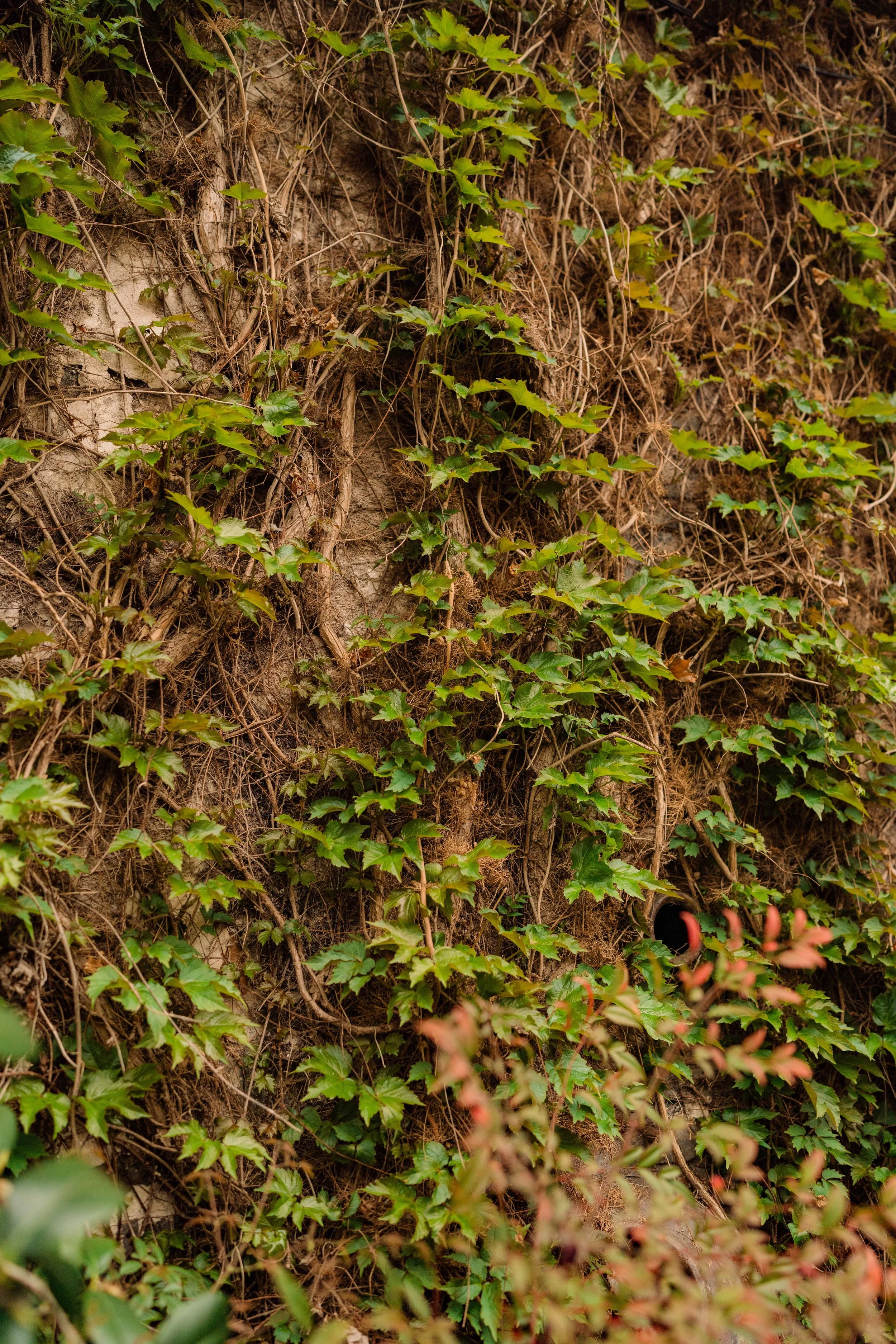
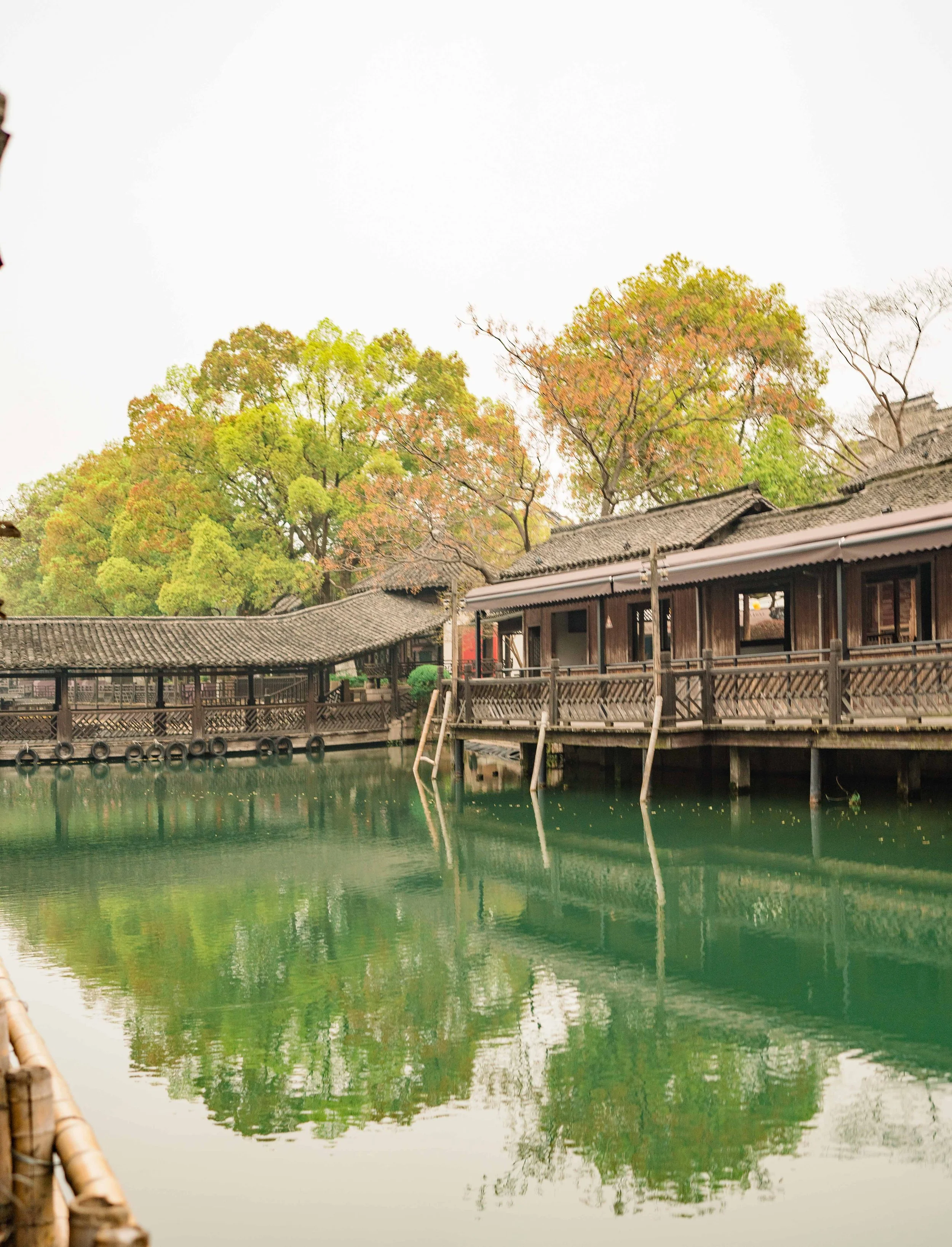
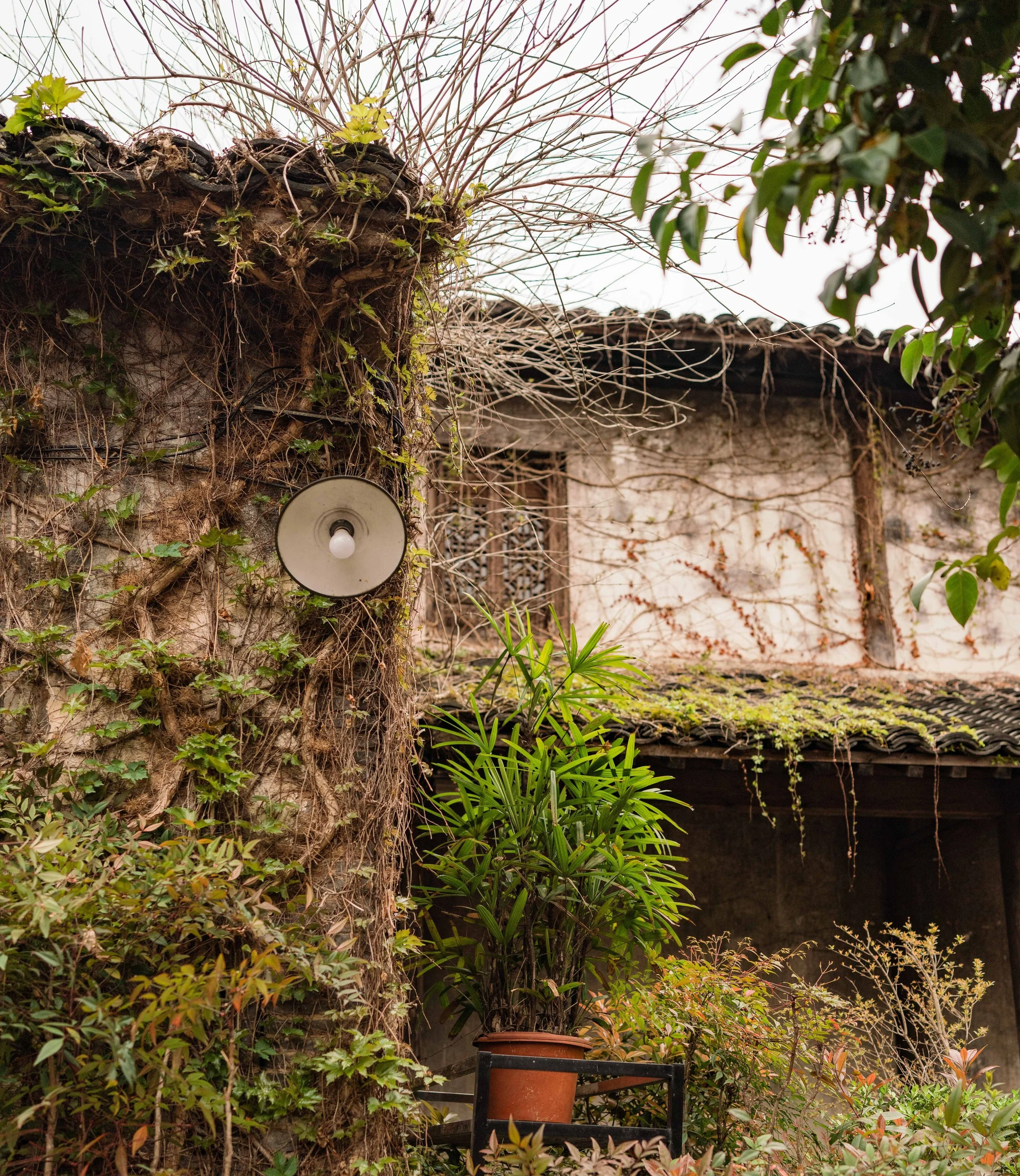
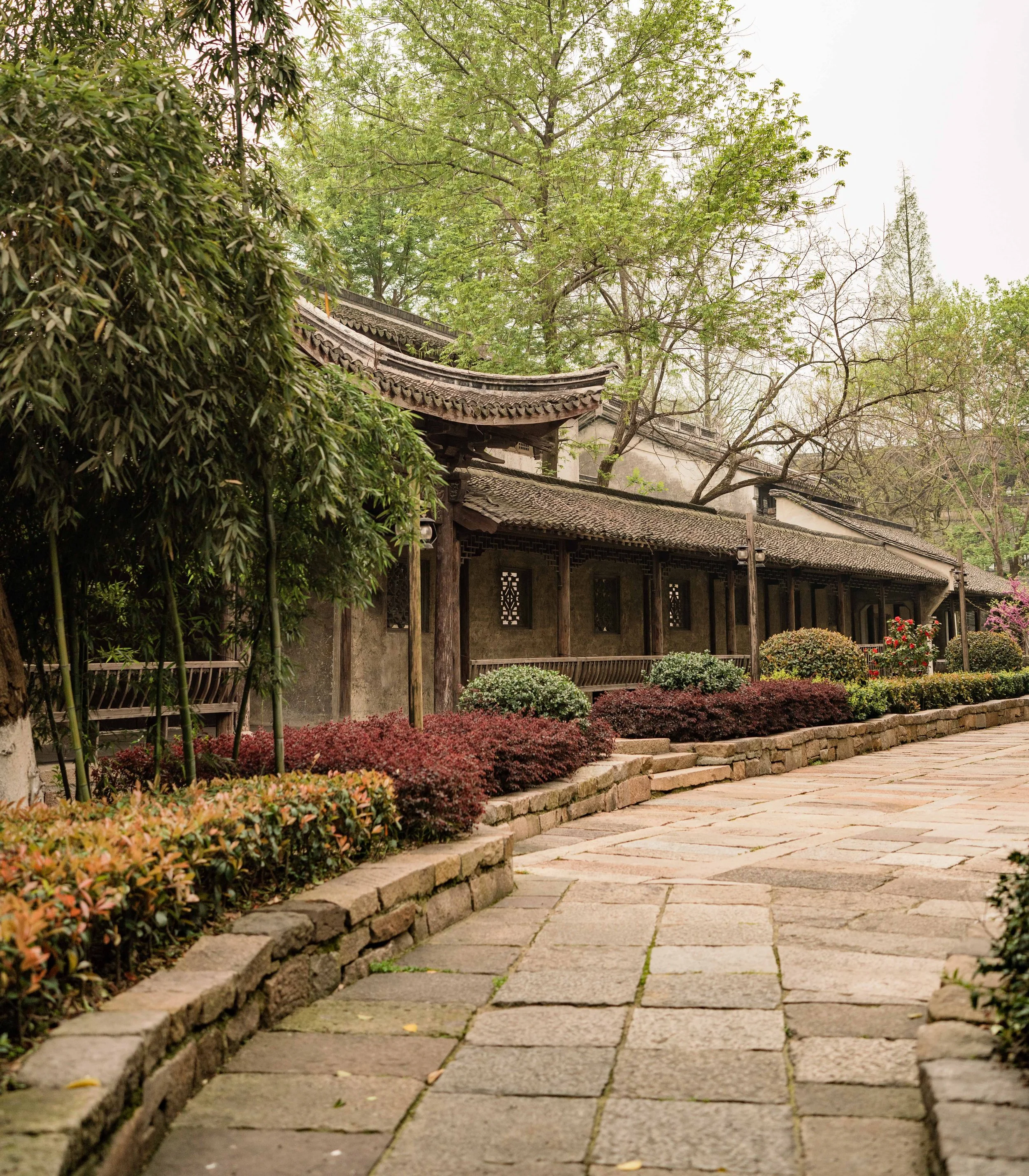
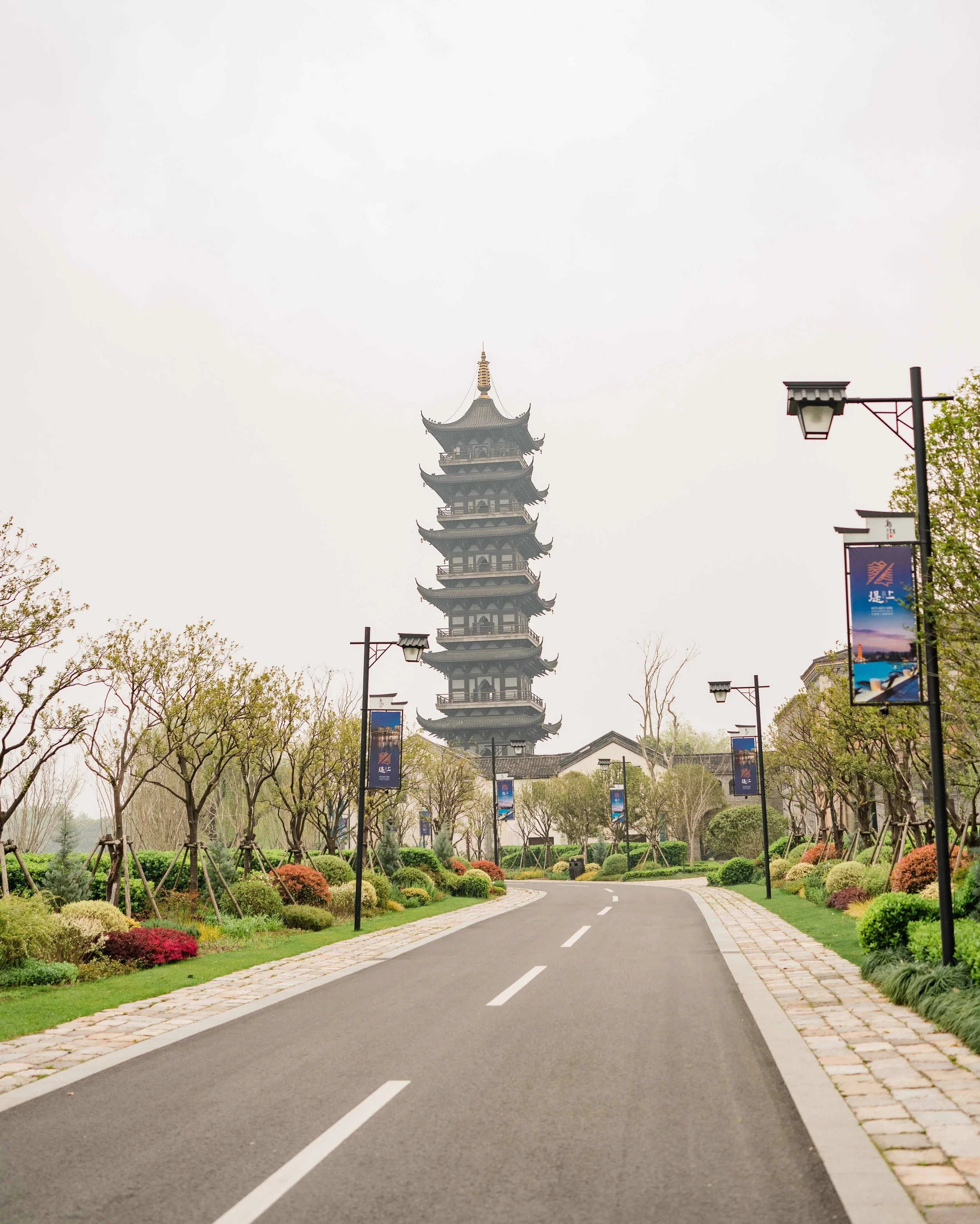
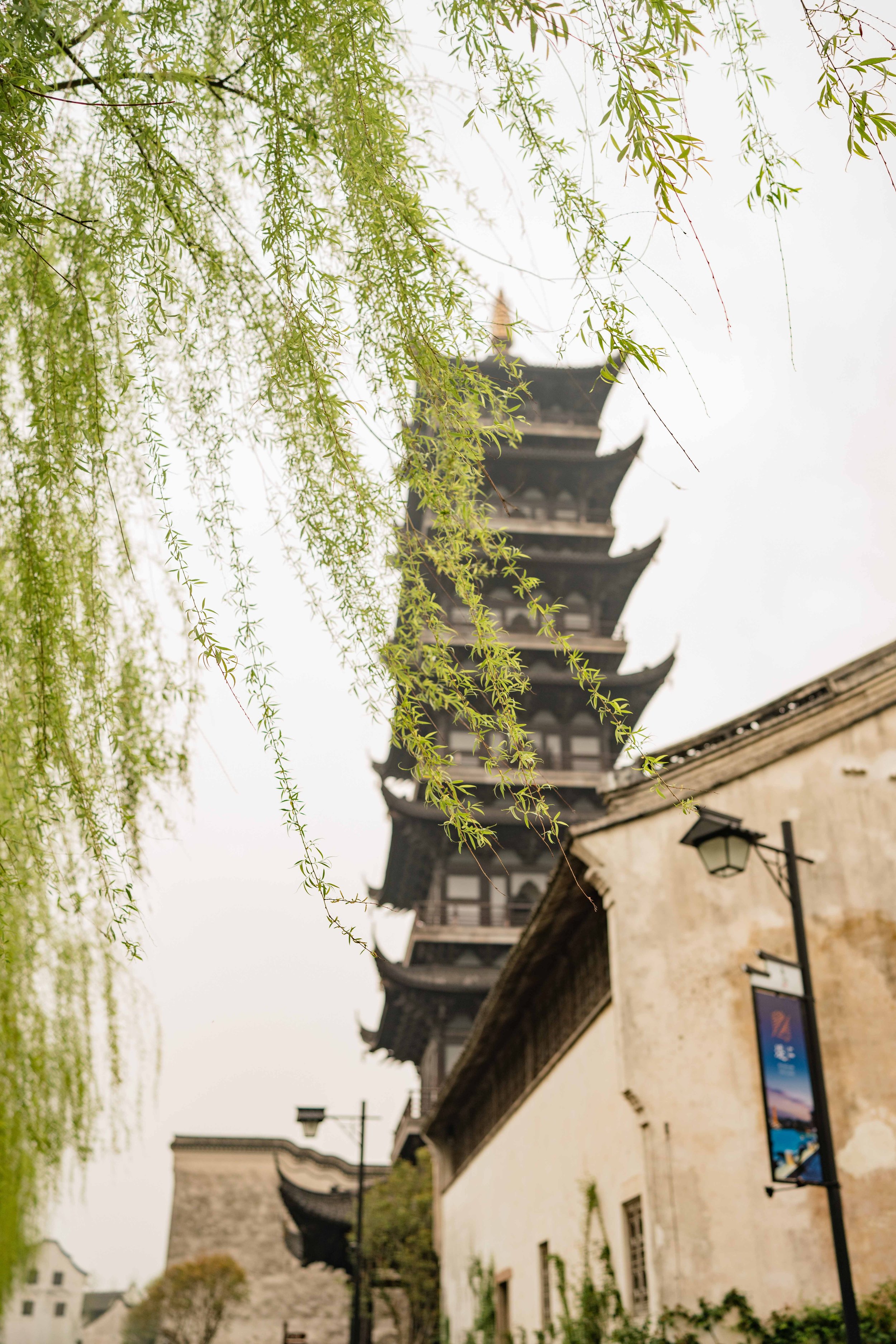
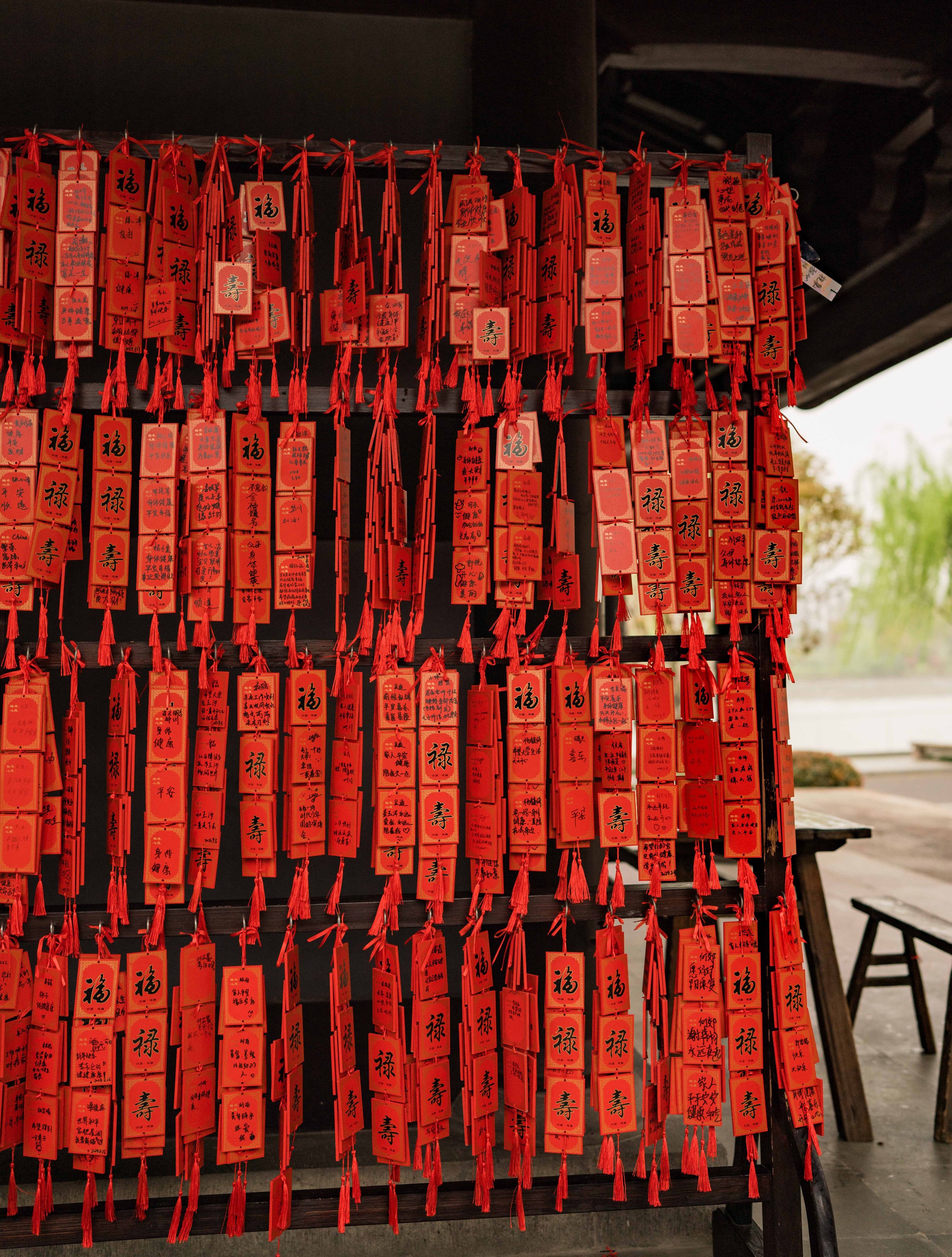
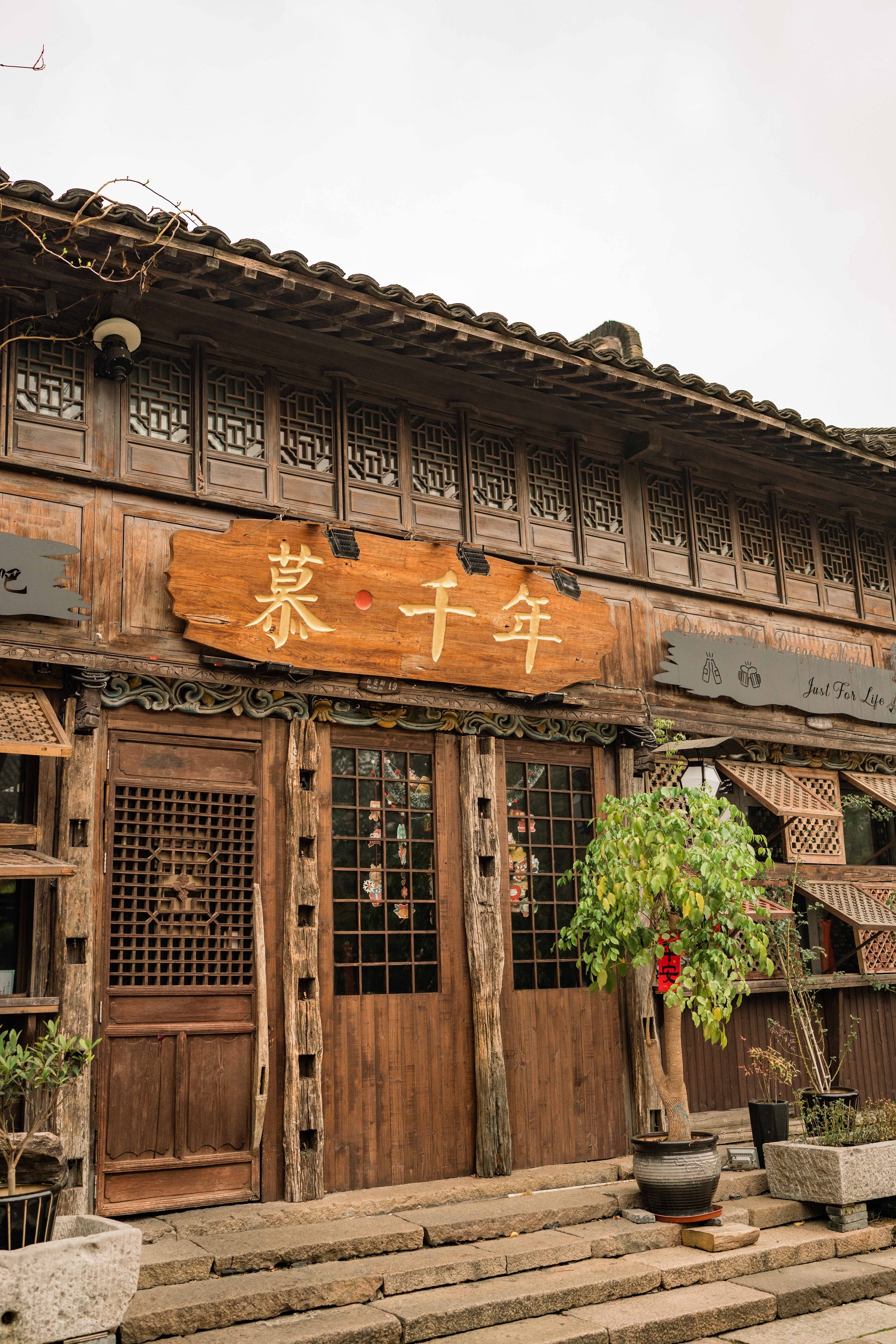
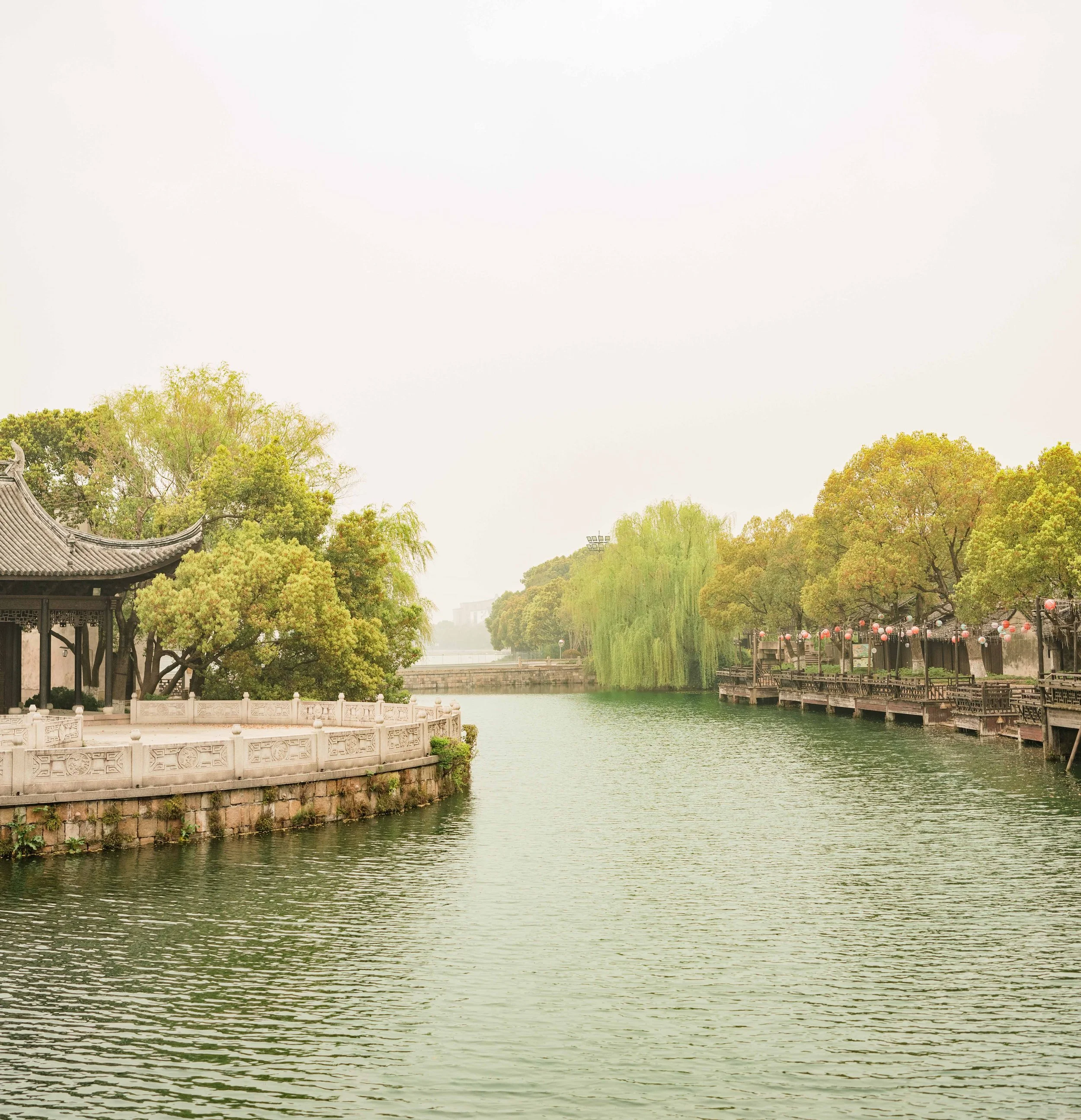
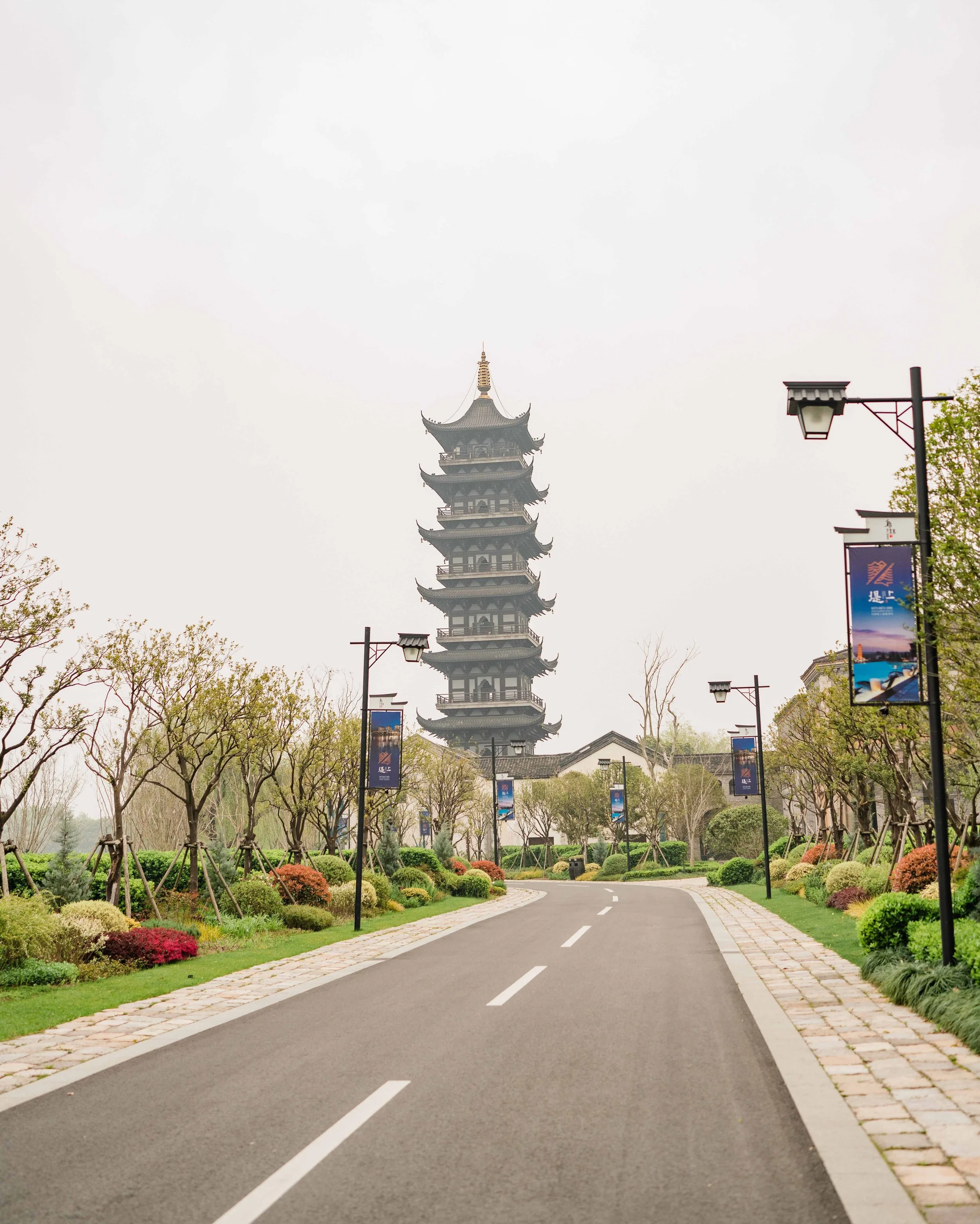
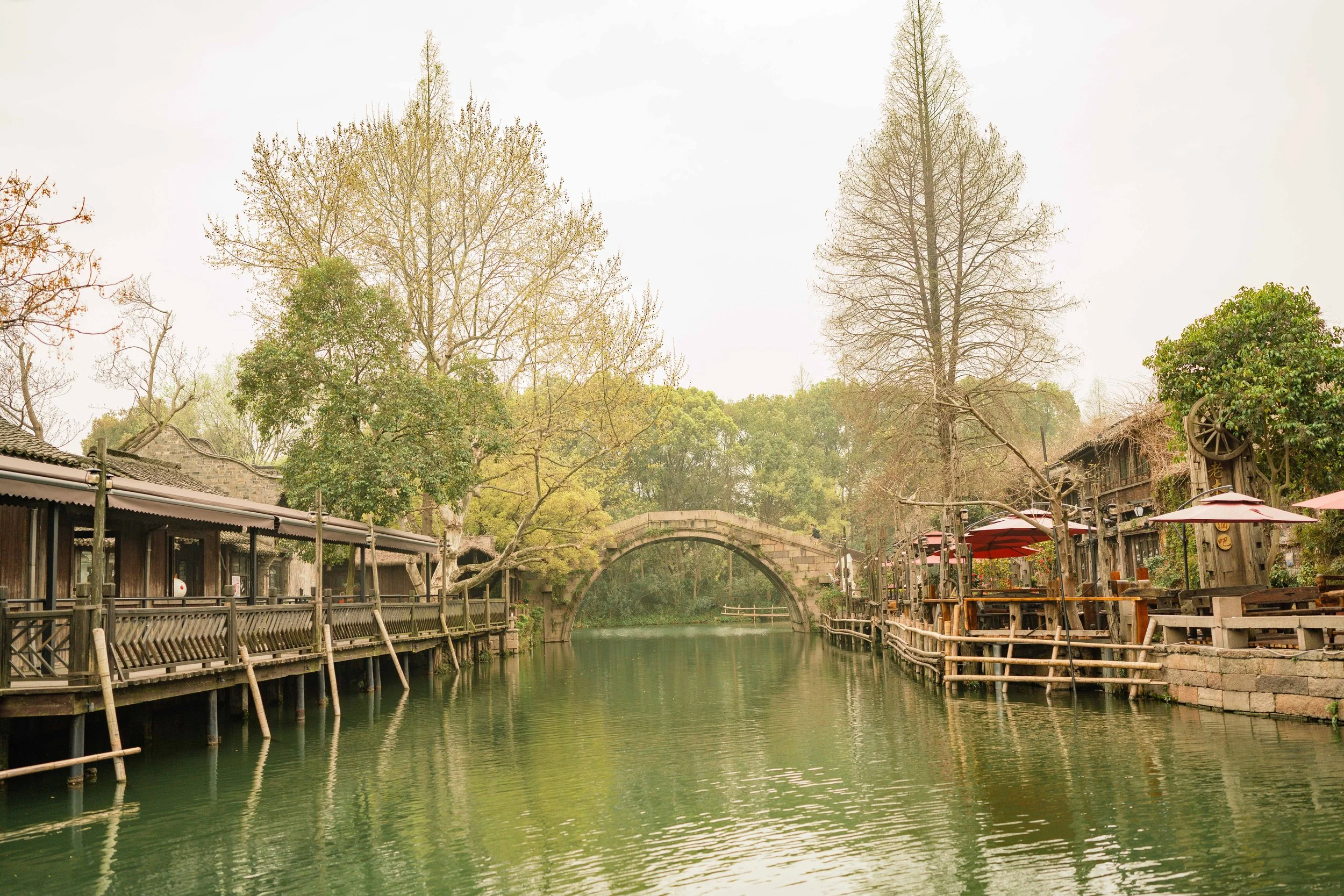
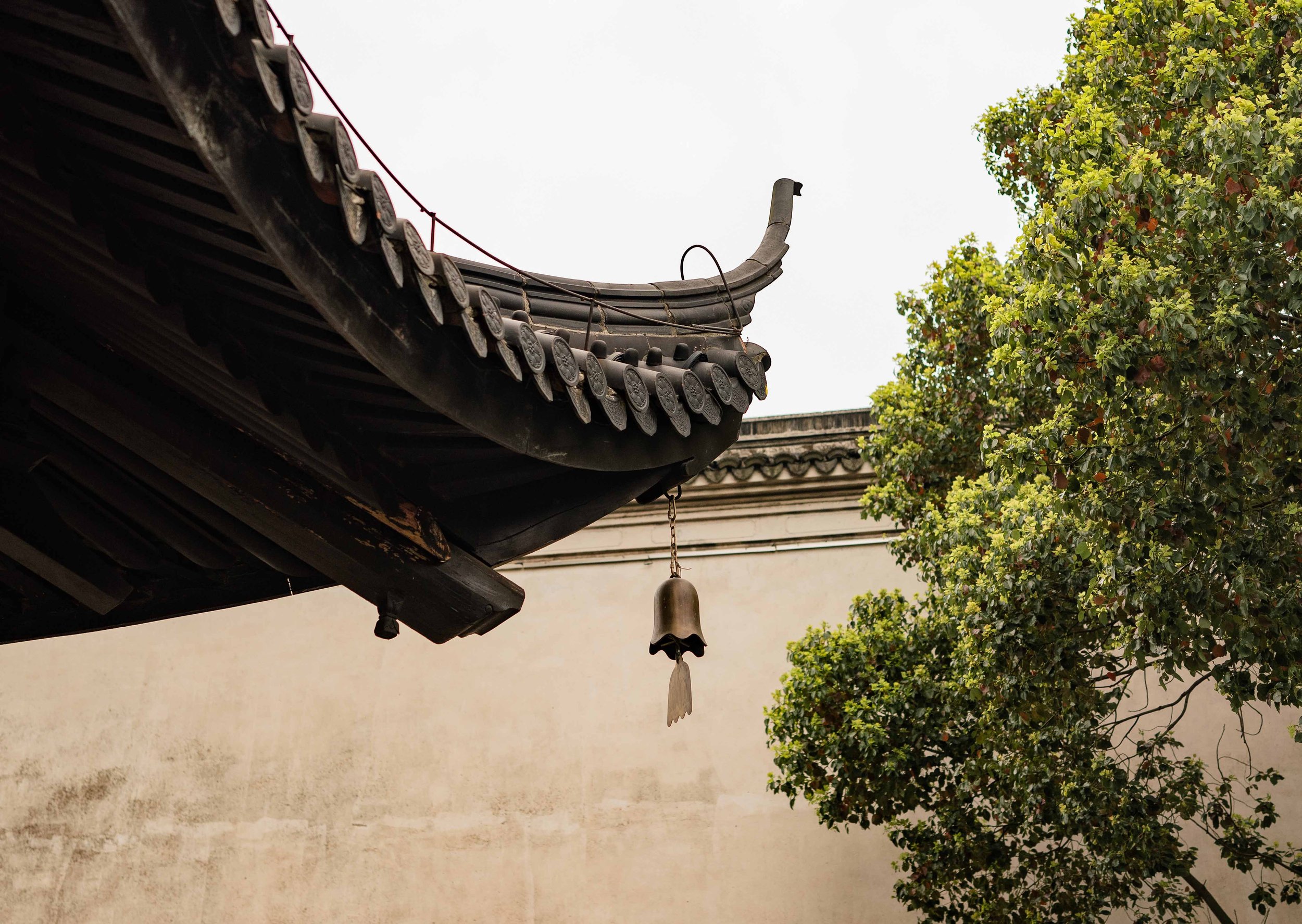
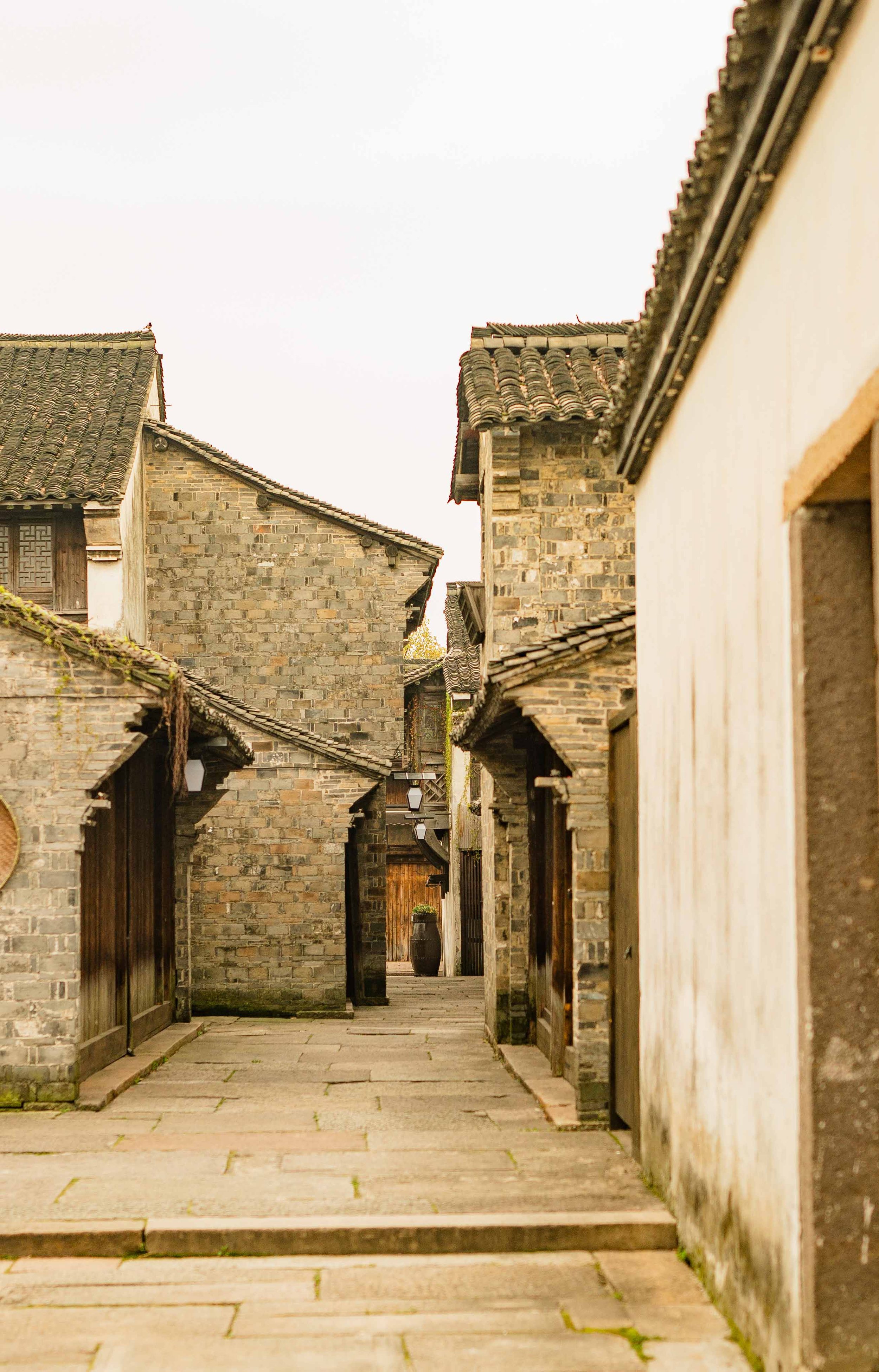
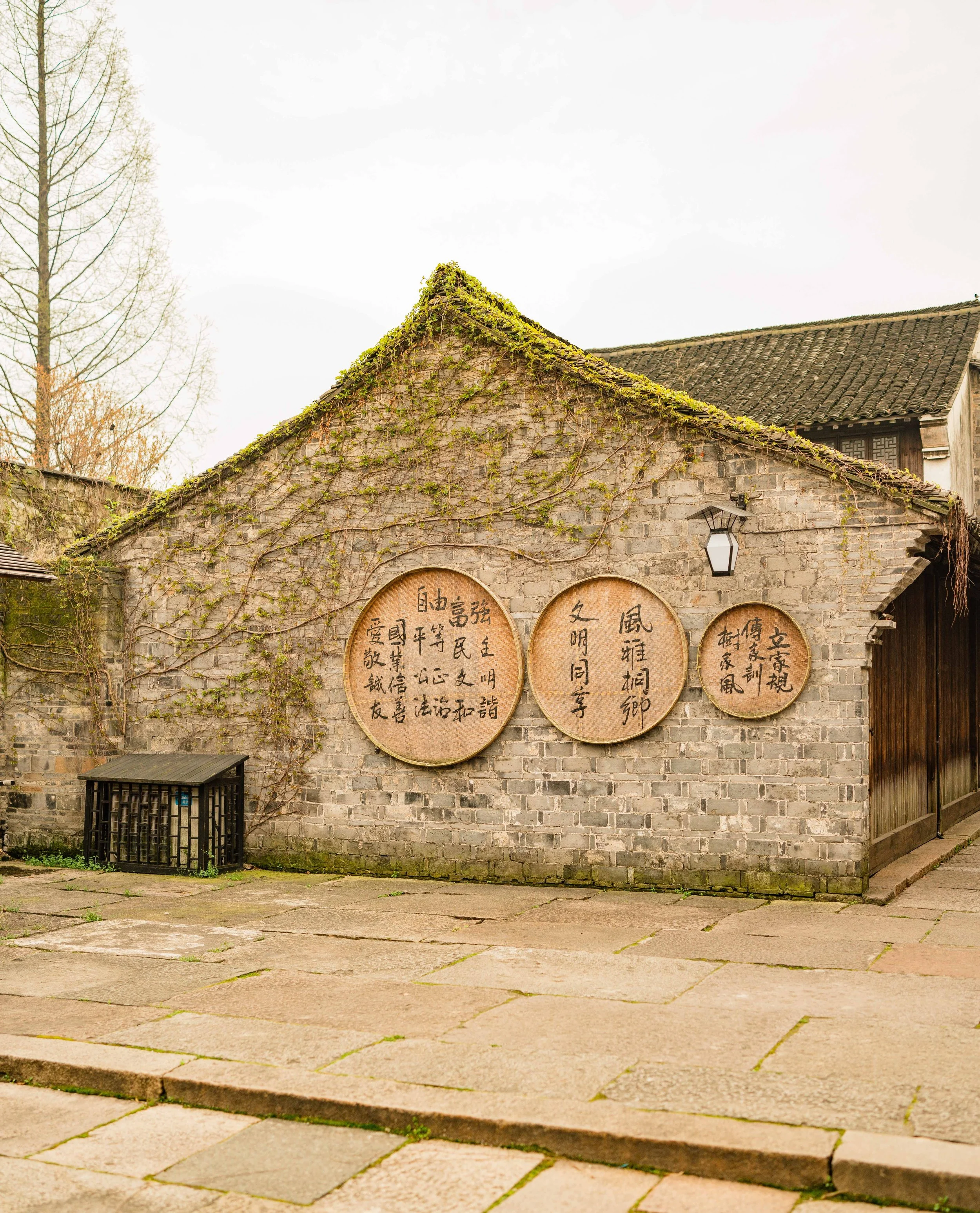
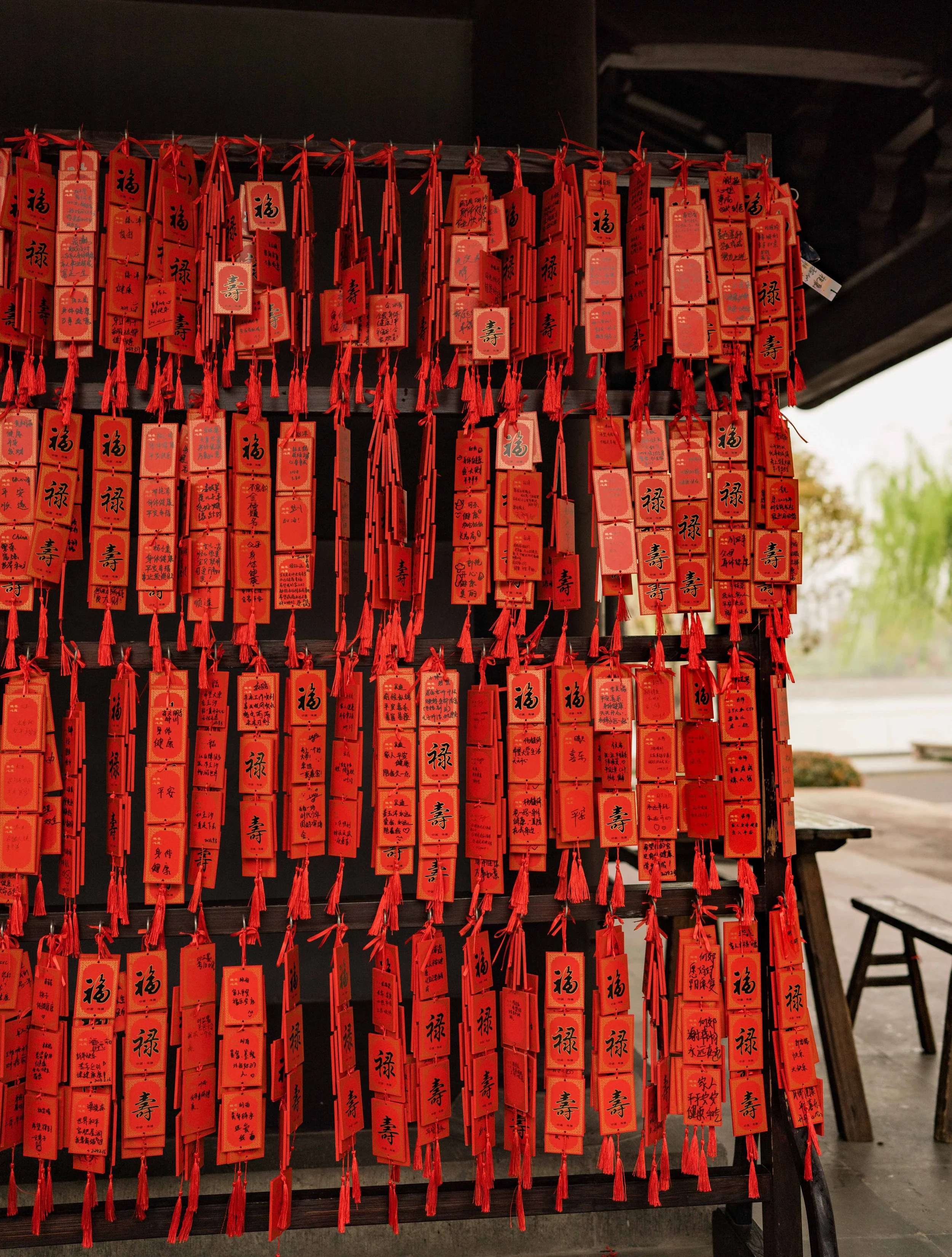
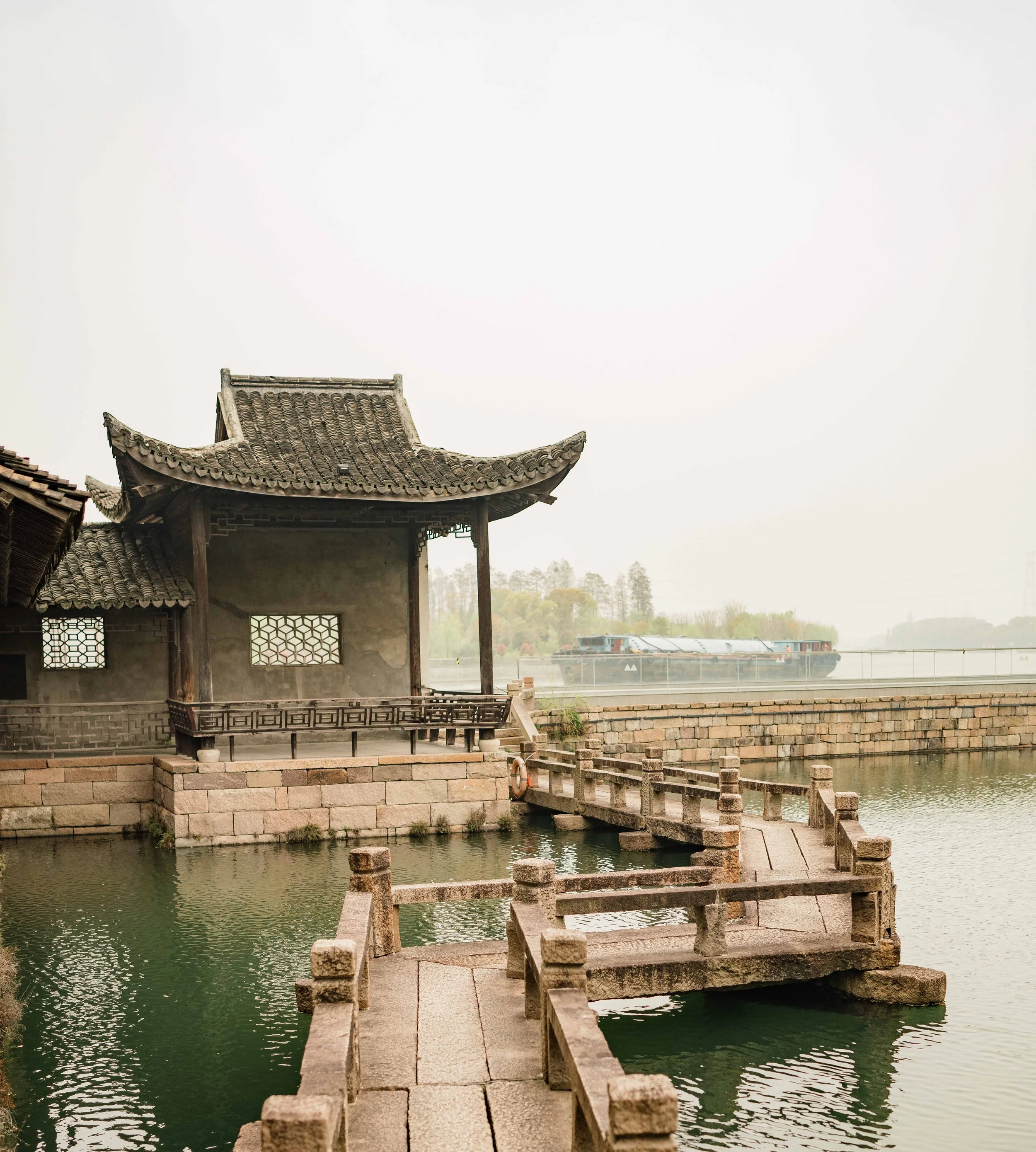
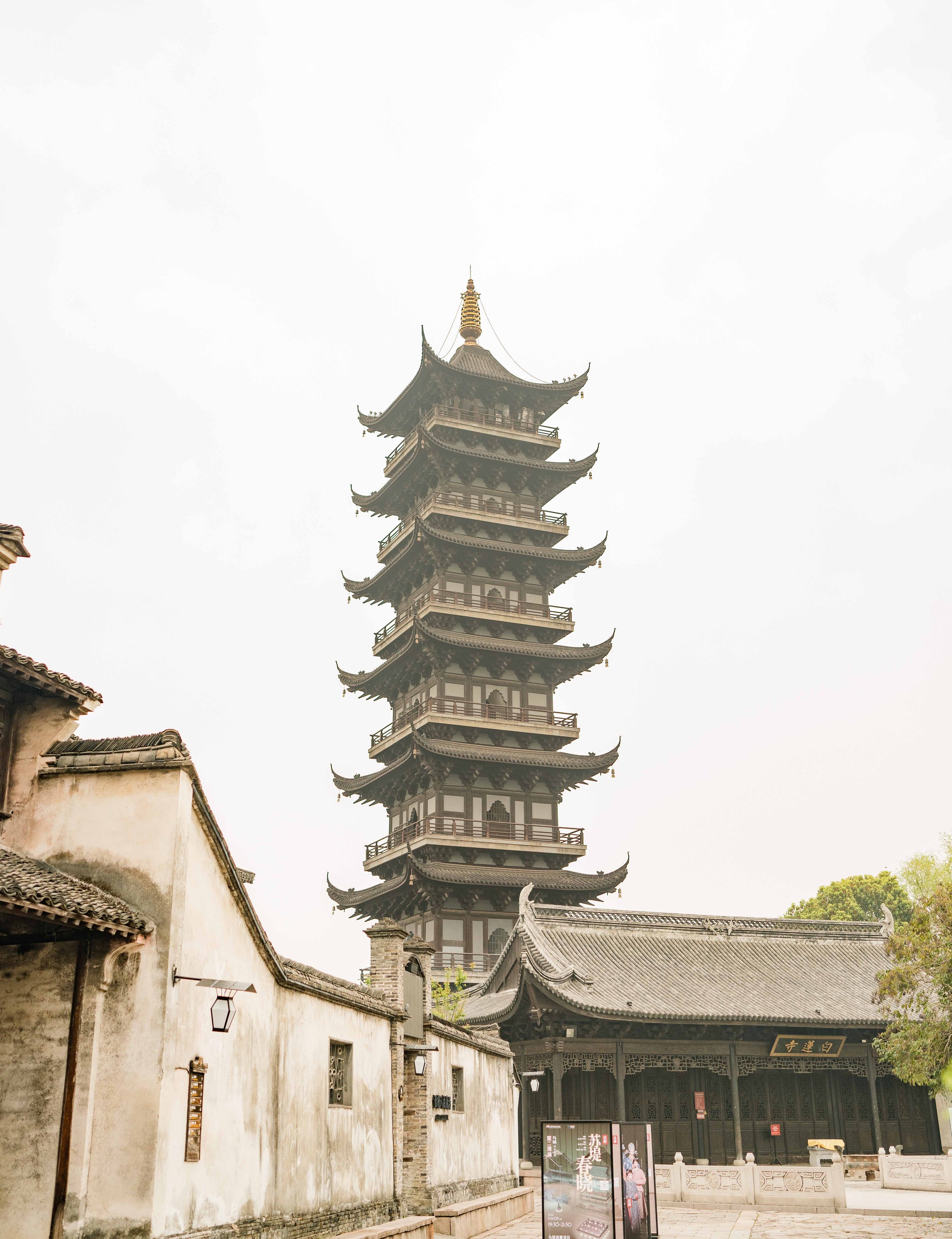
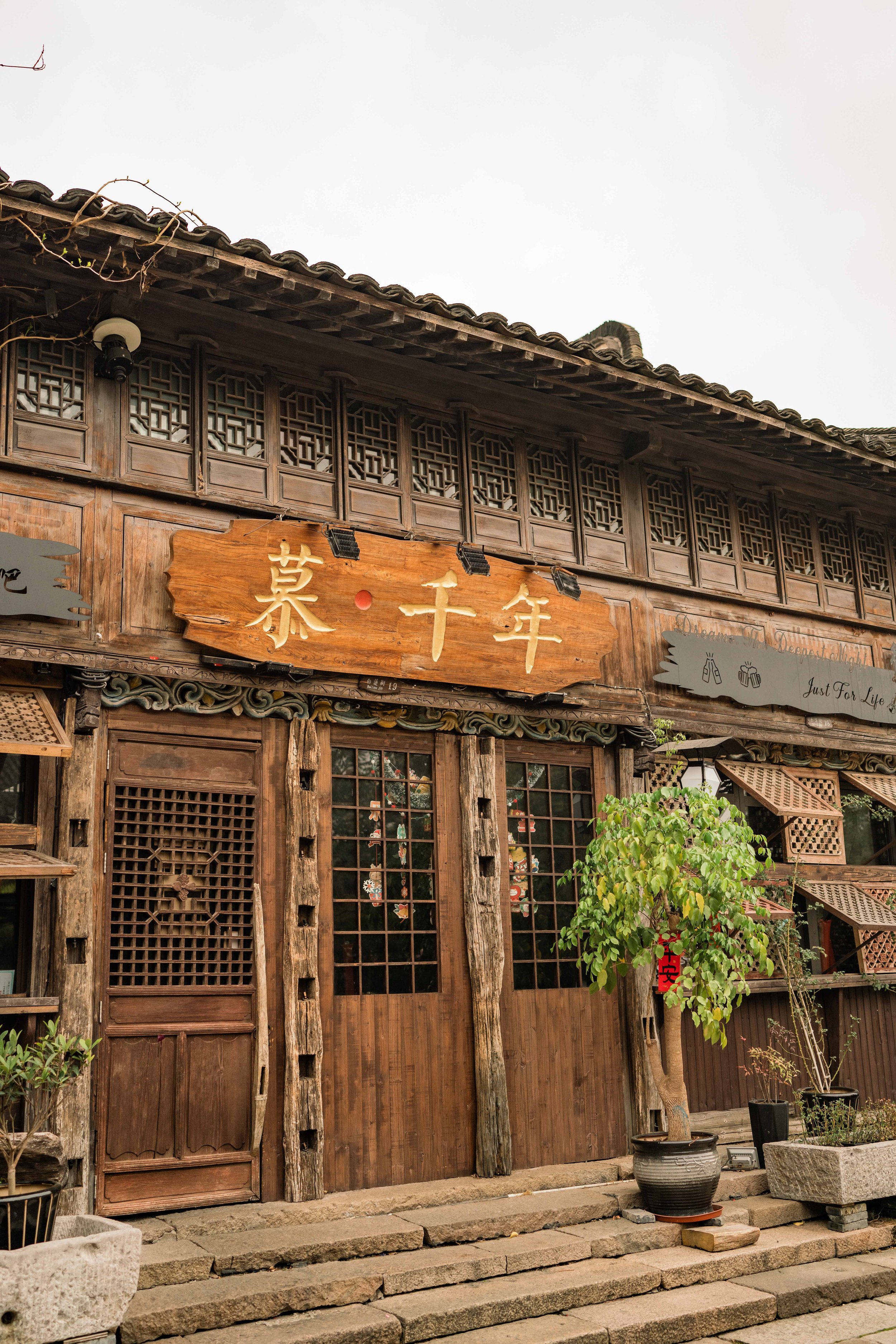
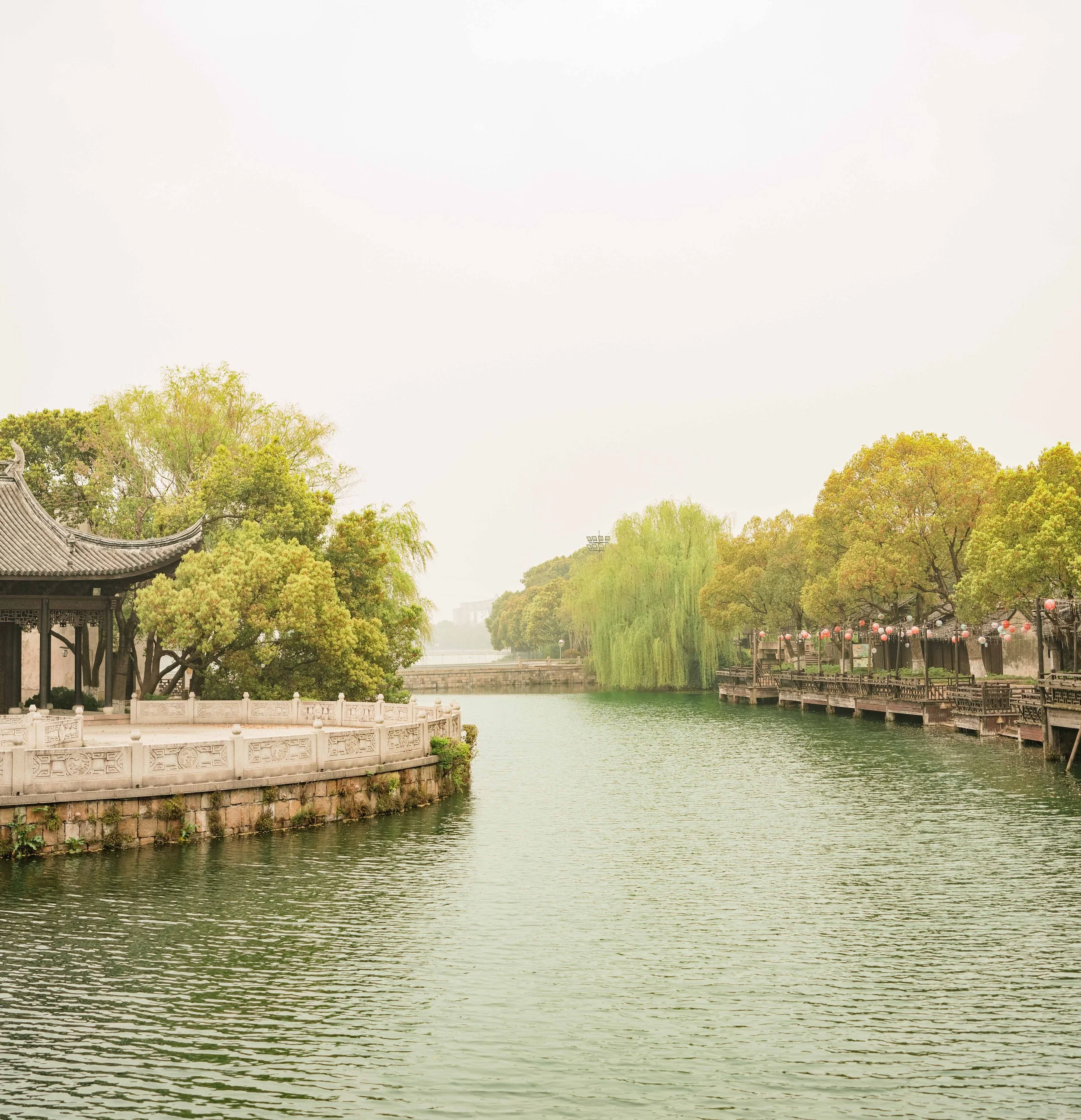
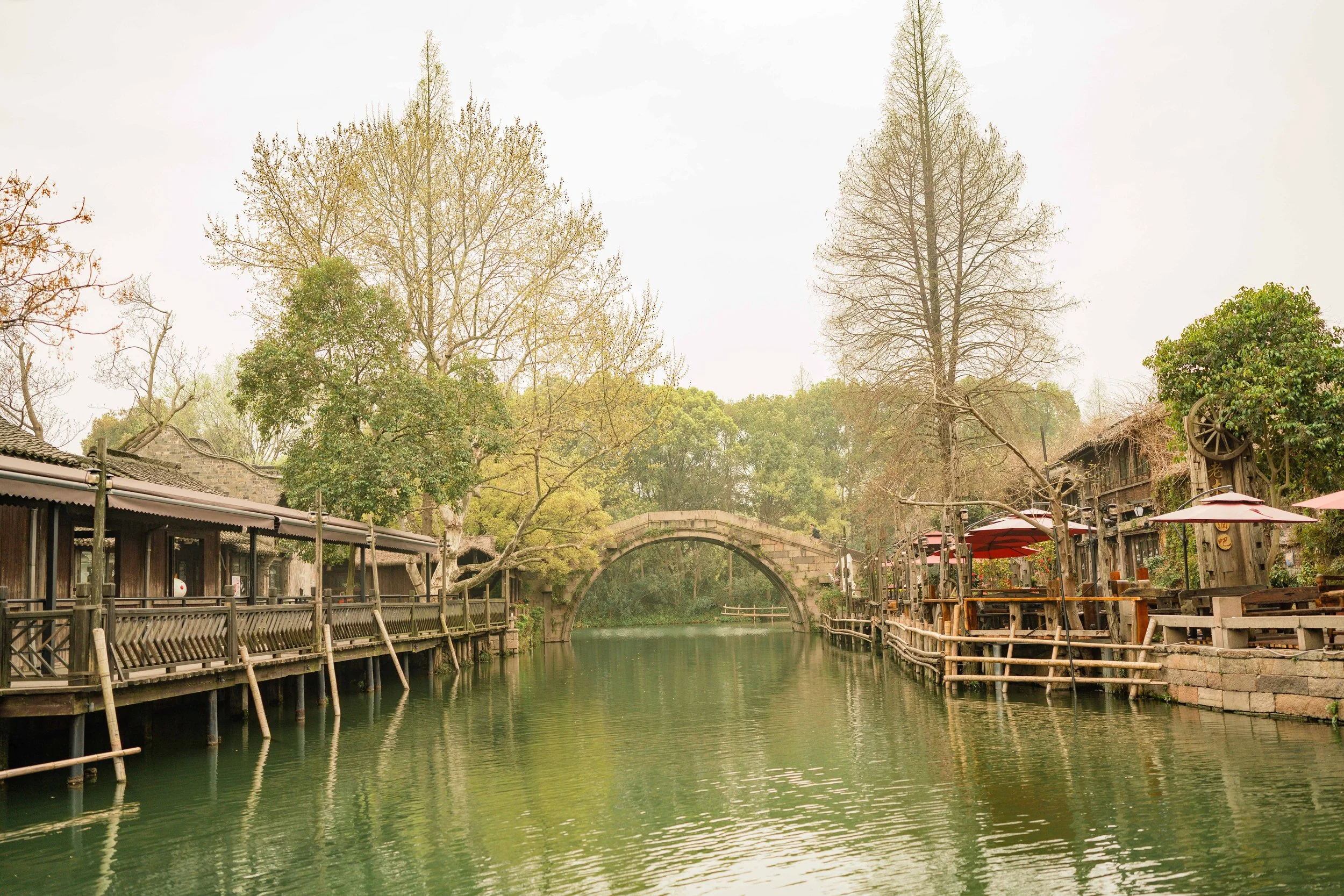
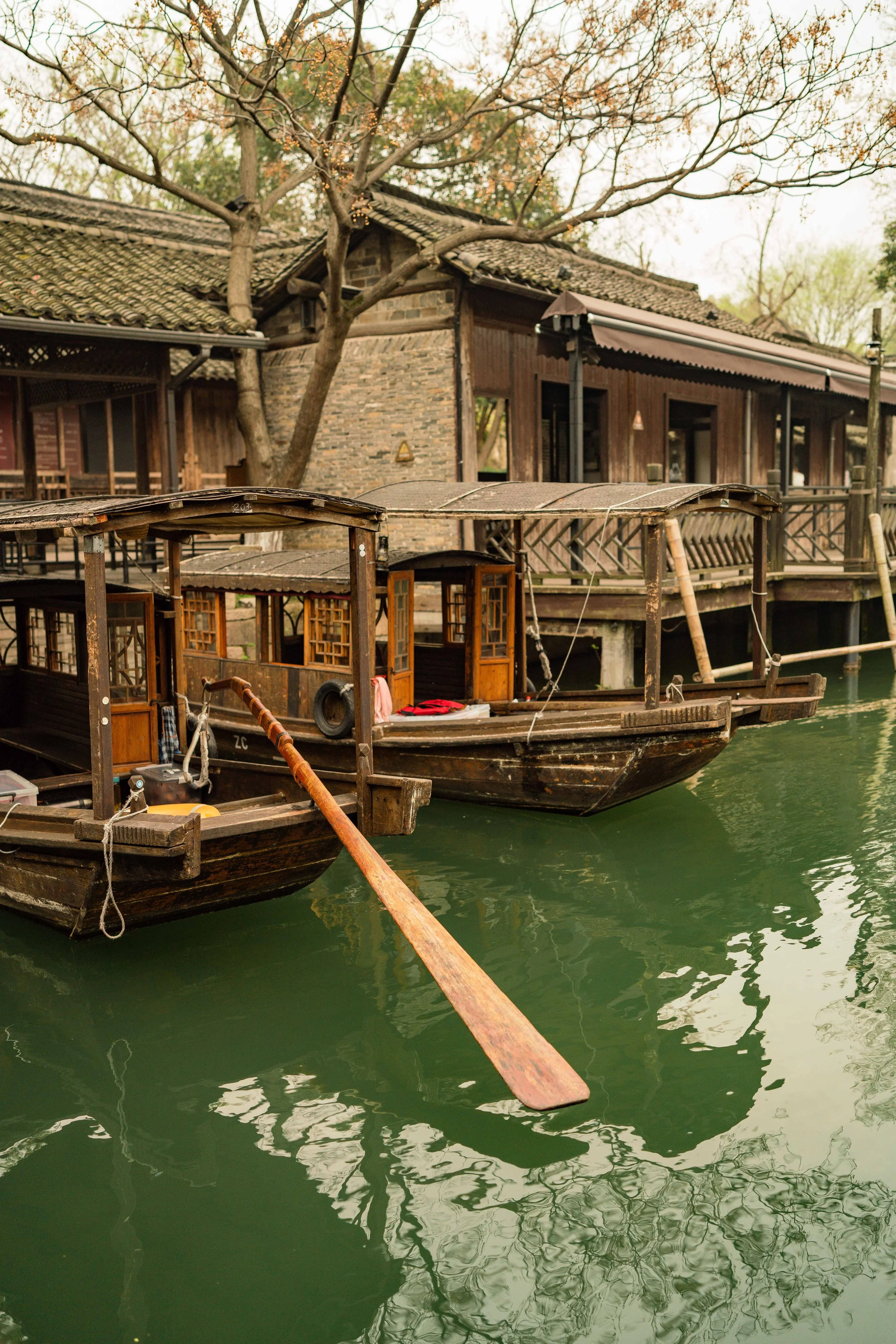
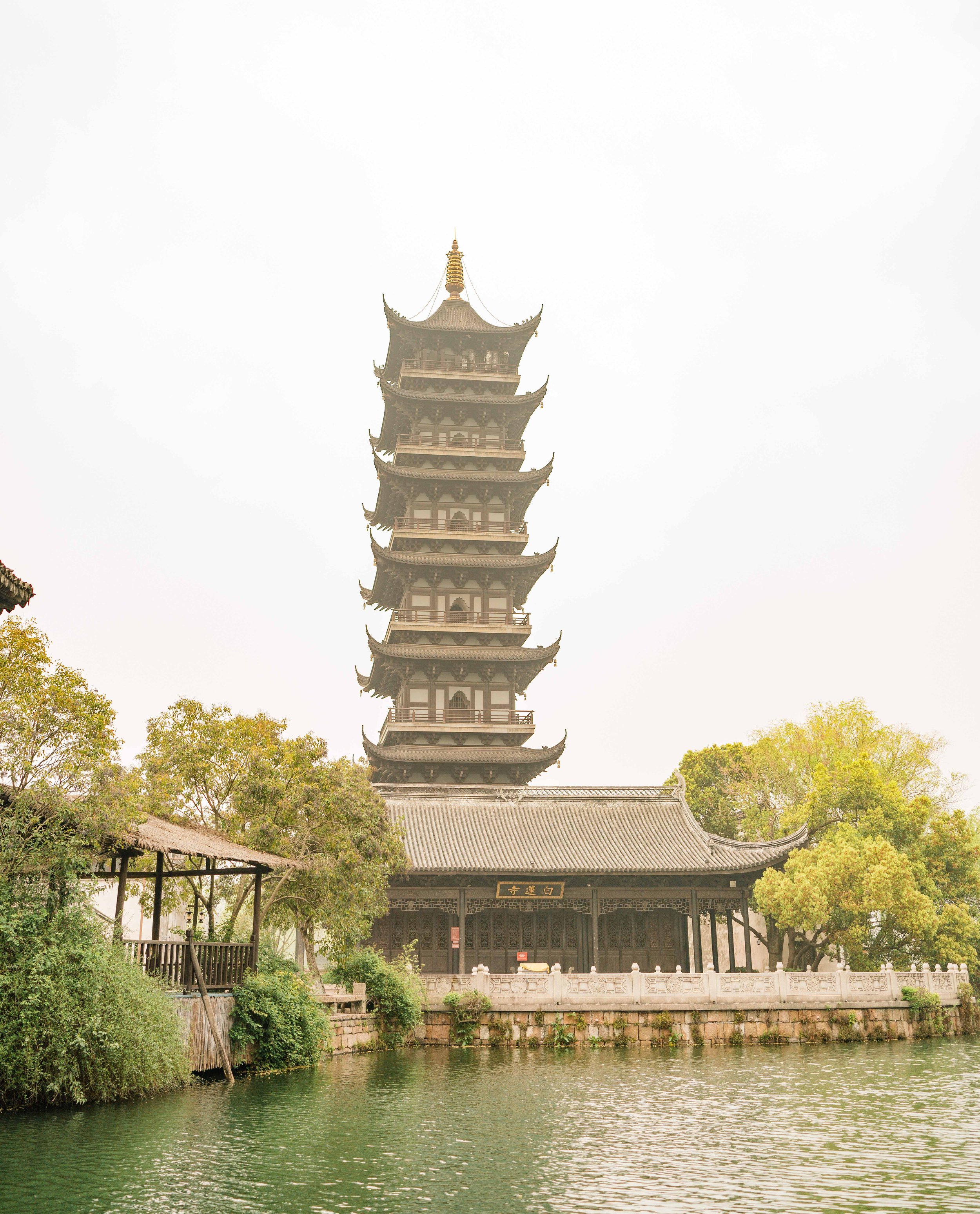
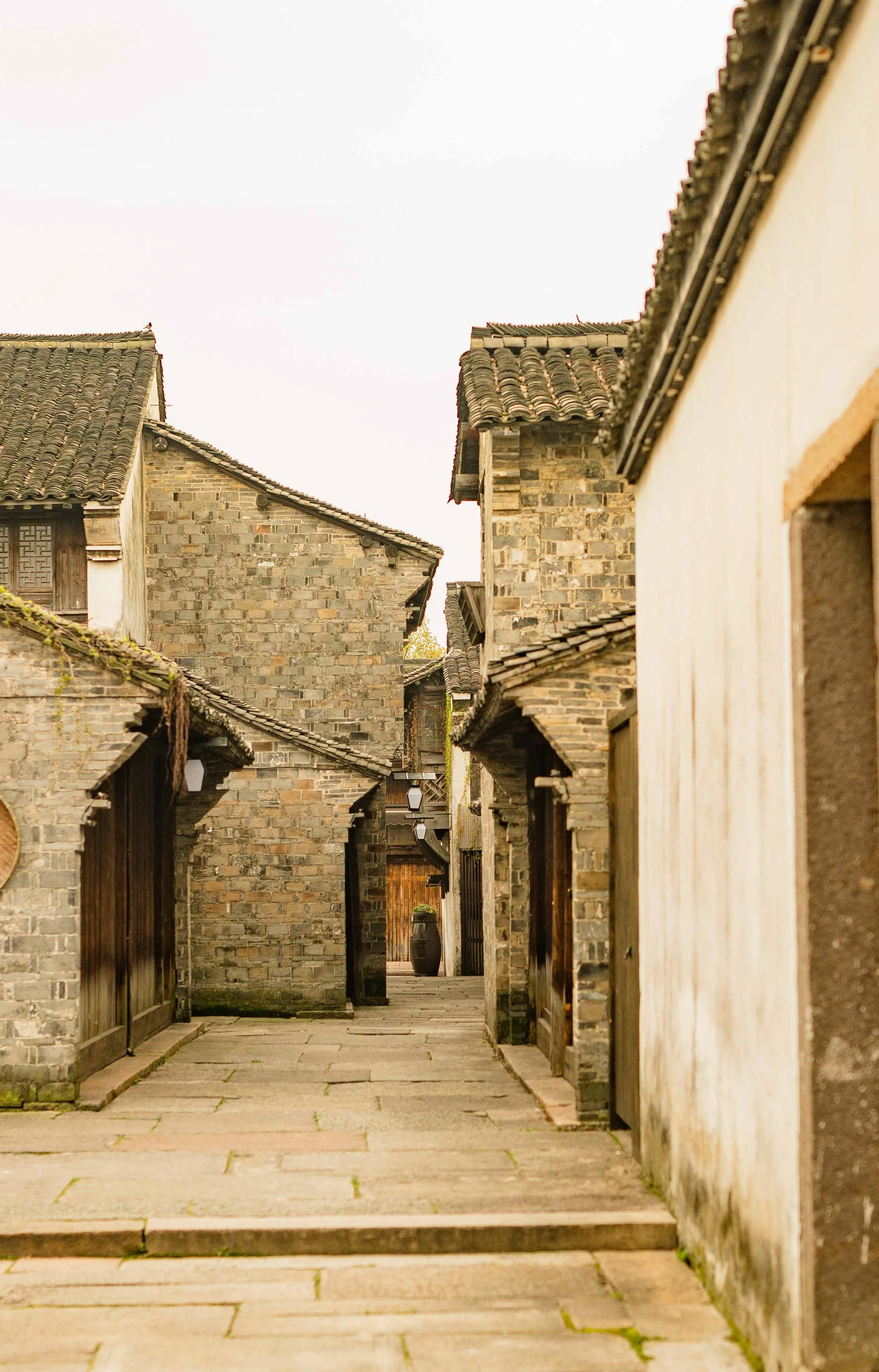
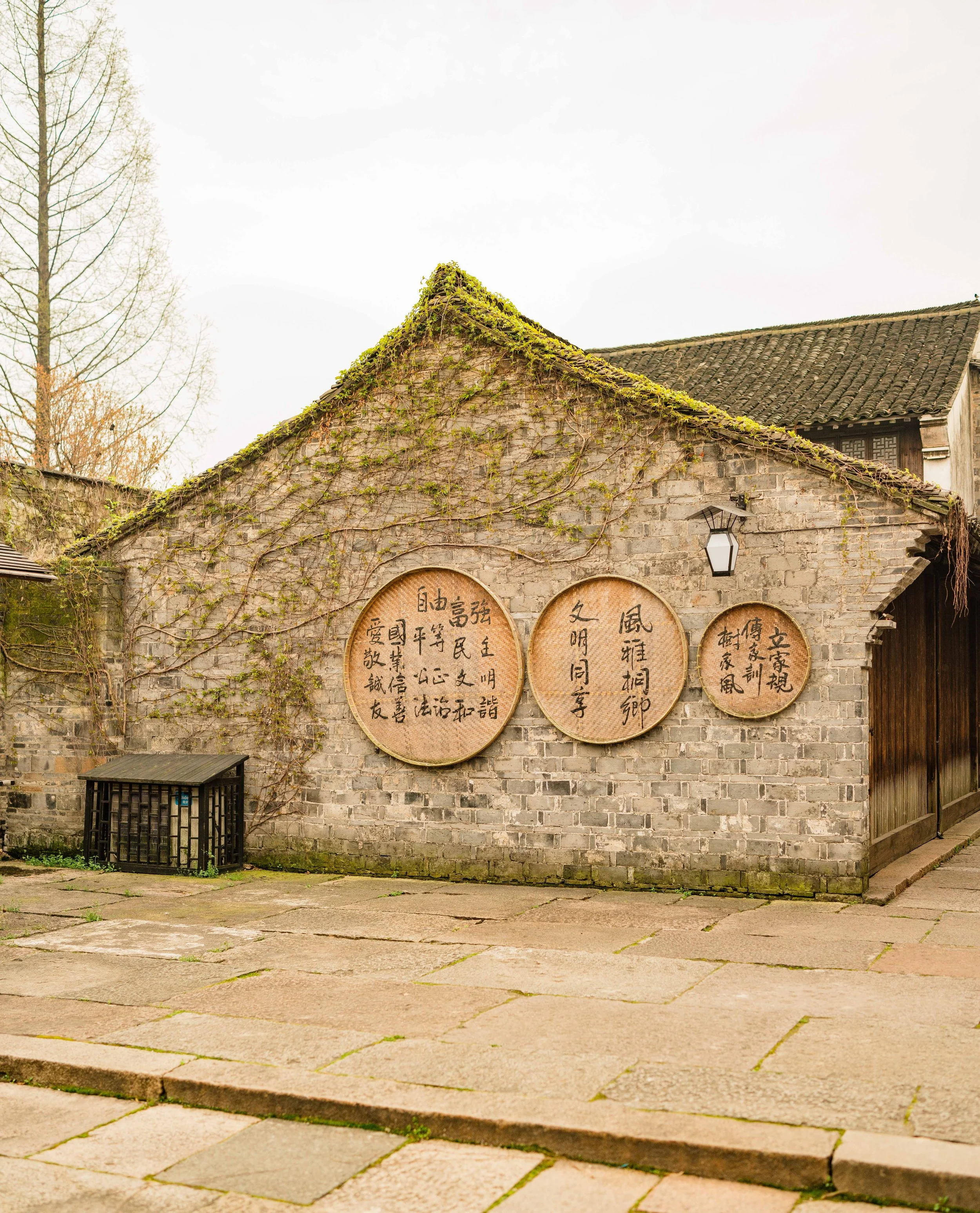
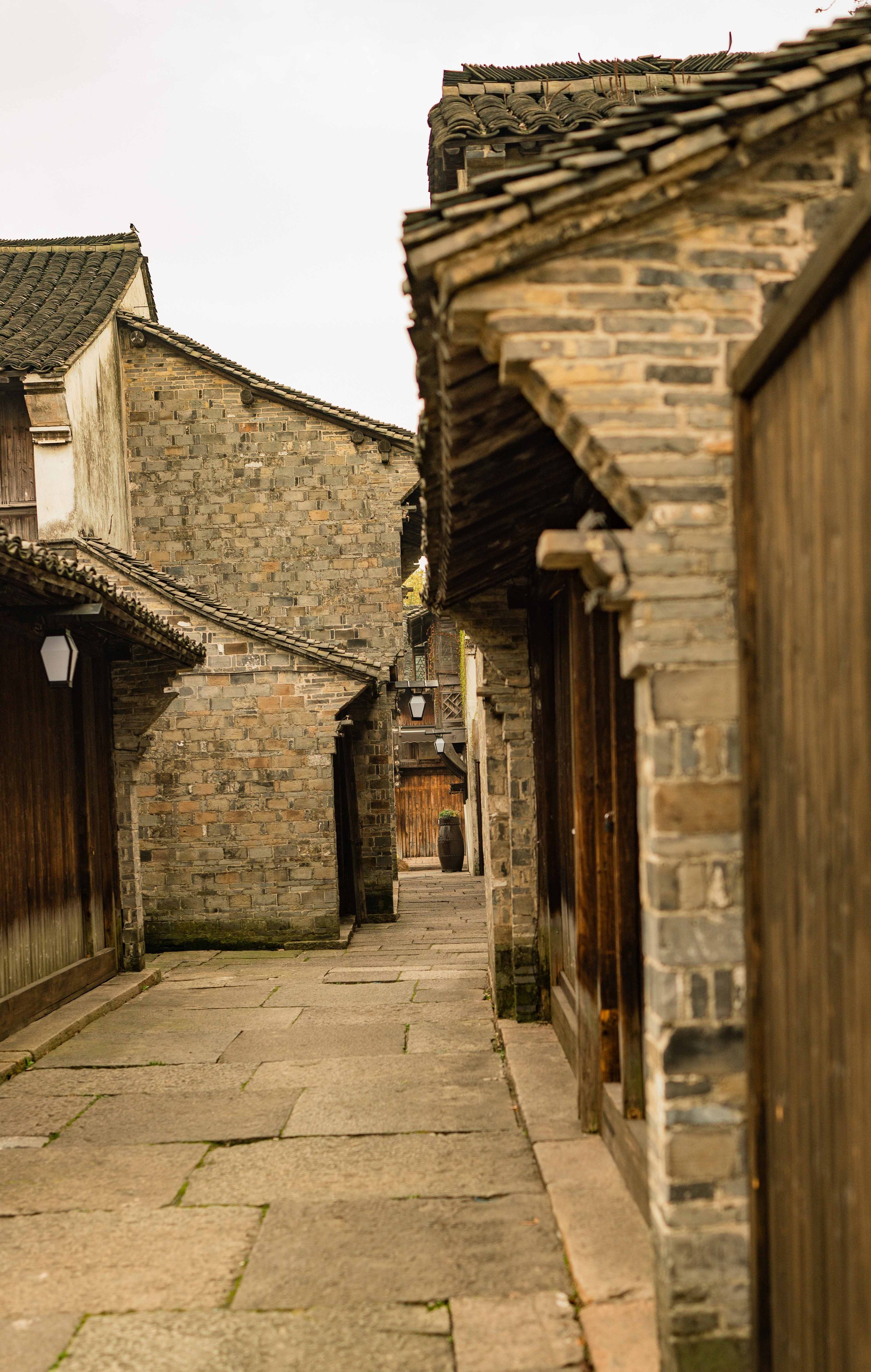
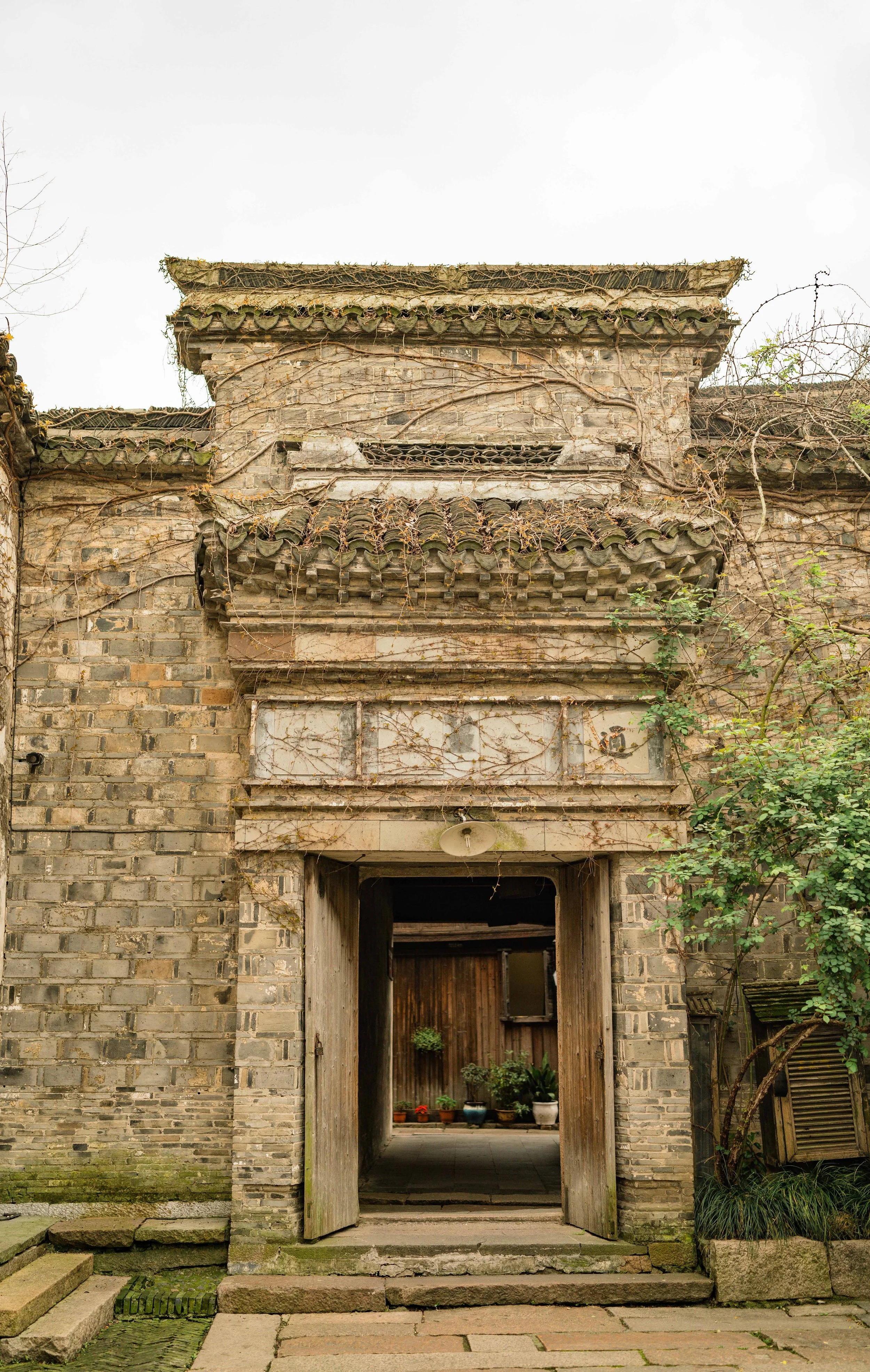
As we wandered, the town began to stir.
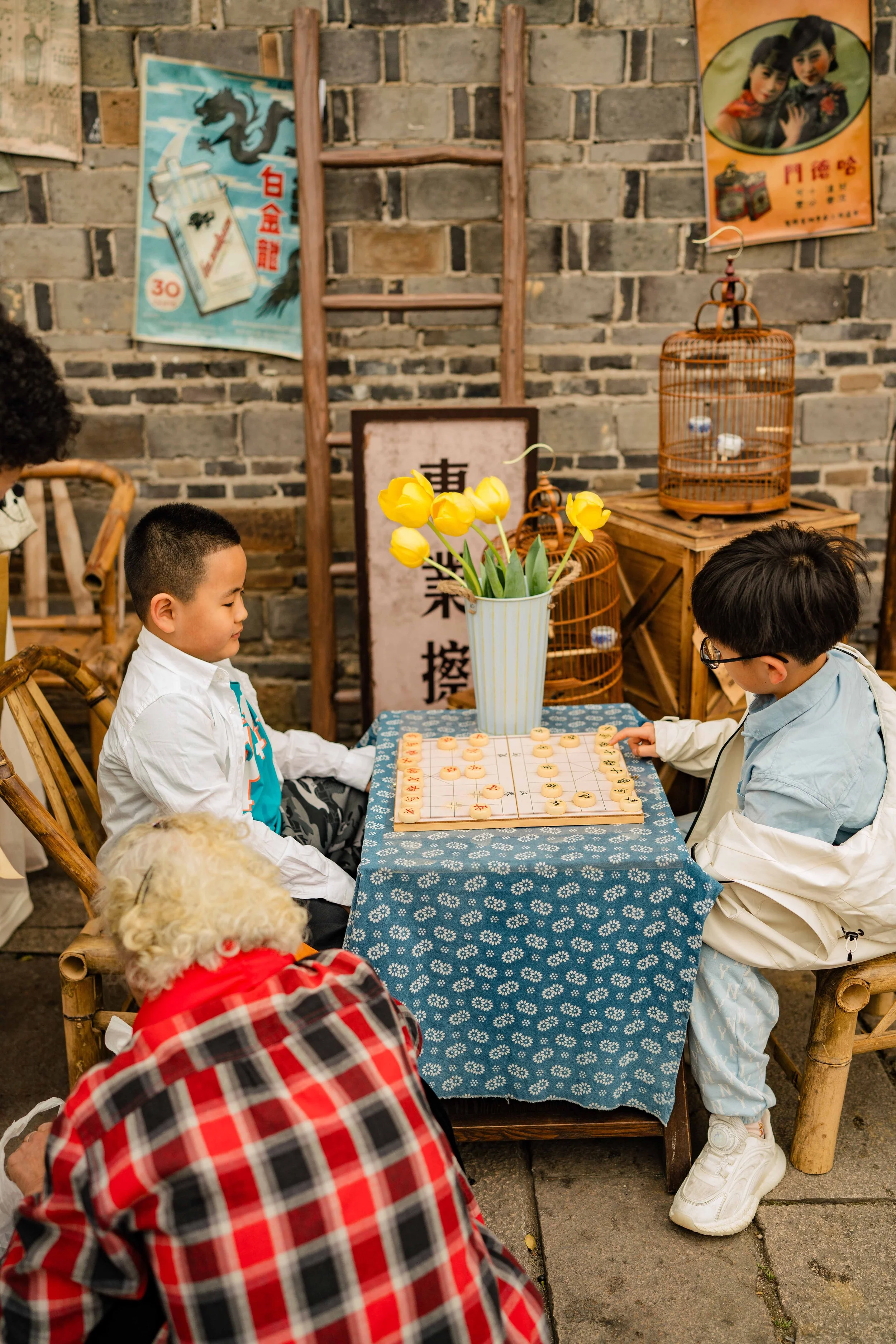
The morning market came to life, children settled in for chess matches, and boatmen started skimming fallen leaves from the water’s surface. A vibrant ancient town was waking up. The wooden boats embarked on their first passenger runs of the day, and shopkeepers bustled about, opening their doors to welcome the morning crowd.
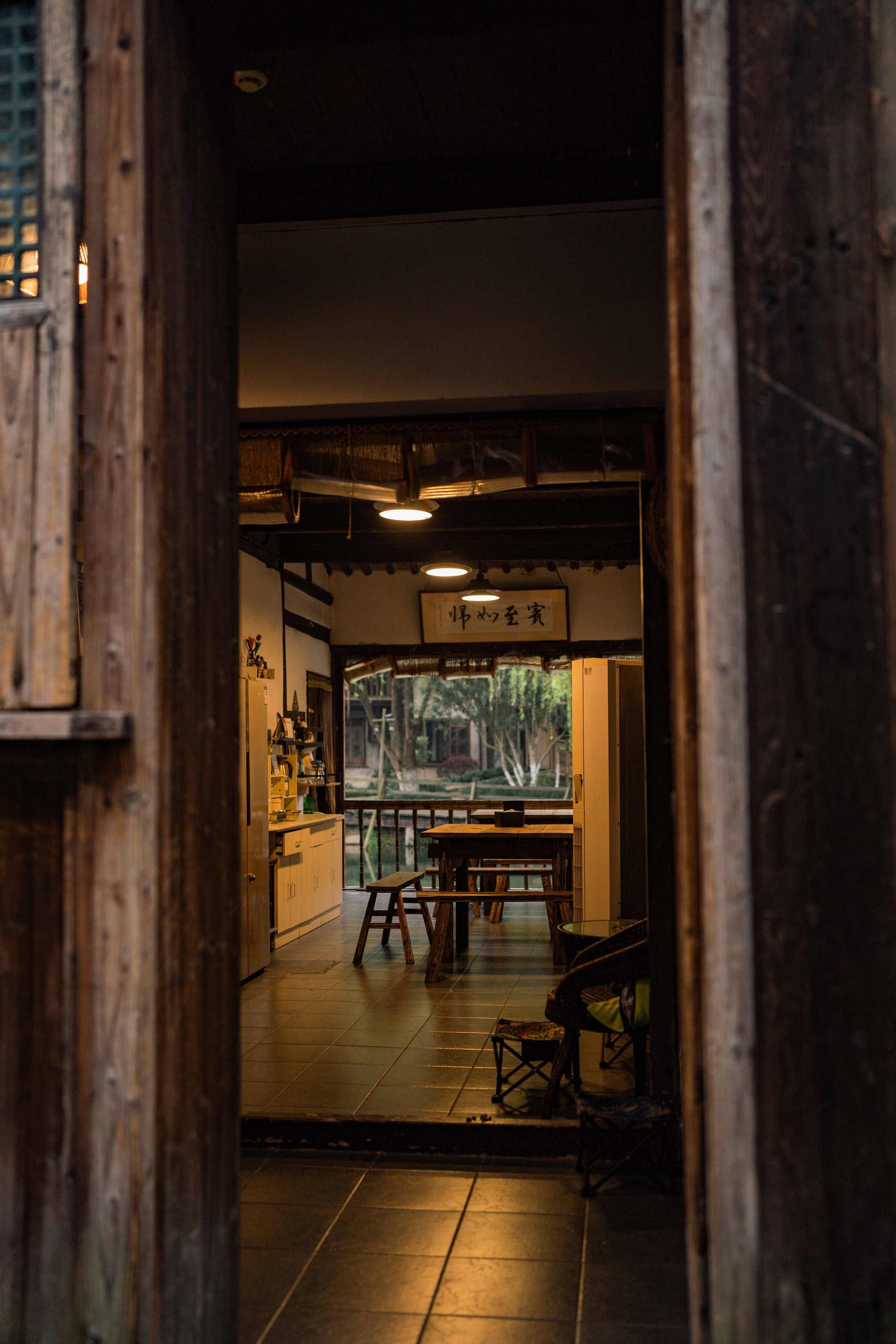
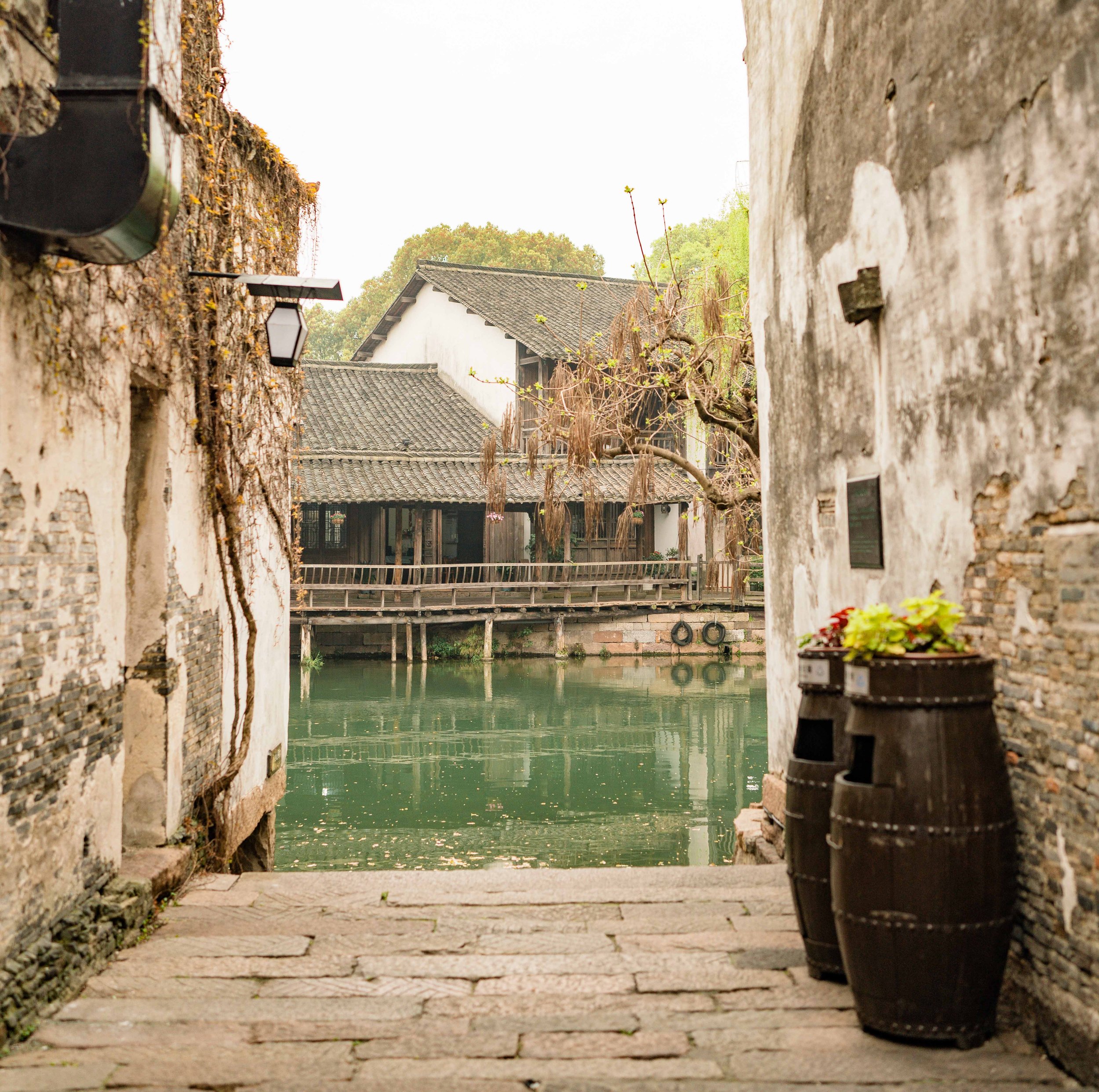
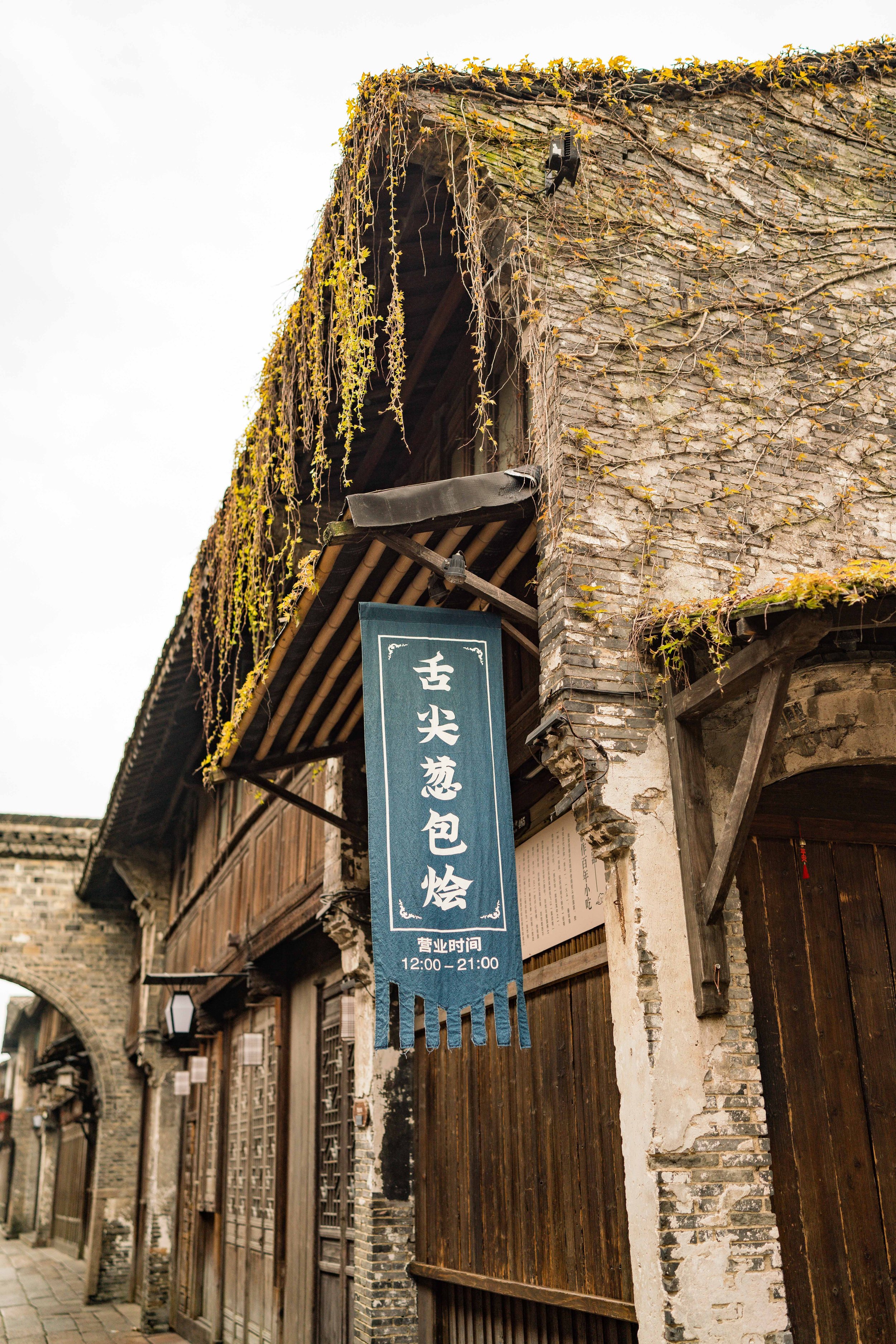
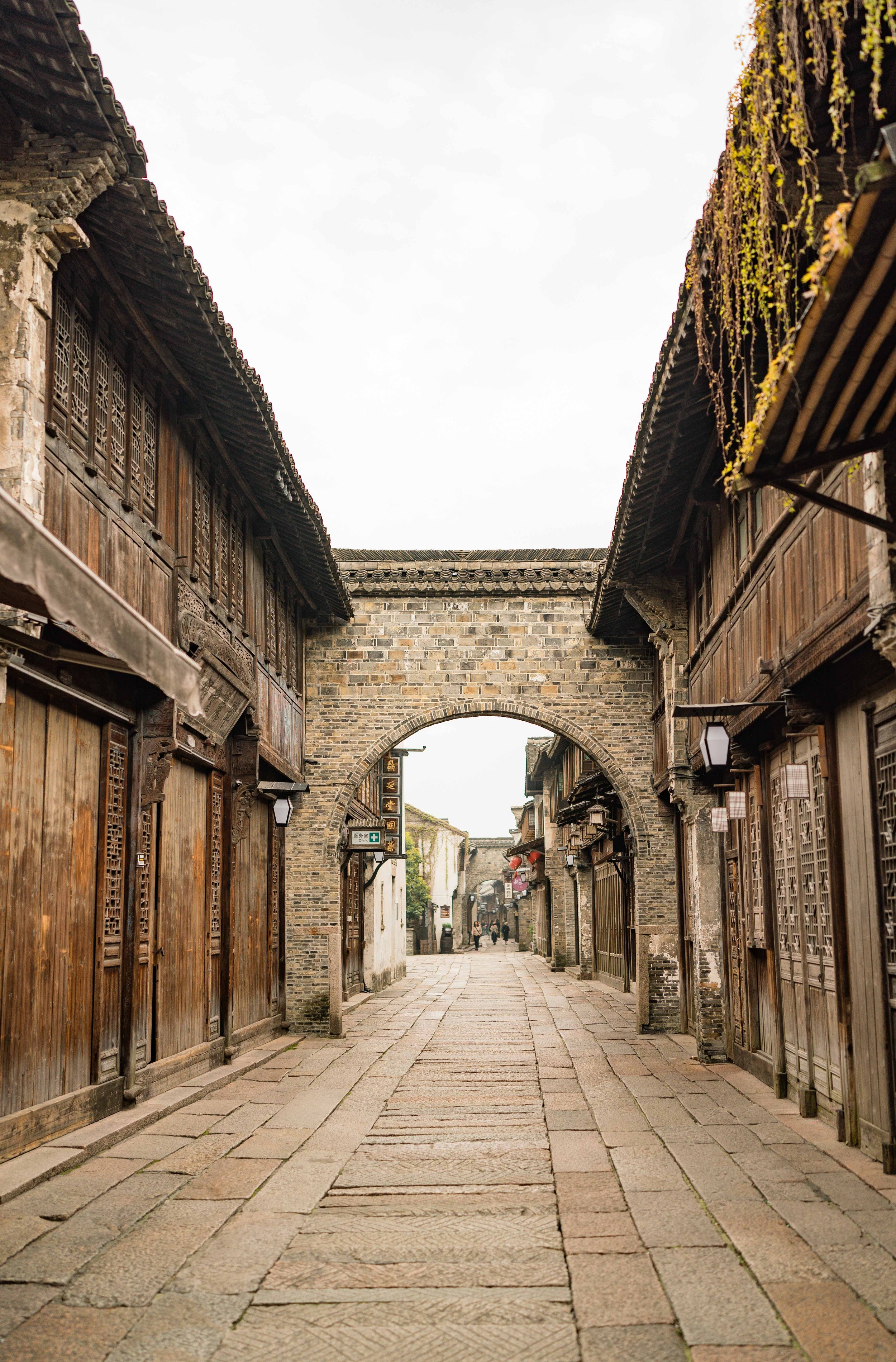
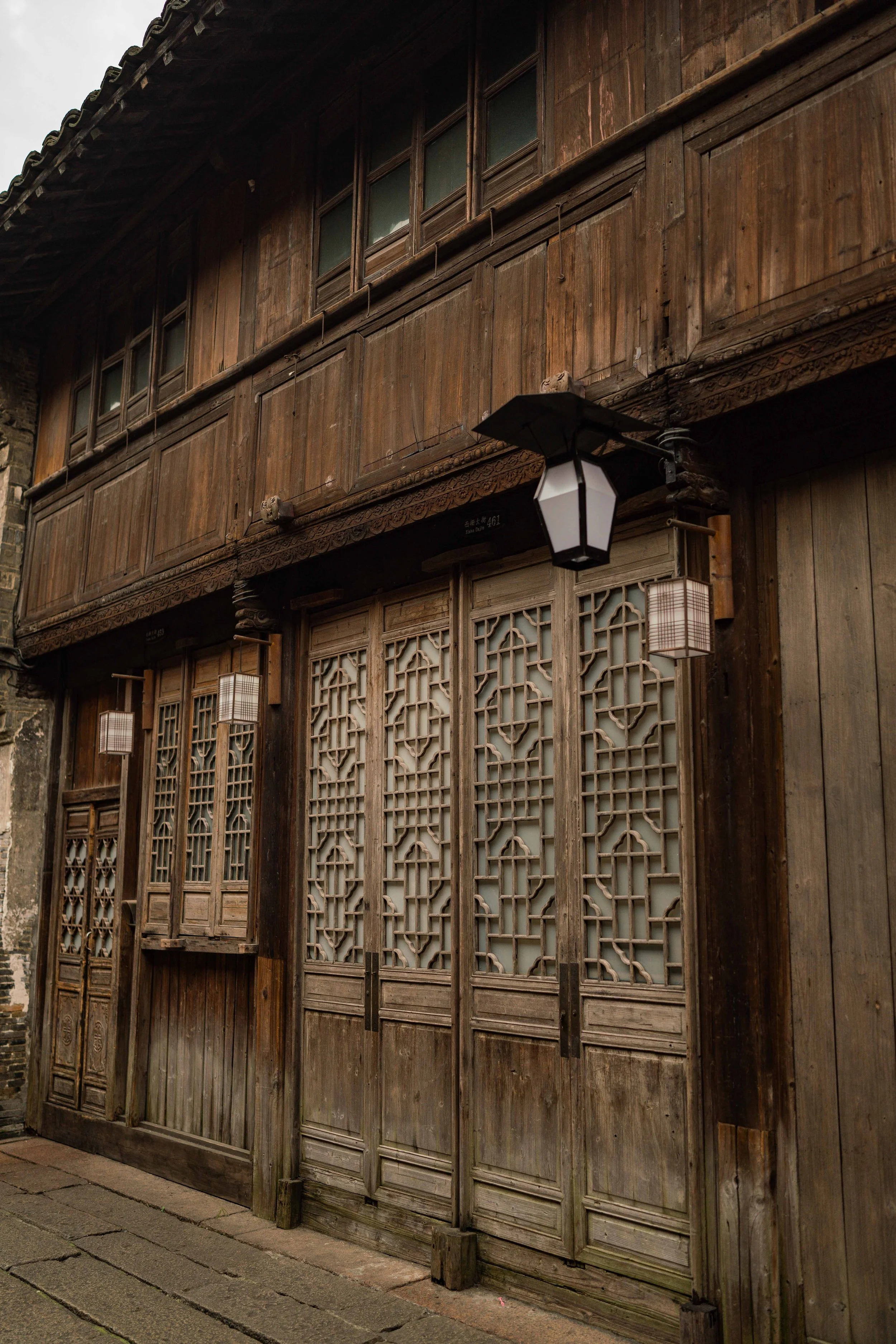
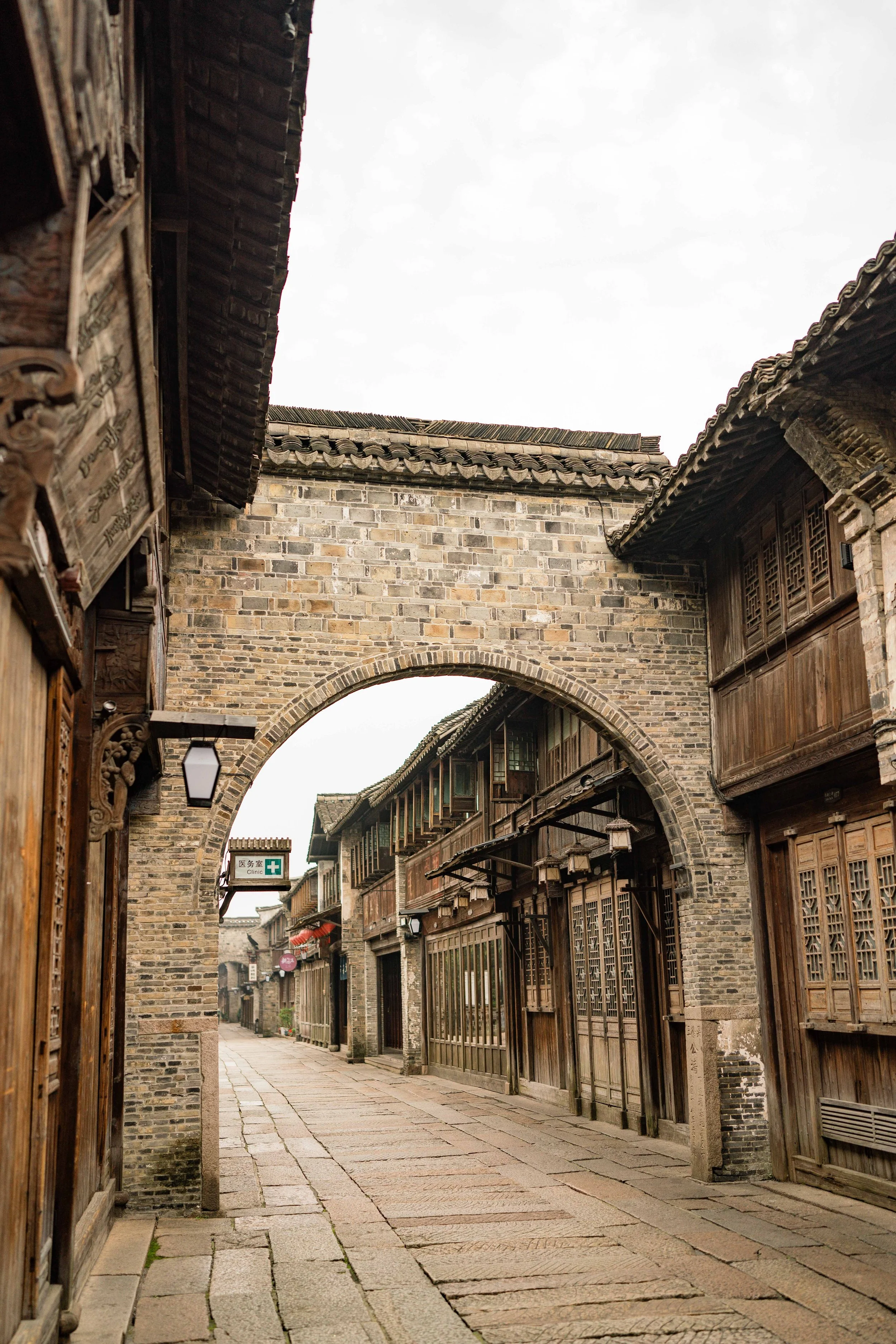
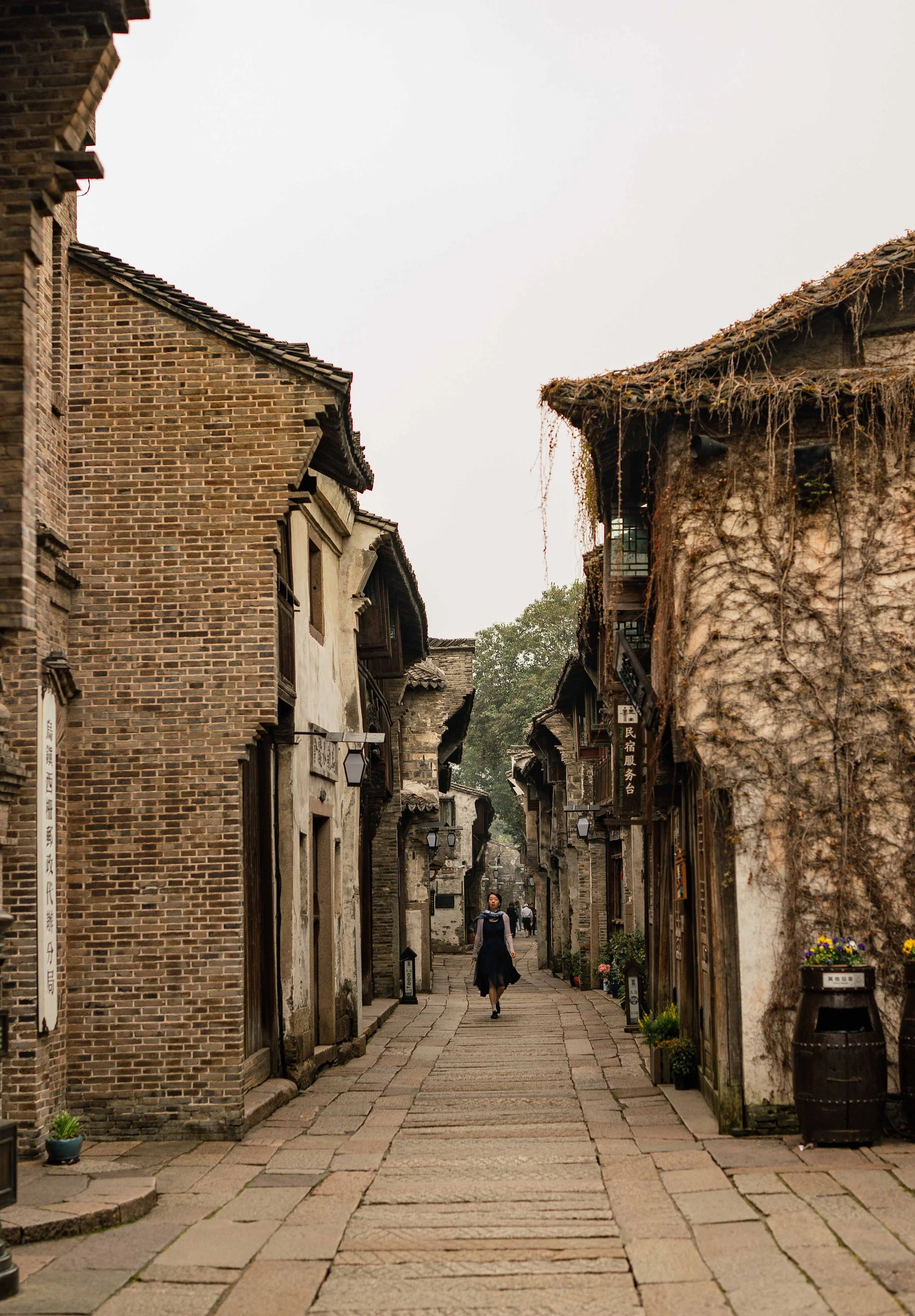
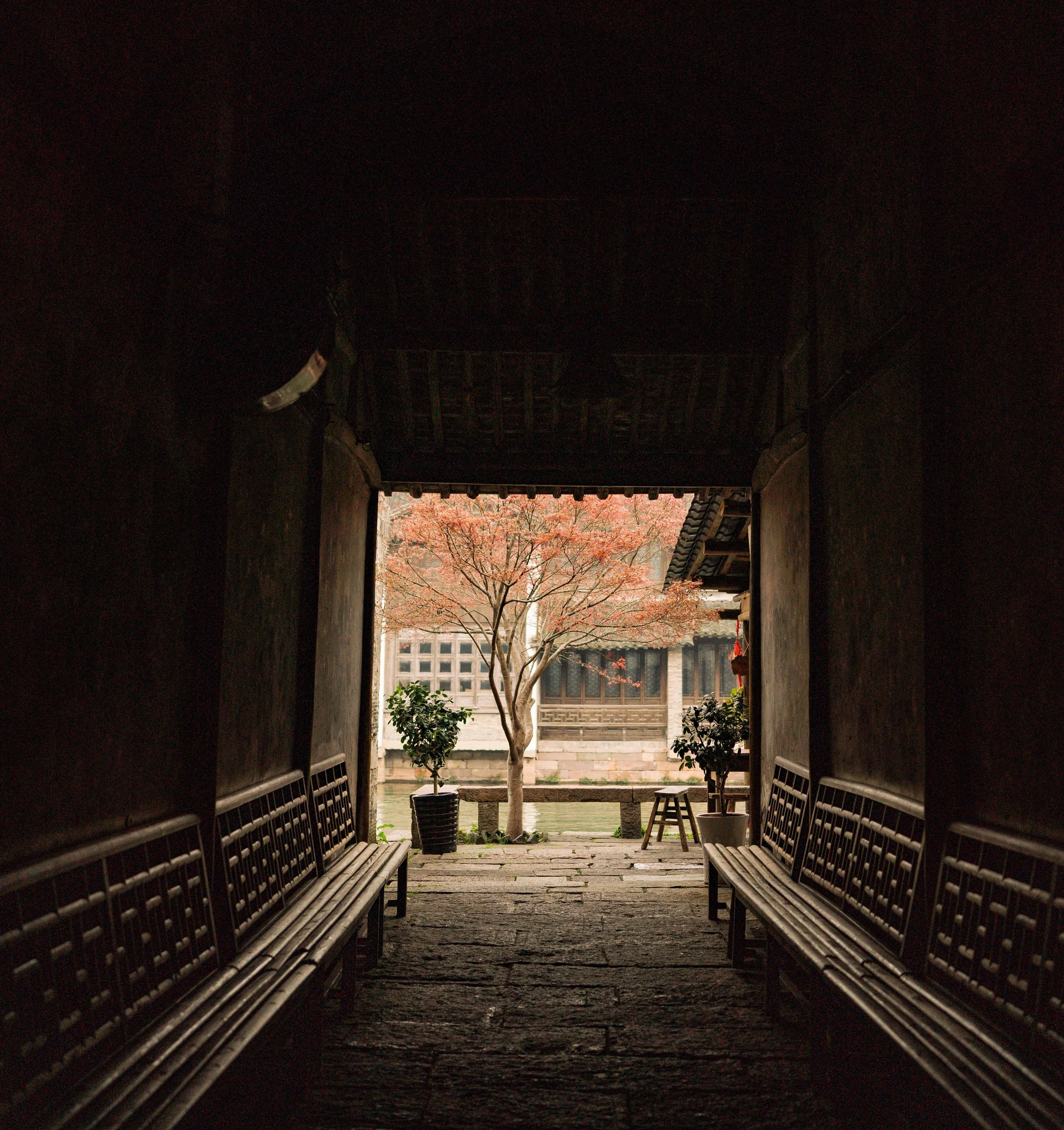
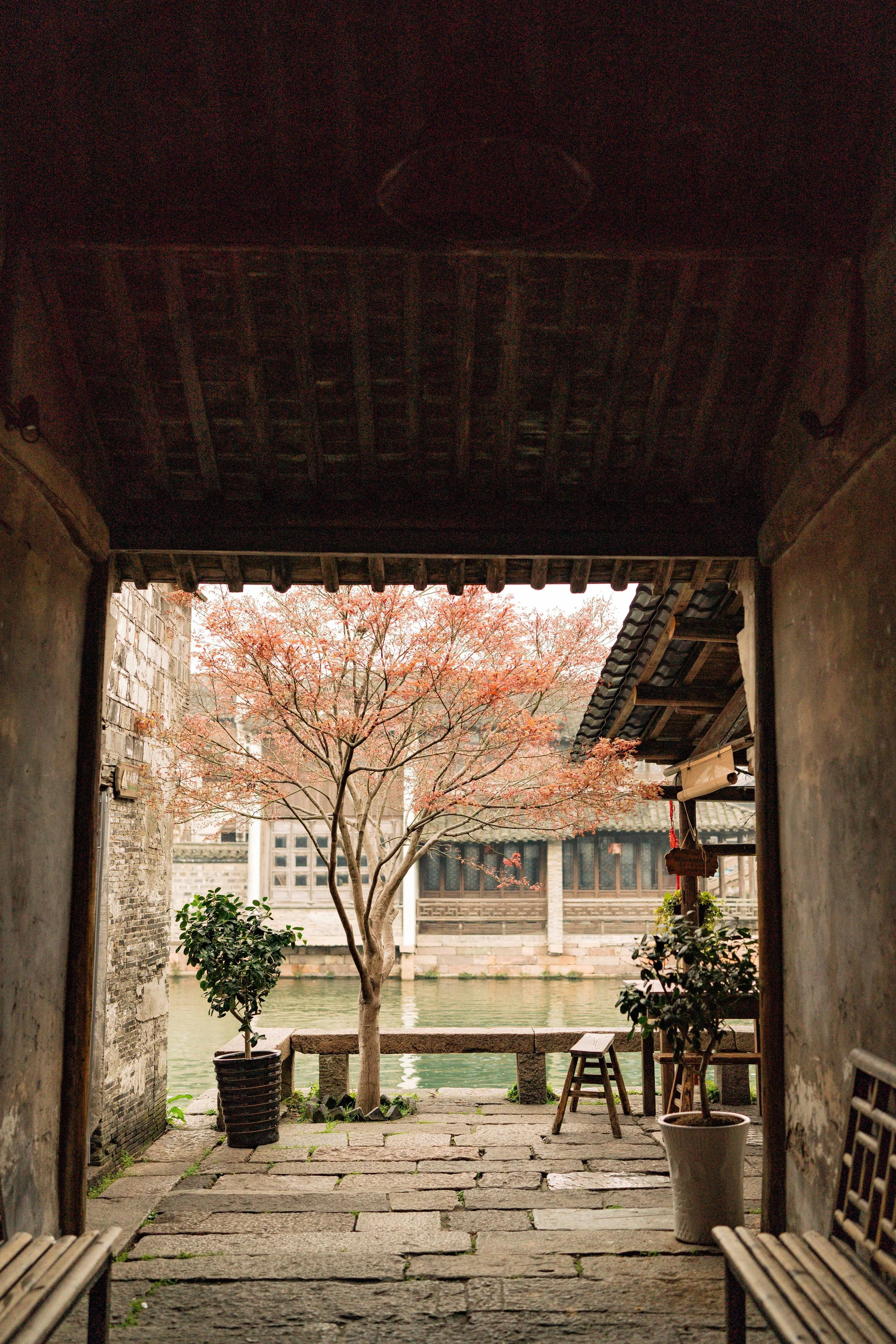
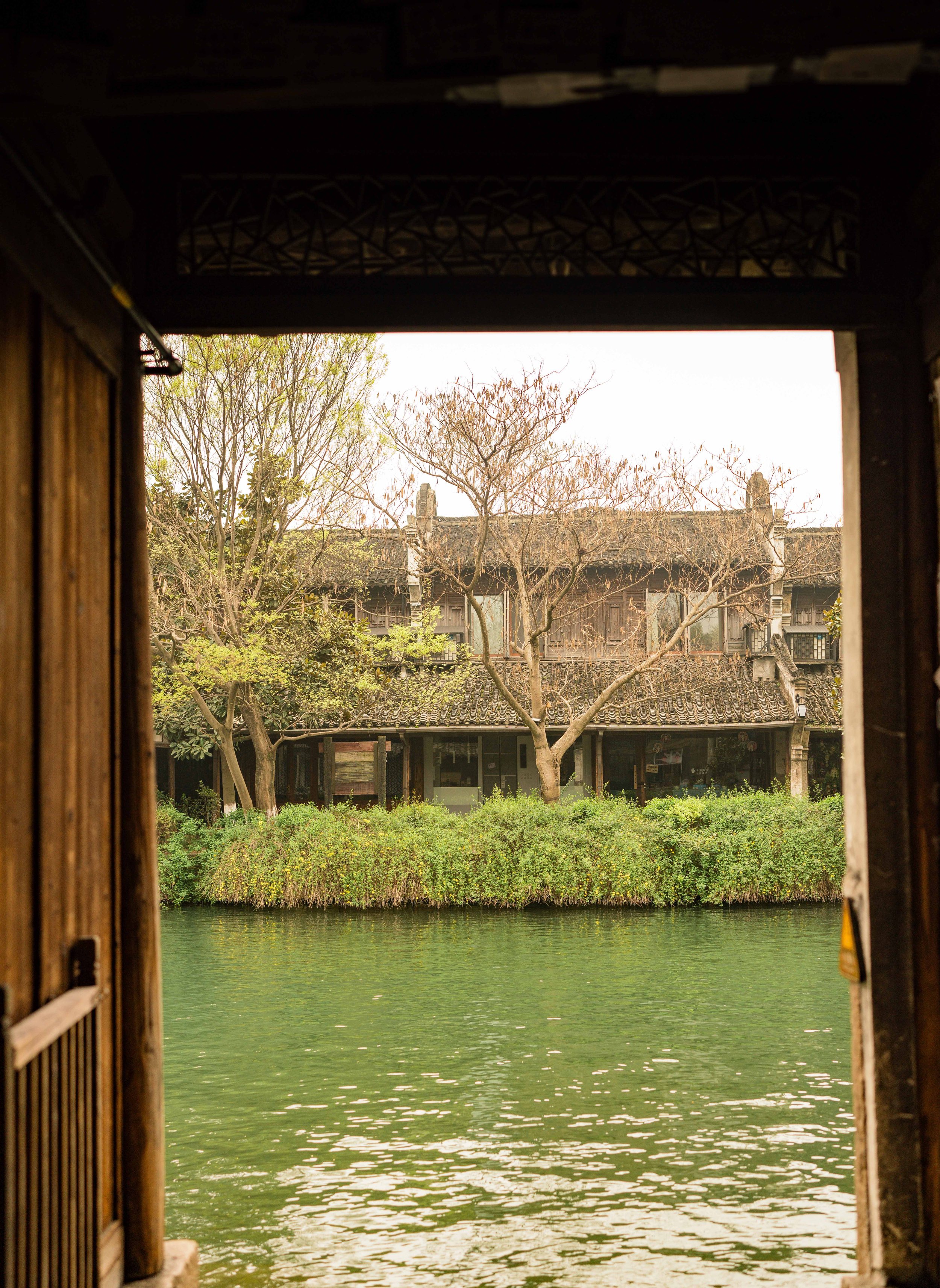
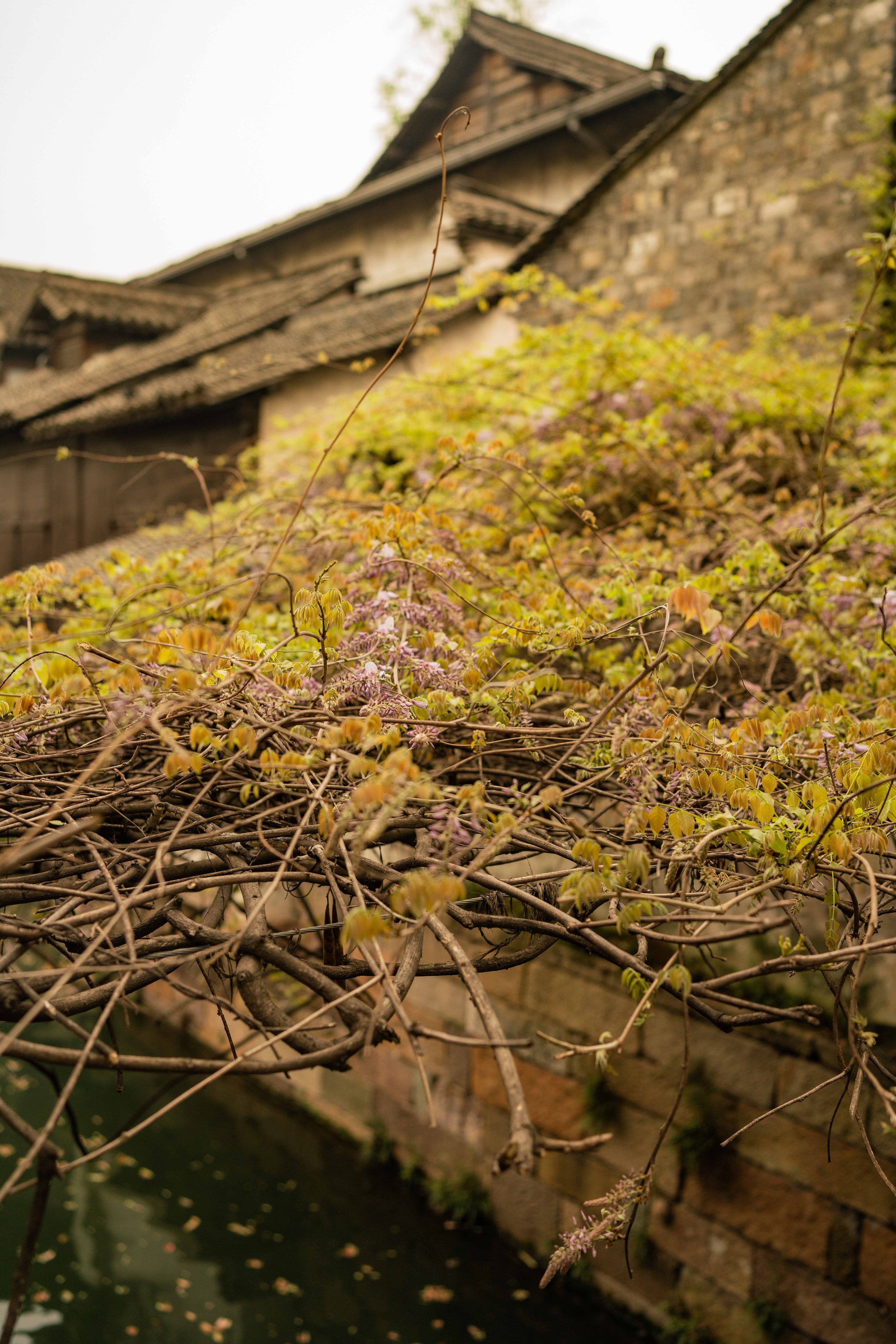
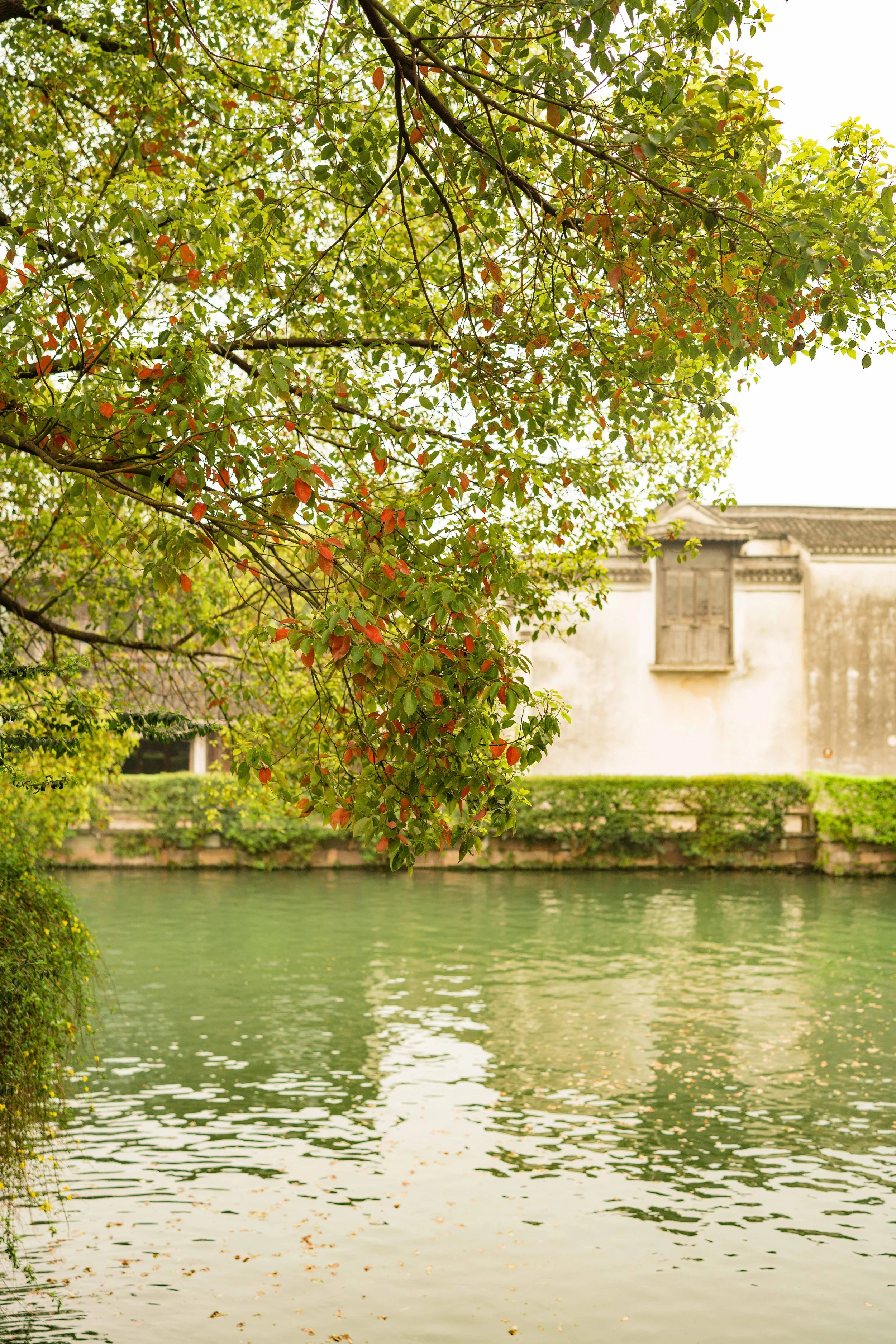
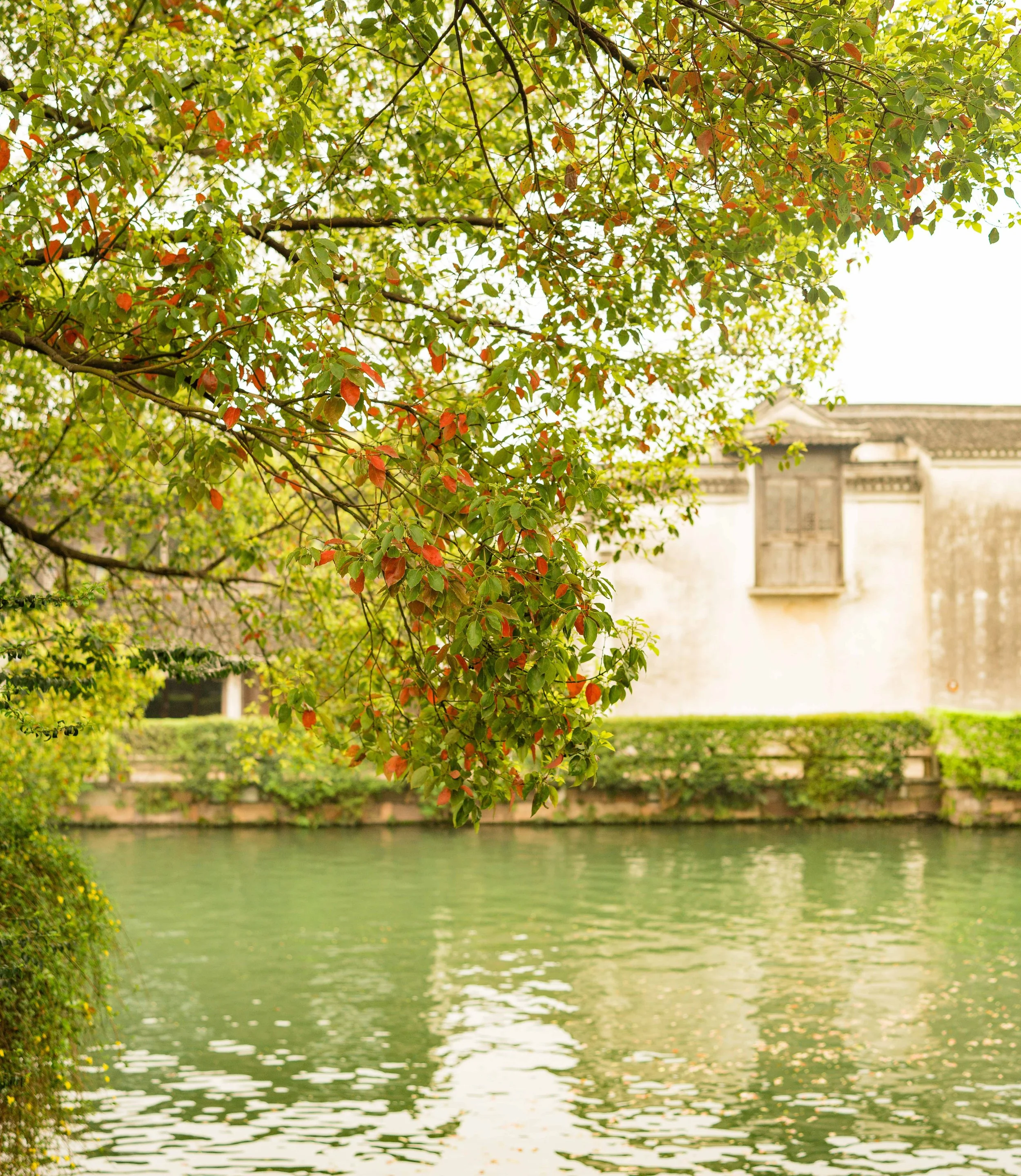
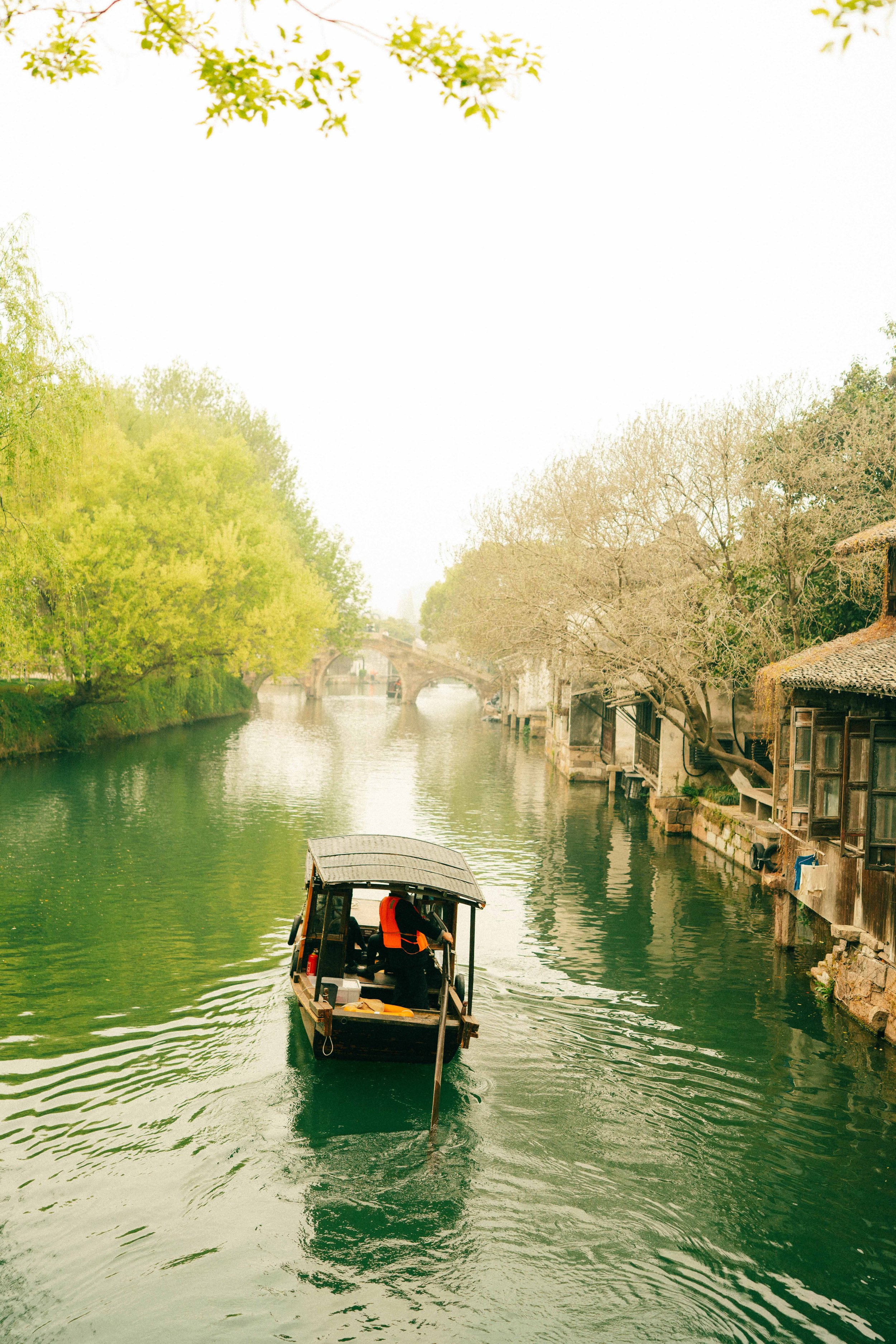
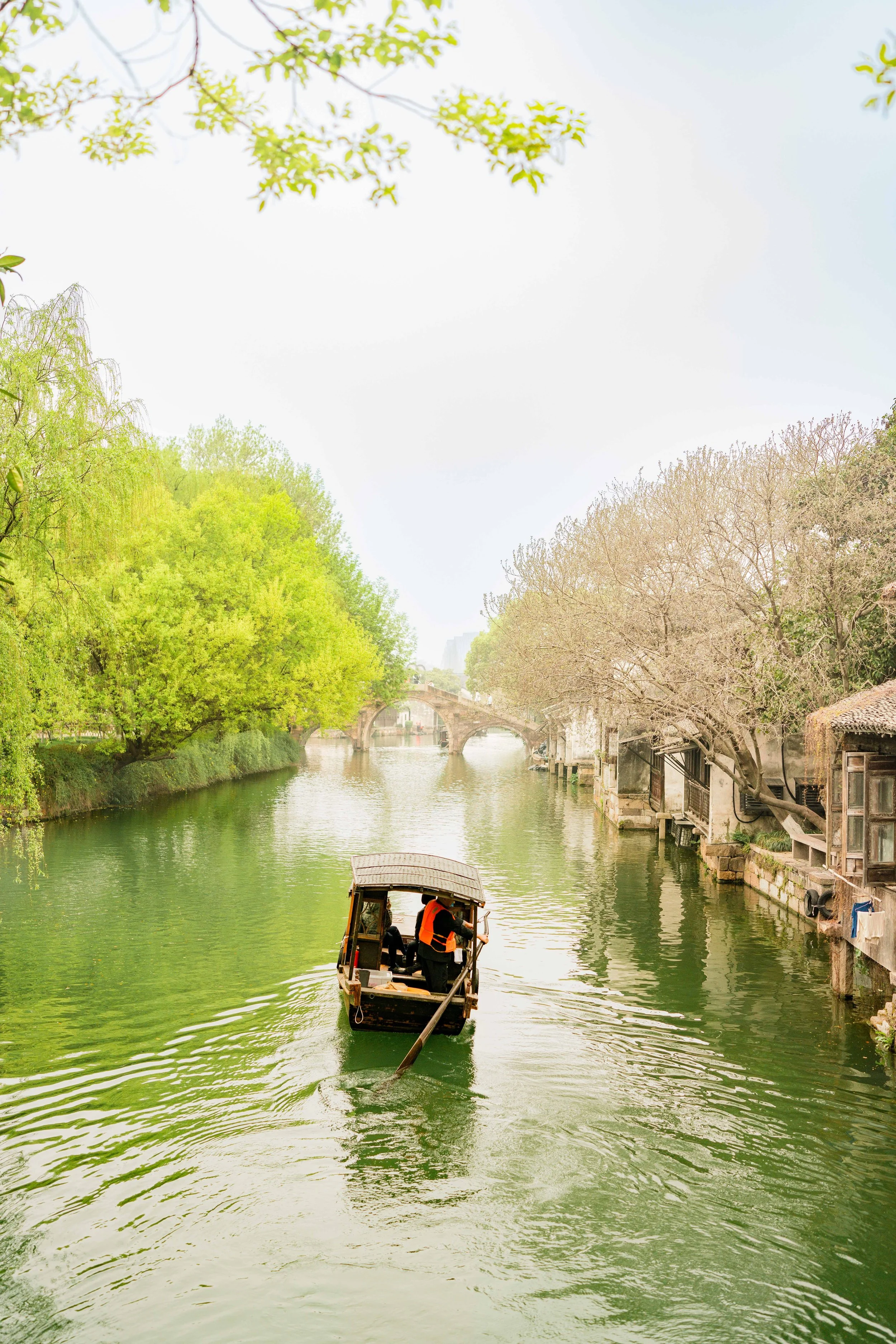
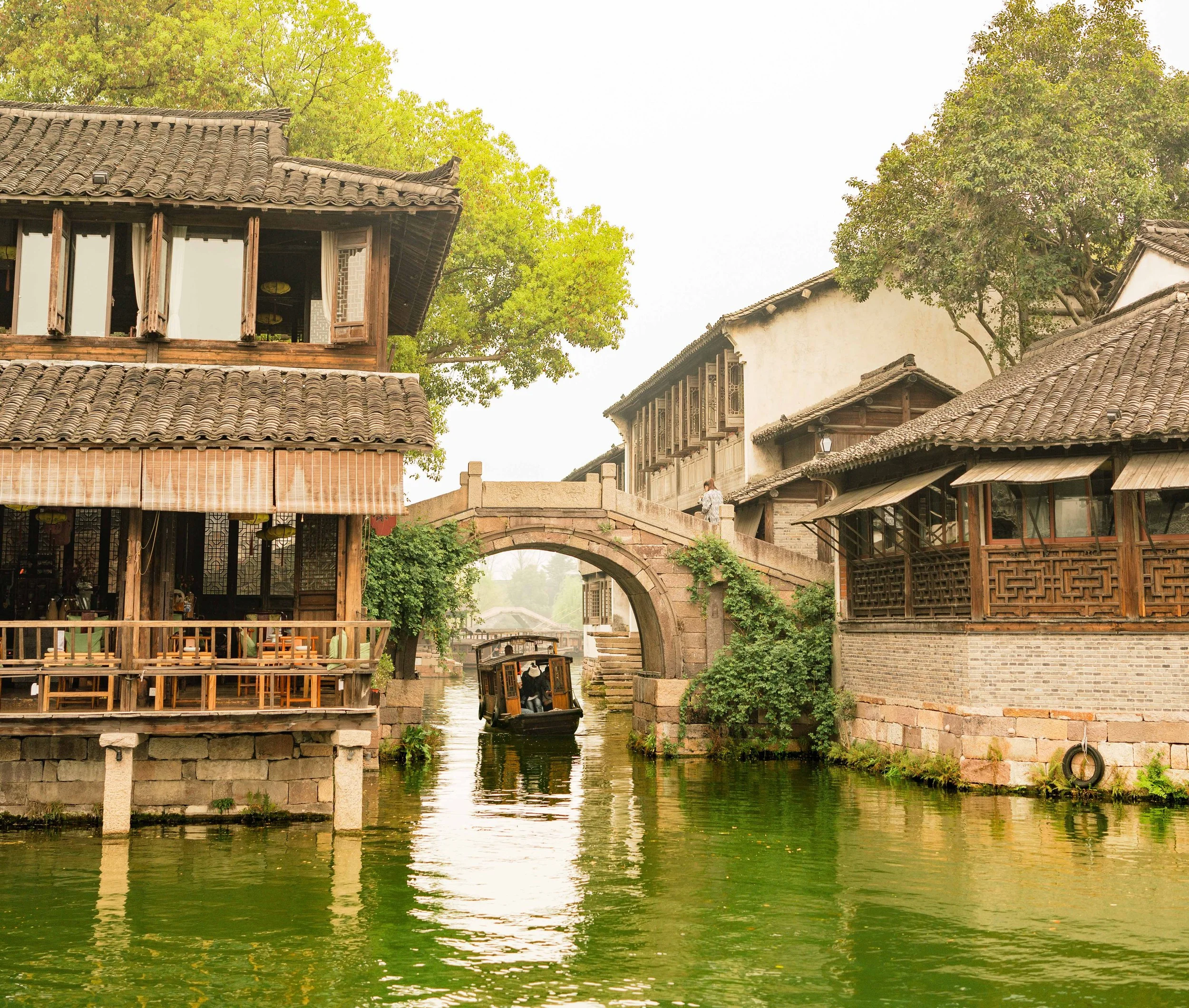
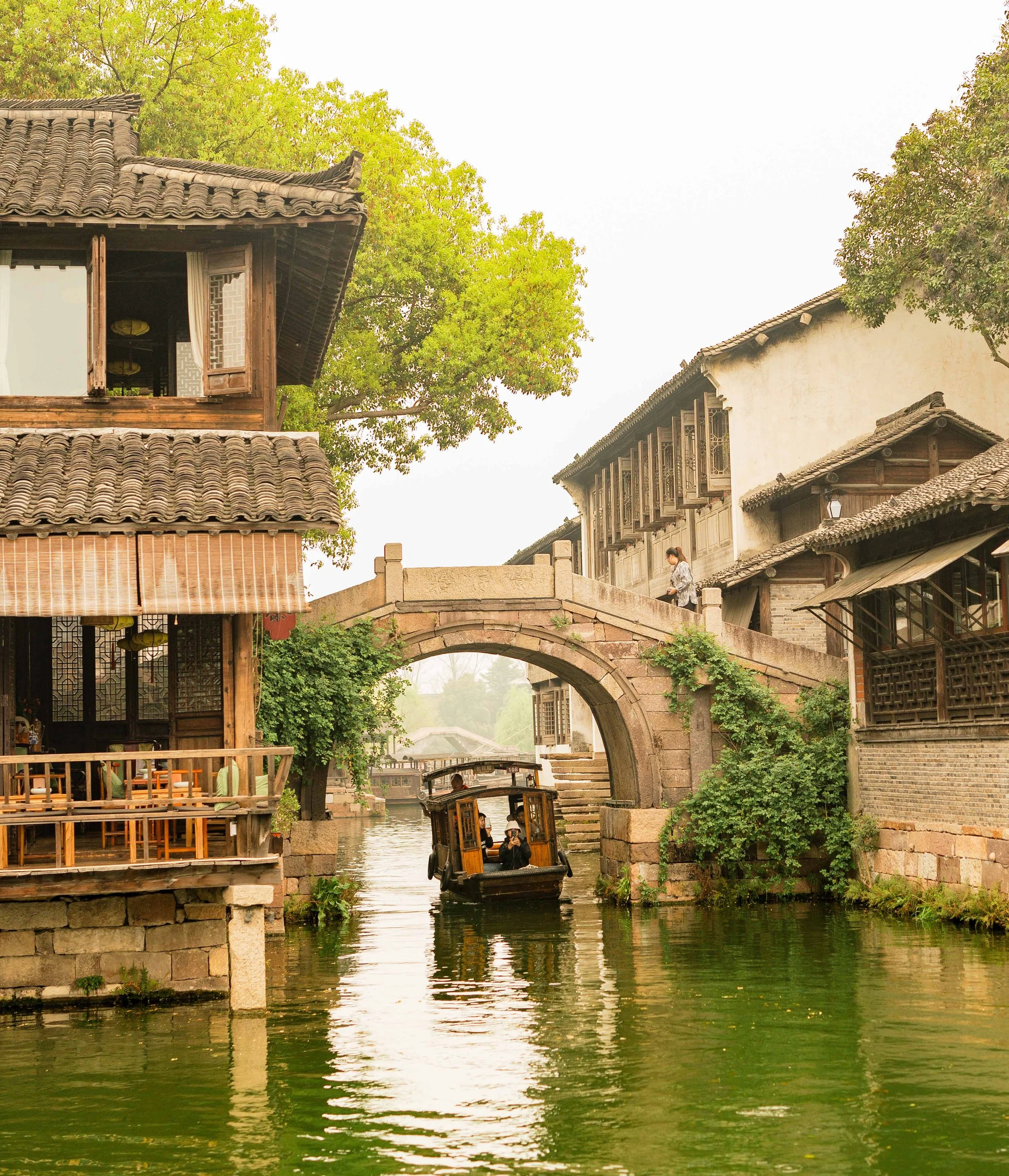
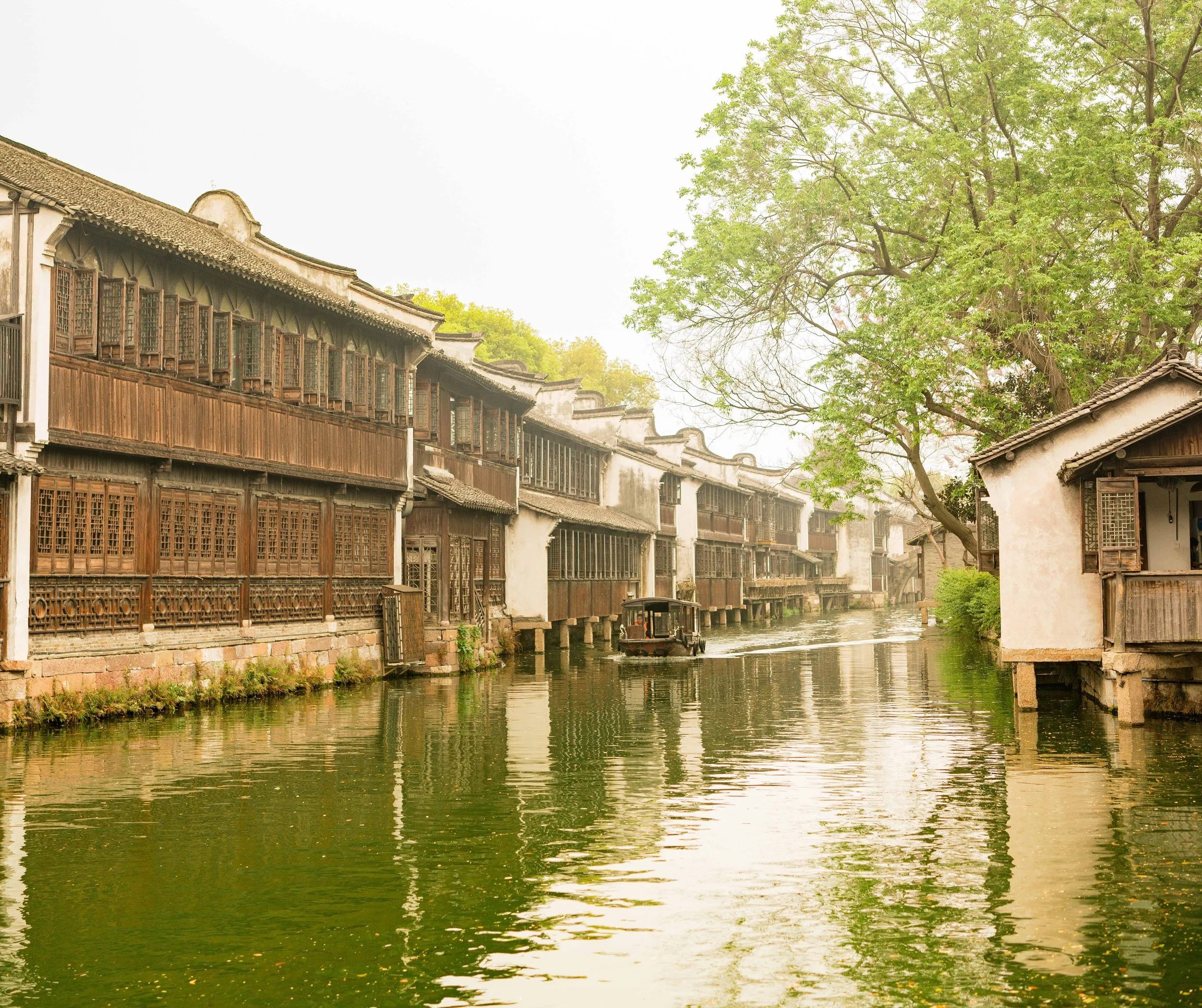
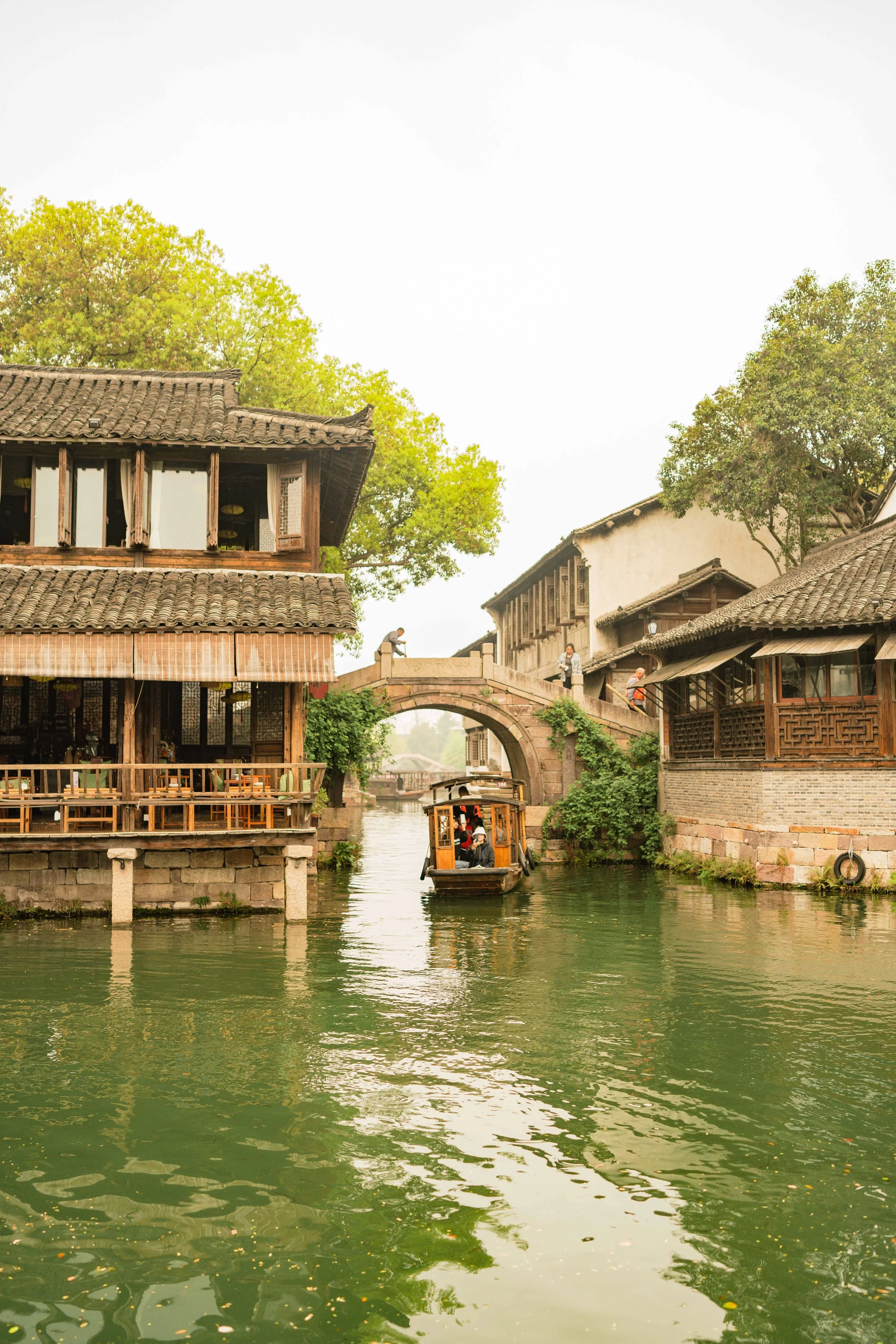
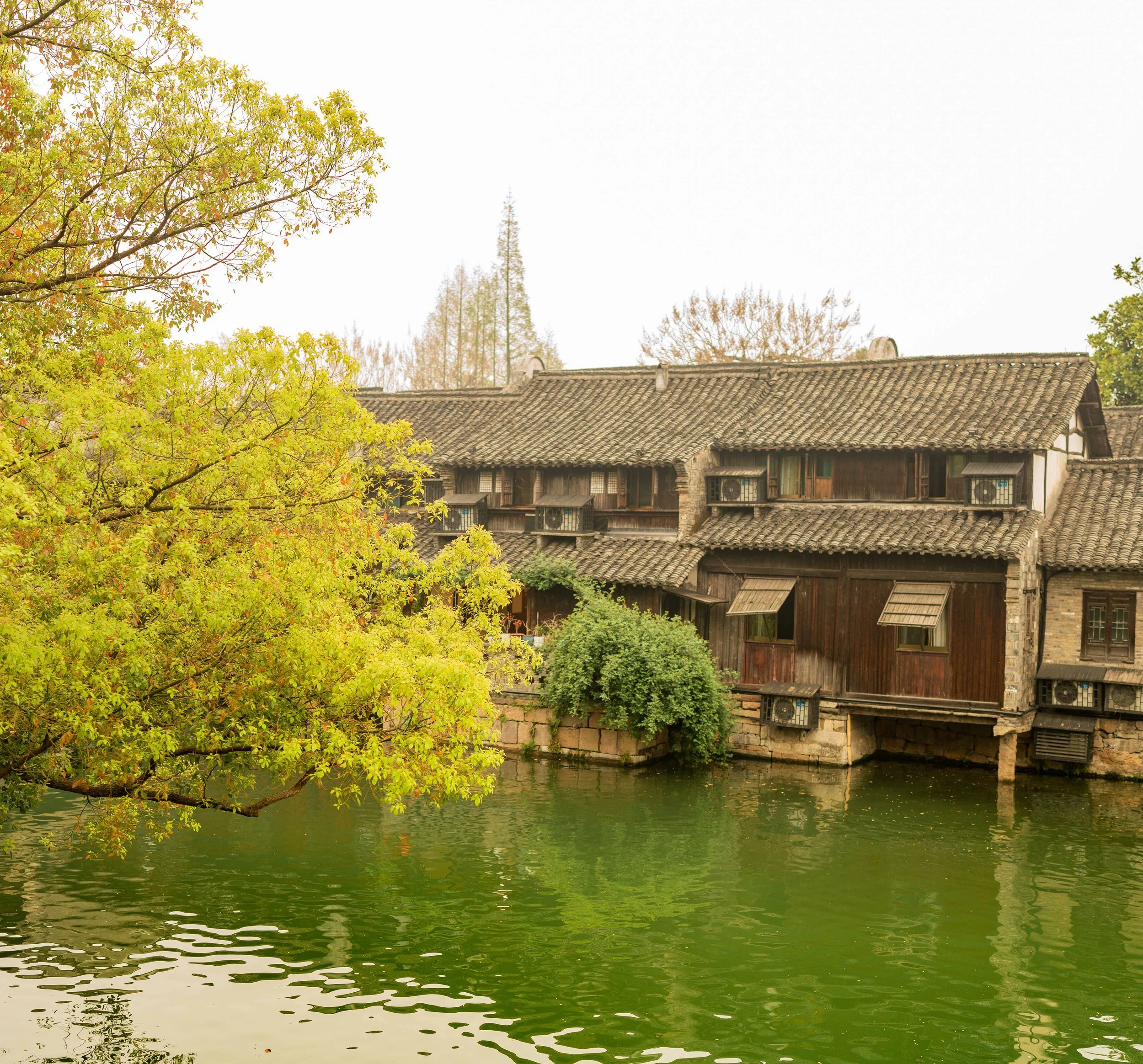
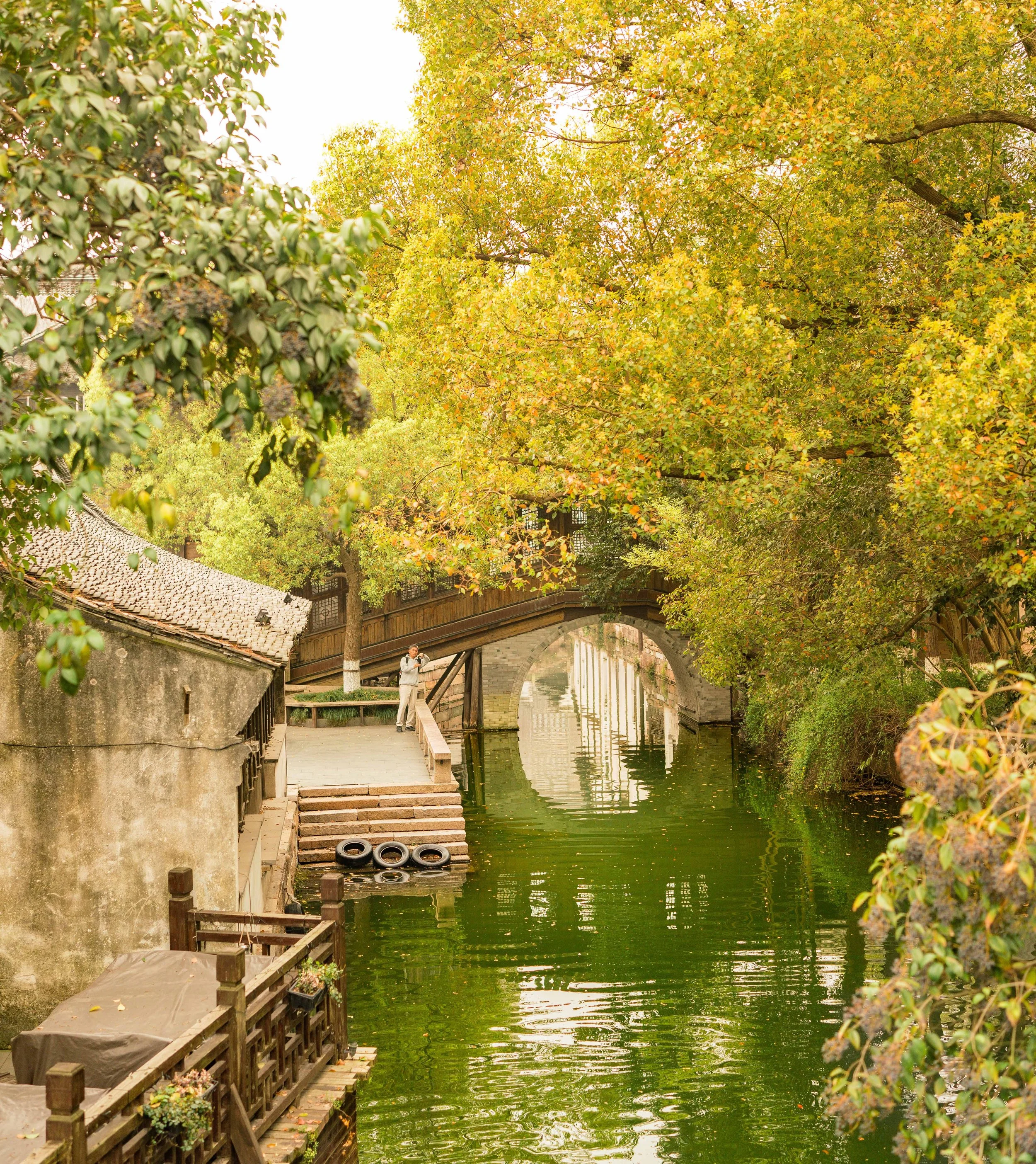
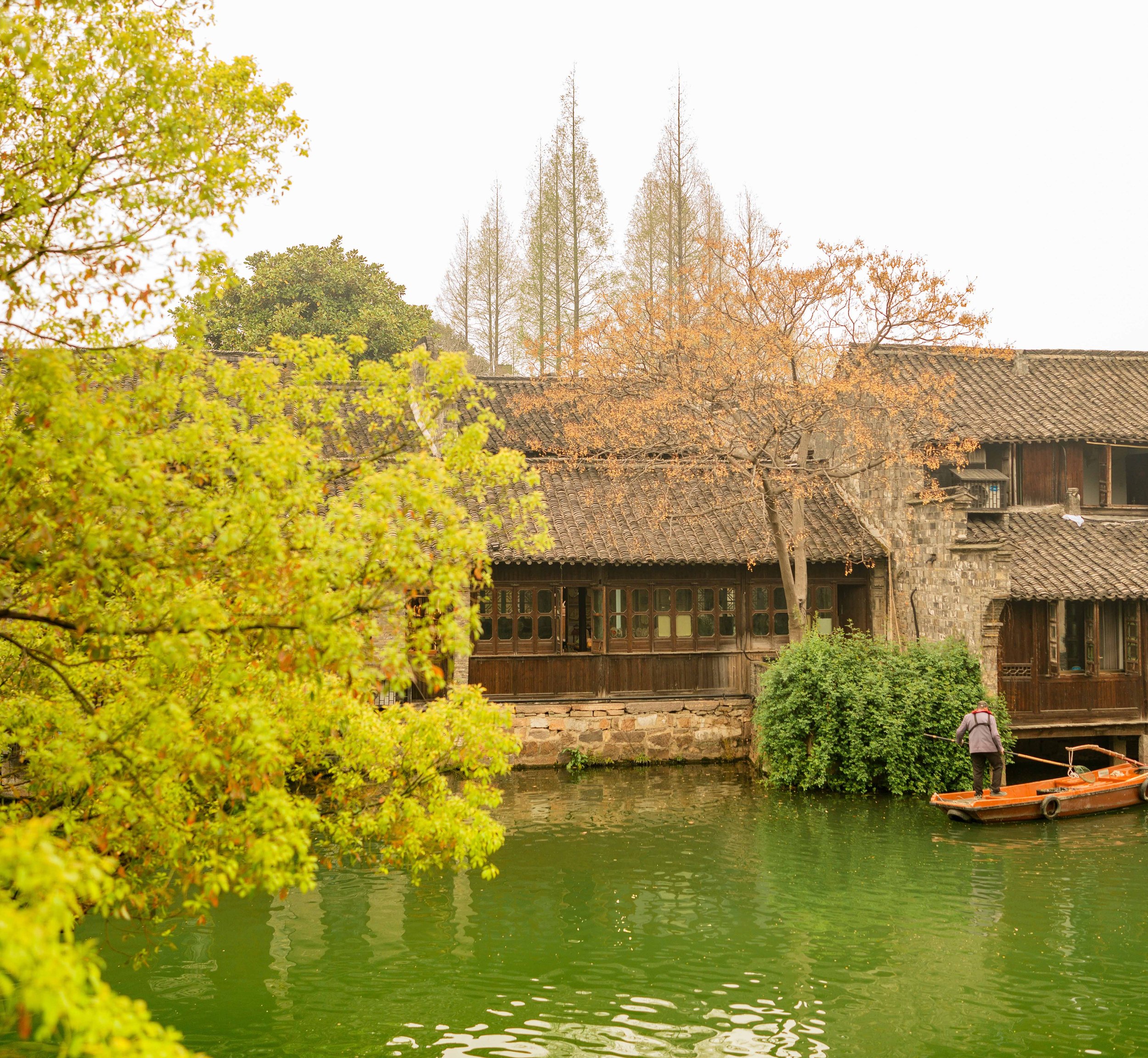
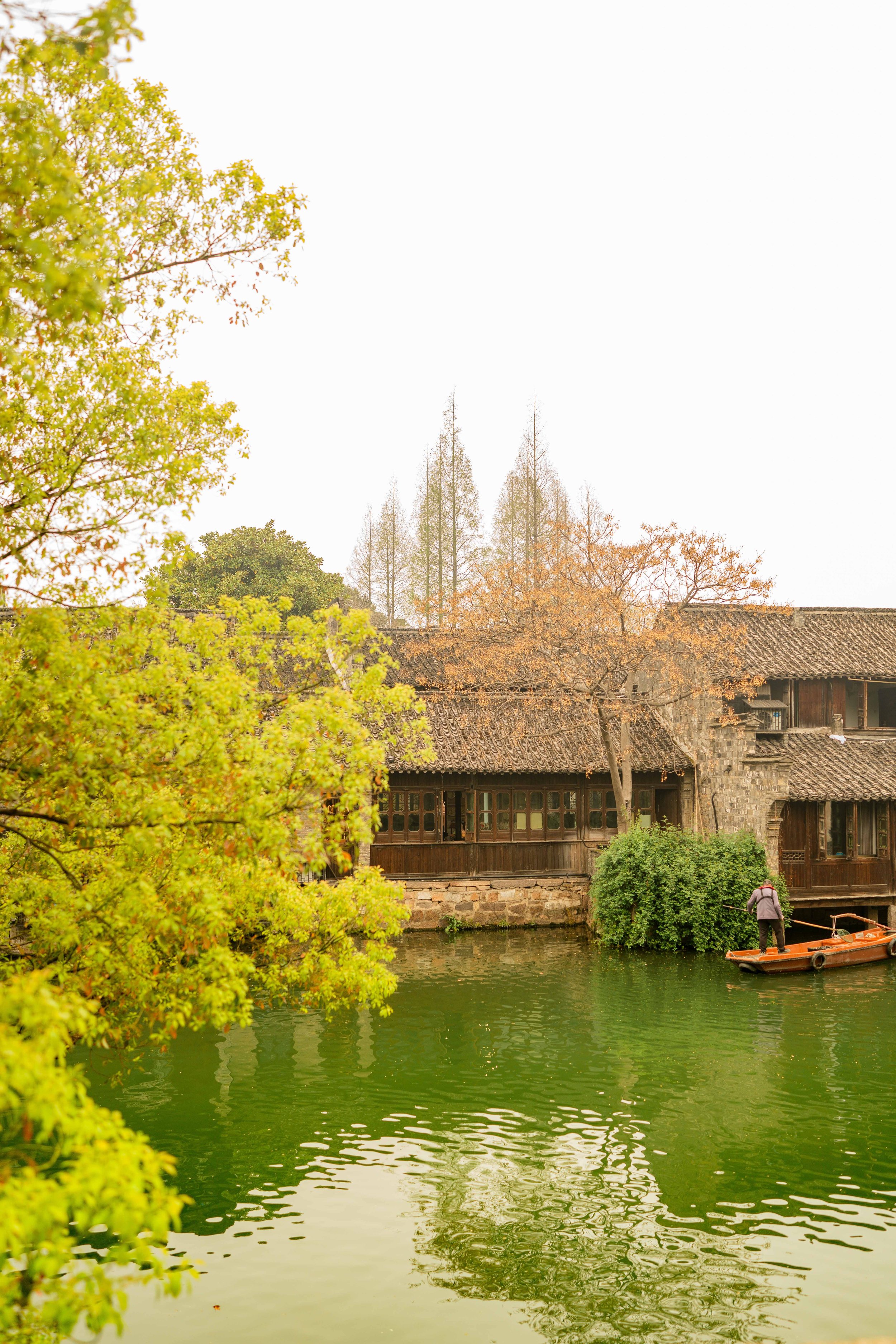
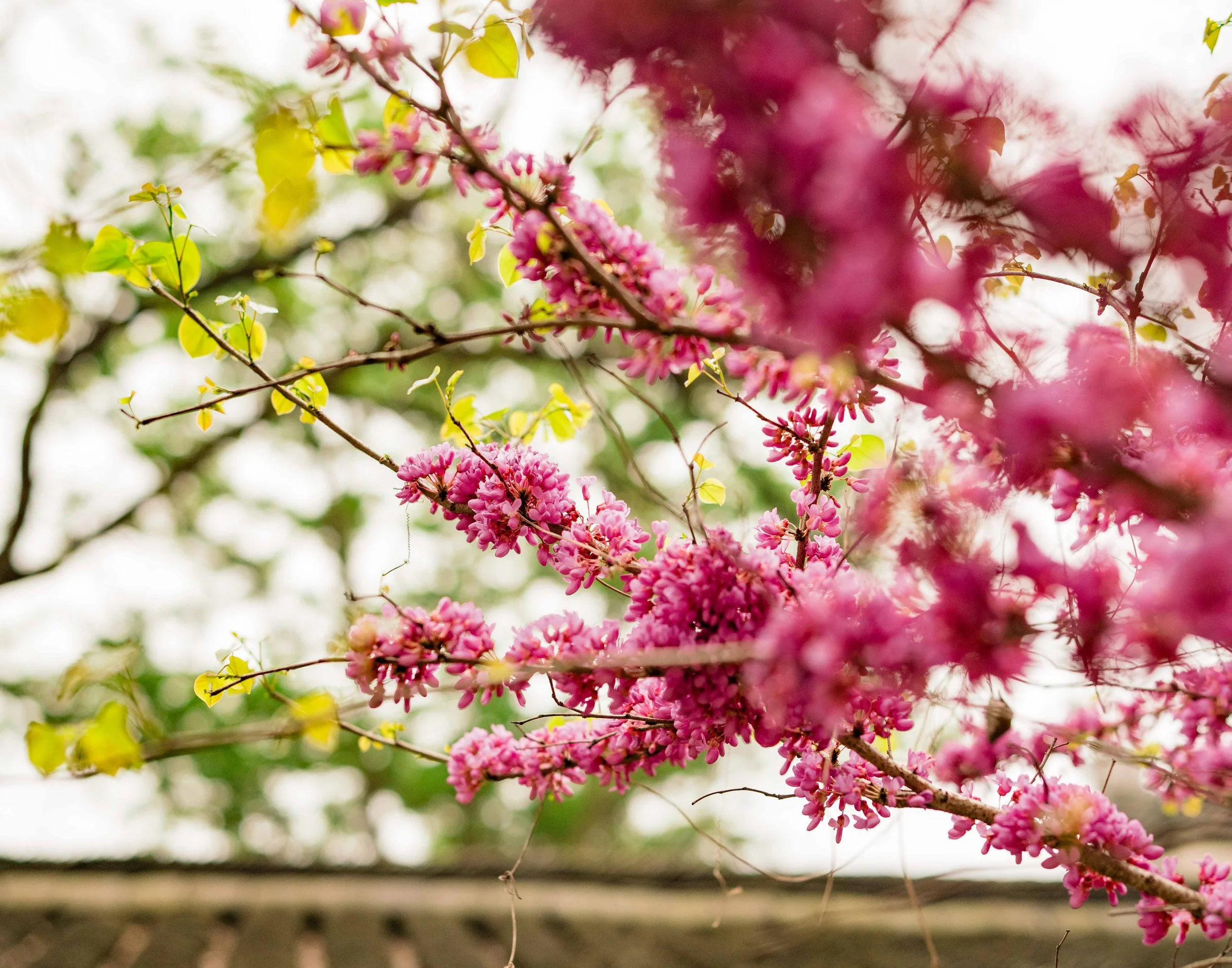
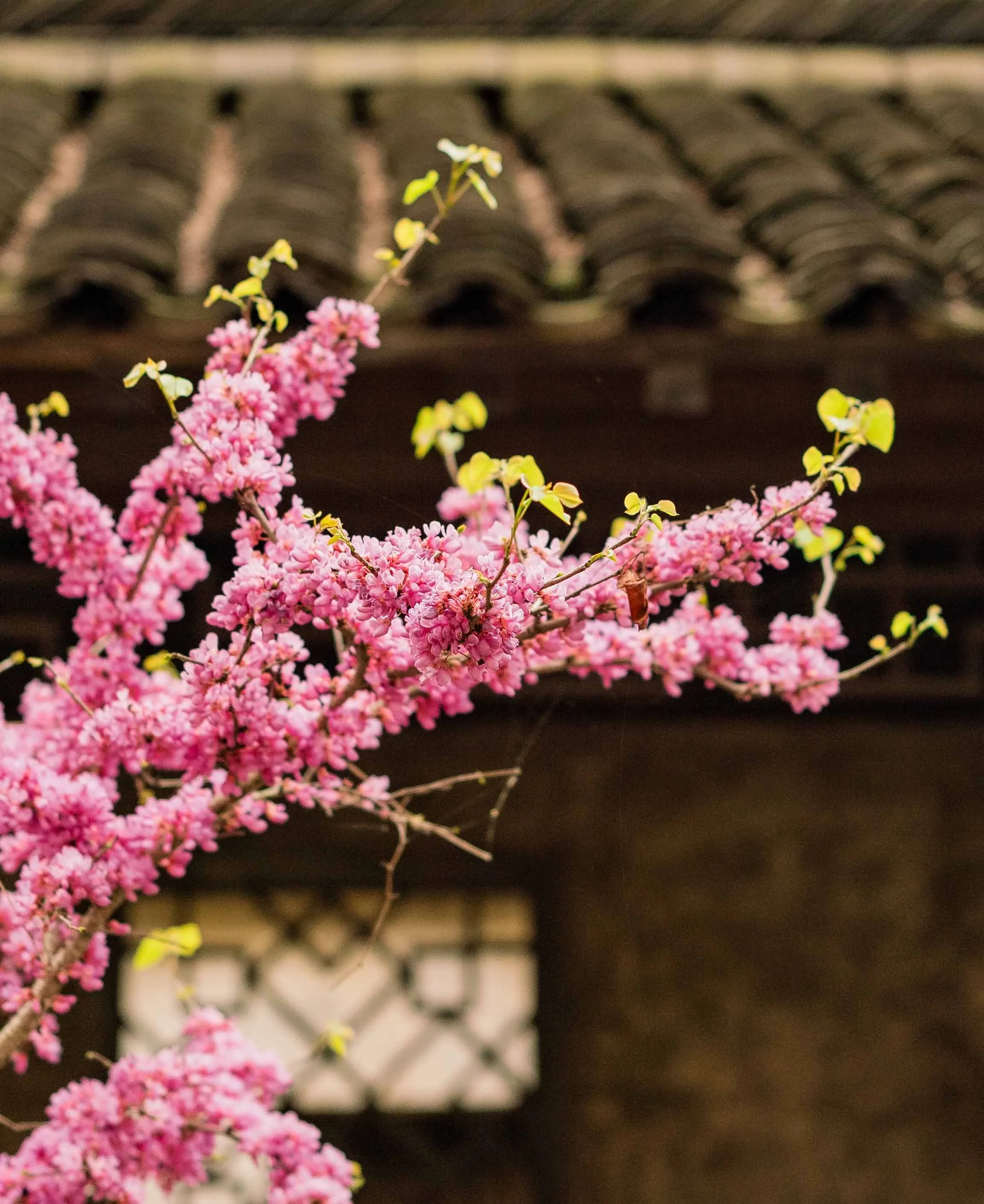
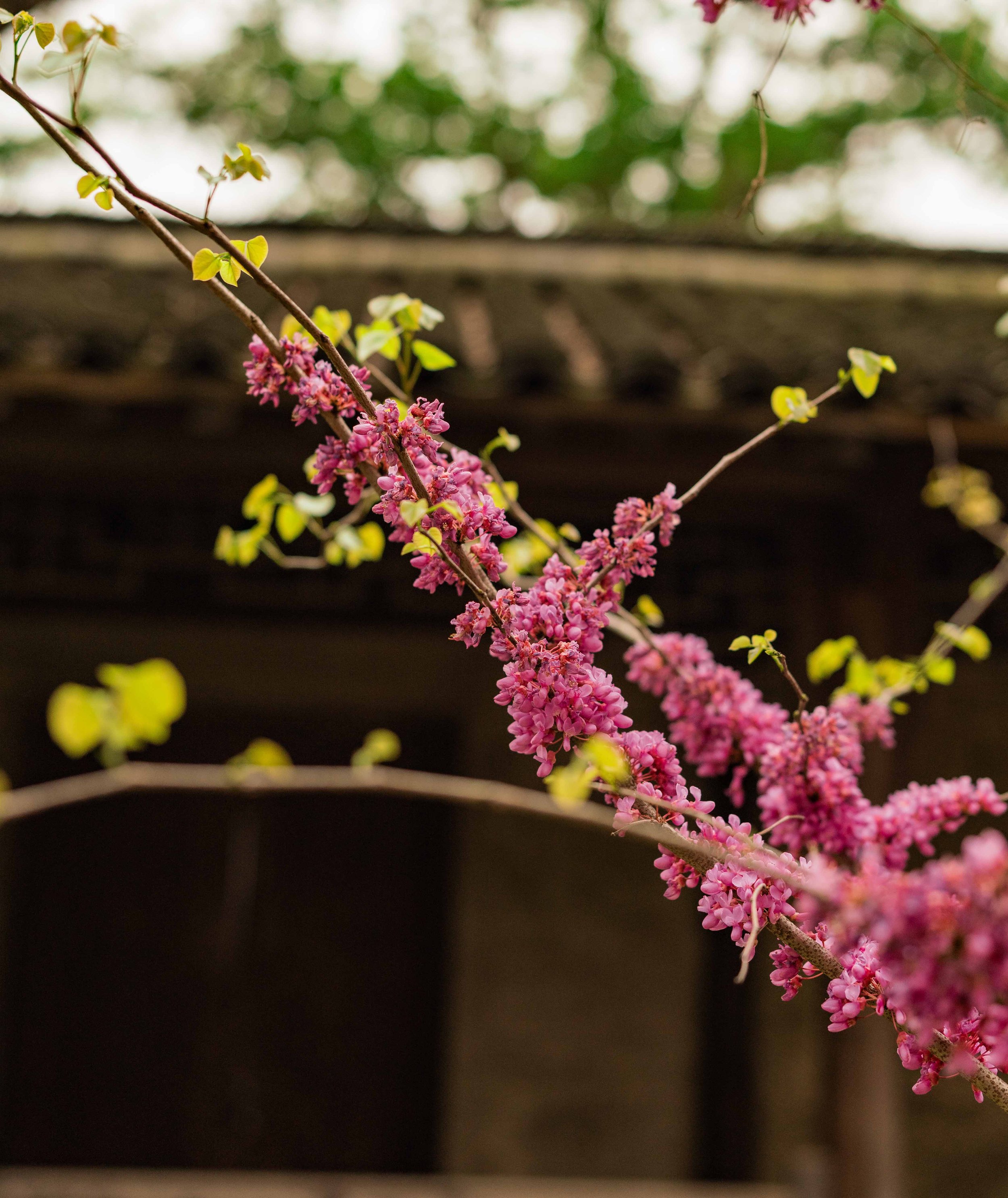
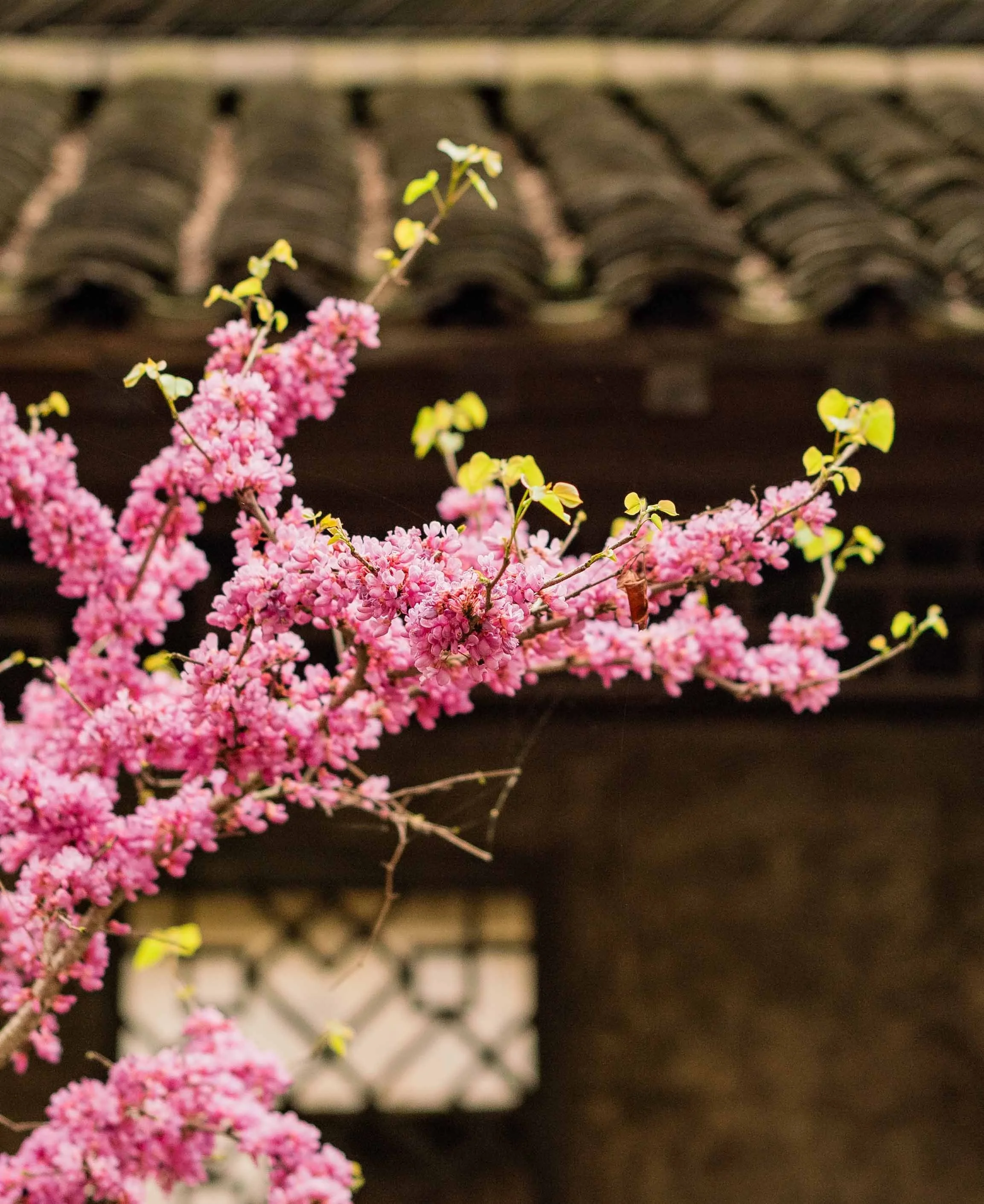
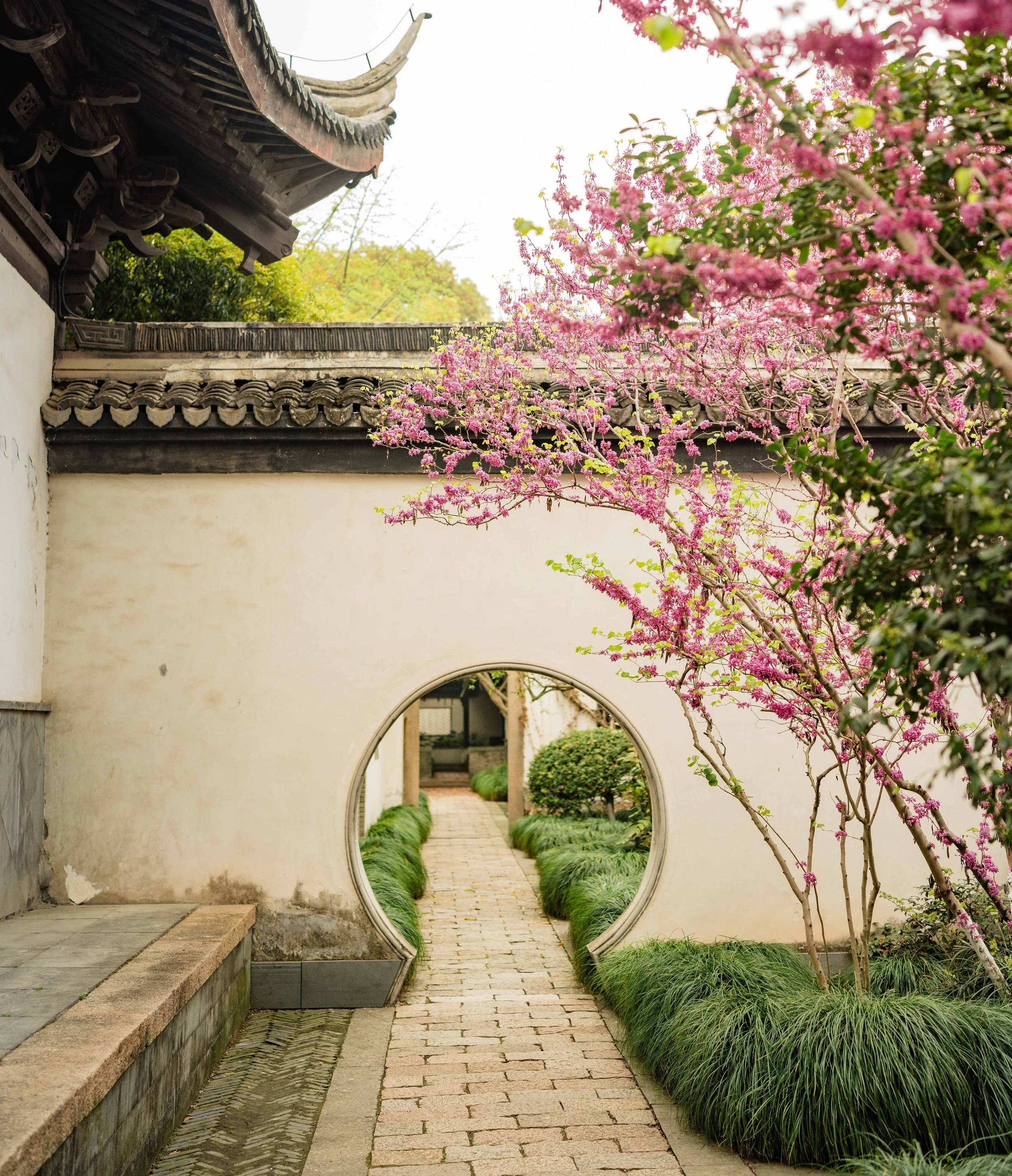
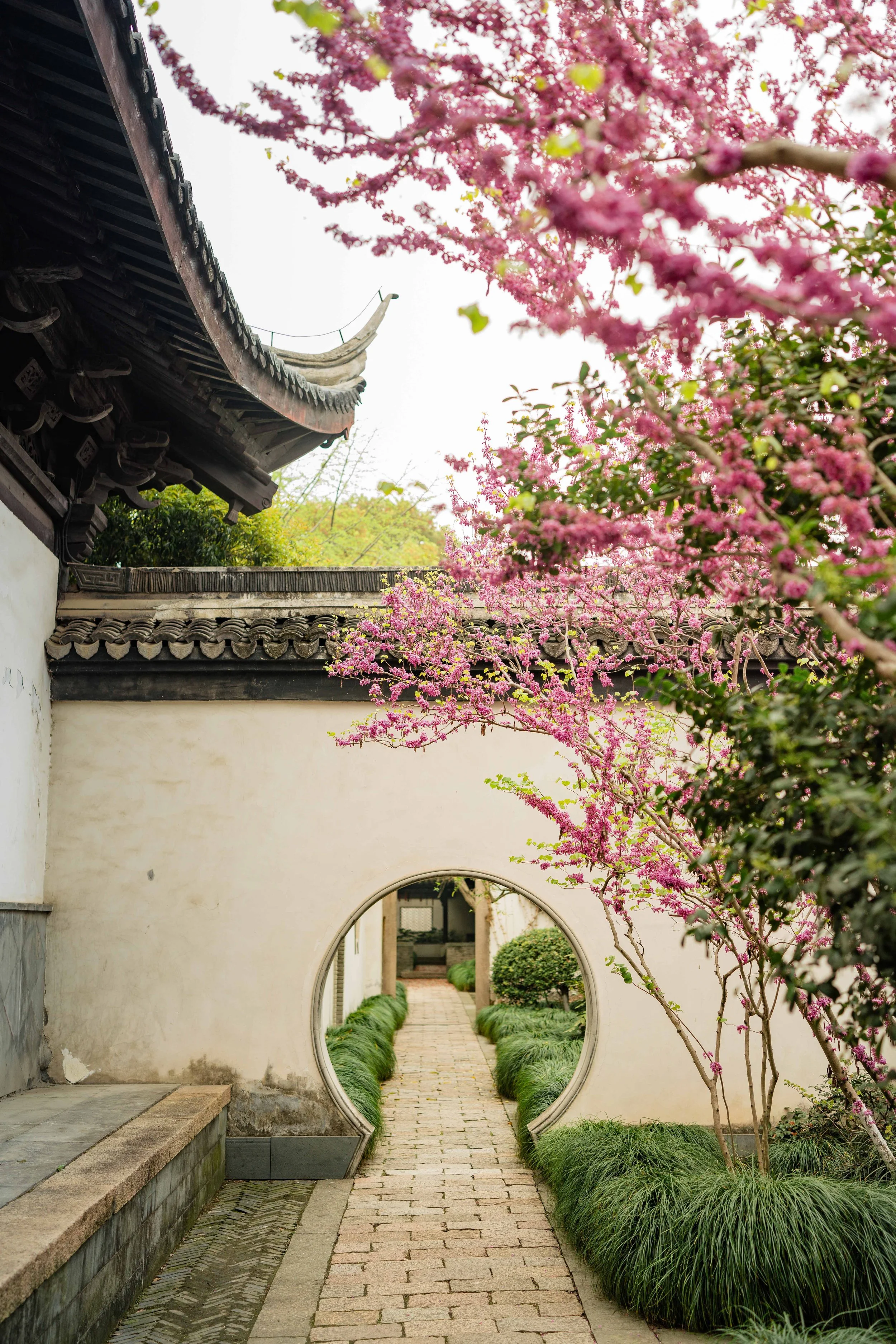
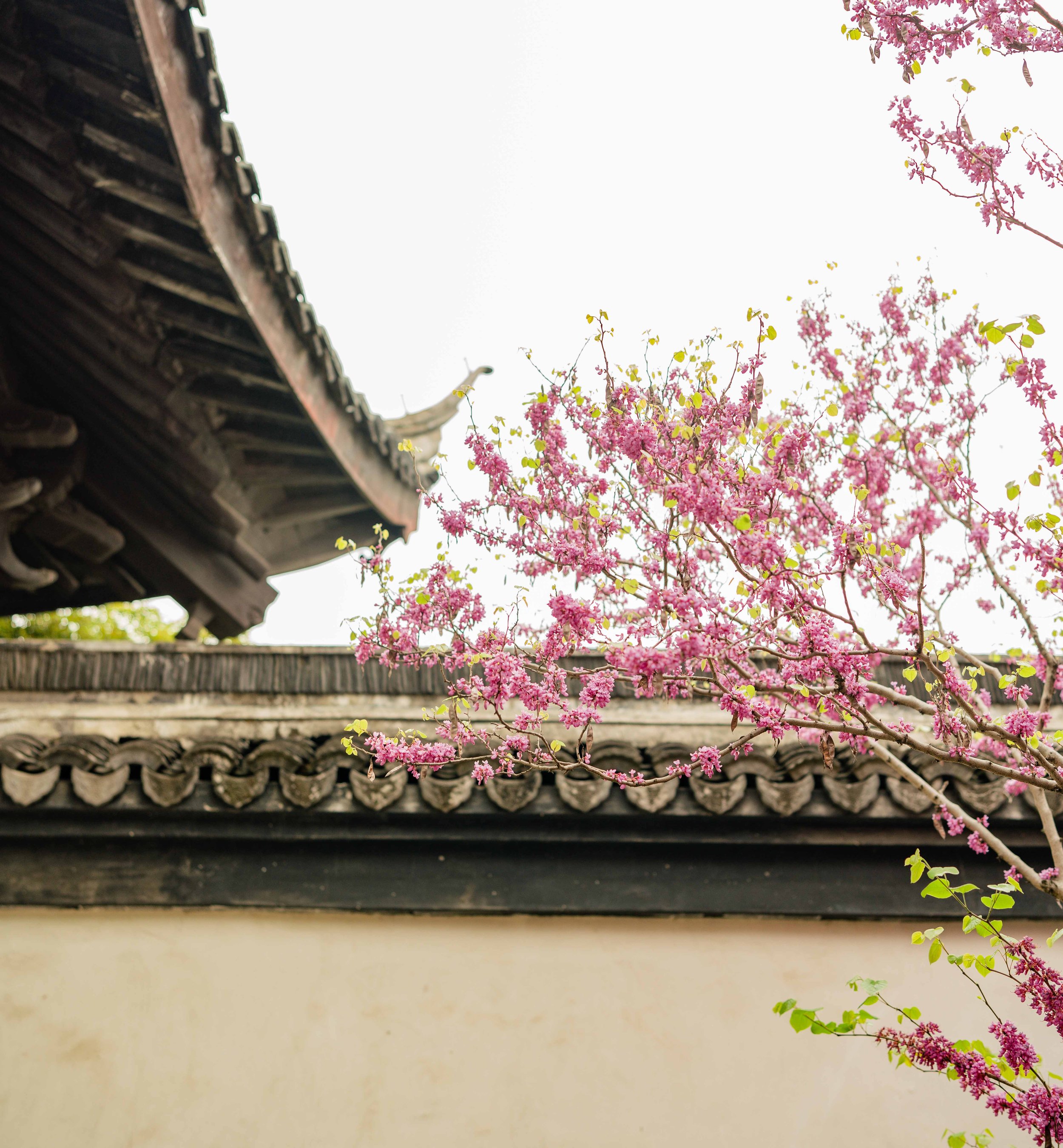
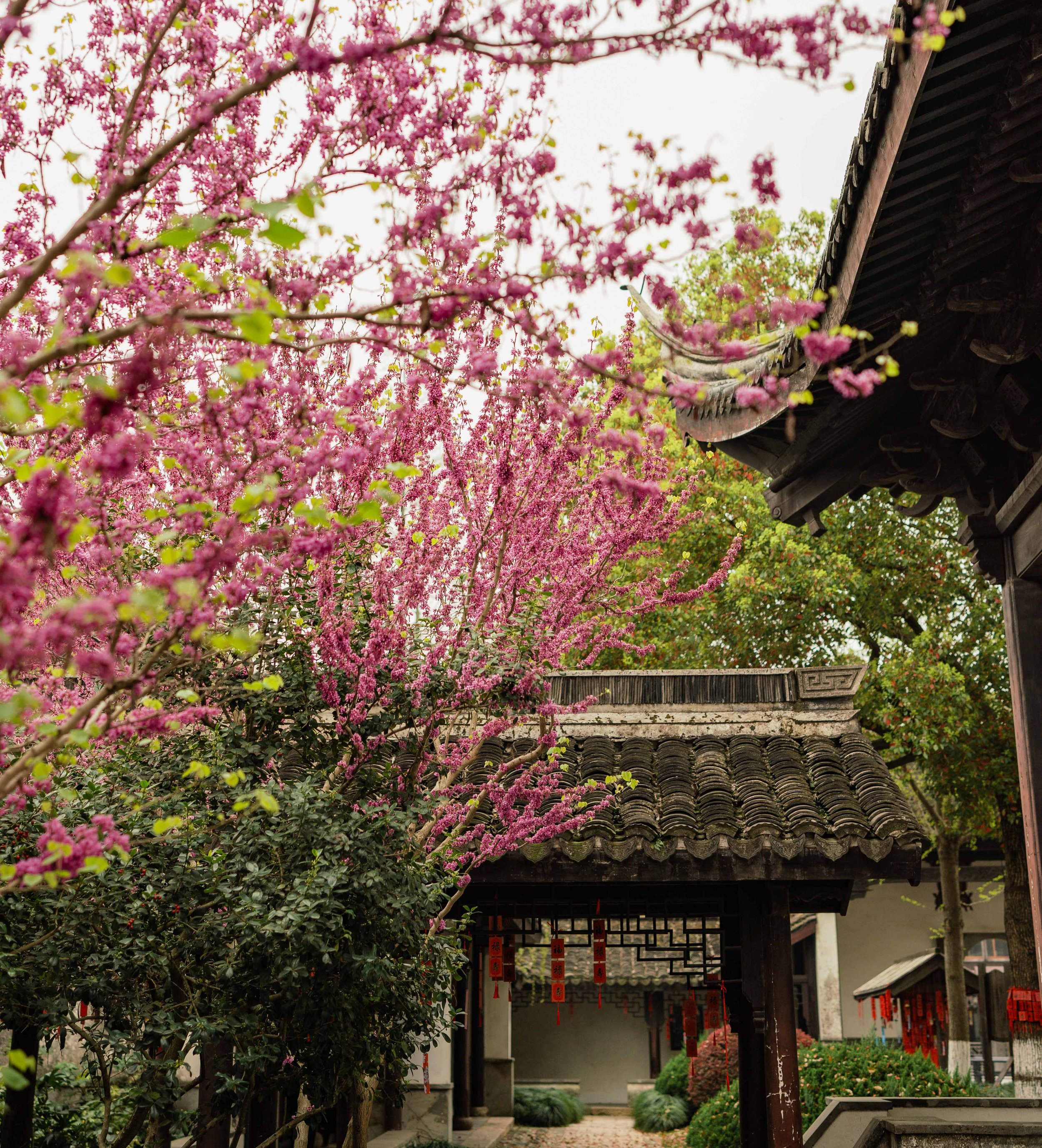
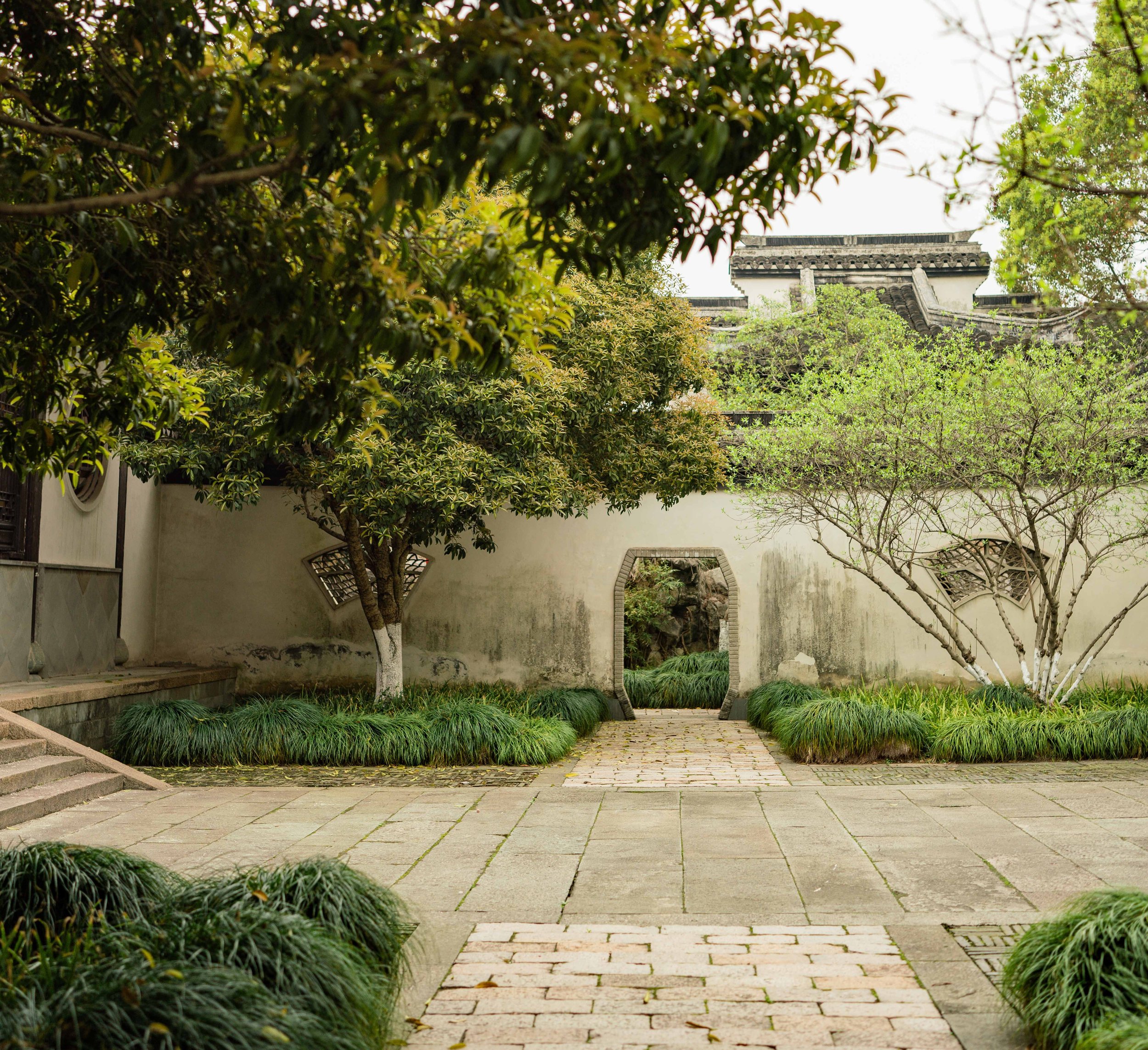
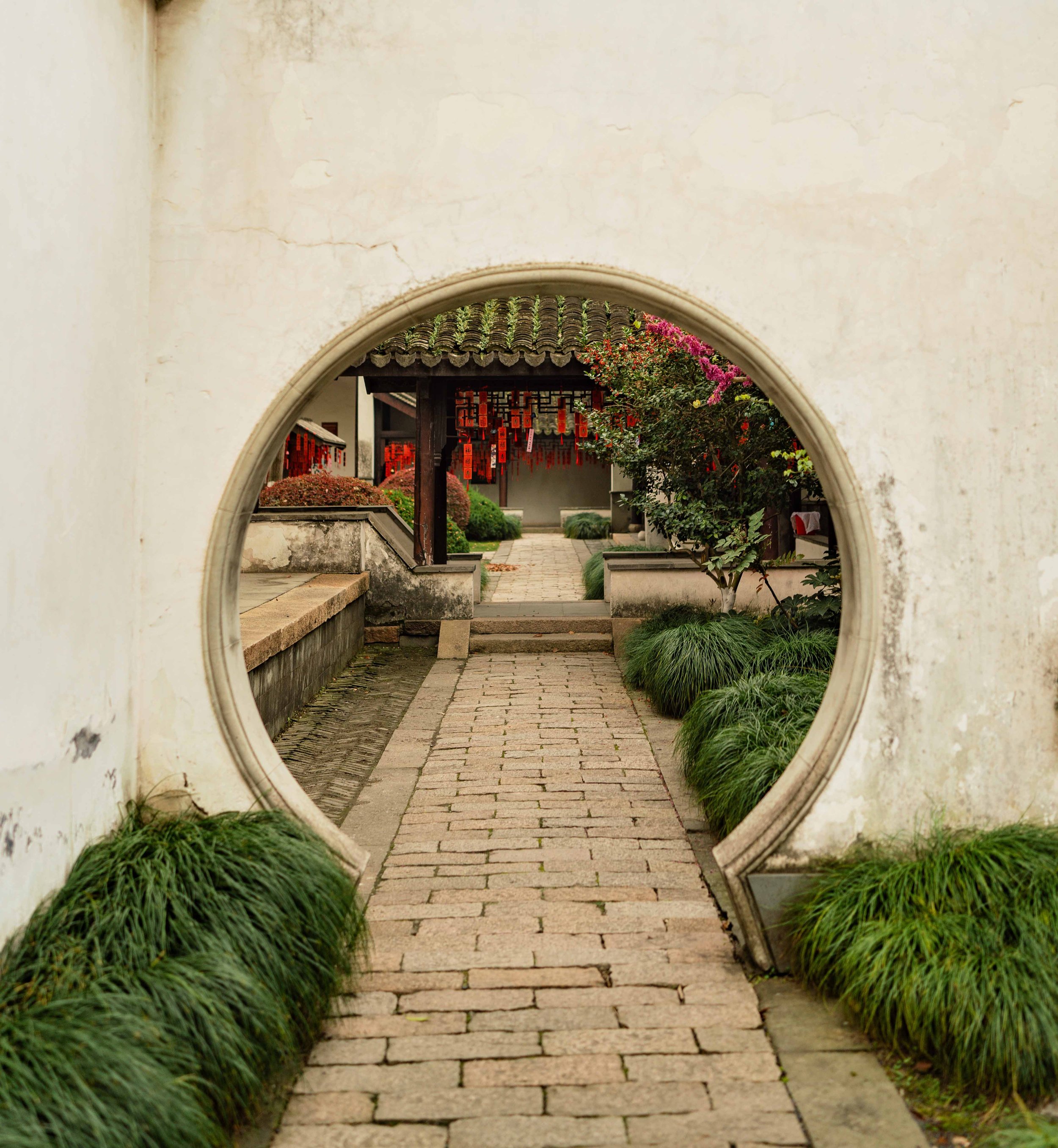
I call it an "early morning stroll," but the truth is, my sister and I got completely lost for the second time (the first being the night before), unable to navigate back to our homestay for breakfast. It took three hours of wandering through endless alleys before we finally found our way. Yet, it was a detour worth every minute. Because we got lost, I witnessed the profound peace of the ancient town at dawn. I stood mesmerized beneath a blooming Chinese redbud tree, its vibrant magenta petals framing a classic Jiangnan moon gate. I finally understood what people meant by the breathtaking spring scenery of Jiangnan. And most importantly, I managed to capture it all through my lens.
As I write these lines, I am suddenly reminded of a quote by Ansel Adams:
You don't make a photograph just with a camera. You bring to the act of photography all the pictures you have seen,
the books you have read, the music you have heard, the people you have loved.
Ansel Adams
再见!