Hangzhou - A Glimpse of Heaven
上有天堂, 下有苏杭
Up above there is heaven; down below there are Suzhou and Hangzhou
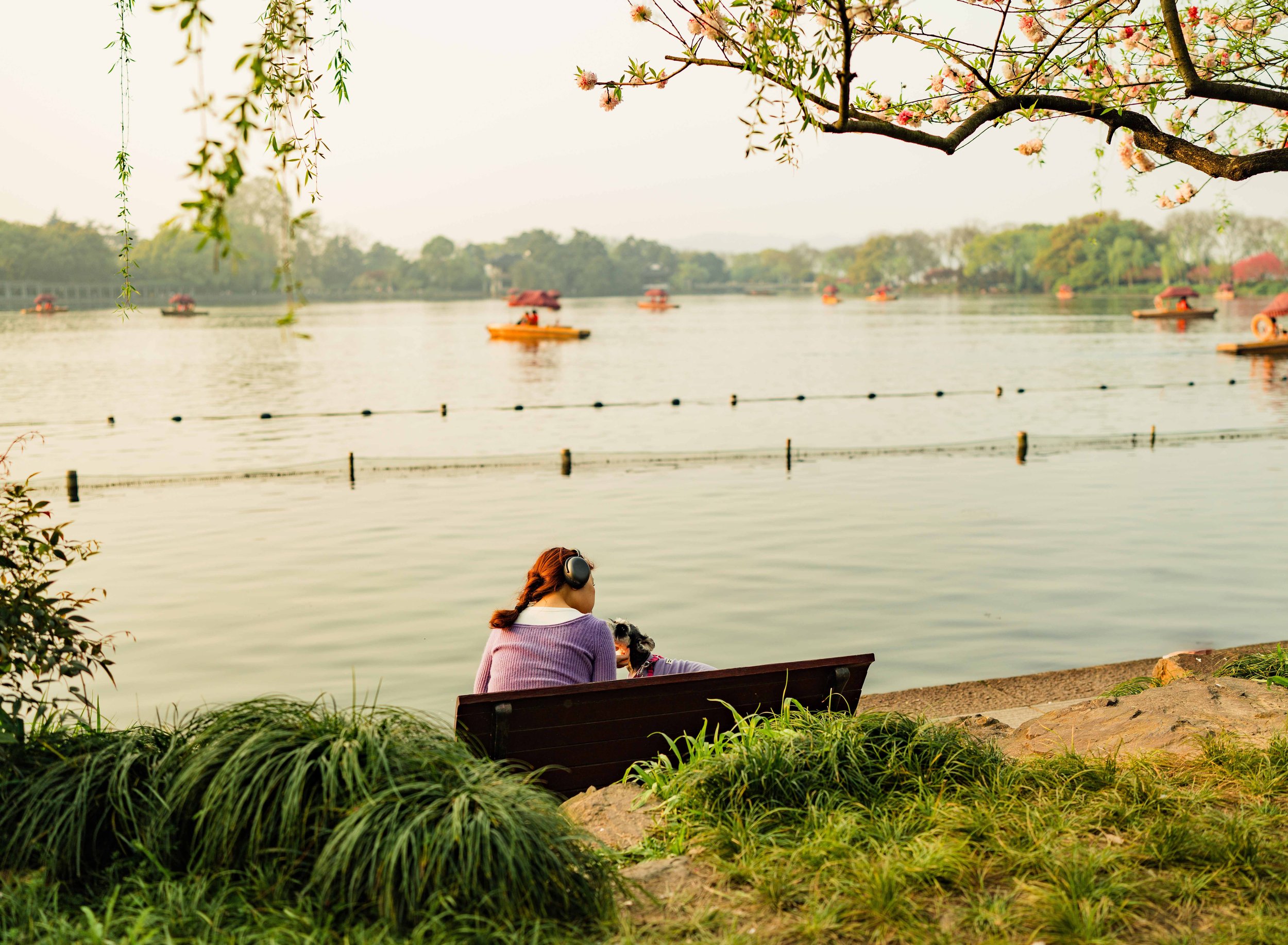
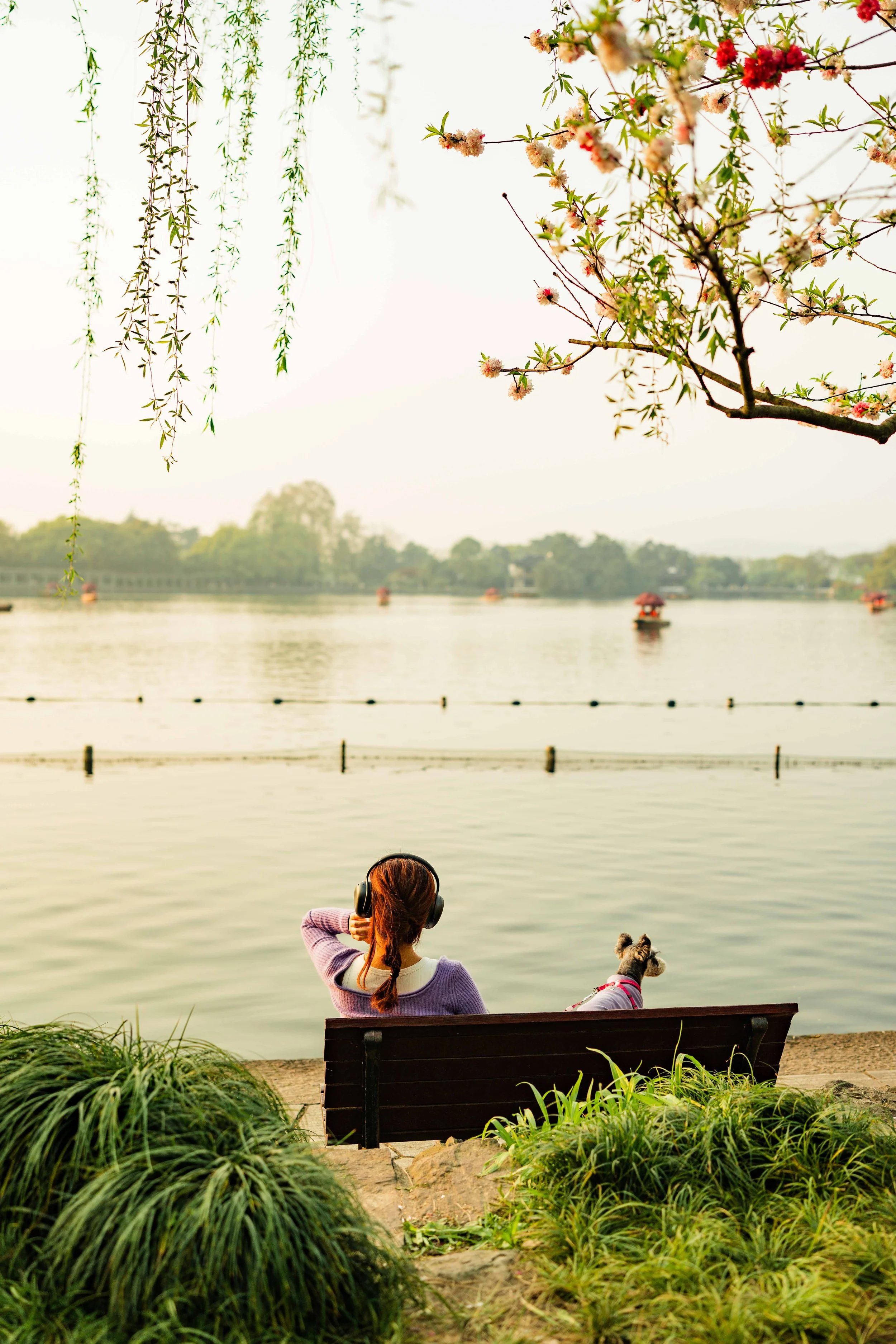
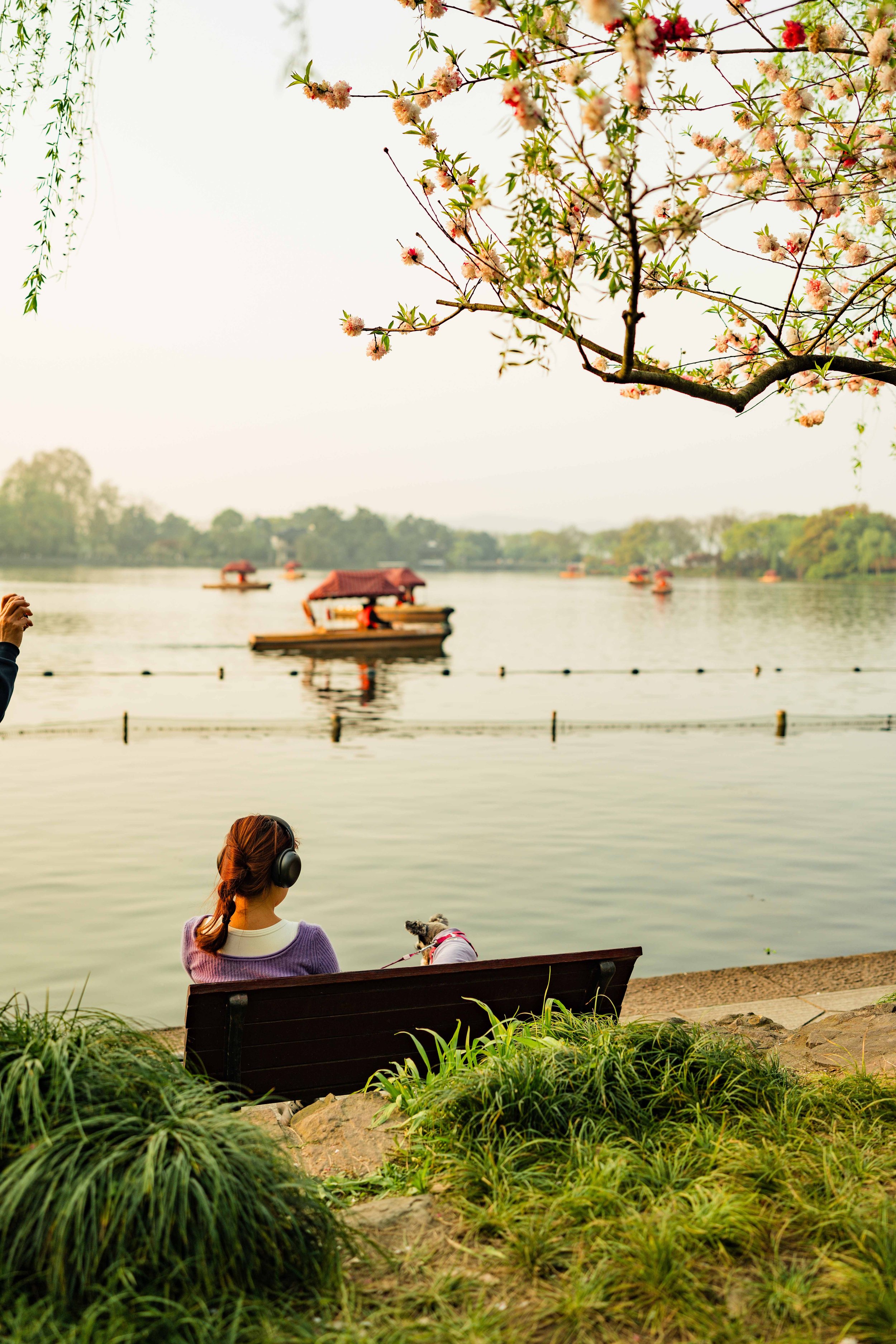
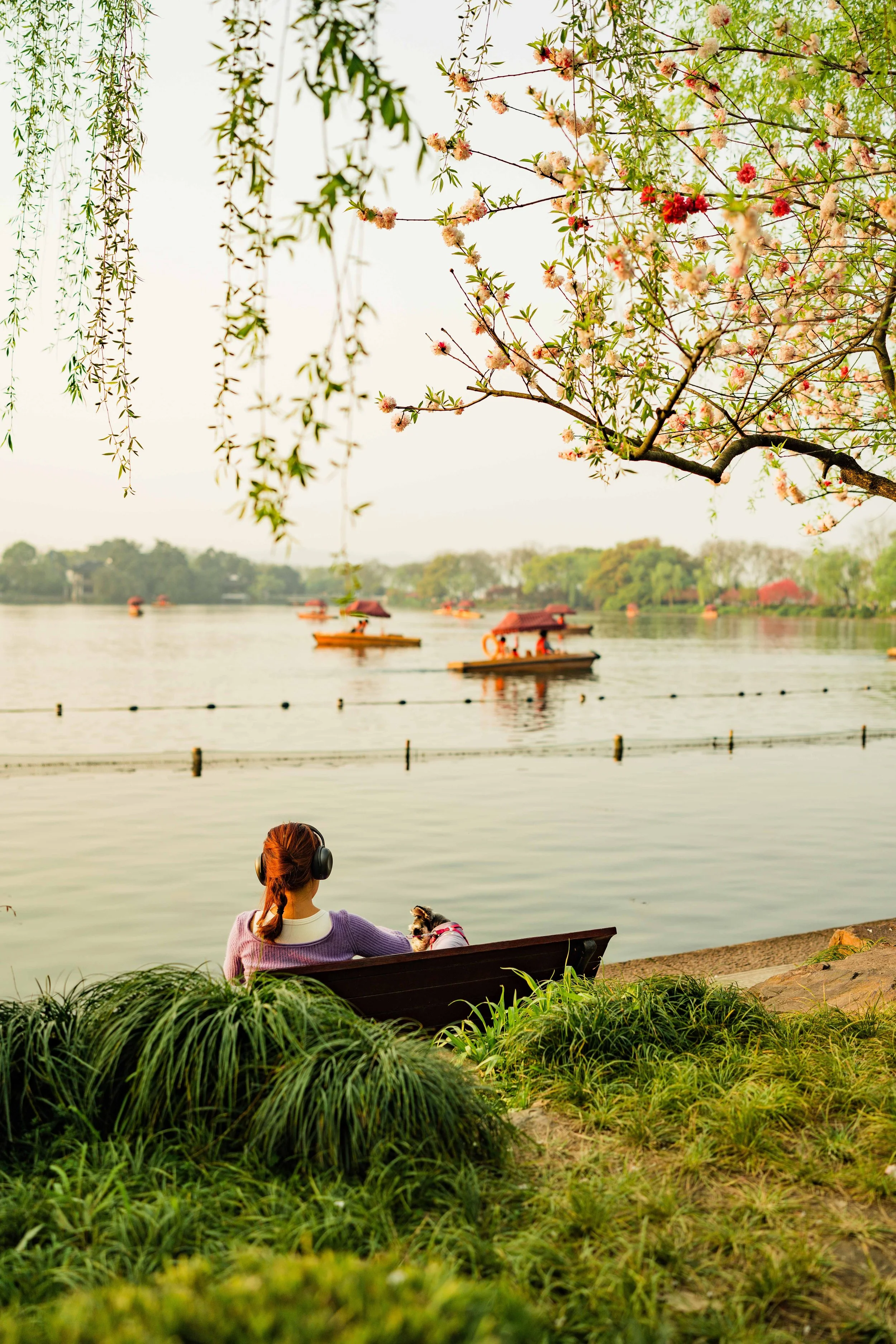
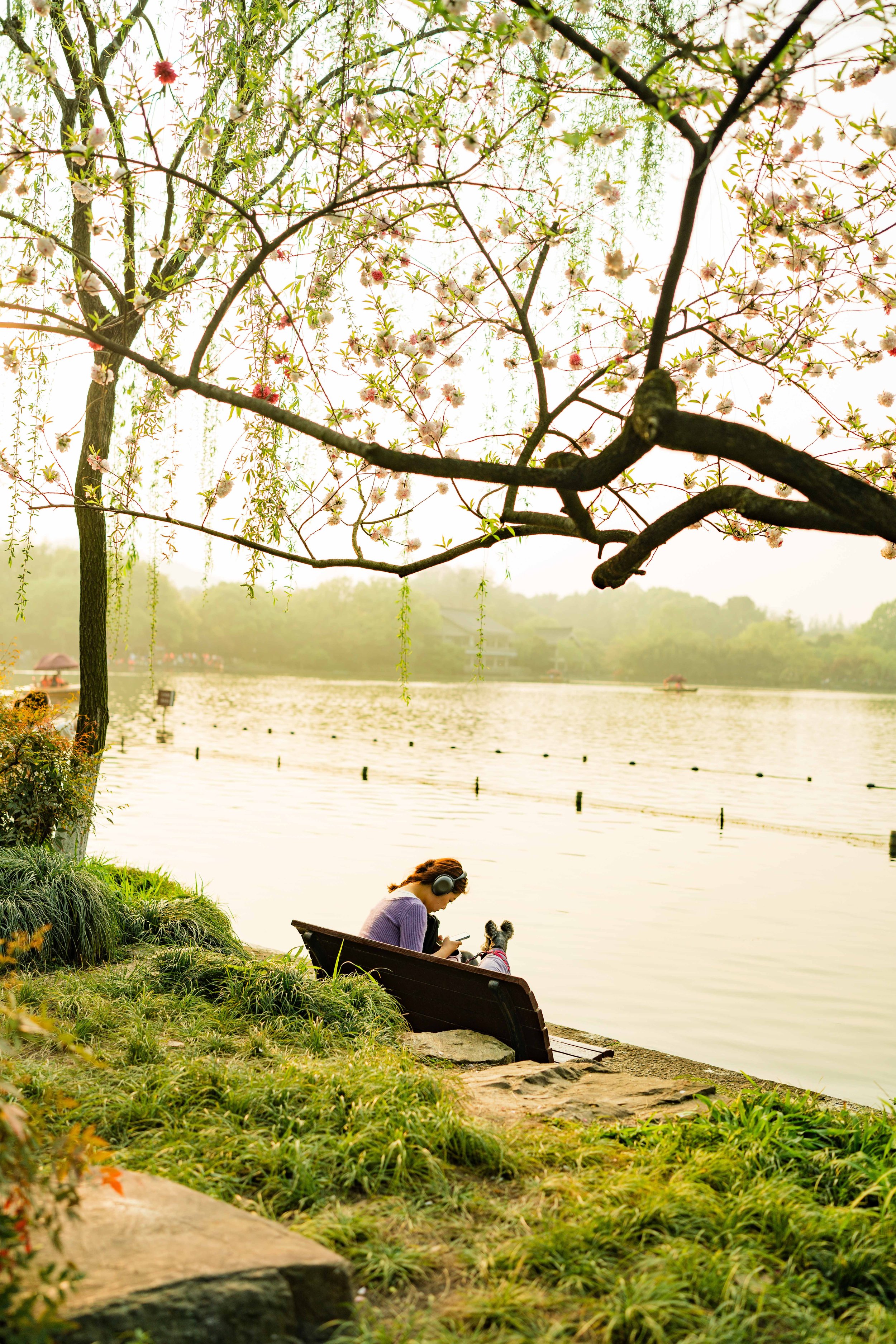
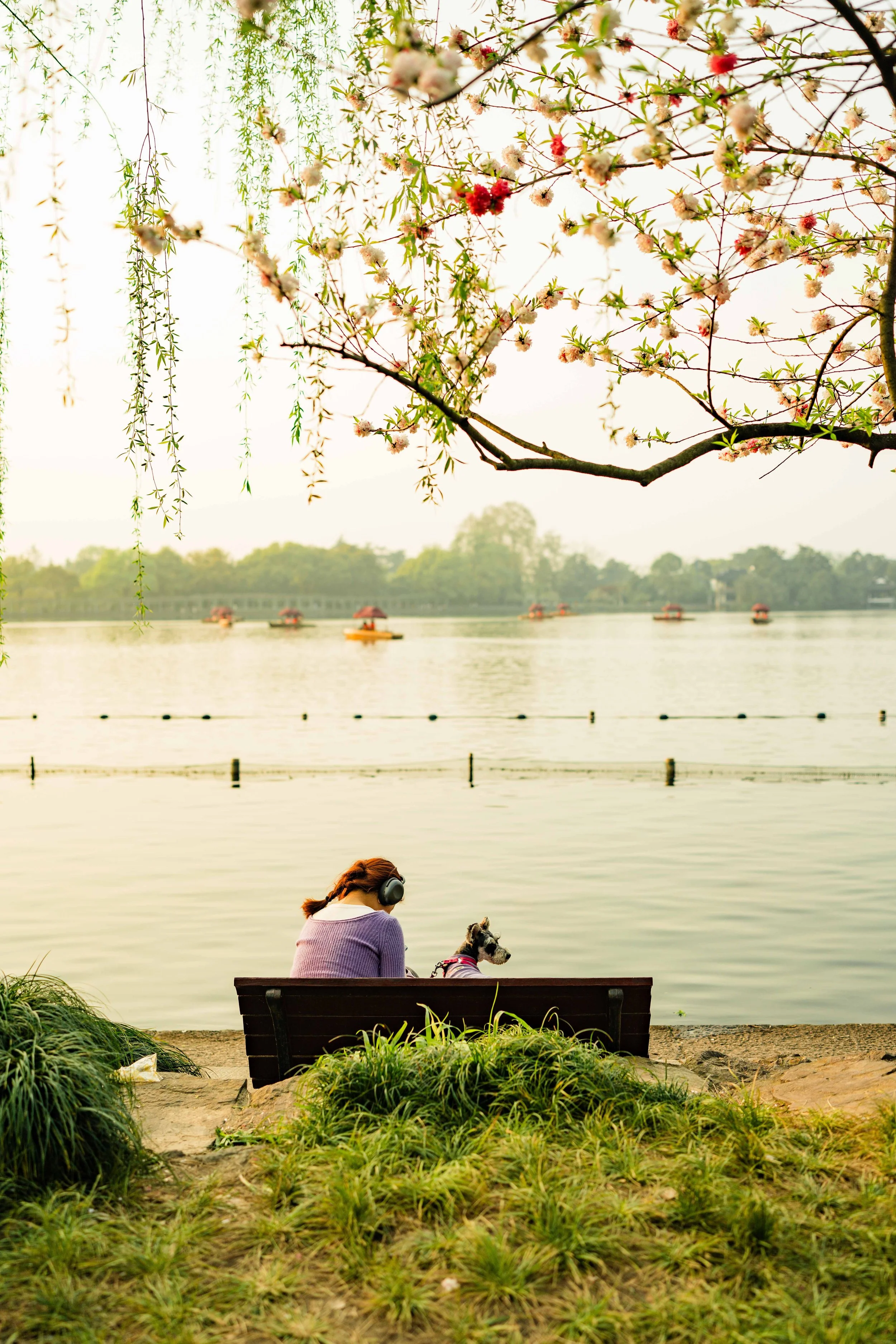
I had heard much about the beauty of Hangzhou, yet every place I visited there brought a new sense of wonder, serving as a true testament to that famous saying. Arriving on a beautiful, sunlit afternoon, I rushed toward Leifeng Pagoda (雷峰塔) hoping to catch the sunset. But along the way, I stumbled upon a girl and her dog sitting quietly, soaking in the late afternoon sun by West Lake (西湖). The sight captivated me, and I stood there in a daze, watching alongside them. It was such a profoundly peaceful, everyday scene—both of them simply savoring the slow, quiet passing of time together.
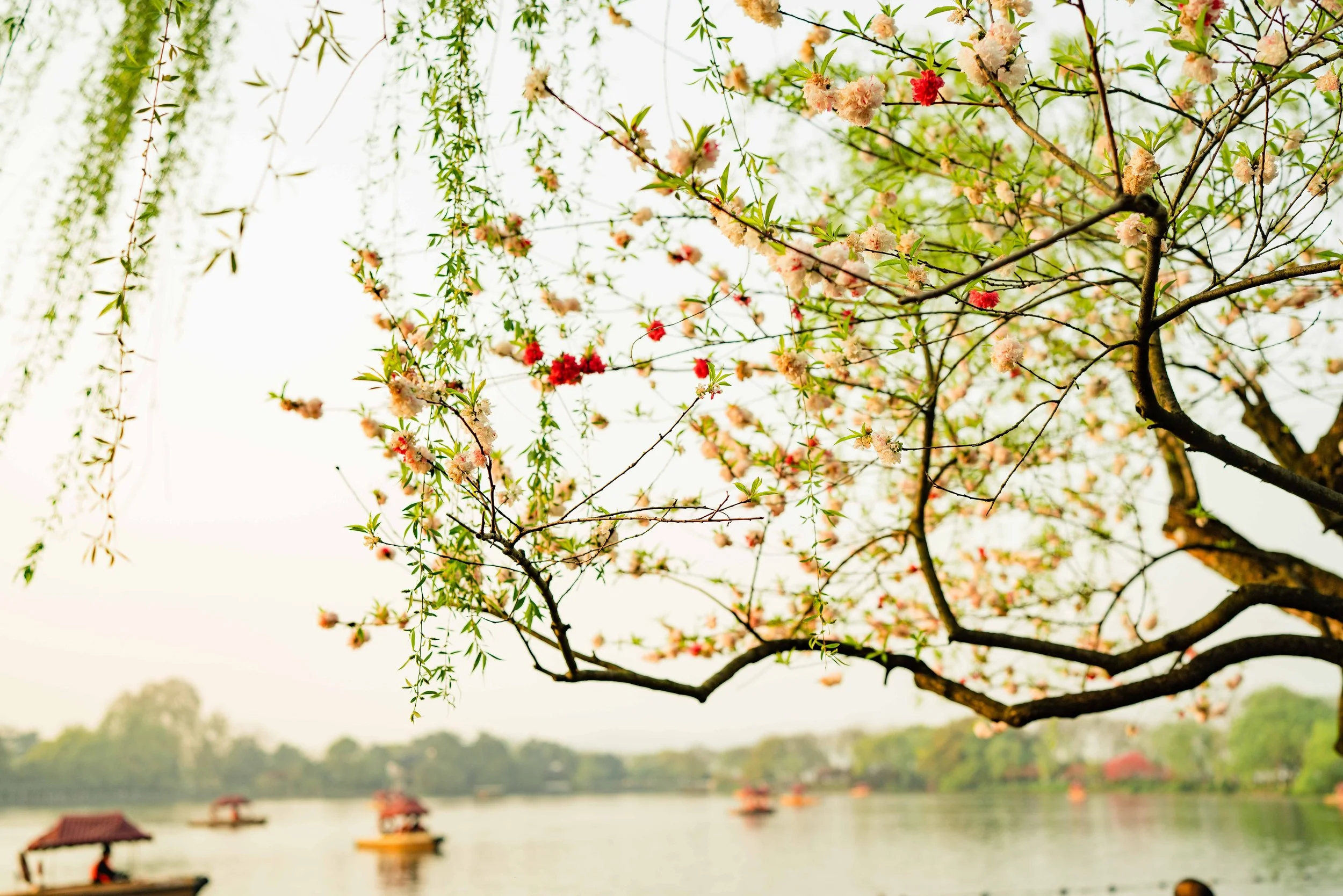
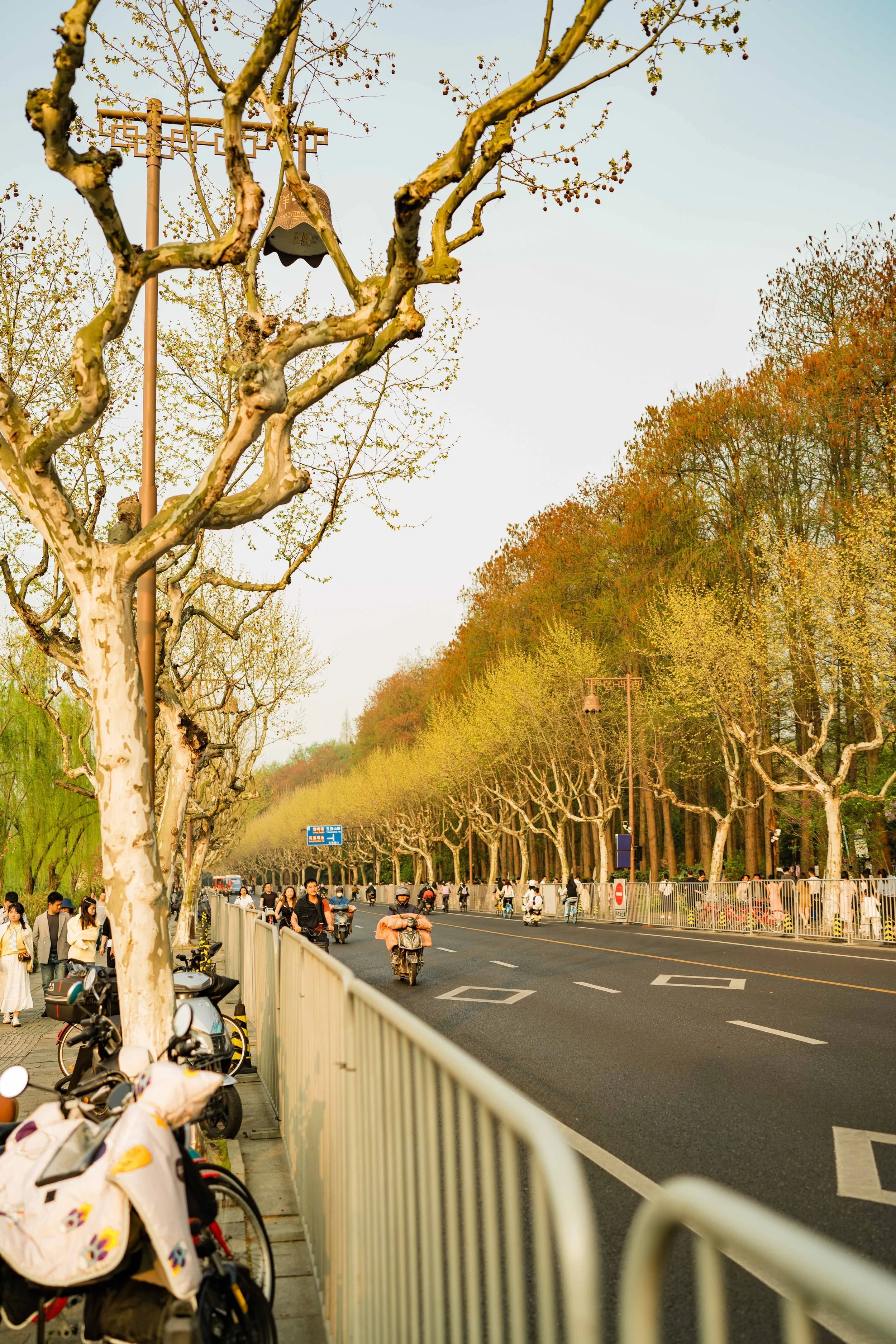
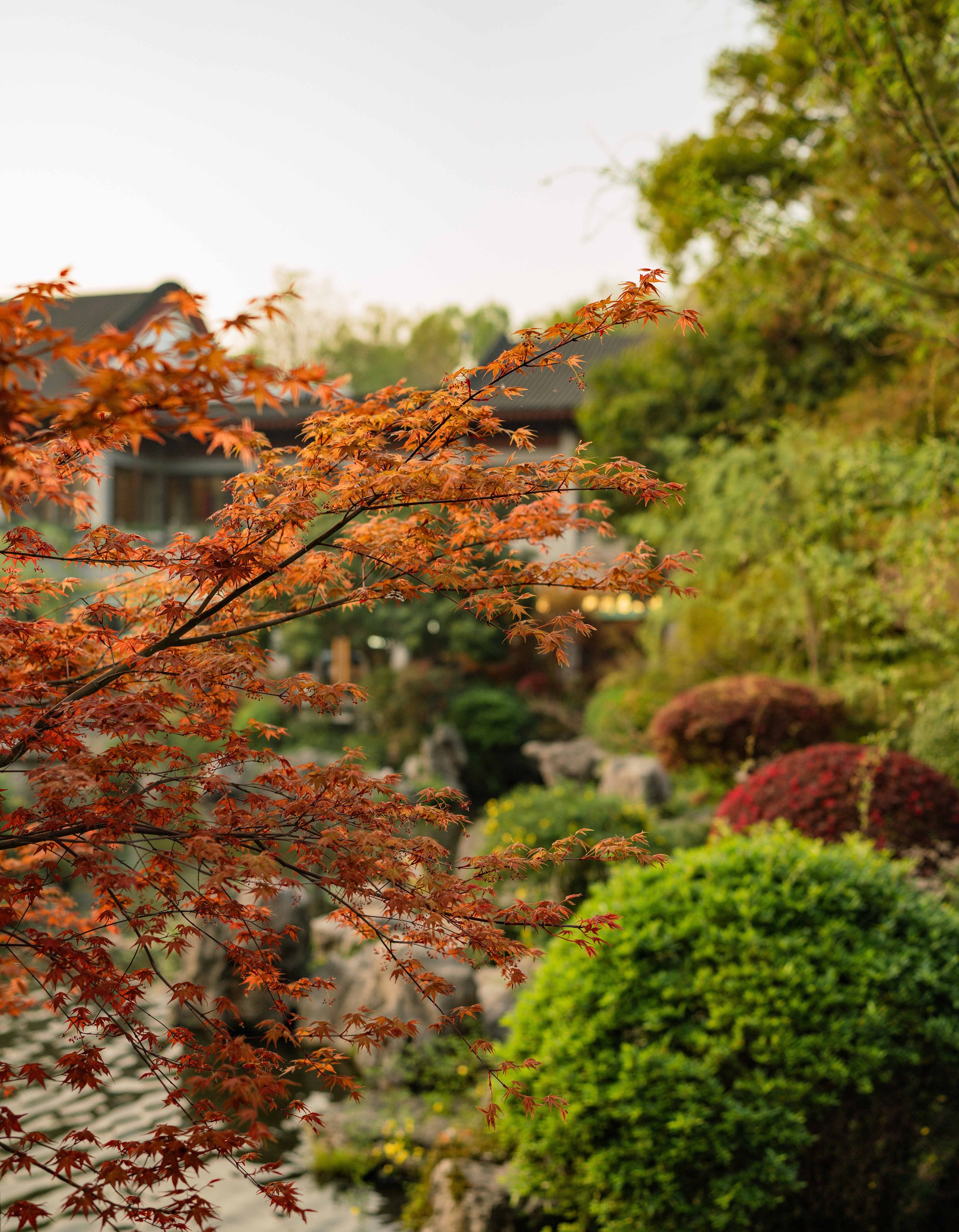
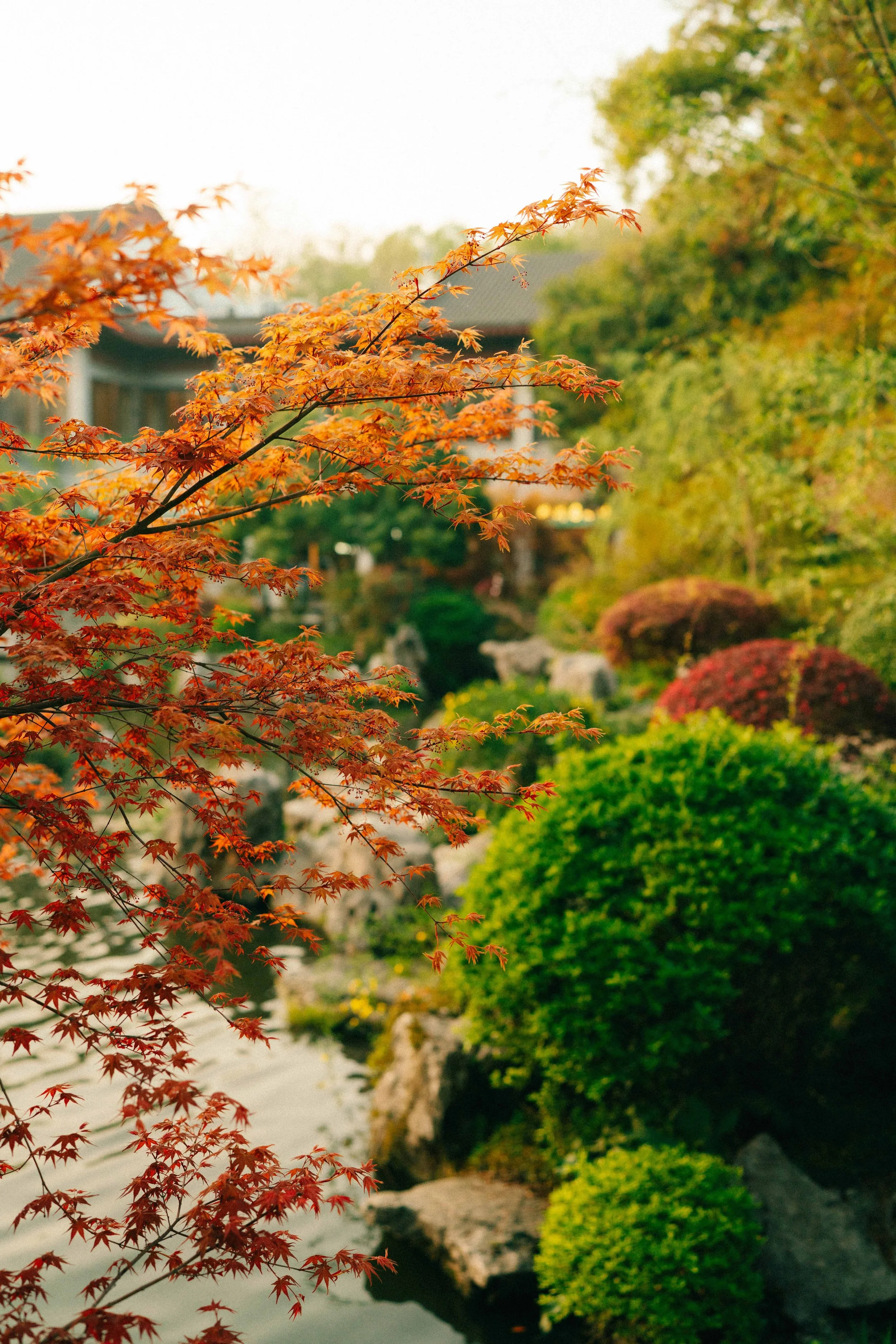
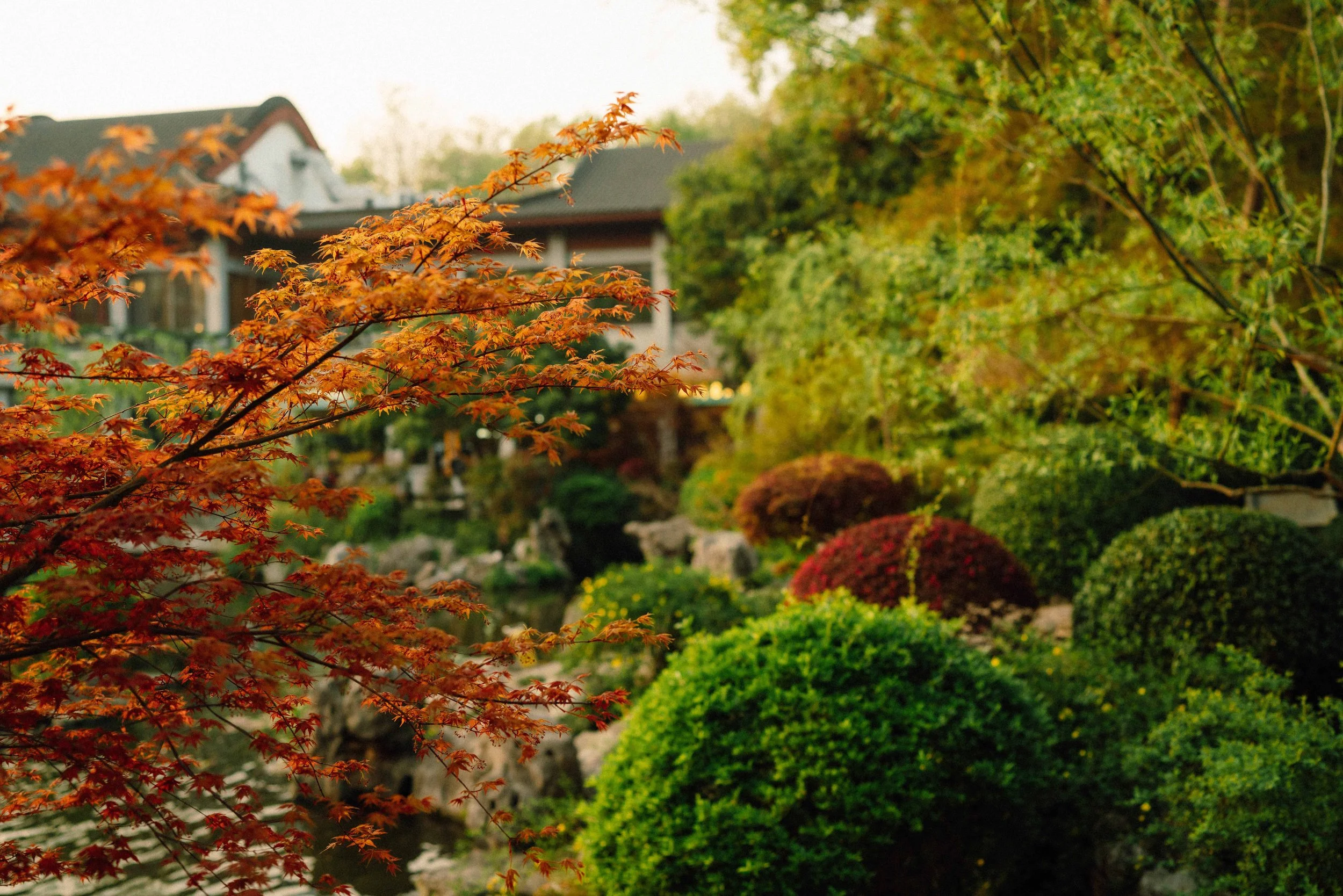
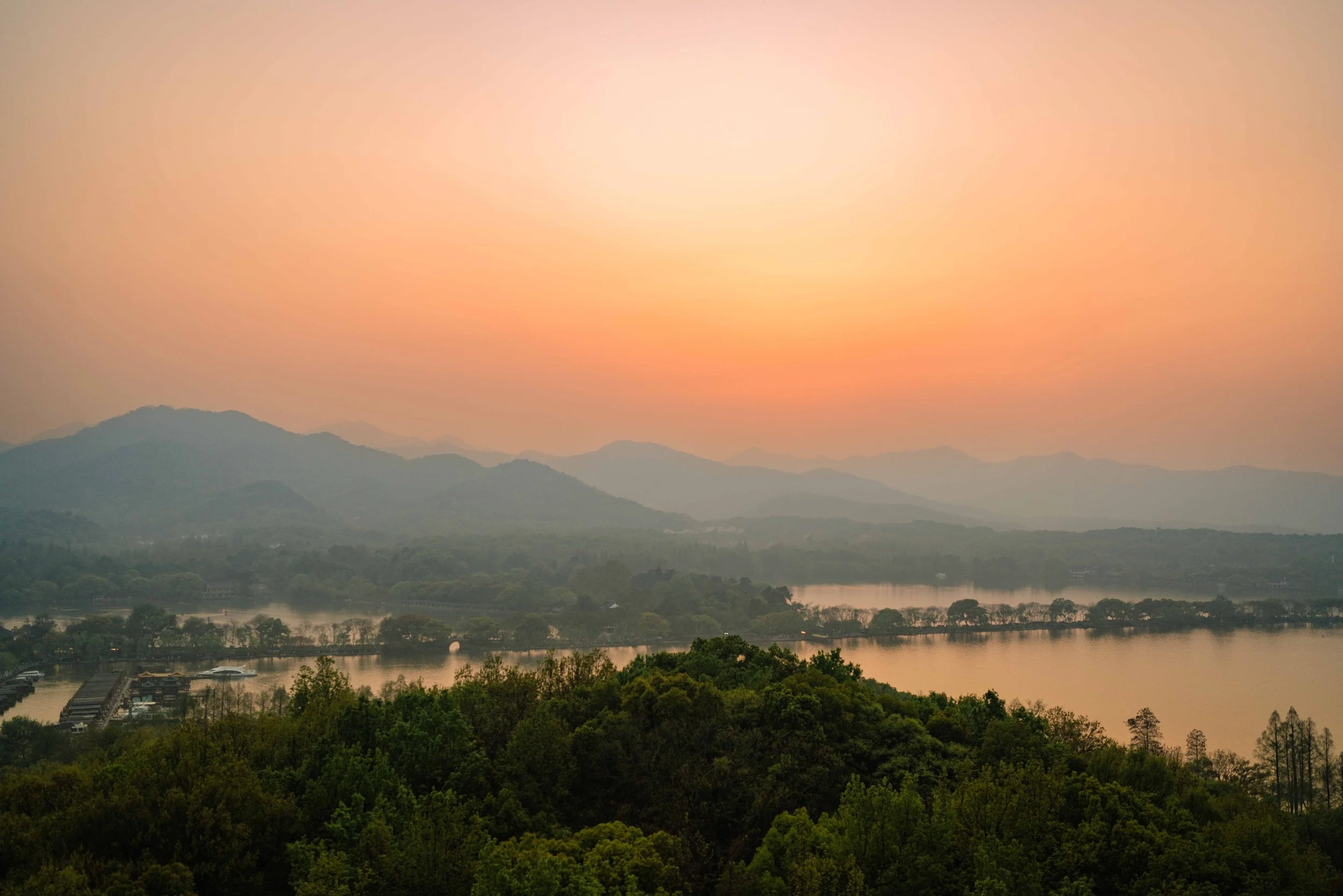
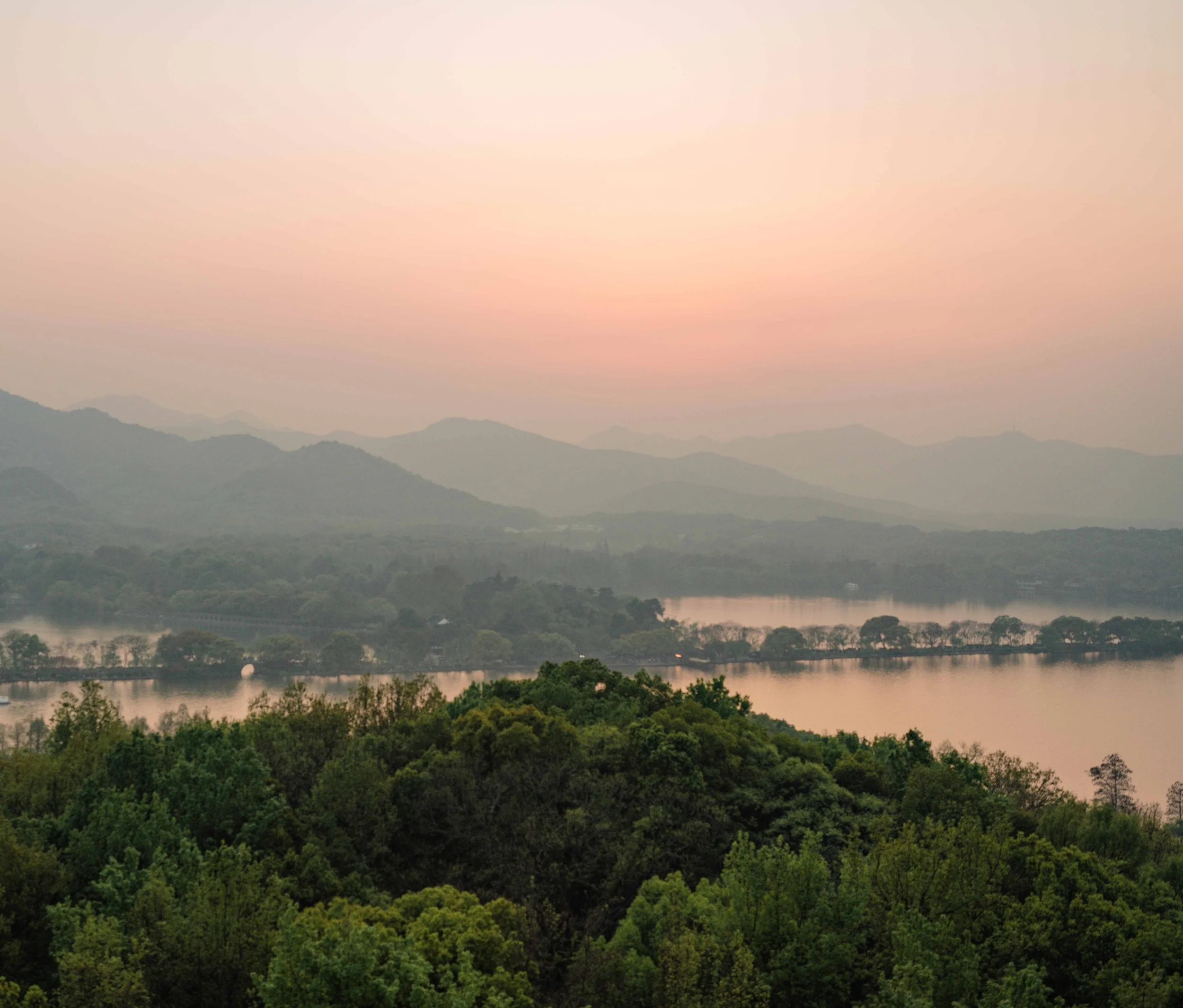
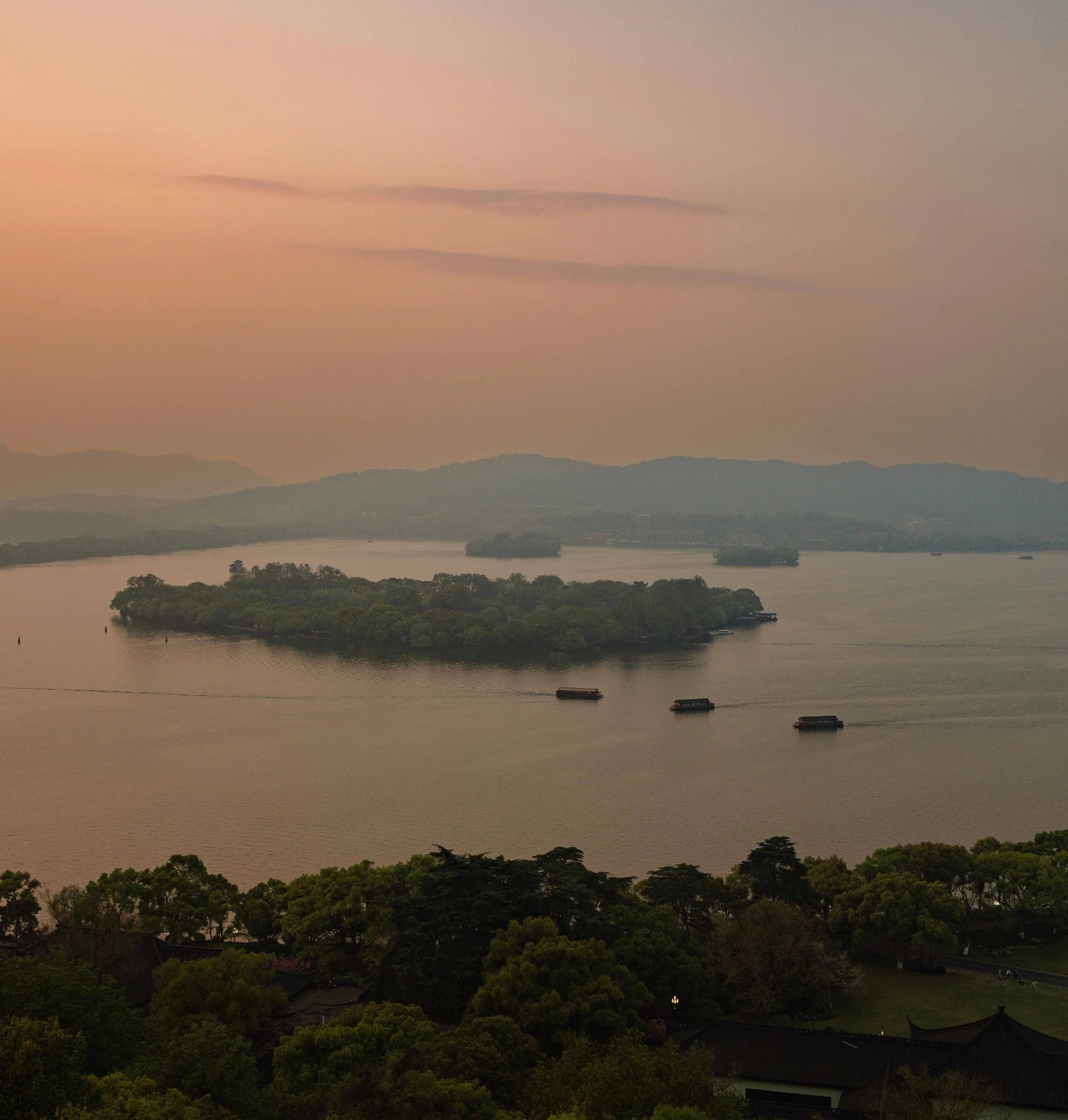
I missed the sunset from the top of Leifeng Pagoda 雷峰塔, by the time I reached the summit, only a faint amber glow lingered across the sky. Still, gazing down at West Lake from that height was a delight in its own right, watching the sunset-cruise boats bustling back and forth, racing to return to the pier.
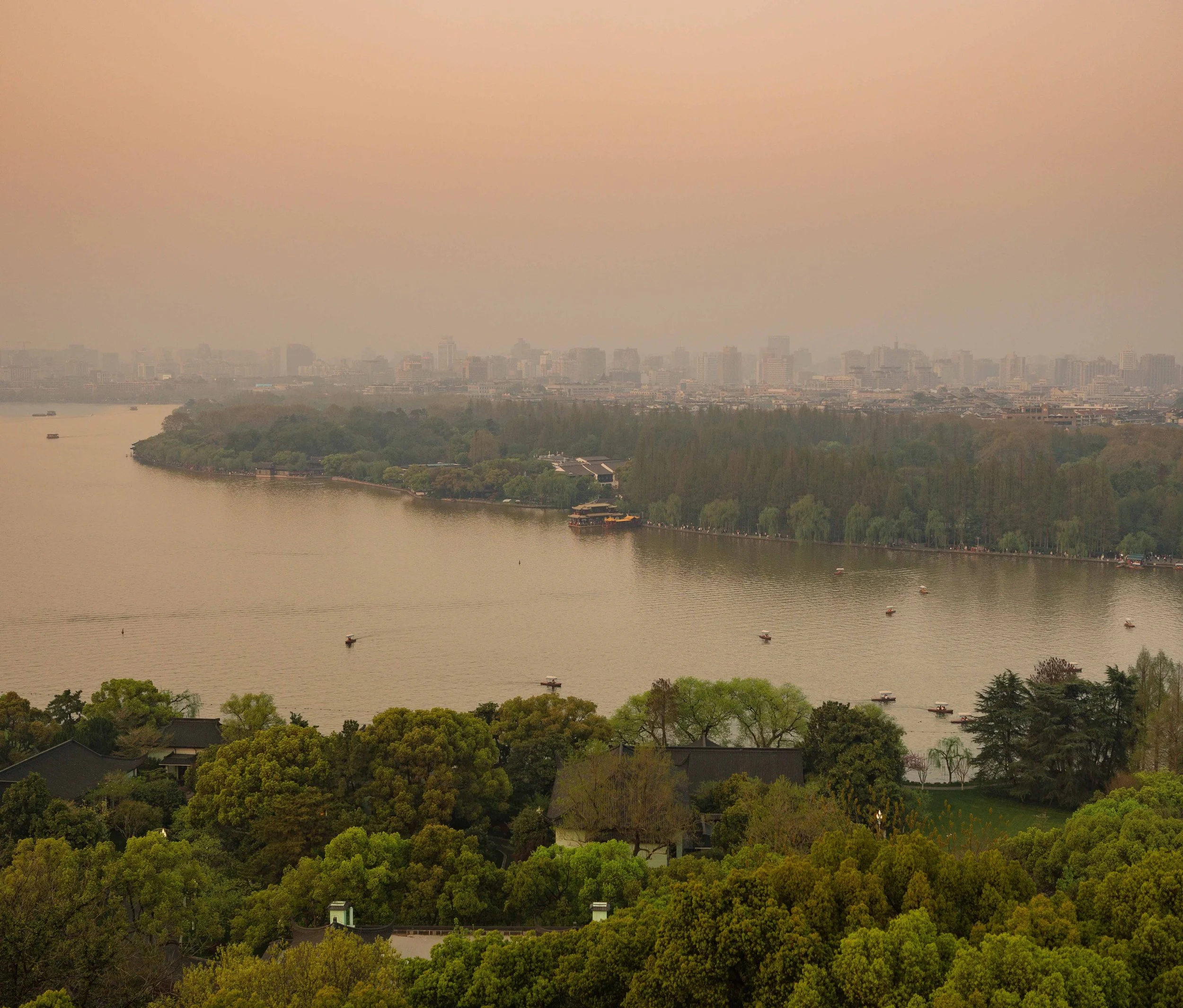
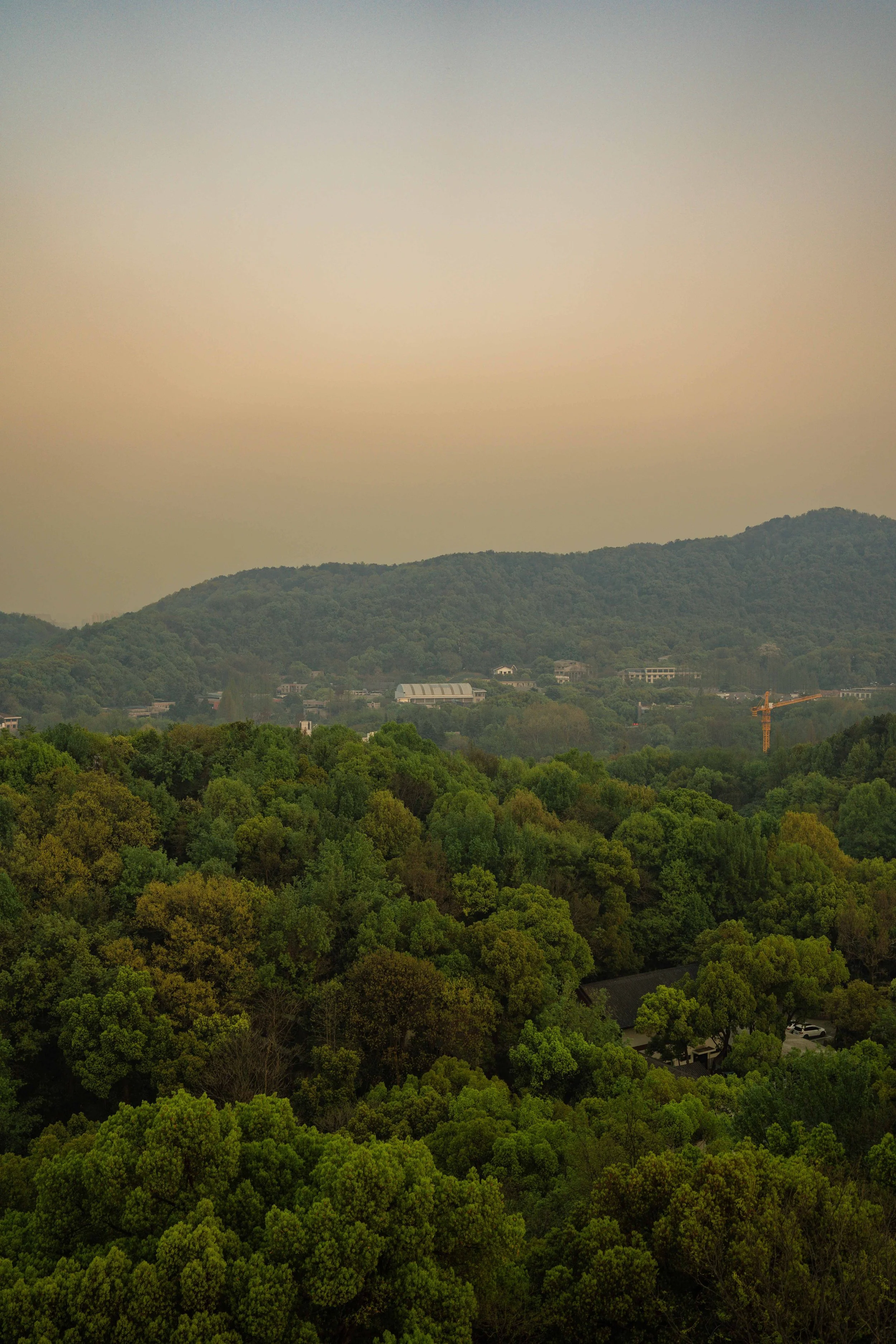
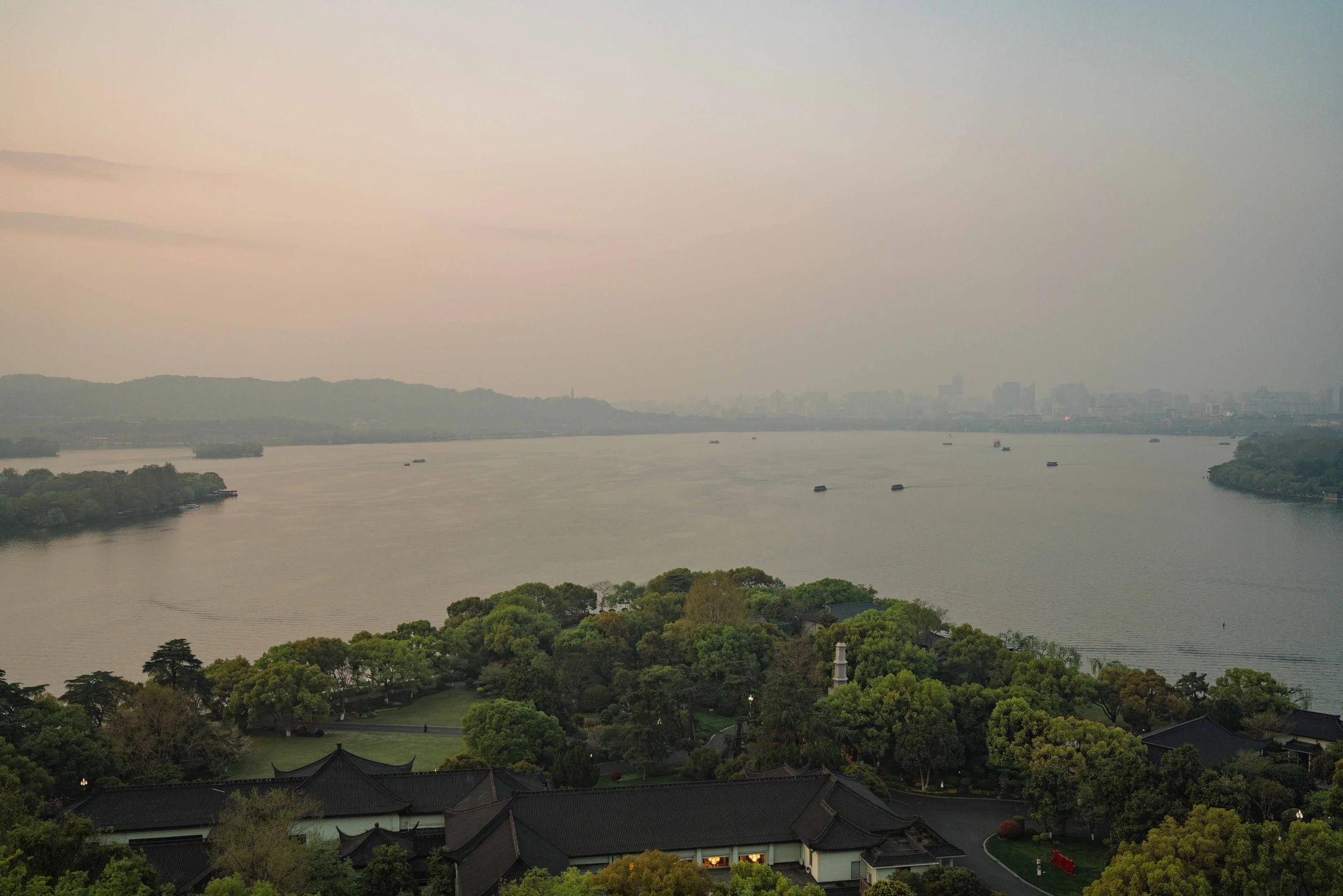
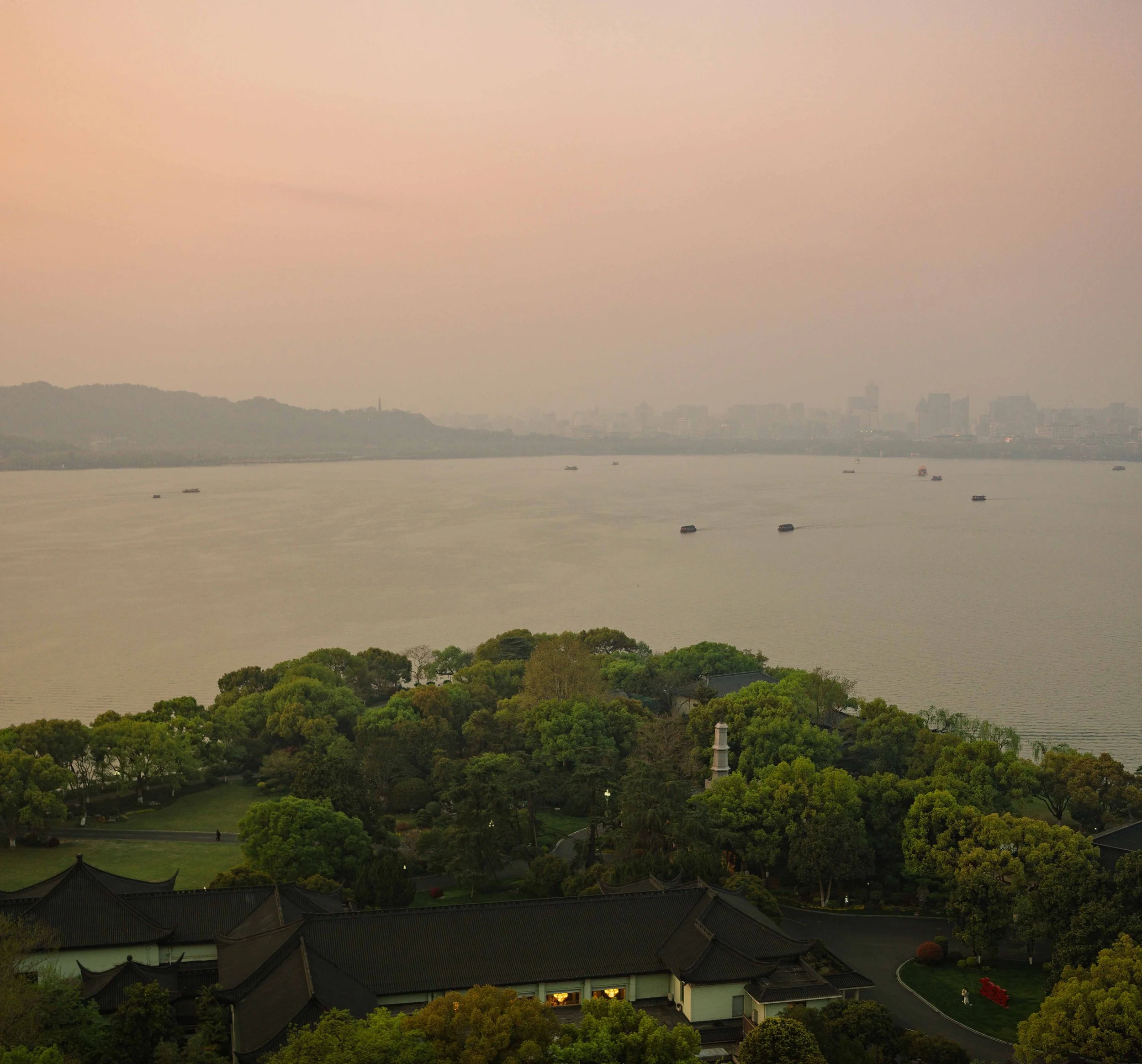
The city's history spans centuries of rising and falling tides, deeply intertwined with the prosperous legends of the Jiangnan region. Naturally, Hangzhou has no shortage of ancient estates once owned by renowned merchants. Today, these estates are state-owned and meticulously preserved, offering visitors a tangible and authentic glimpse into the history and lifestyle of the ancients.
For my visit, I chose Guo's Villa (Guozhuang - 郭庄), originally built during the Qing Dynasty as the residence of the silk merchant Song Duanfu.
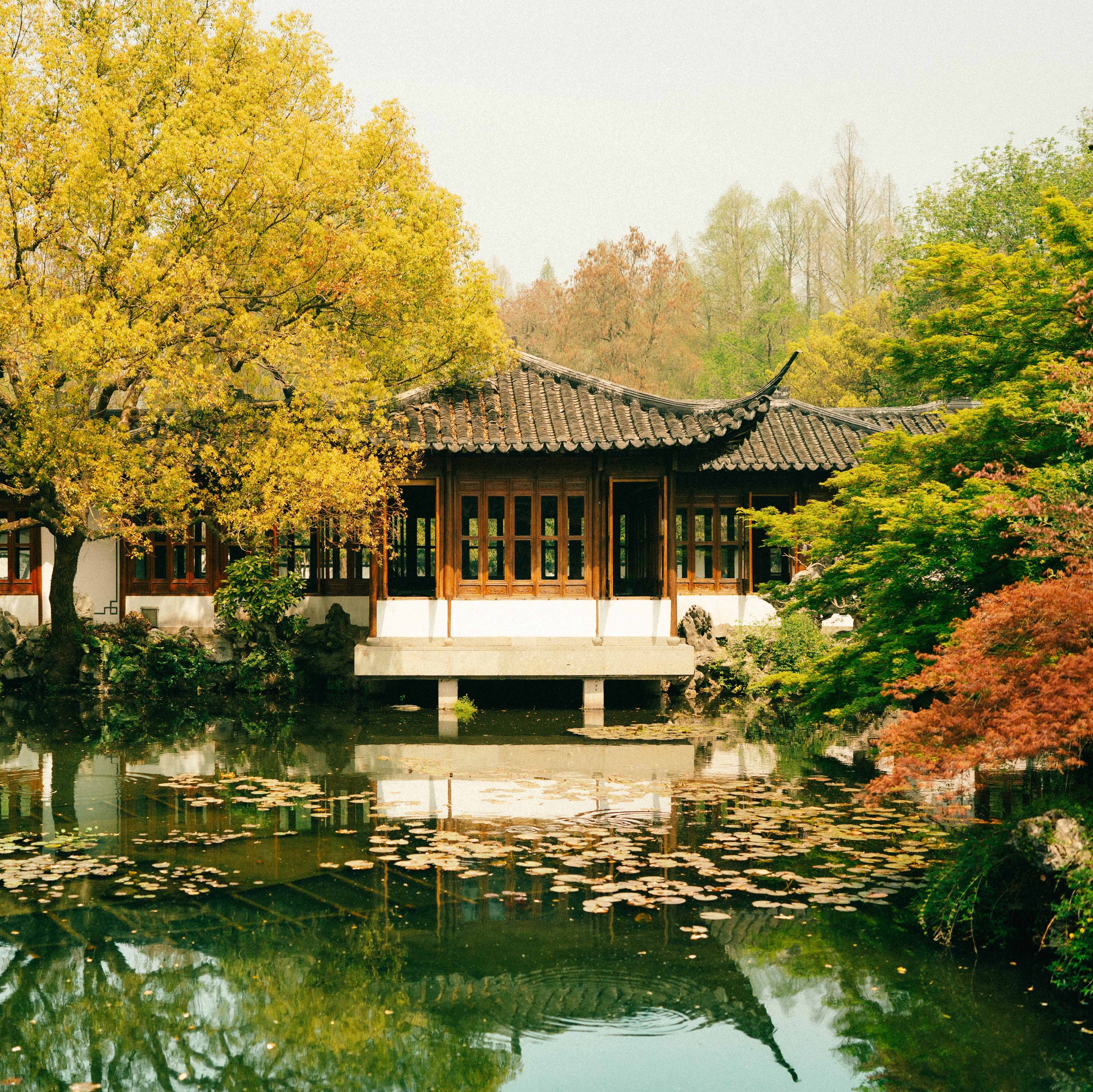
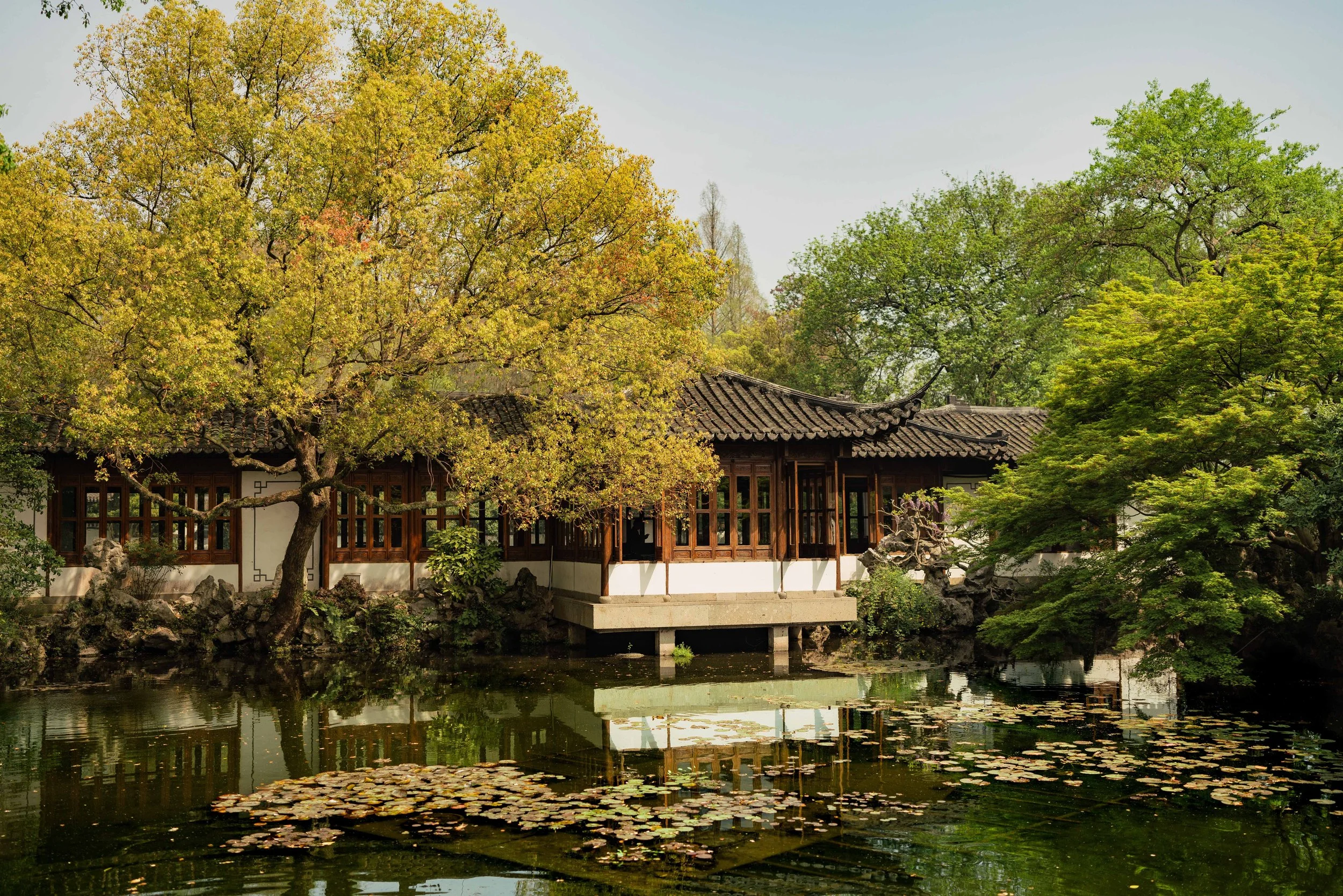
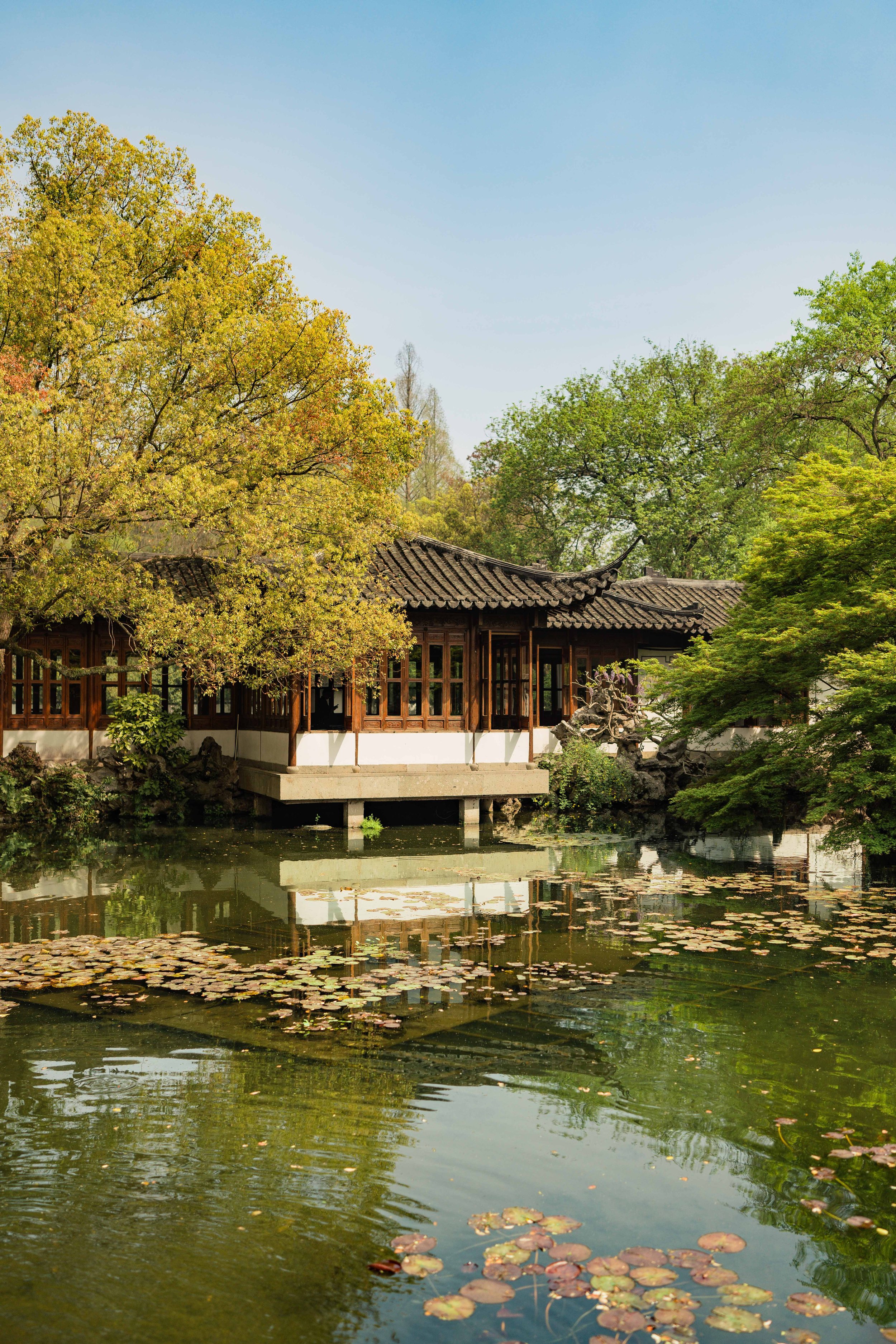
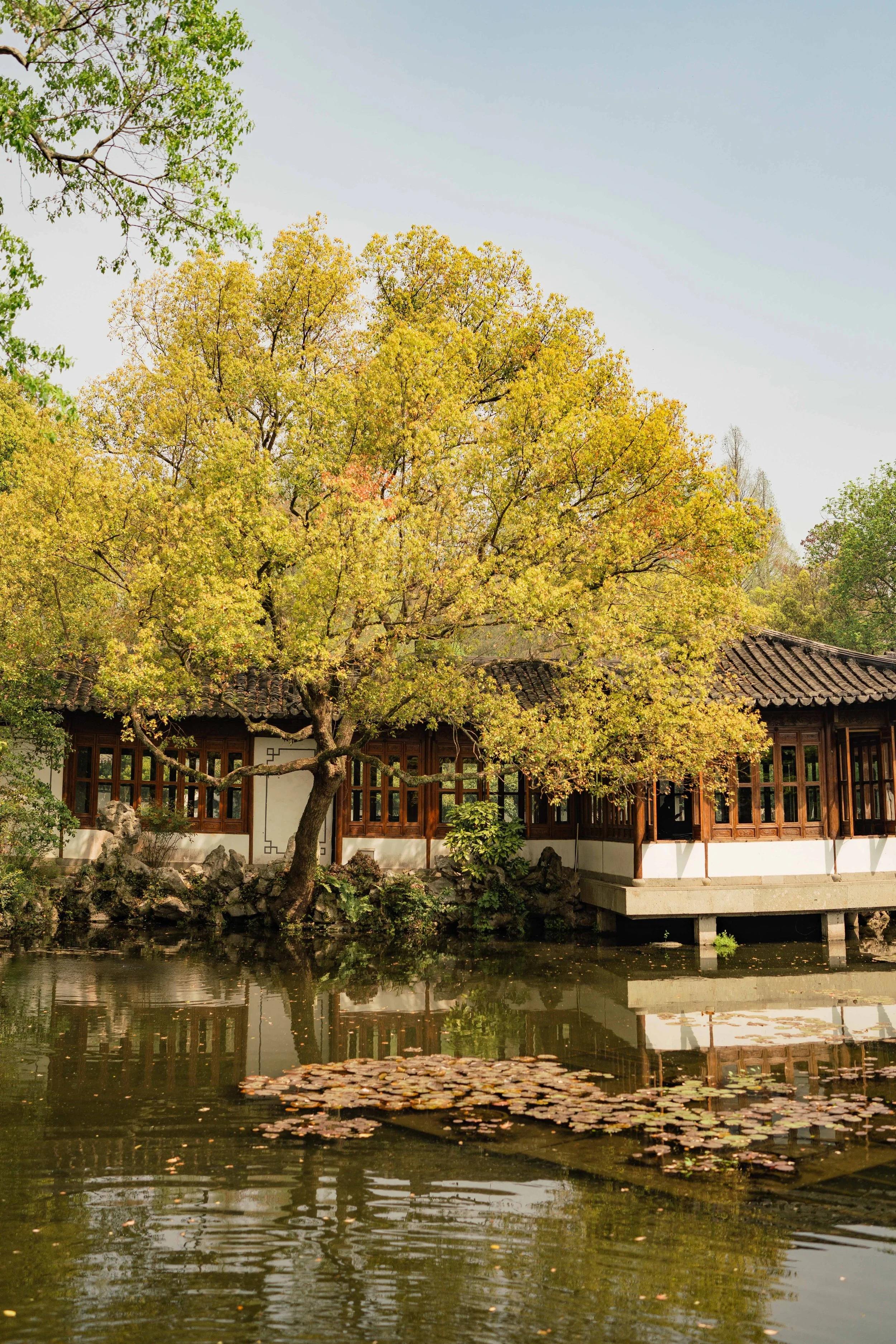
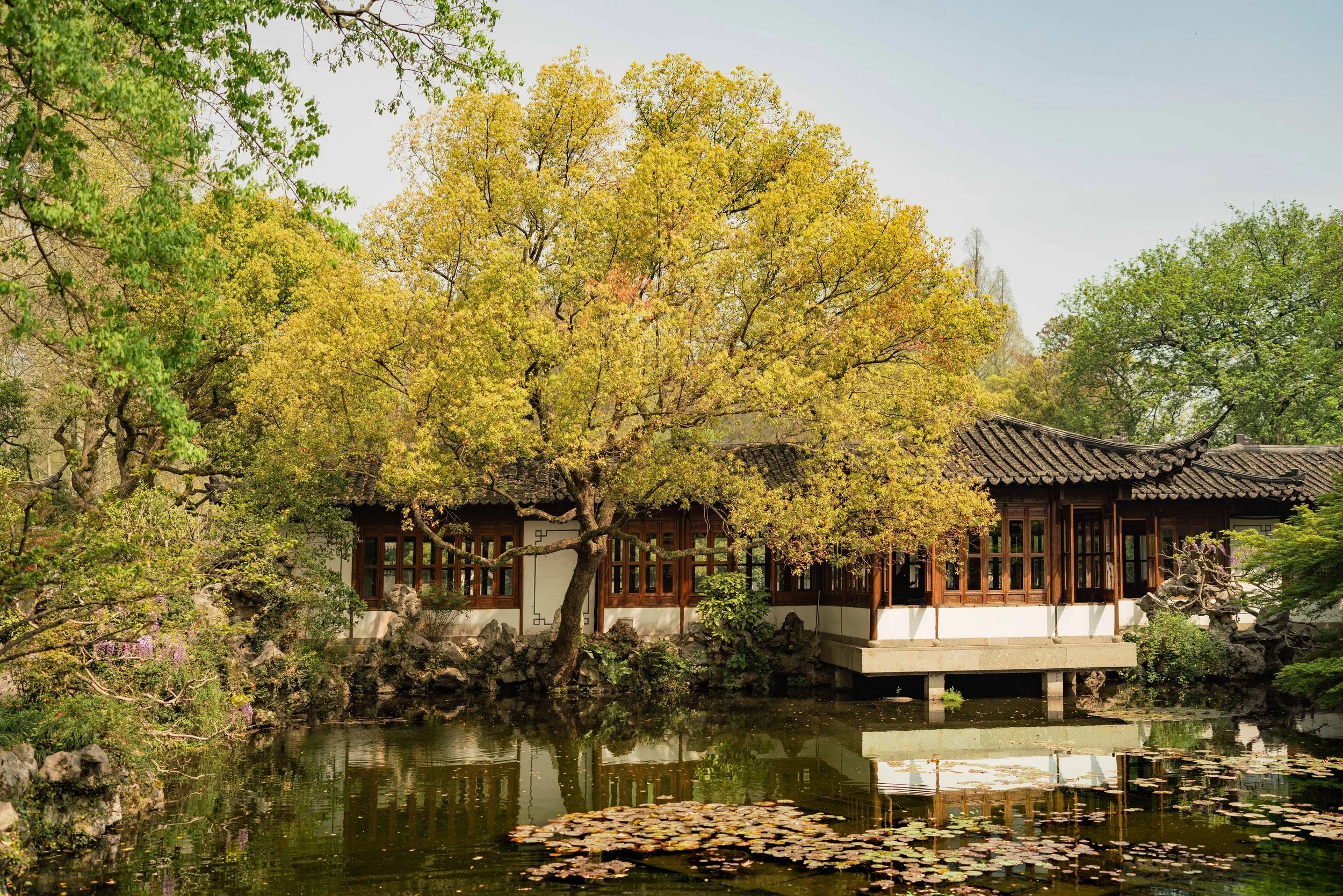
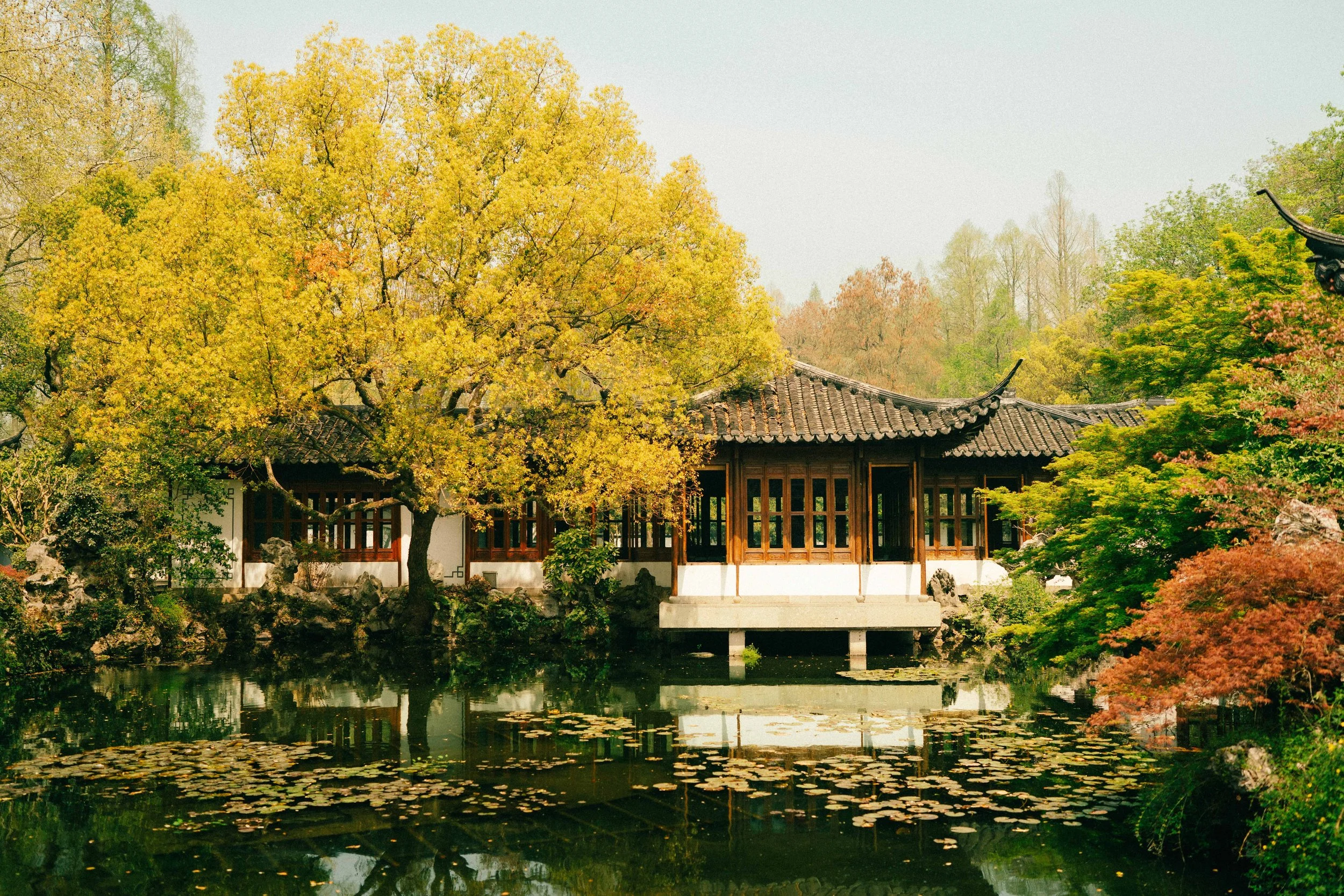
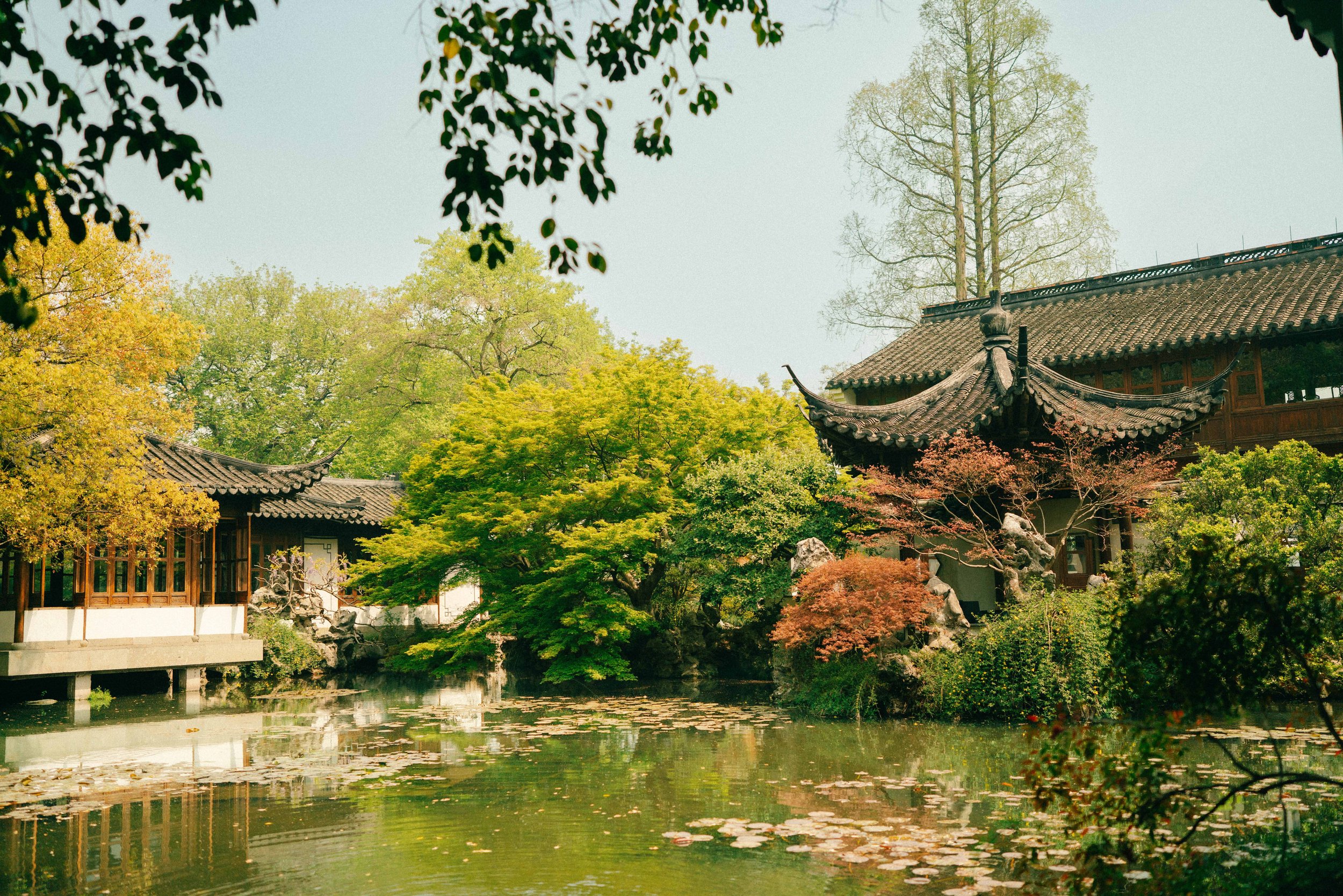
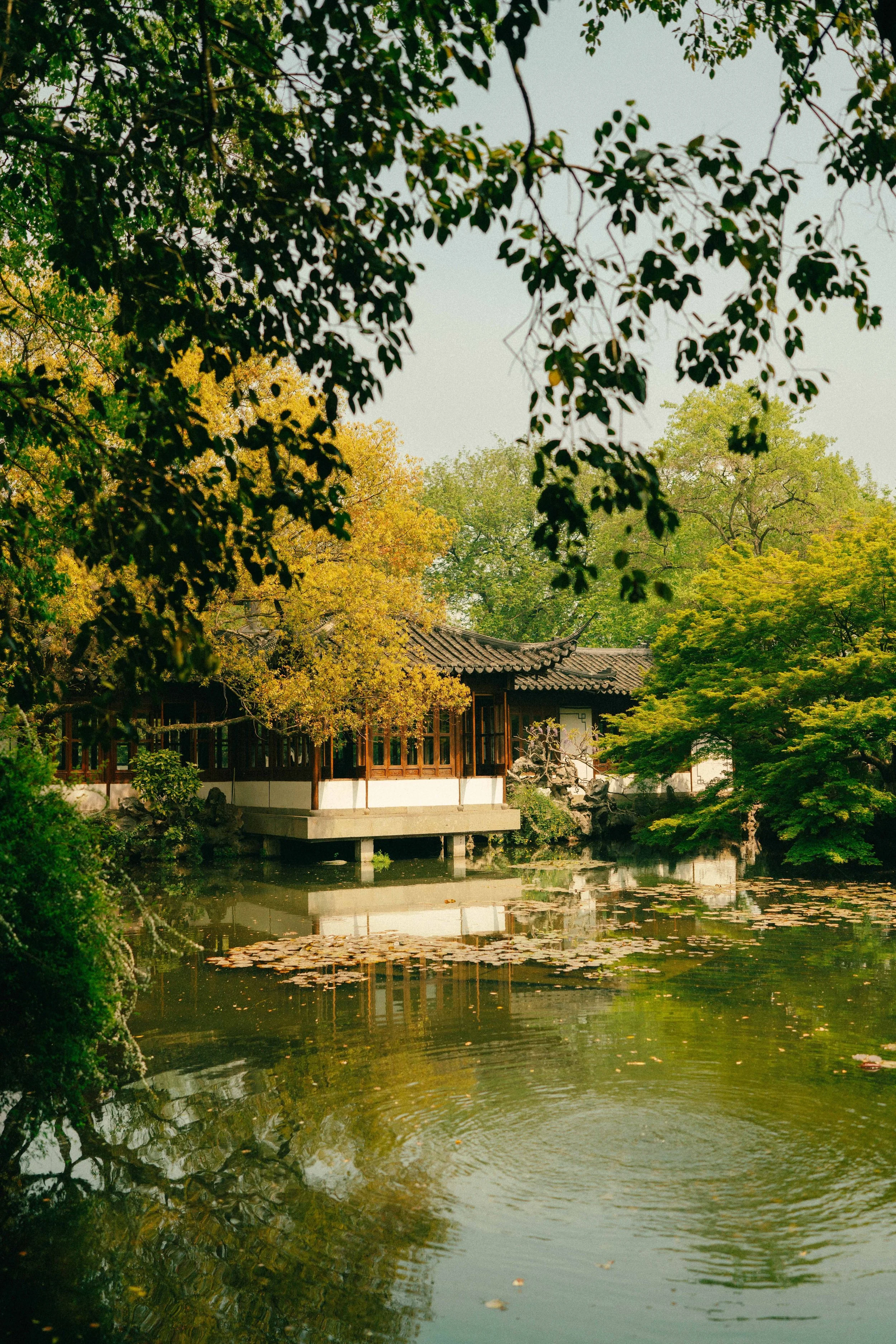
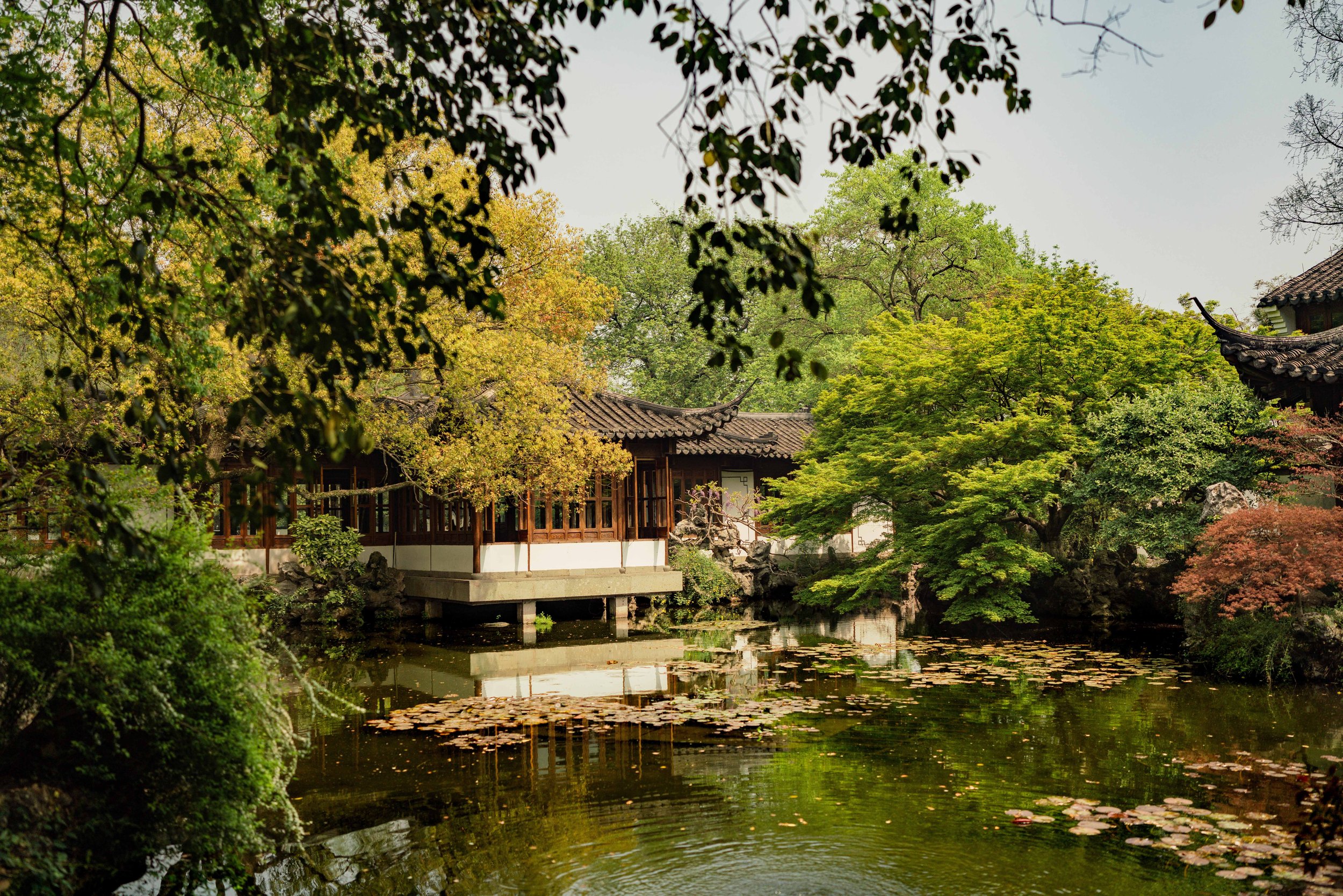
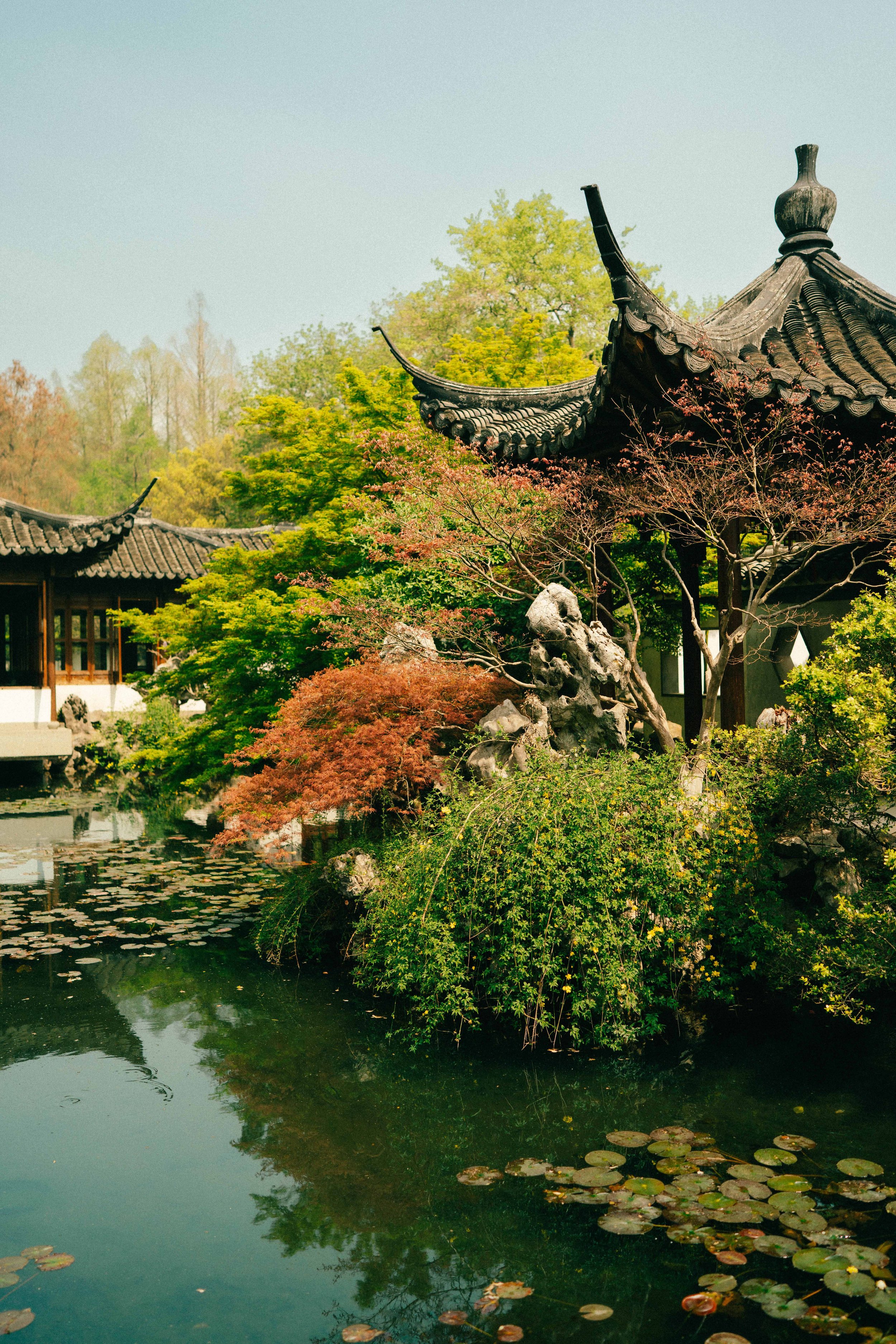
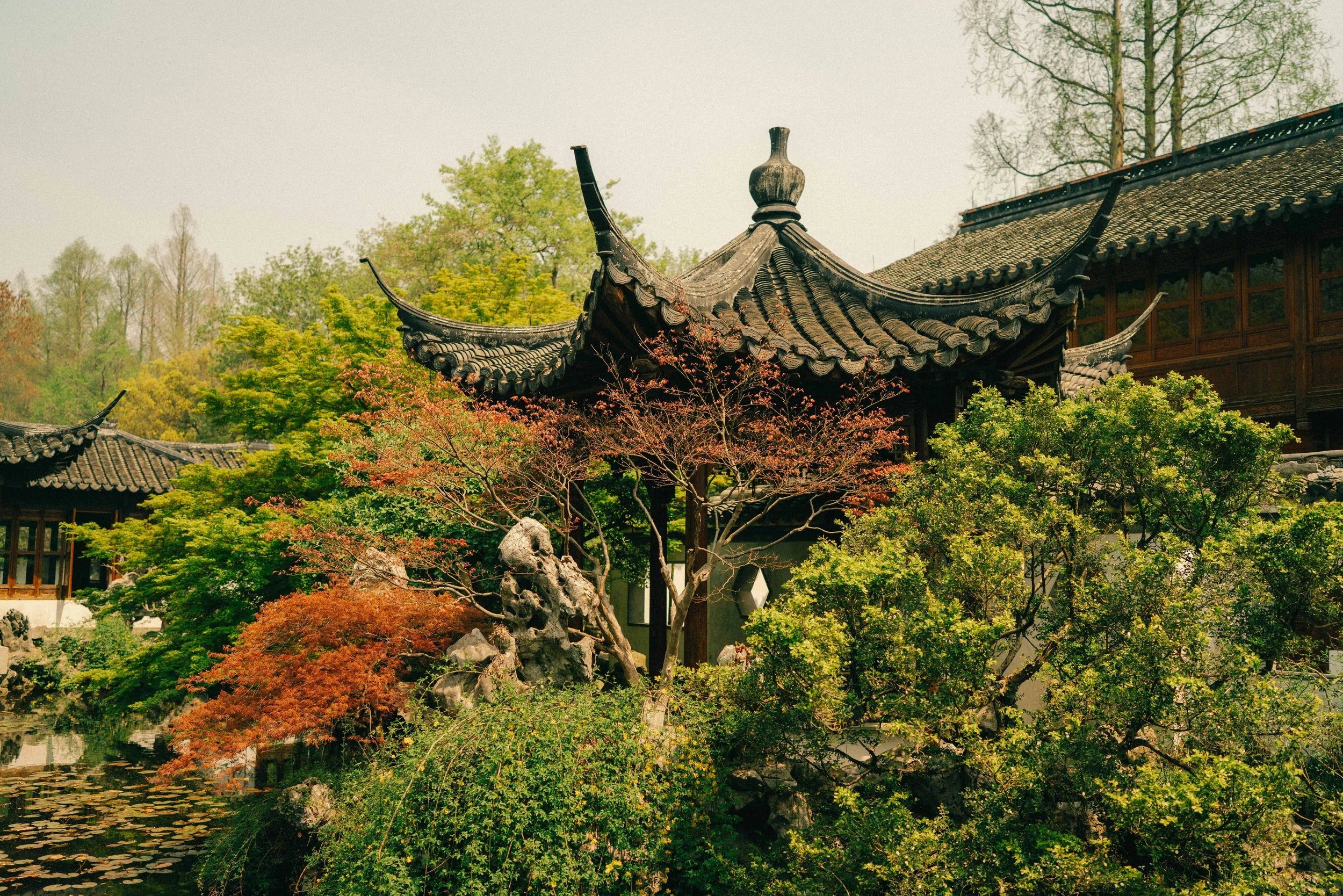
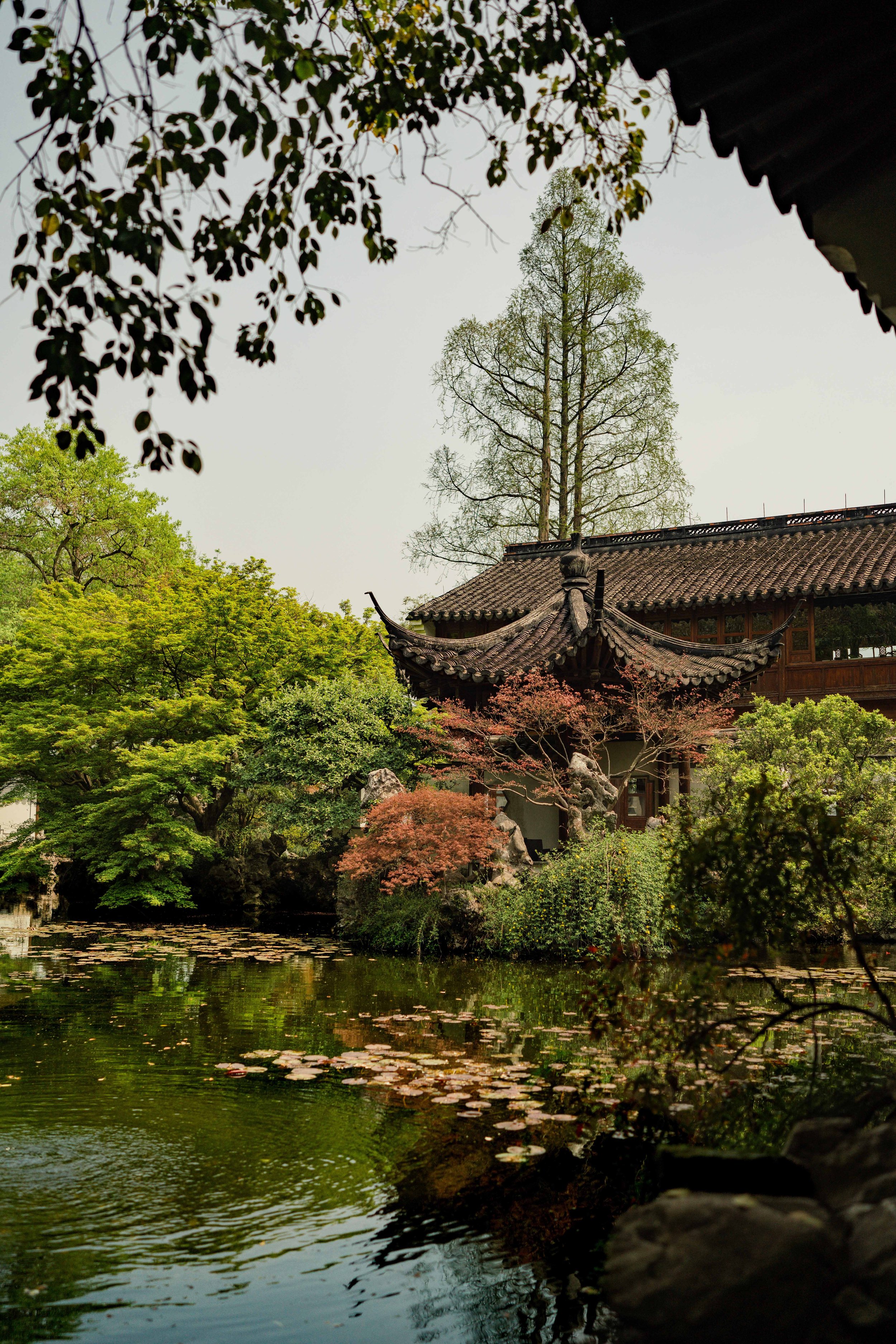
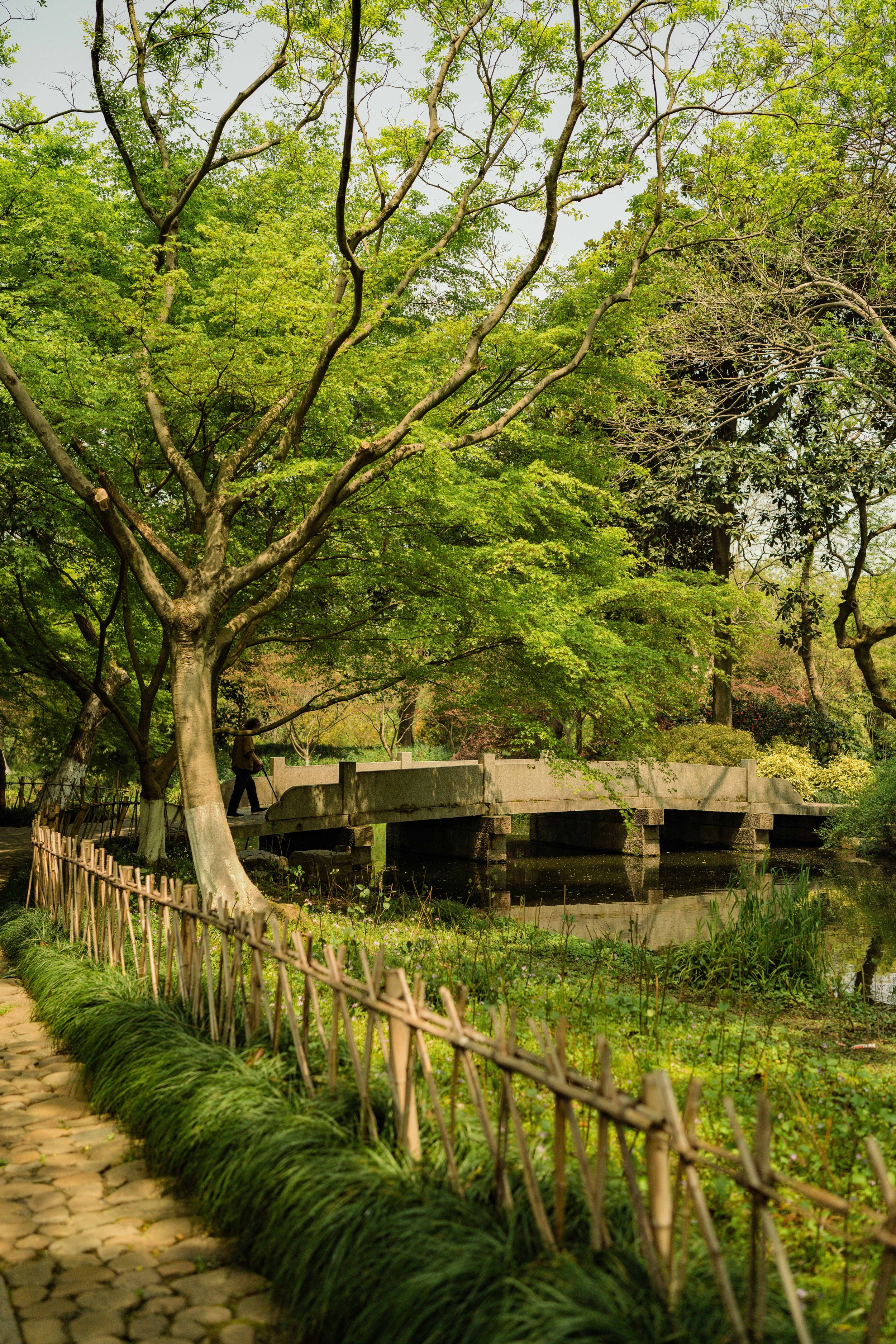
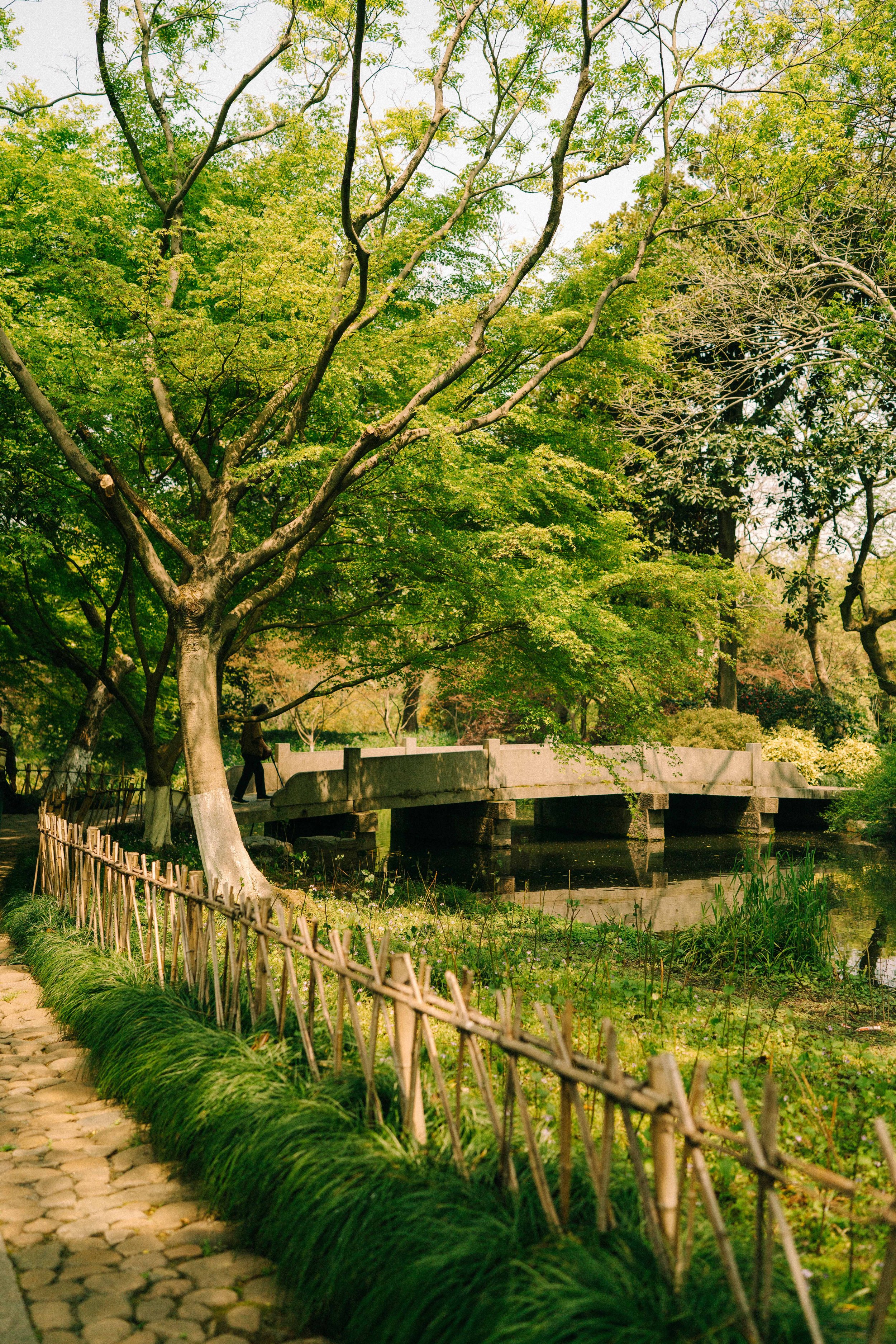
Backed by rolling mountains and facing West Lake, Guo's Villa is hailed as the "Number One Classical Garden of West Lake," celebrated for its tranquil environment, exceptionally preserved architecture, and masterfully arranged landscapes. The estate is divided into two main sections: "Living in Quietude" (Jingbiju - 静必居), the private residential quarters, and "Sky in a Mirror" (Yijing Tiankai - 一镜天开), a breathtaking garden featuring a pond surrounded by covered corridors, bridges, ornamental rockeries, and lush flora.
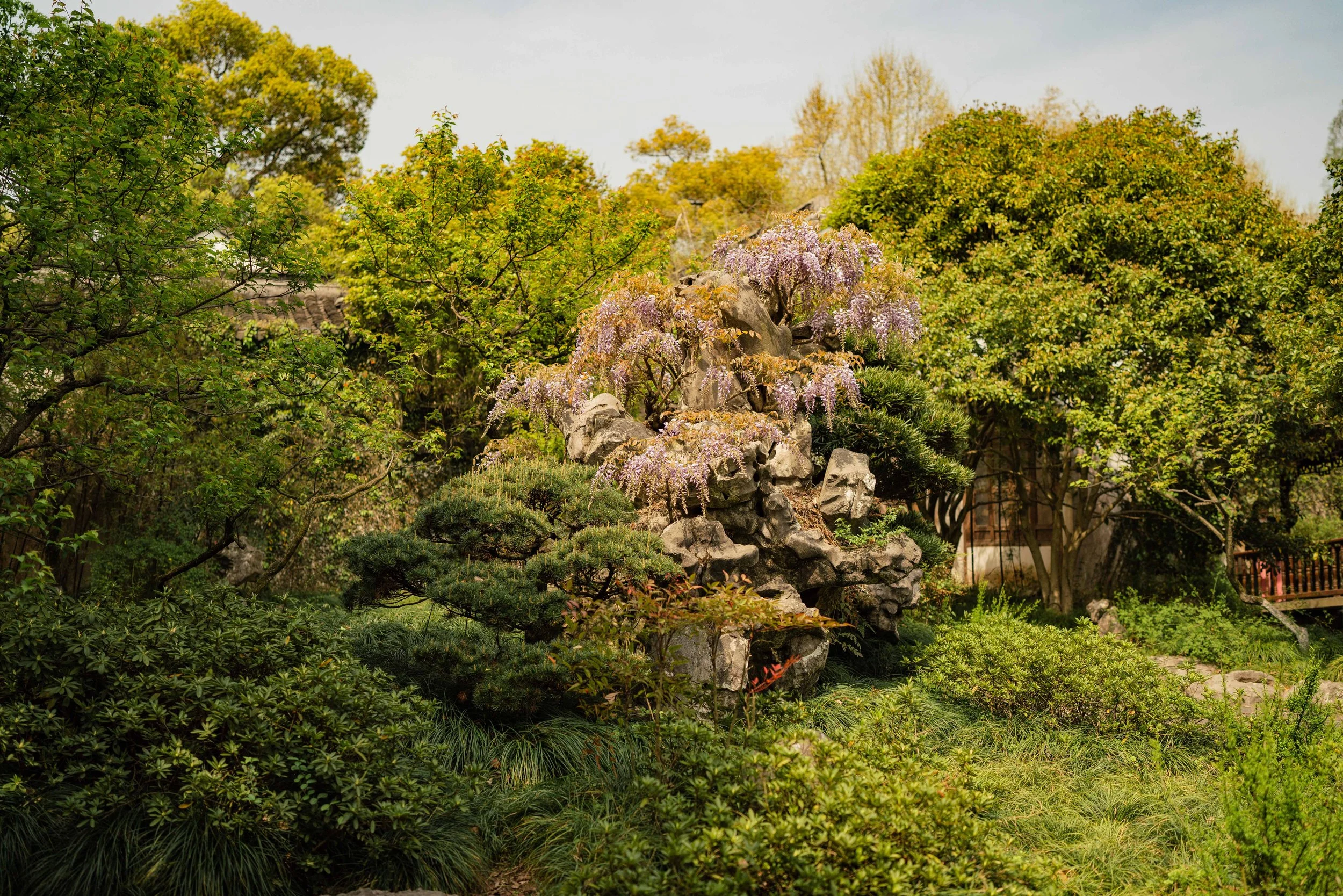
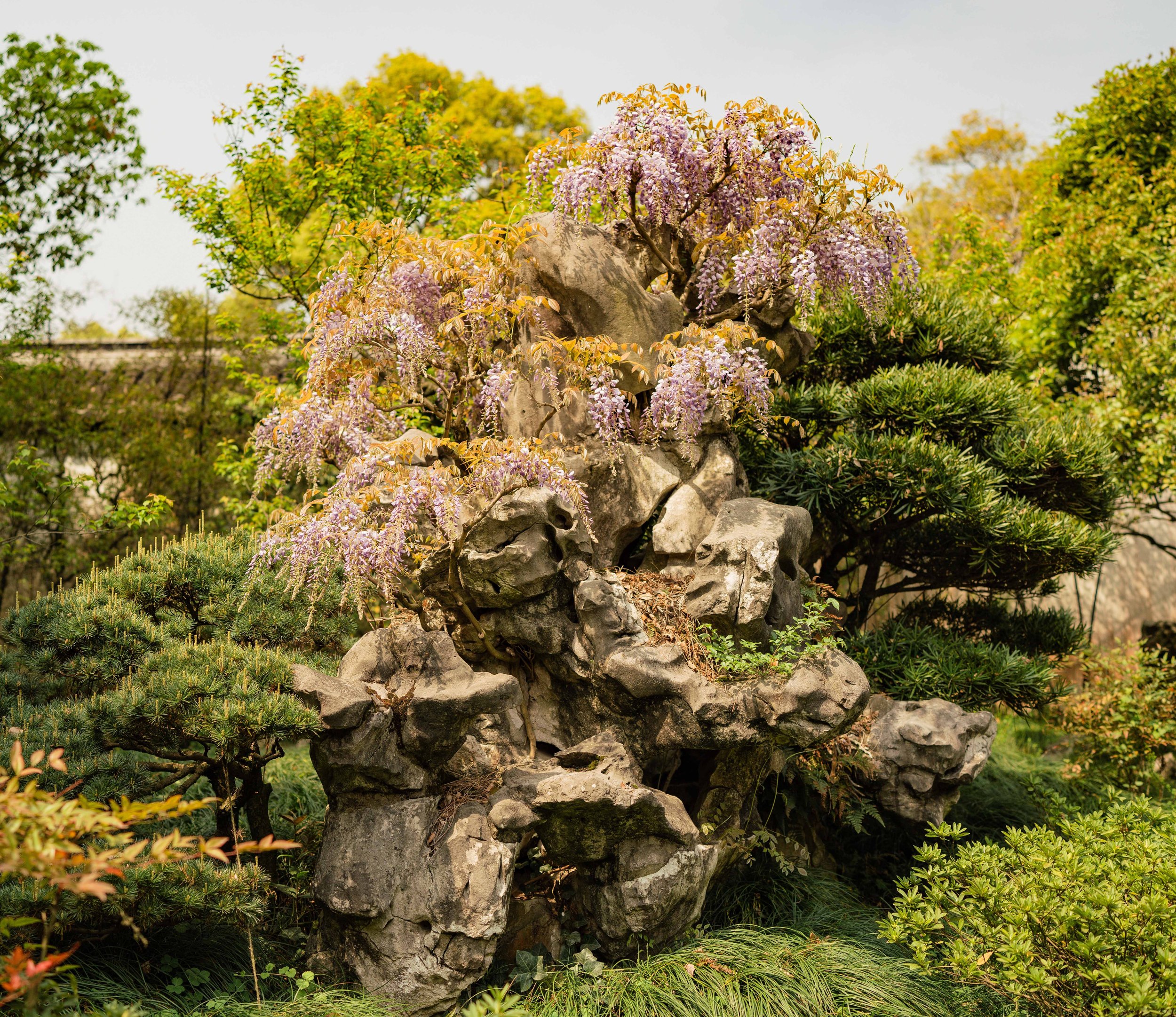
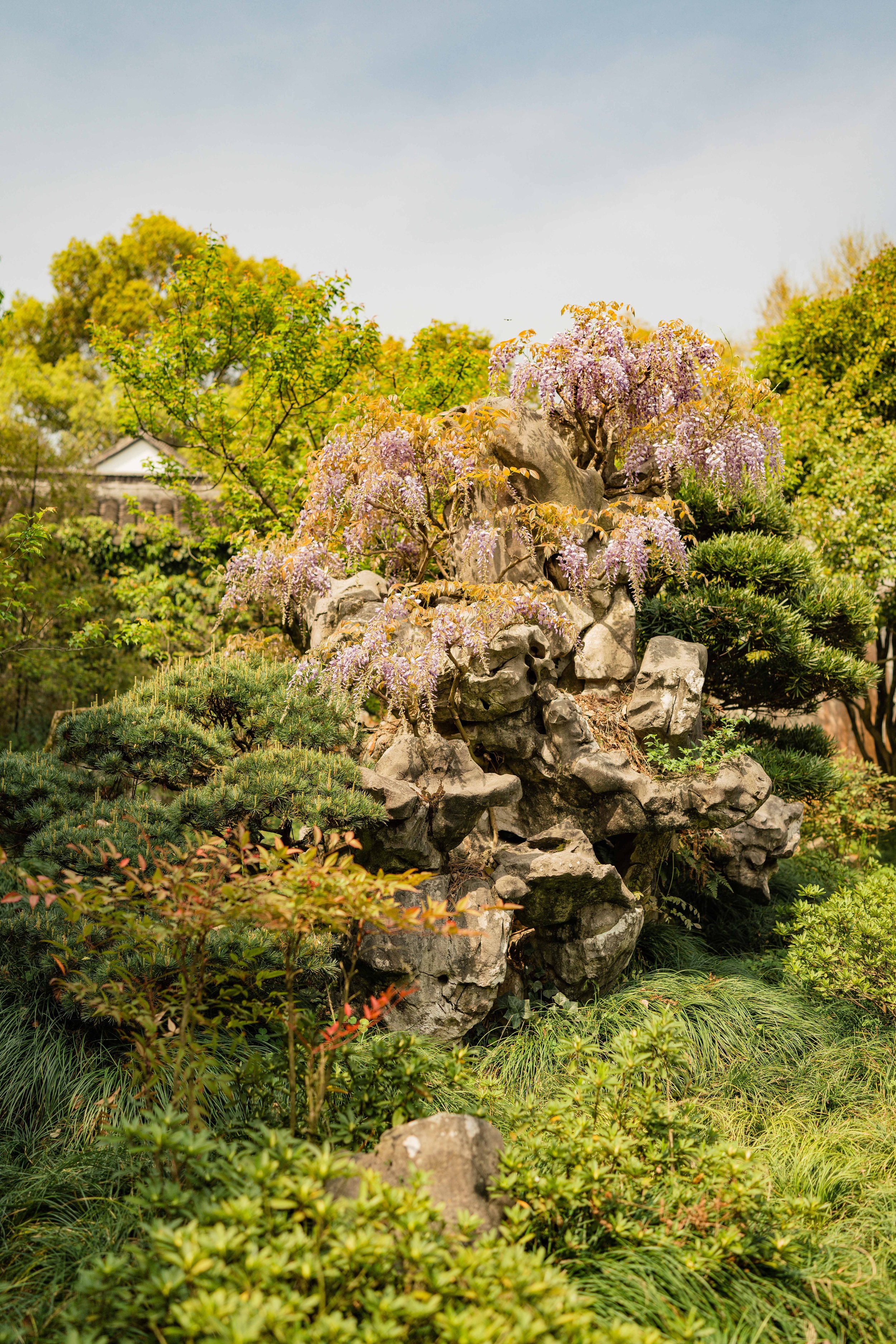
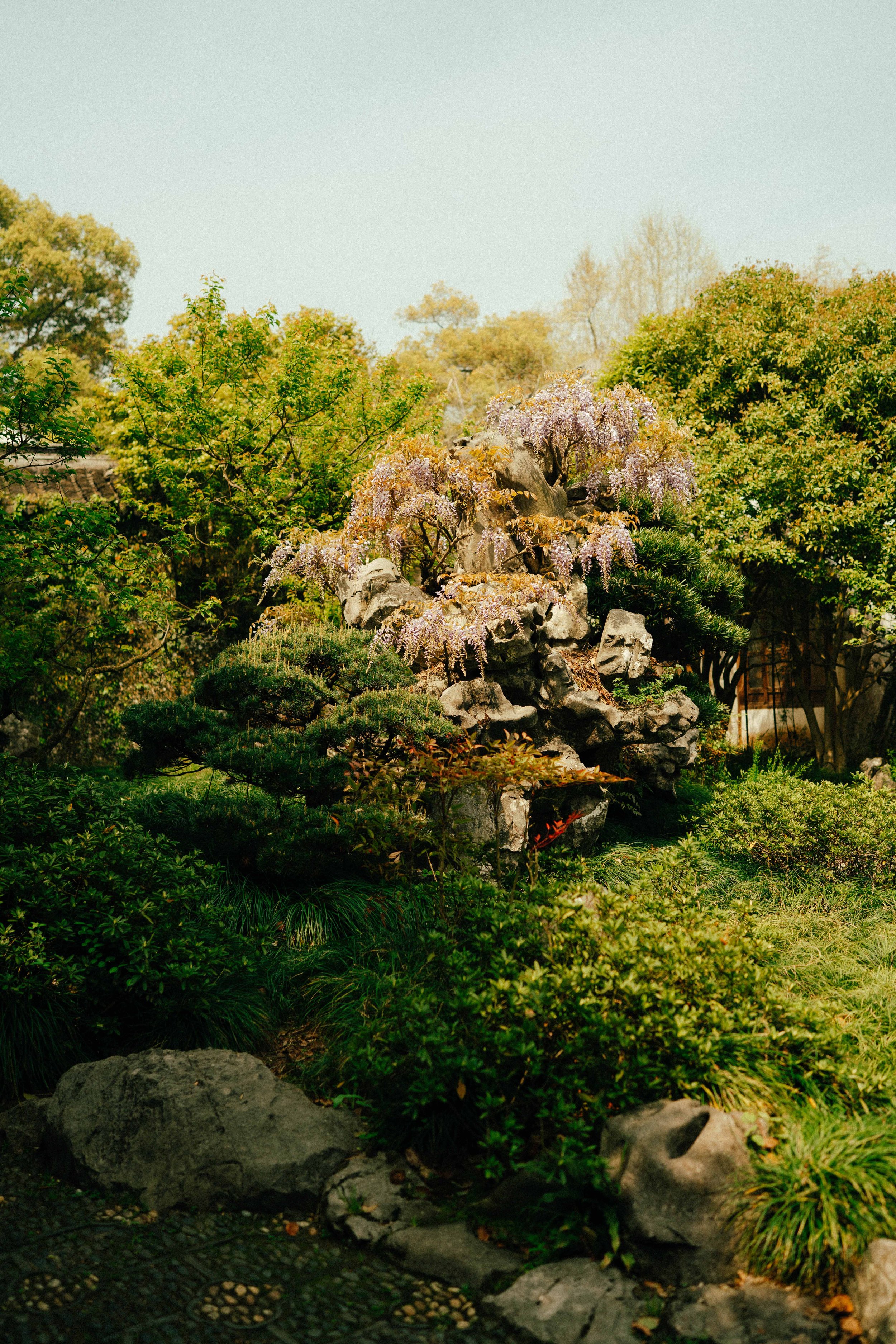
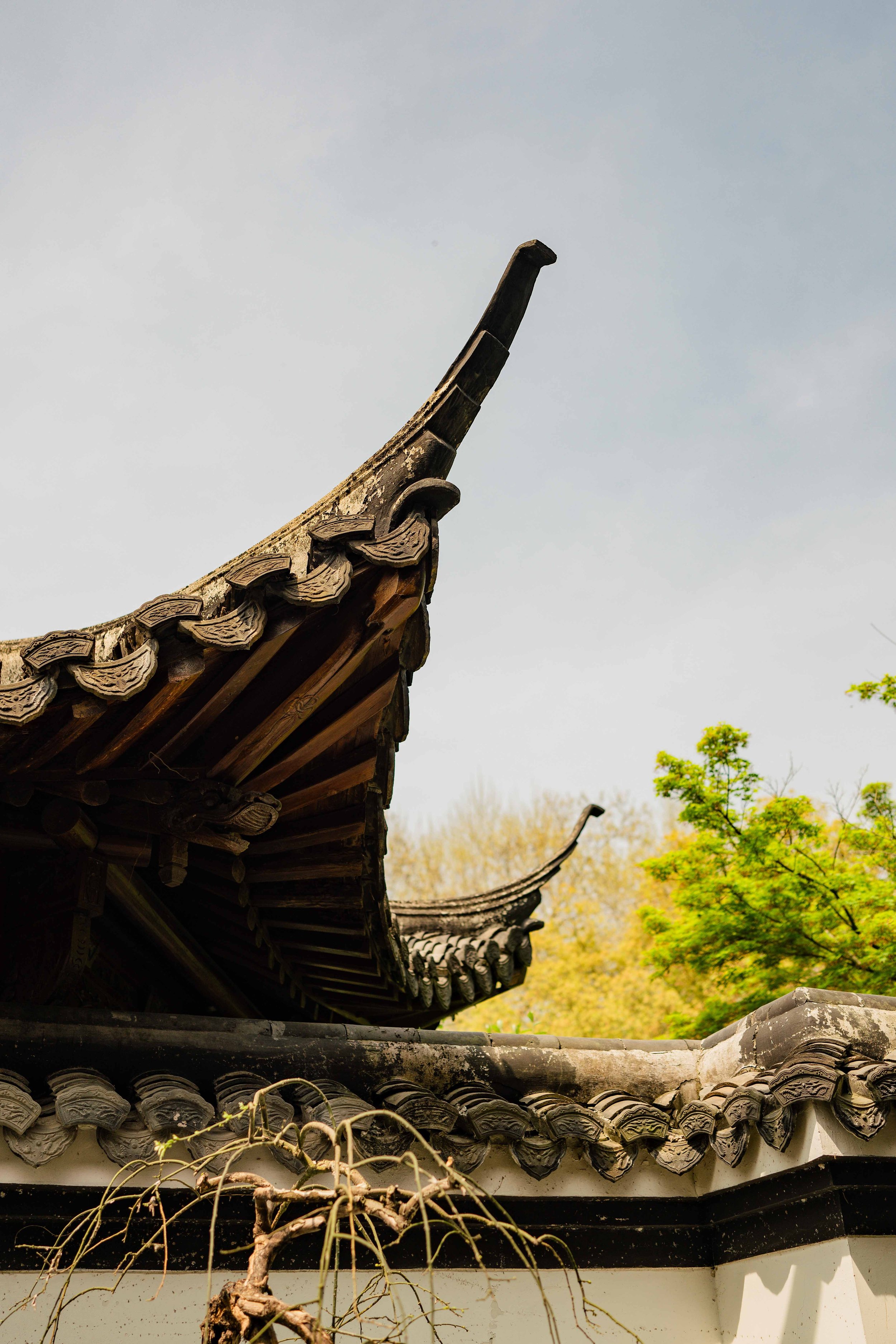
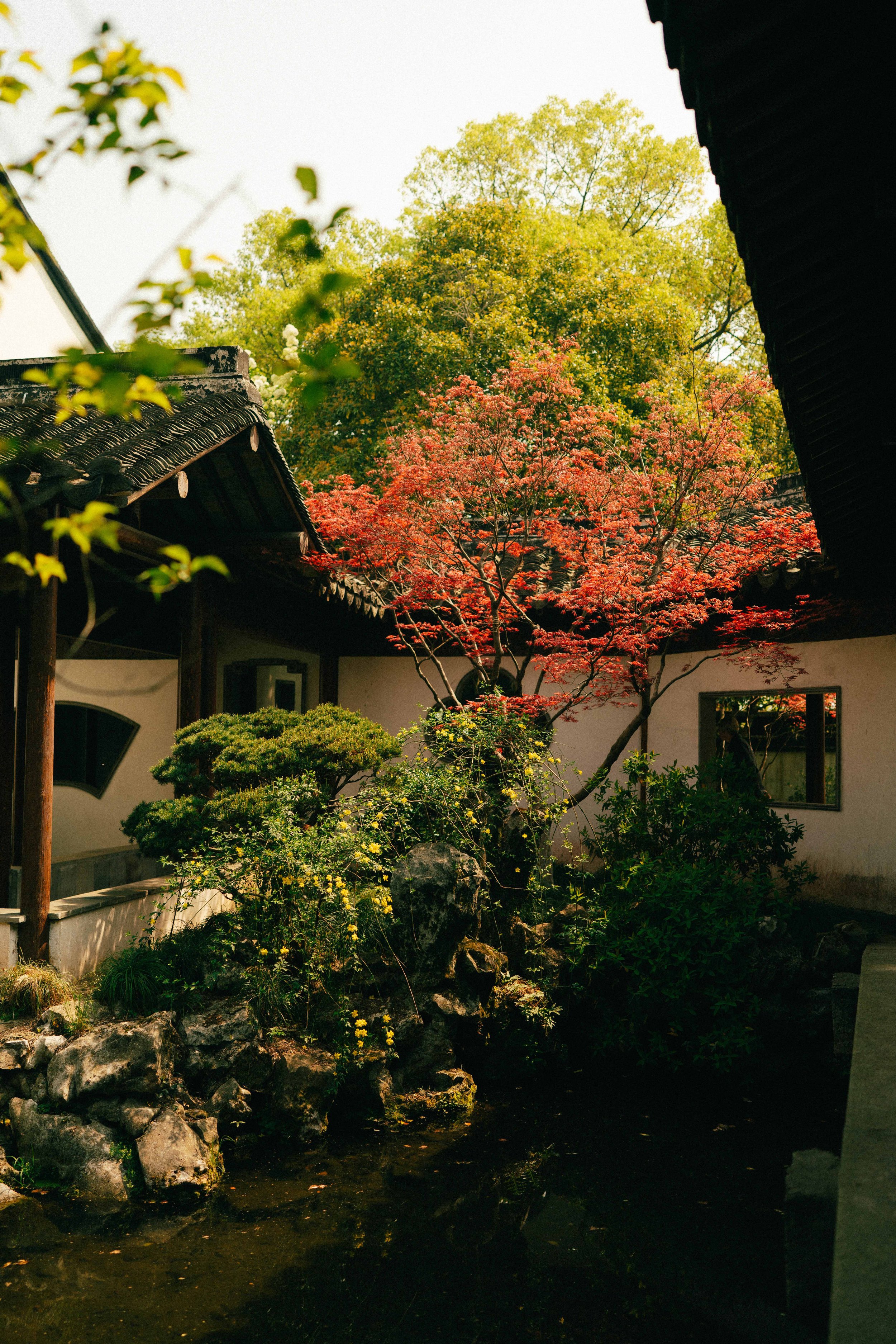
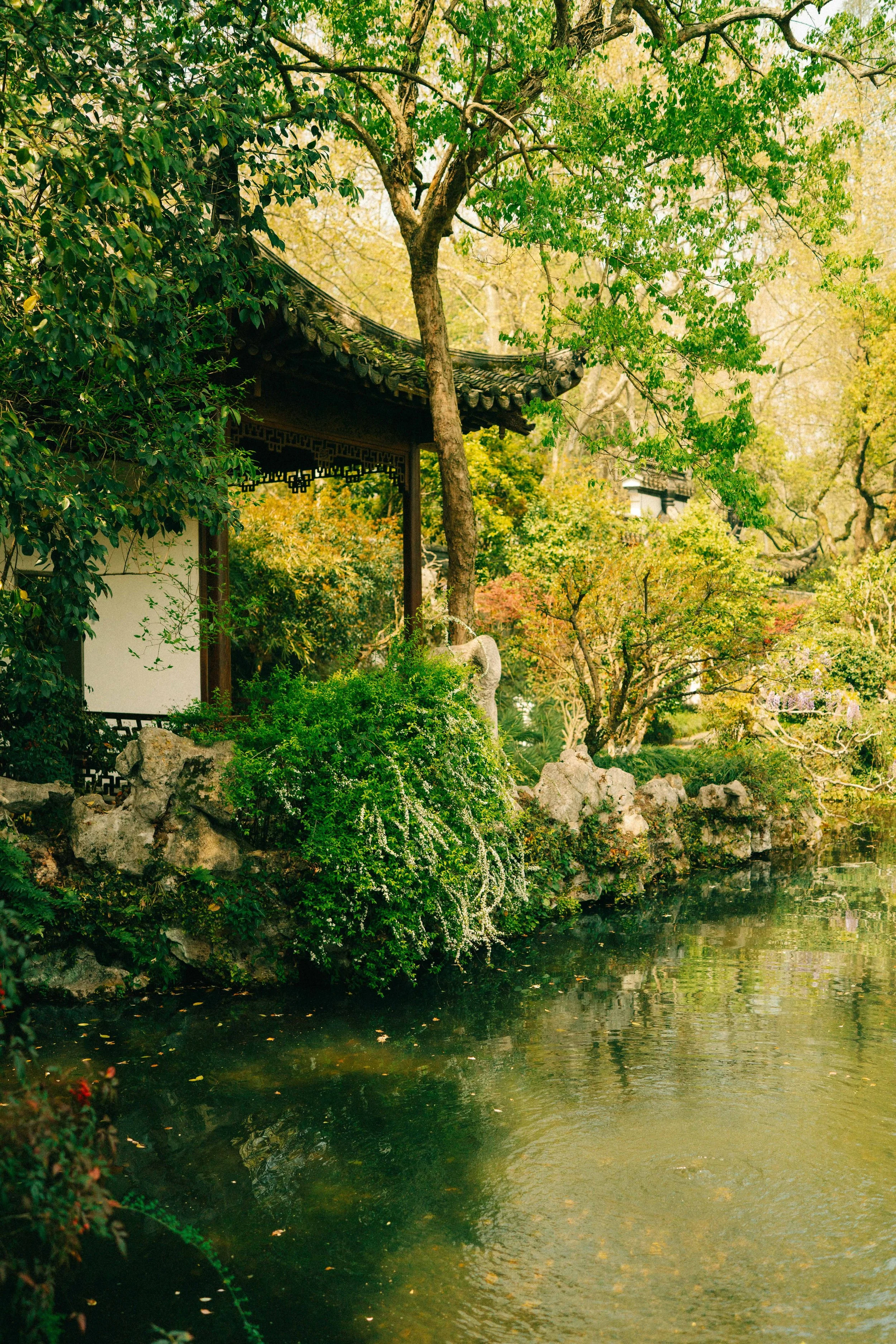
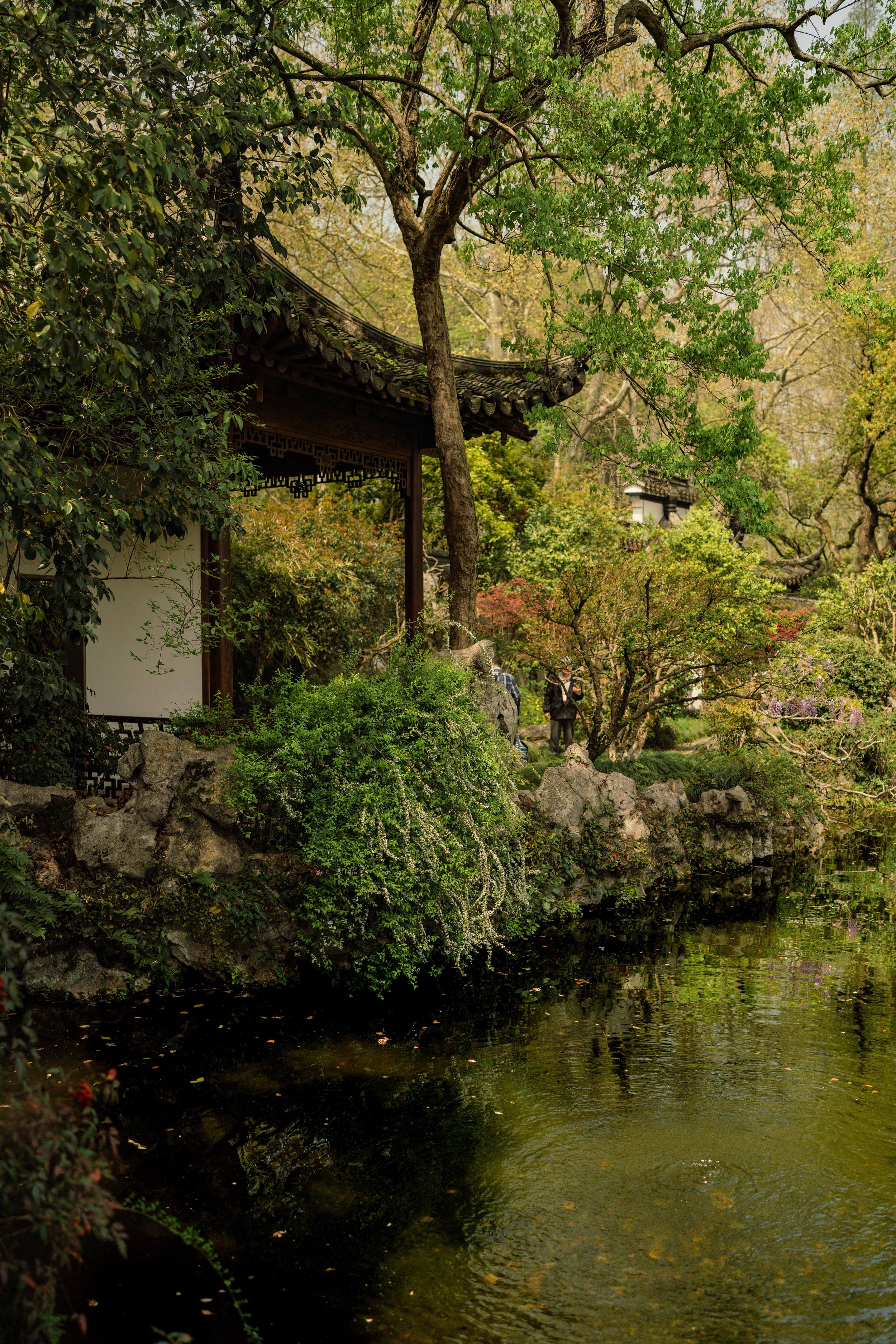
Guo's Villa and its intricately carved windows act as frames of time, changing their scenery with the passing seasons. Spring, Summer, Autumn, and Winter each paint their own eternal masterpieces; as nature shifts, so does the living canvas.
This cyclical flow of colors and scenery creates a priceless tapestry of time where architecture and landscape exist in perfect unison. It is the epitome of Chinese aesthetics—a realm where humanity and nature merge in harmonious balance. It is no wonder that the renowned landscape architect Chen Congzhou, upon seeing the restored villa, remarked: "风采再现,如古画重裱"* — The elegance reappears, like an ancient painting remounted (Its beauty emerges anew, much like an old masterpiece given a fresh backing)*.
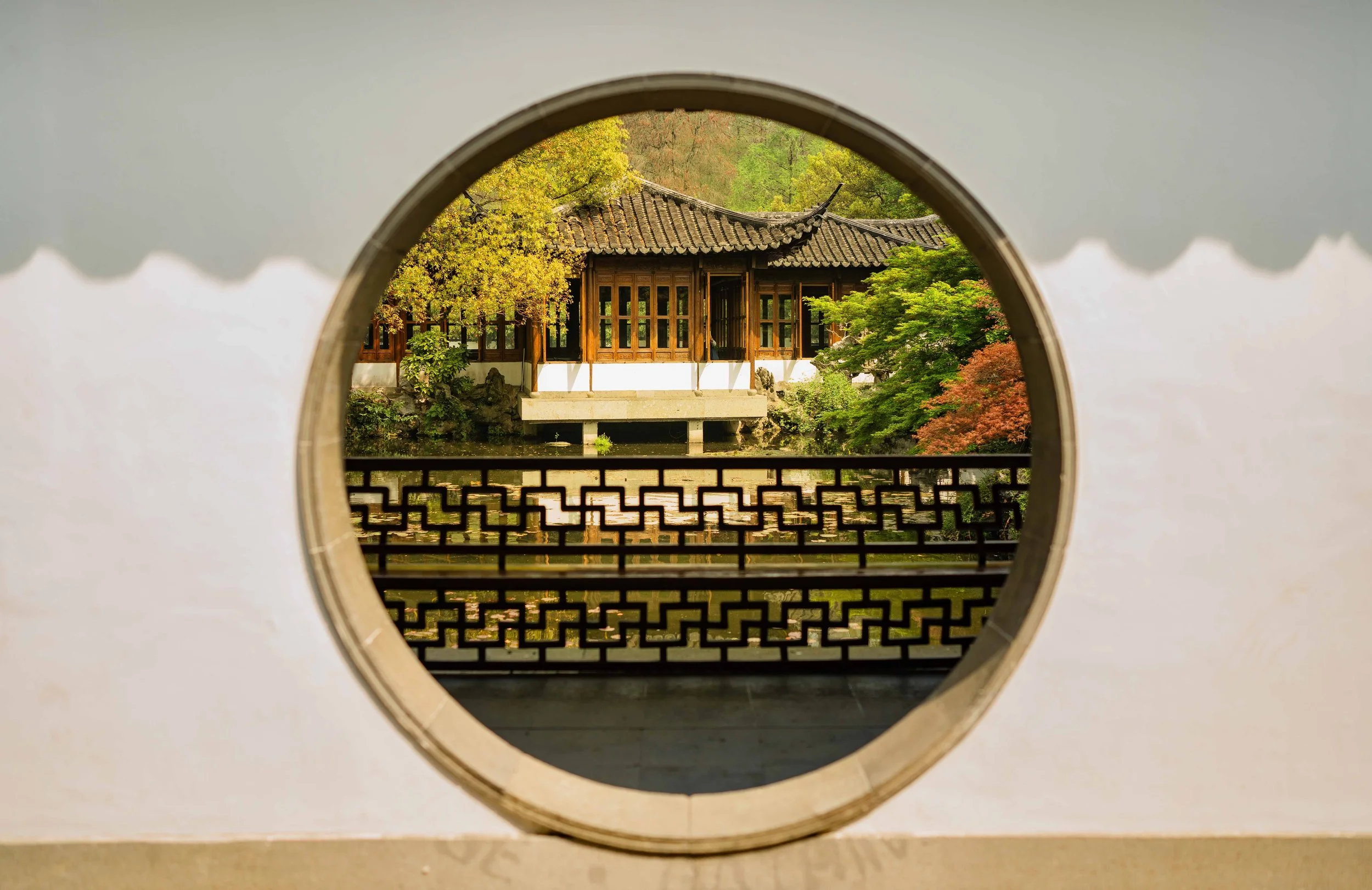
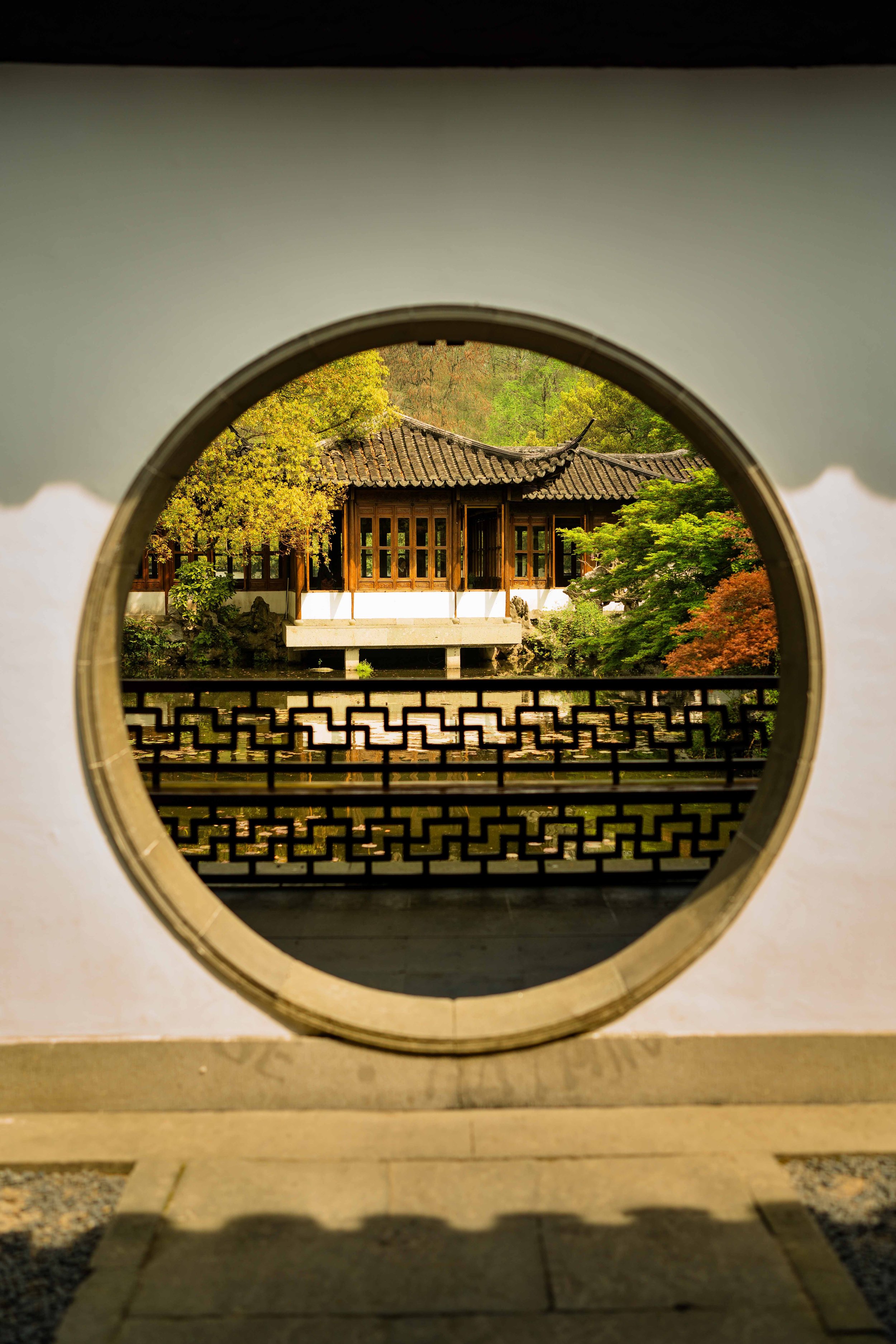
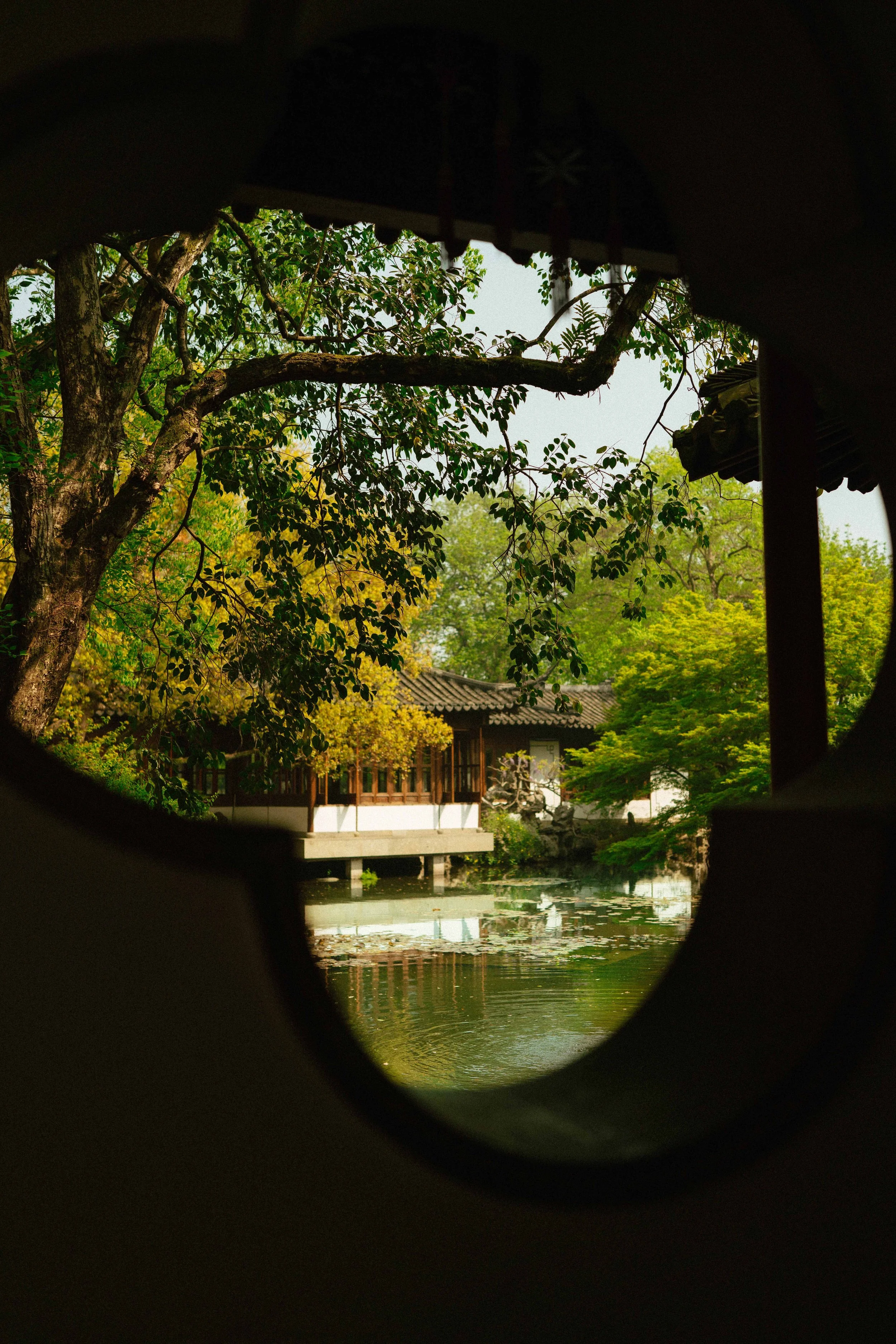
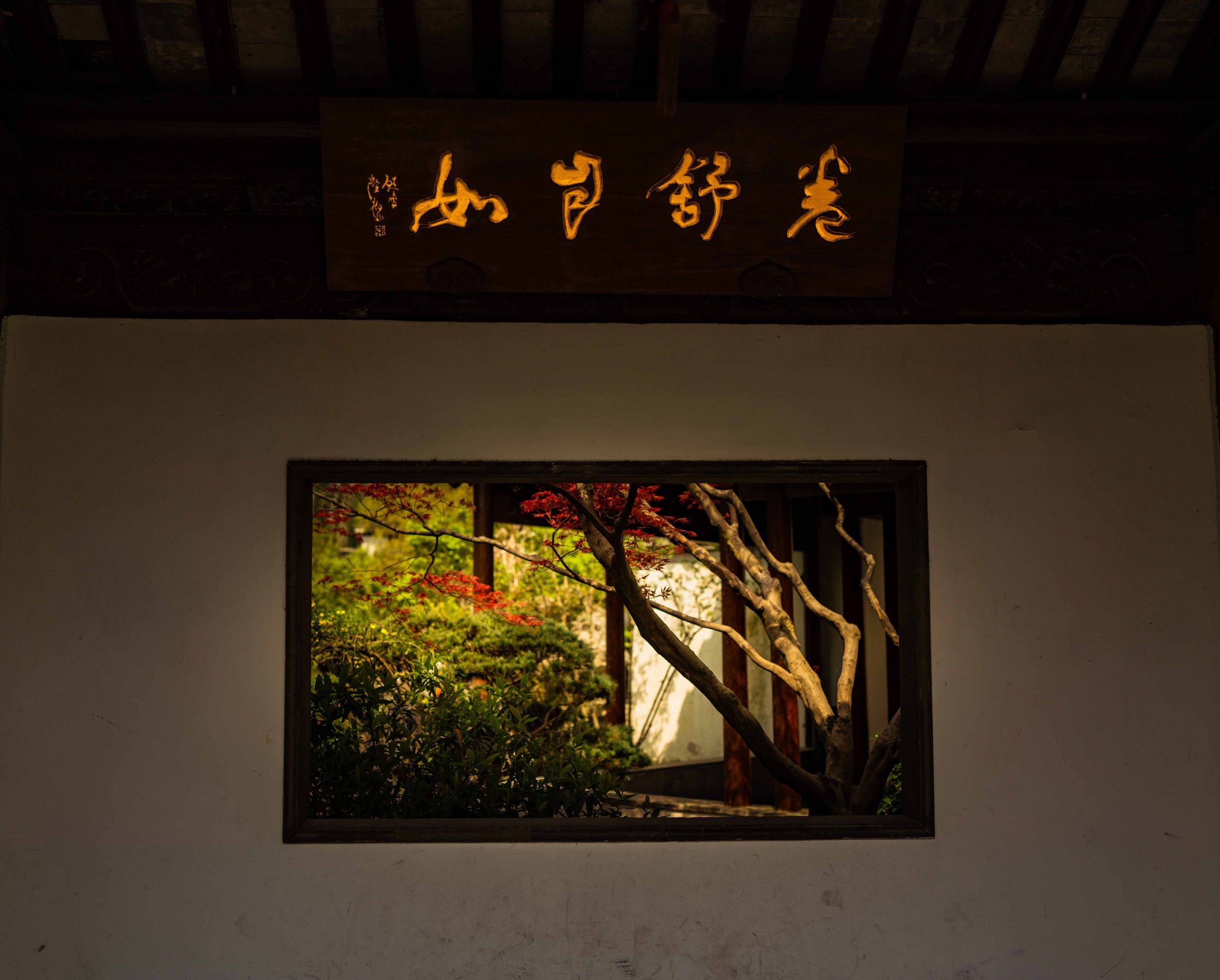
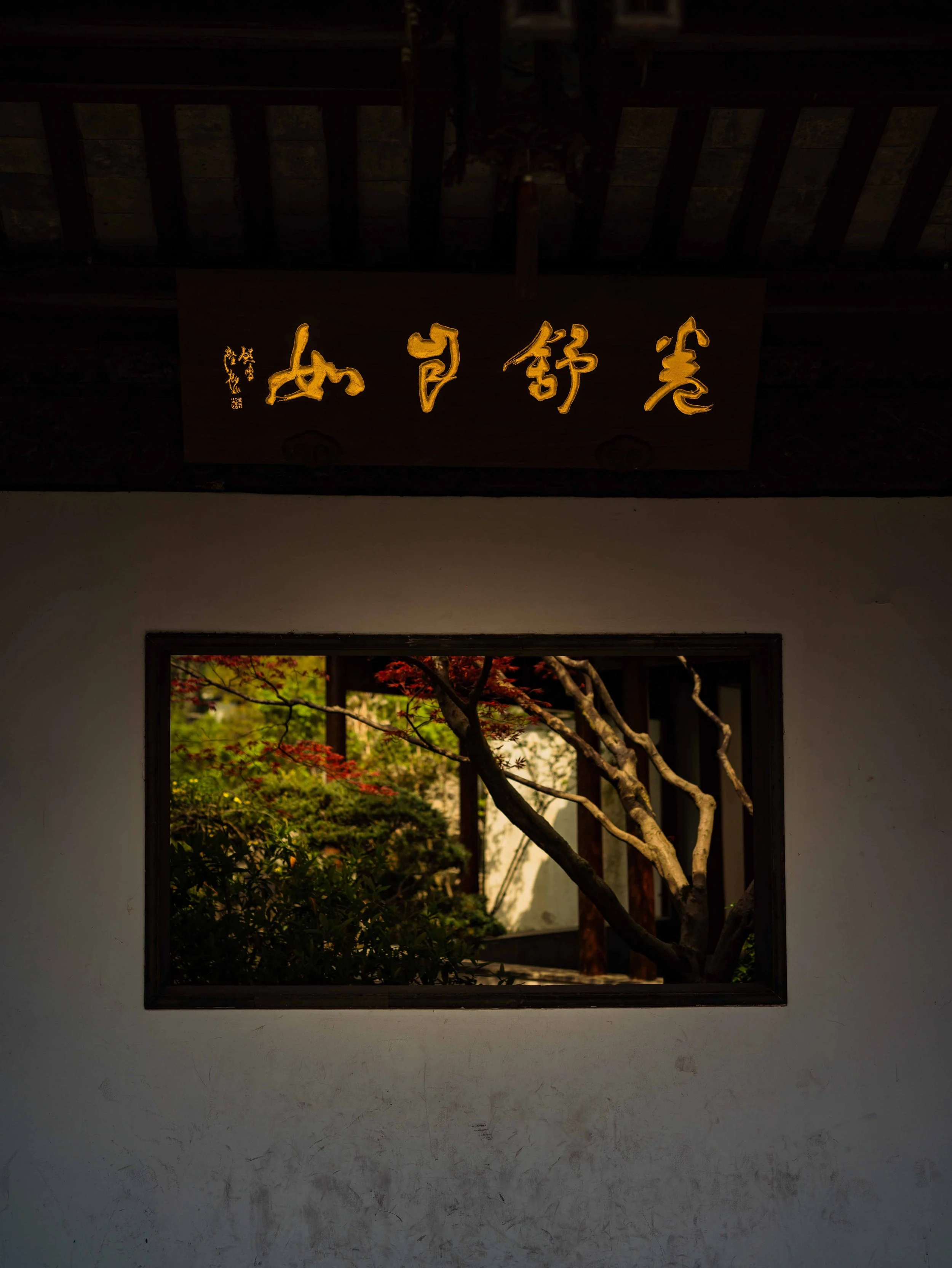
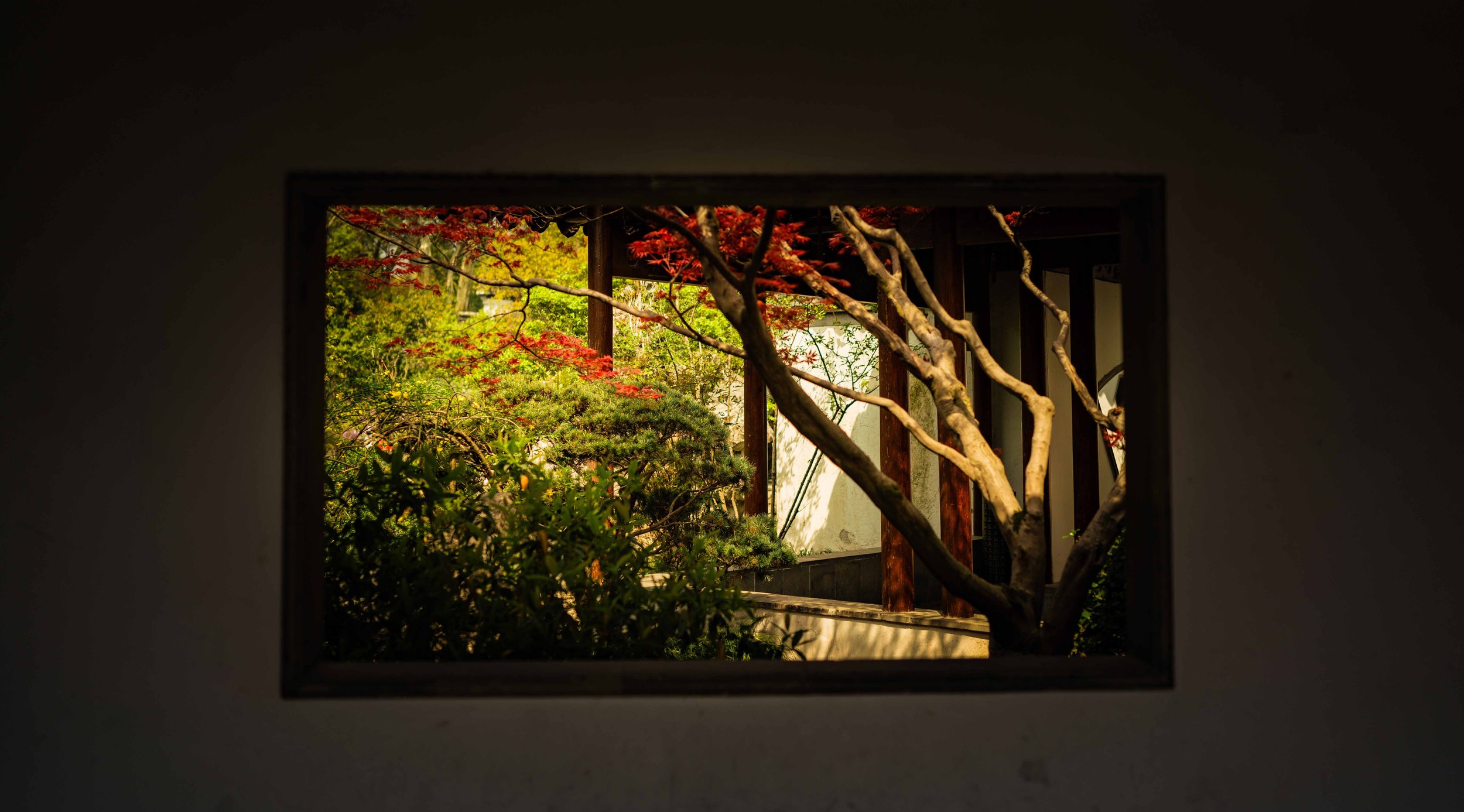
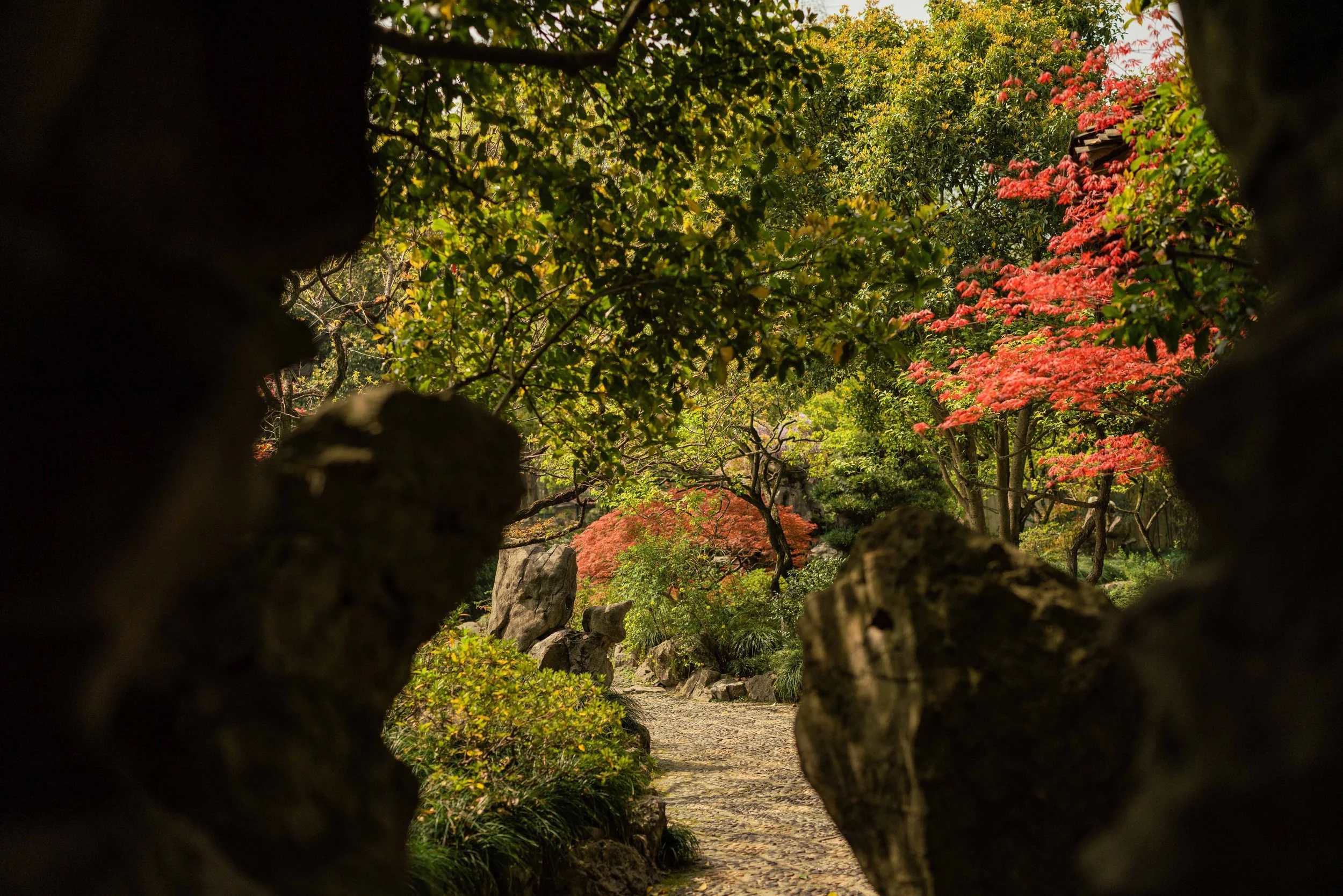
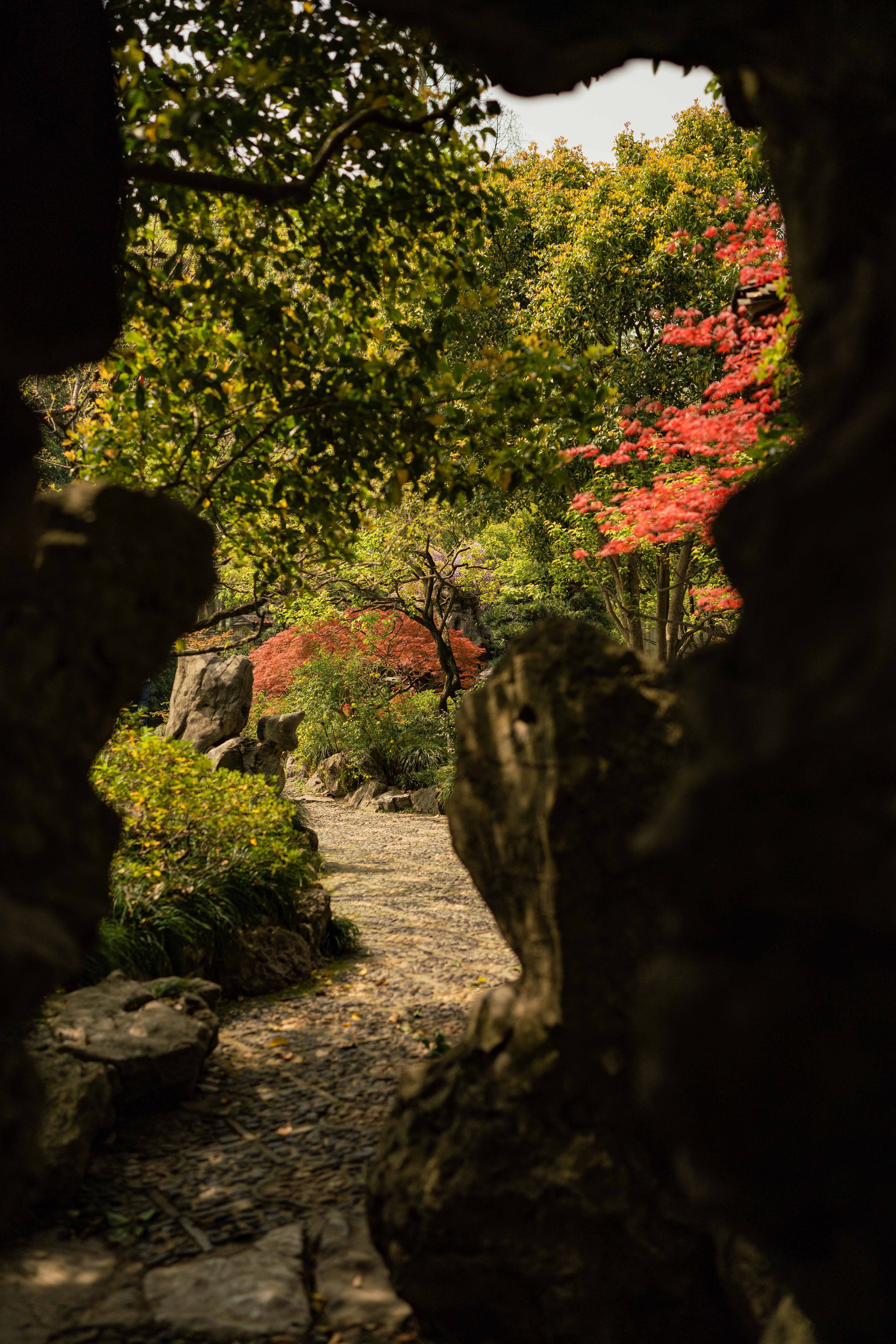
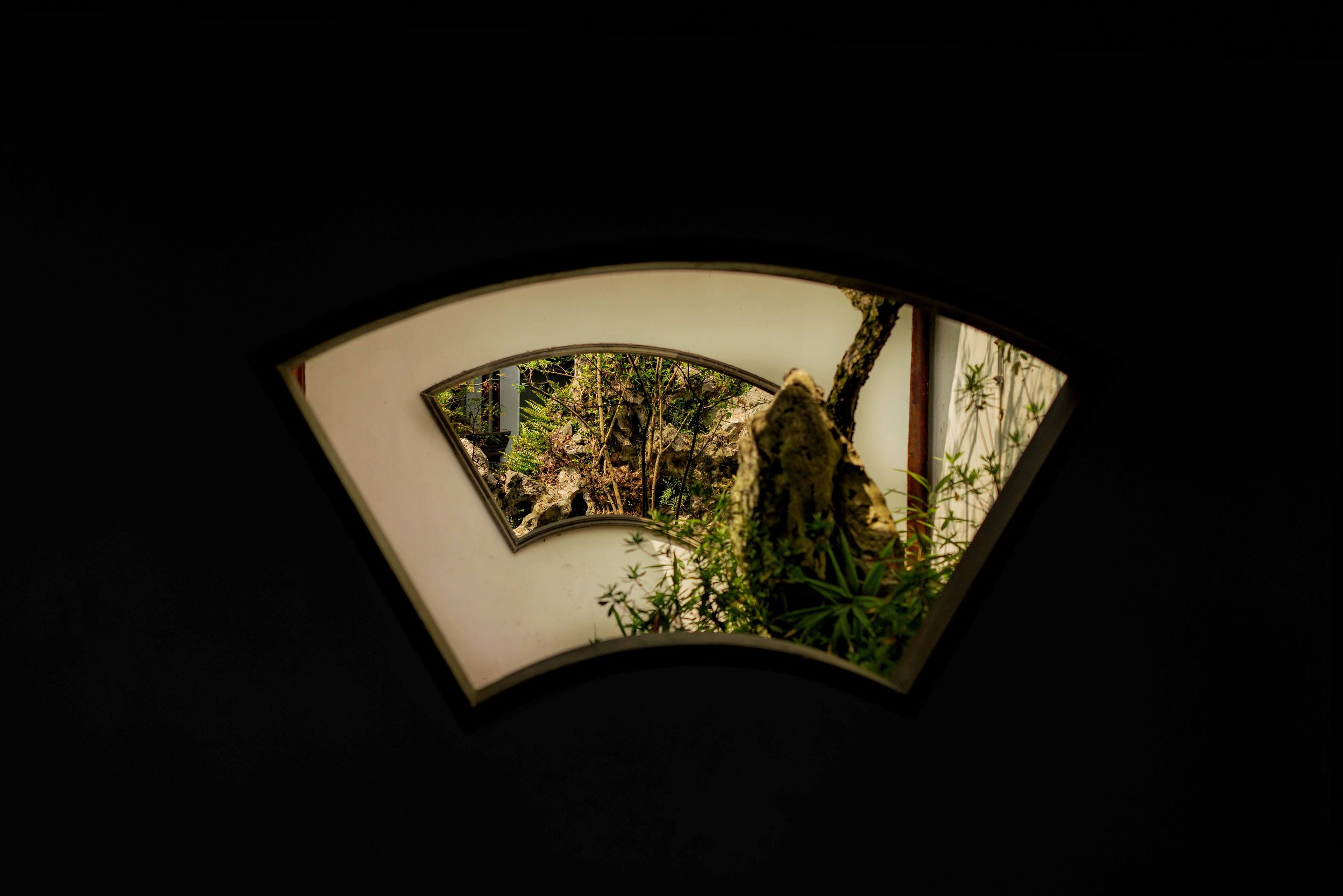
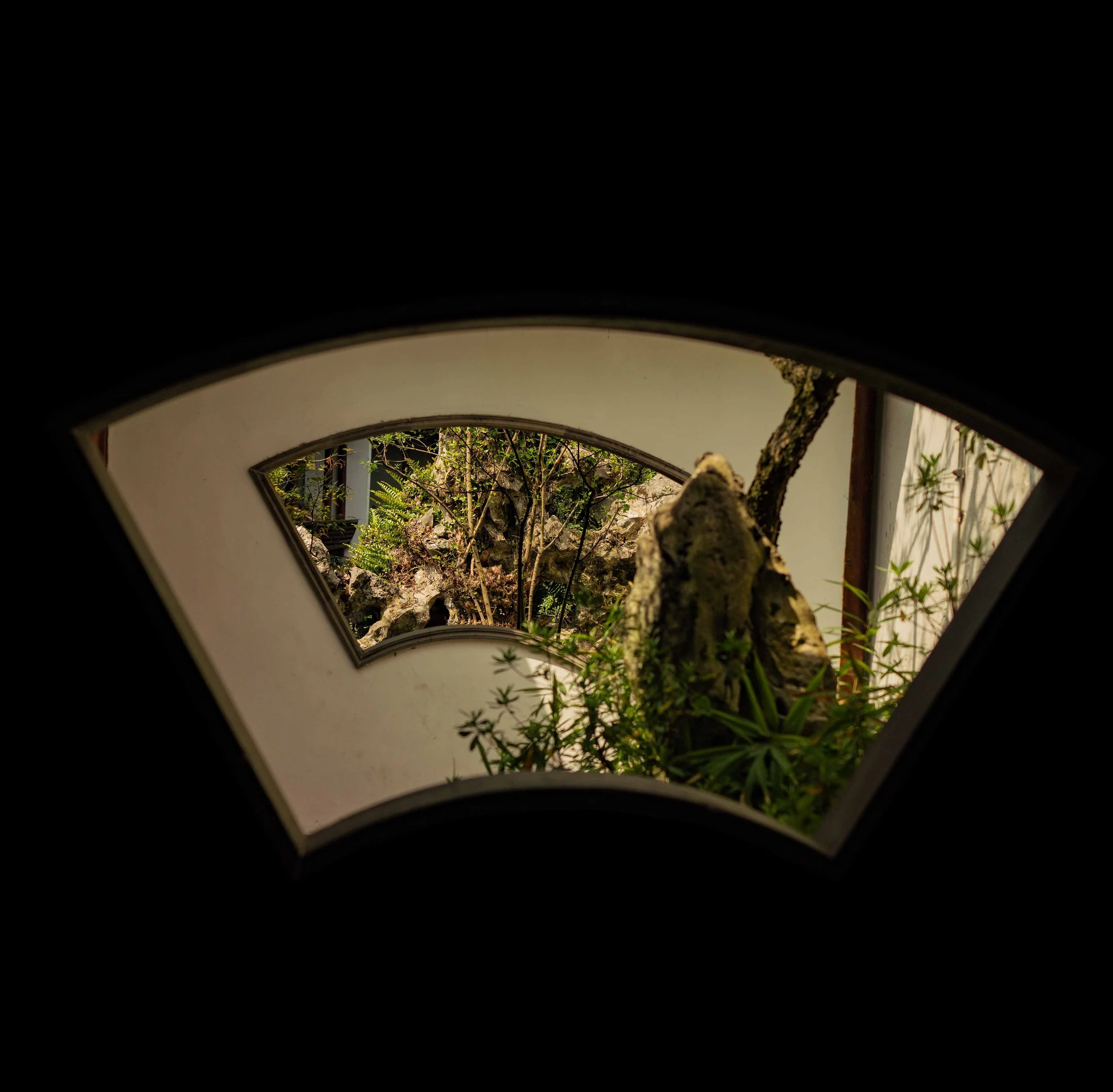
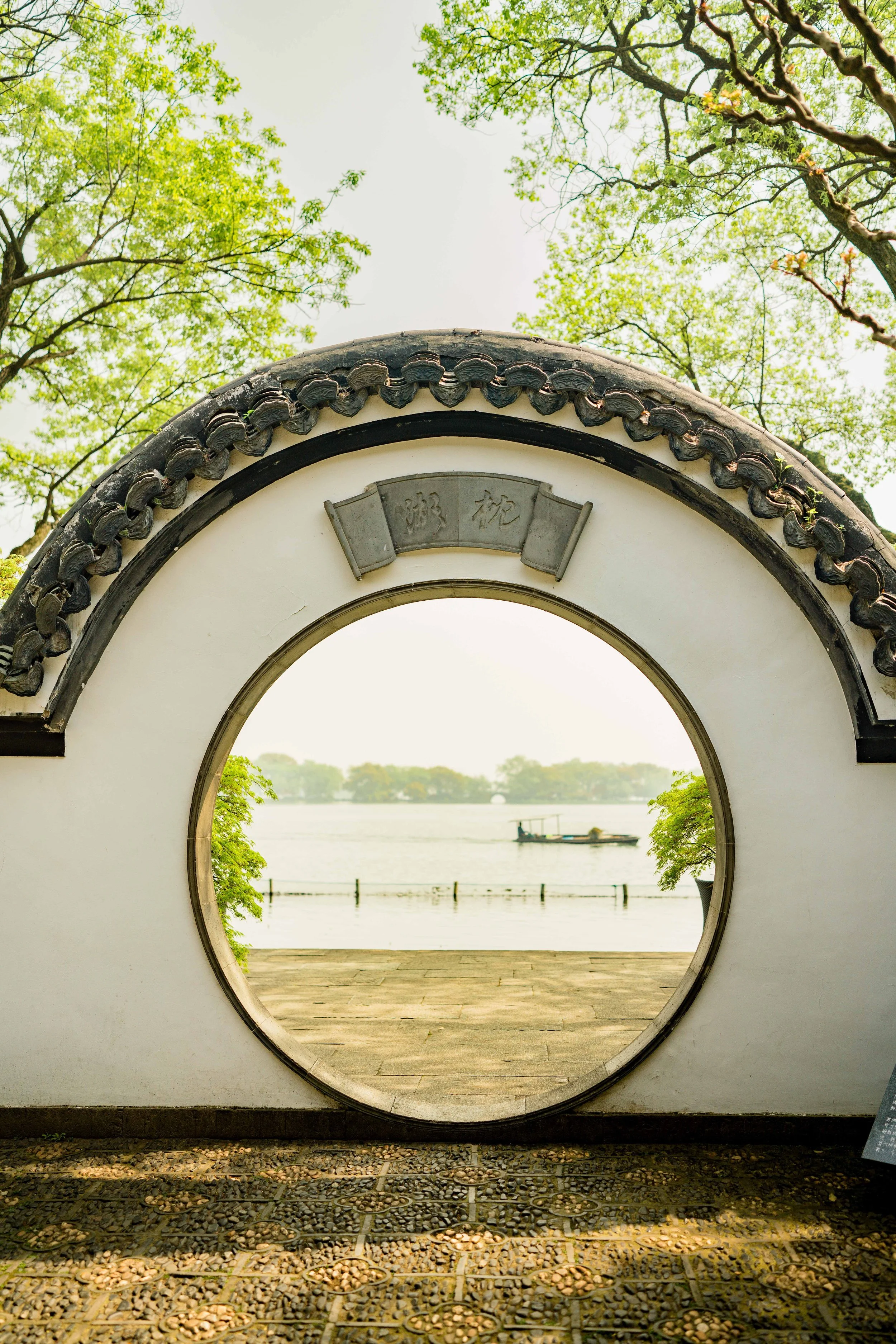
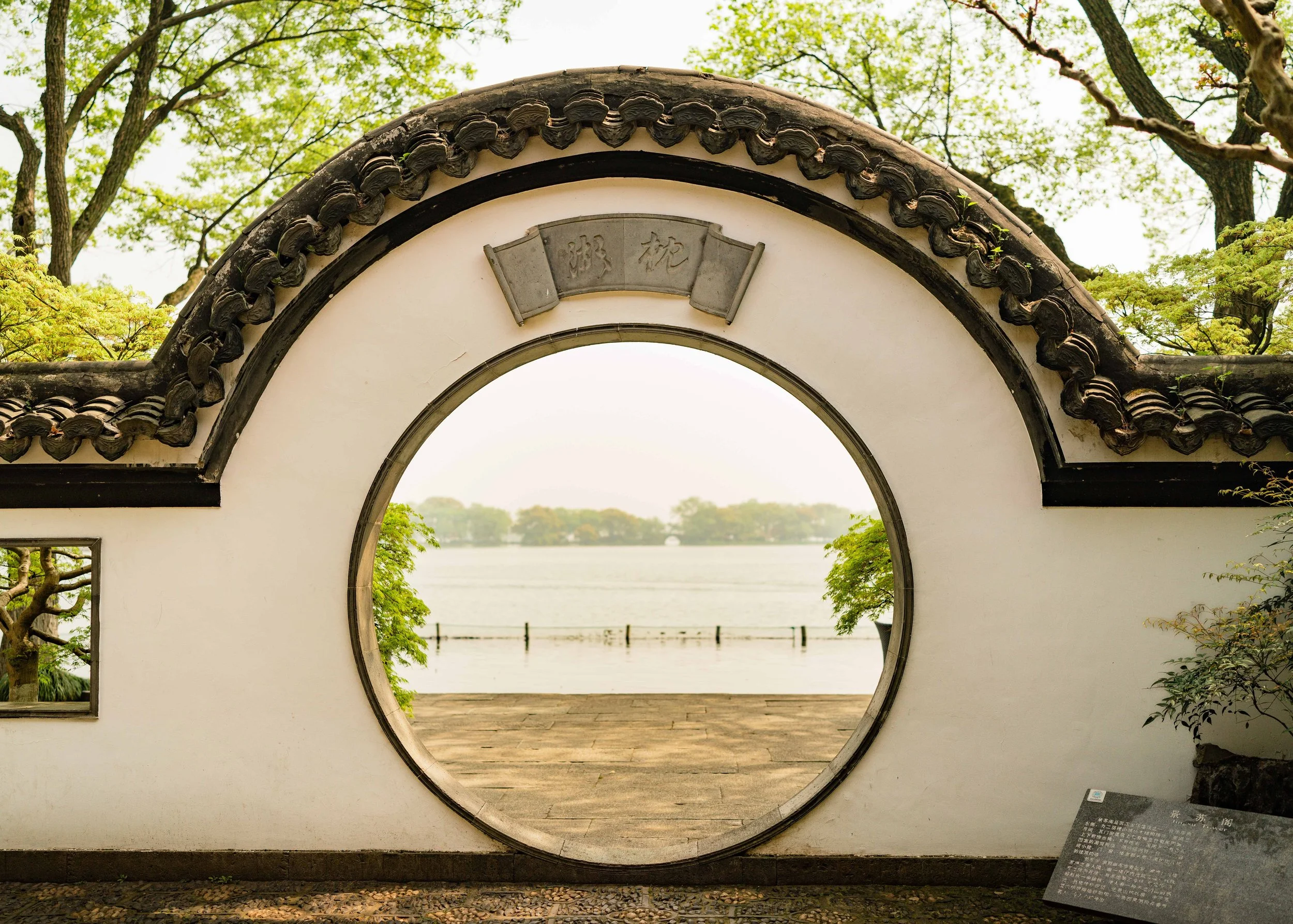
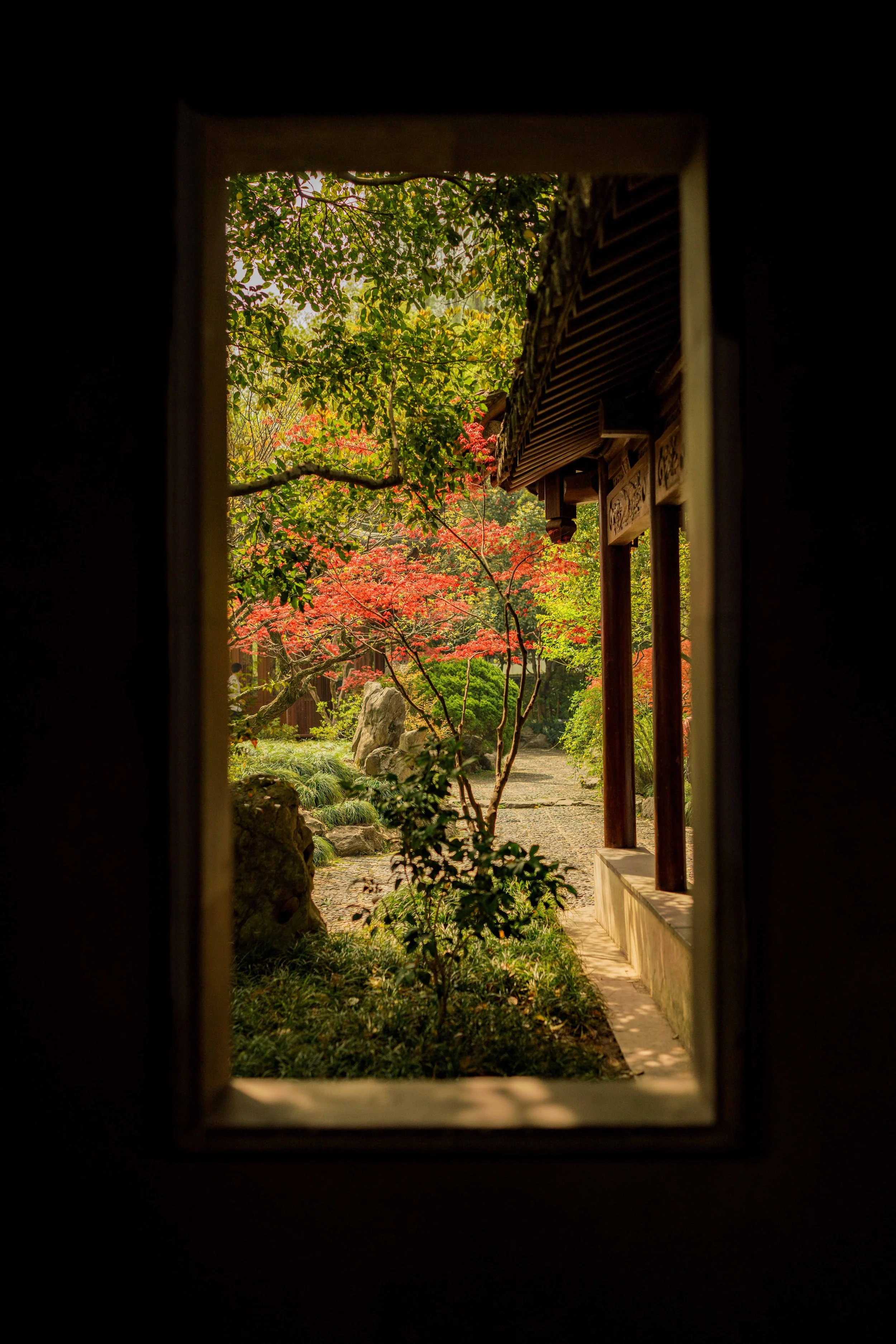
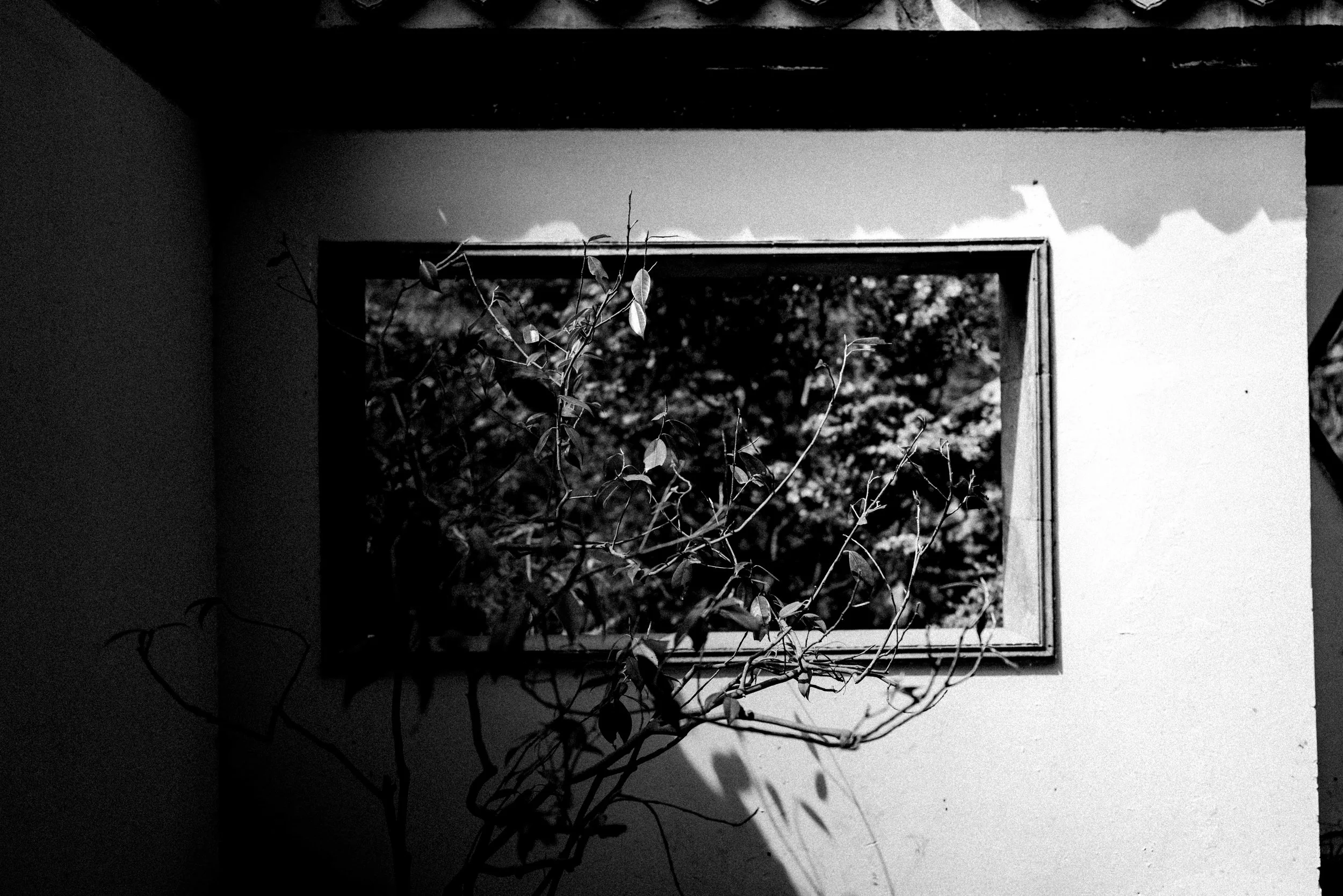
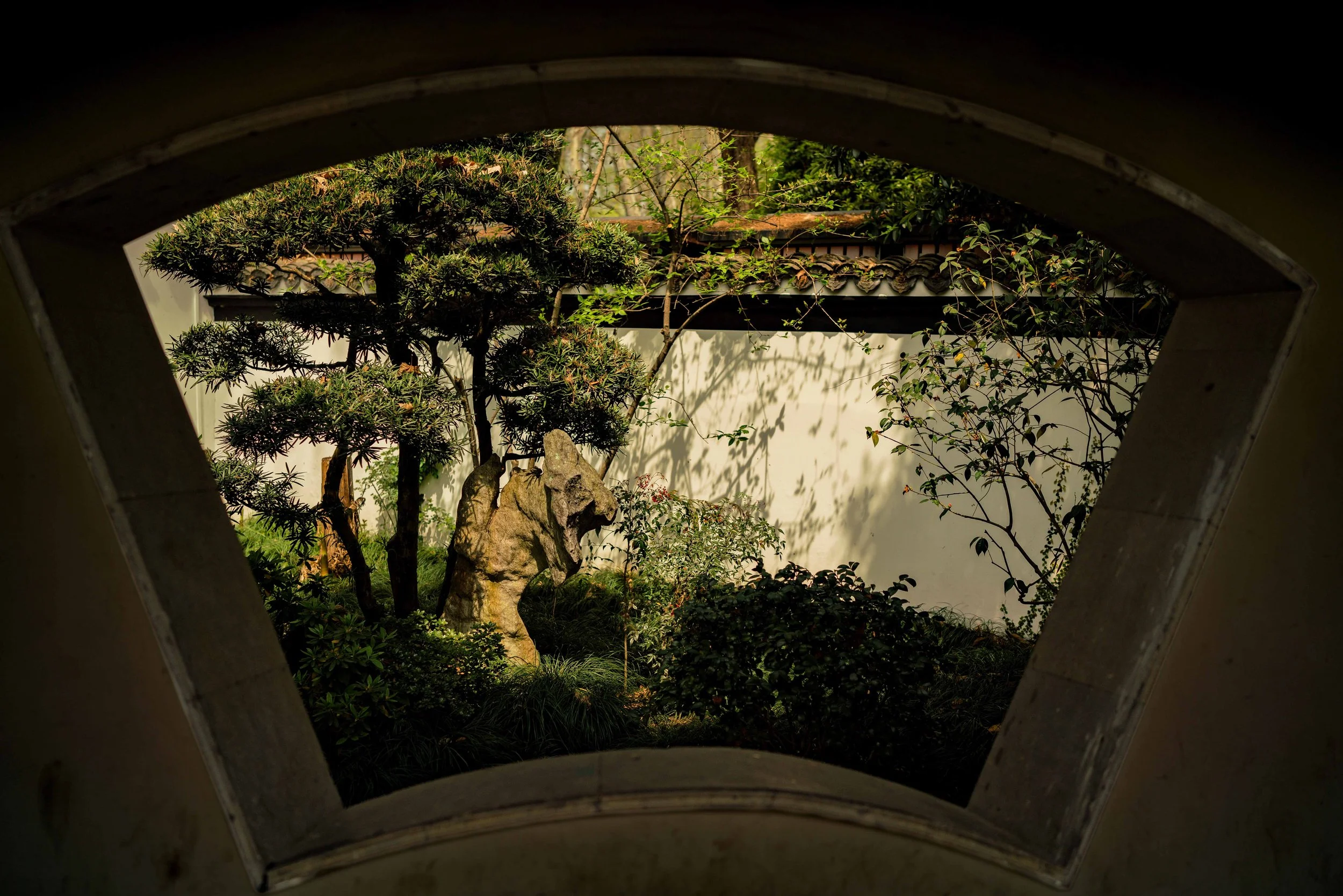
Despite its location right on the edge of West Lake, the garden’s owner ingeniously separated the private grounds from the vast waters with a high wall. He left only a small pavilion and a low-lying pier for close-up water viewing, along with the "Jing Su Pavilion" to gaze out at the distant lake and mountains. This masterful design perfectly illustrates the famous "borrowed scenery" (Jiejing - 借景) technique of classical Chinese garden architecture.
With every step taken exploring the estate, a new vignette unfolds, deeply imbued with the characteristics of Suzhou-style garden architecture. The layout of Guo's Villa strictly adheres to Daoist philosophy. The interplay between winding paths (curves) and formal halls (straight lines), between the deeply shaded alcoves (yin) and the sun-drenched surface of the pond (yang), cultivates an incredibly soothing and harmonious flow of energy.
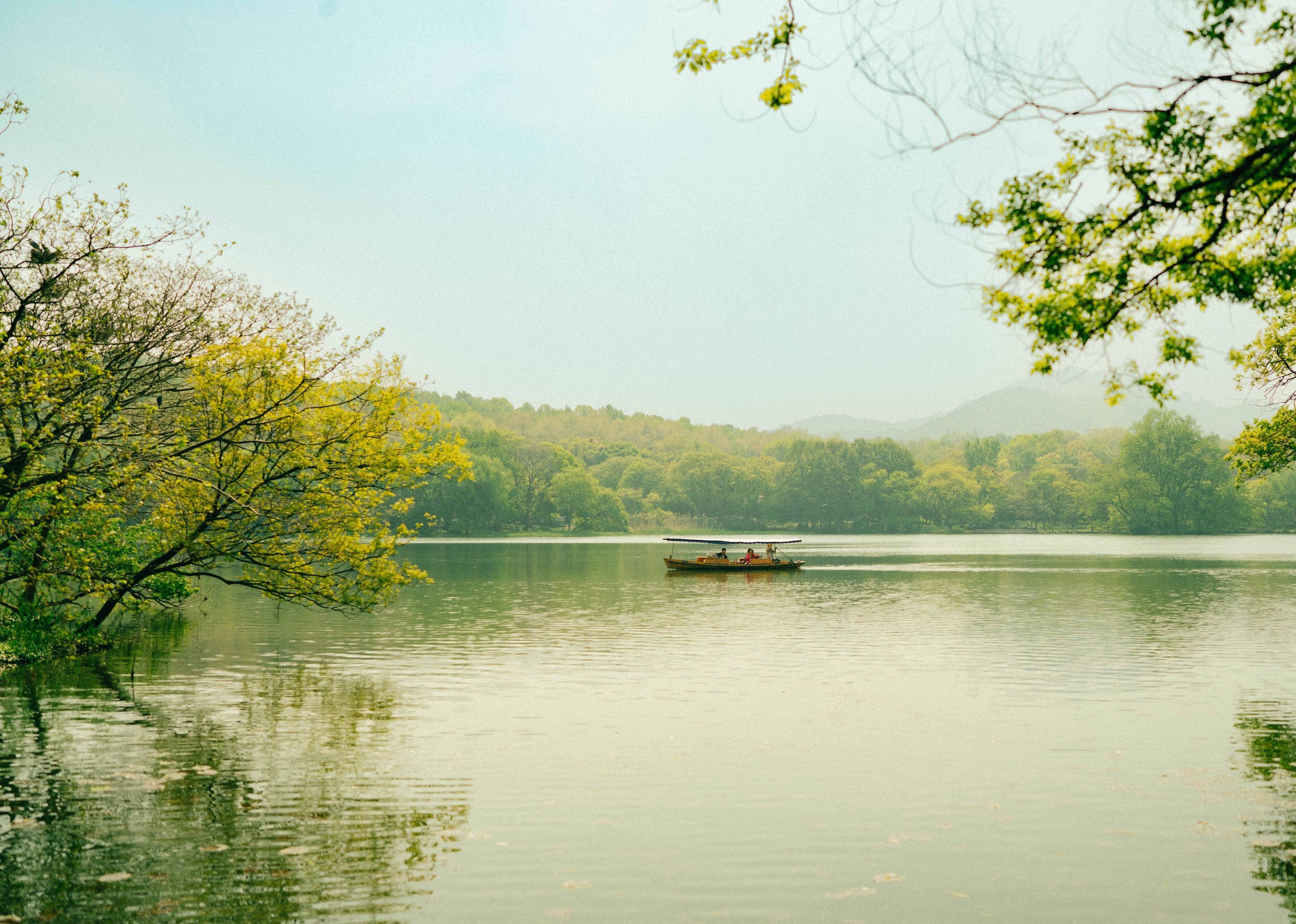
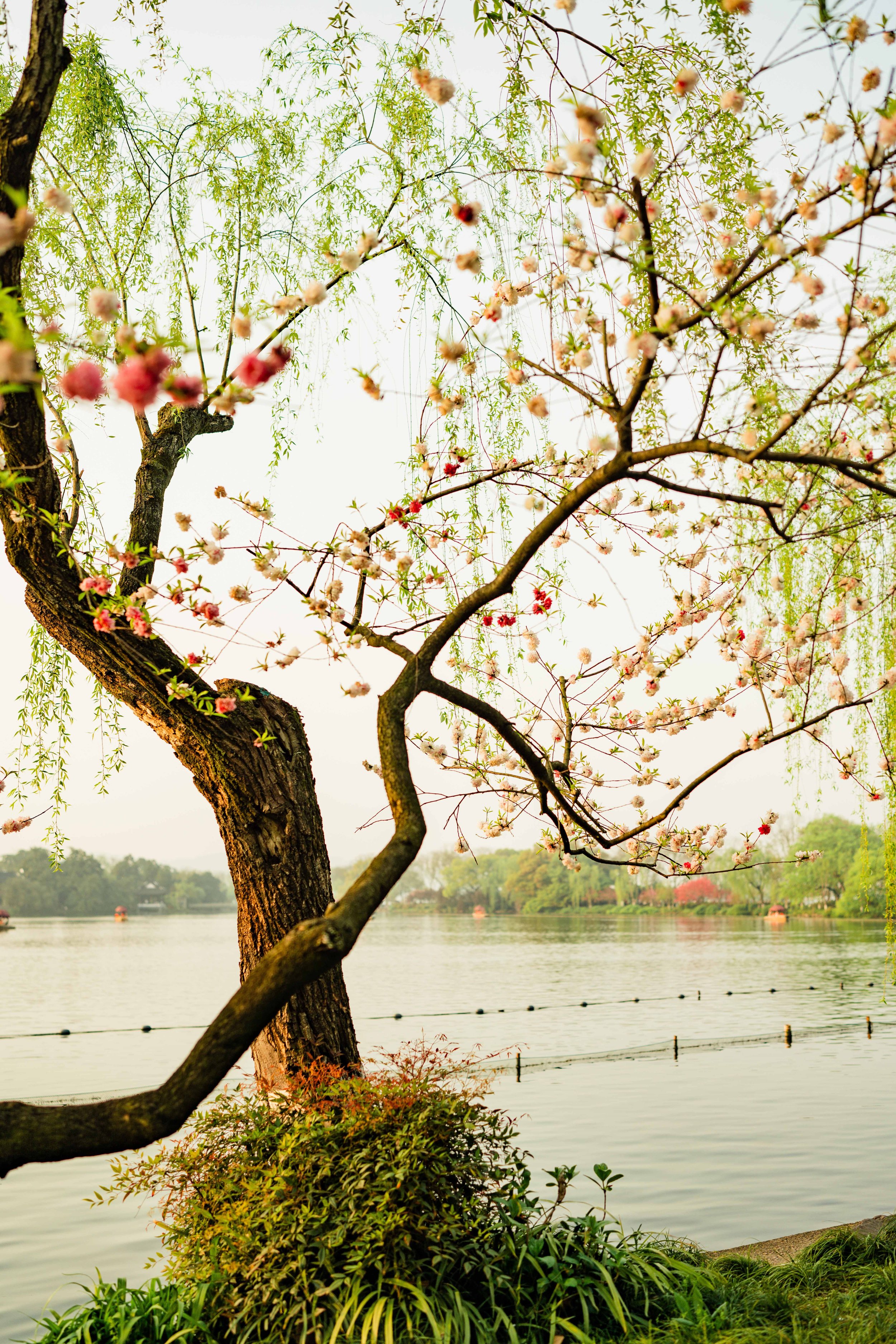
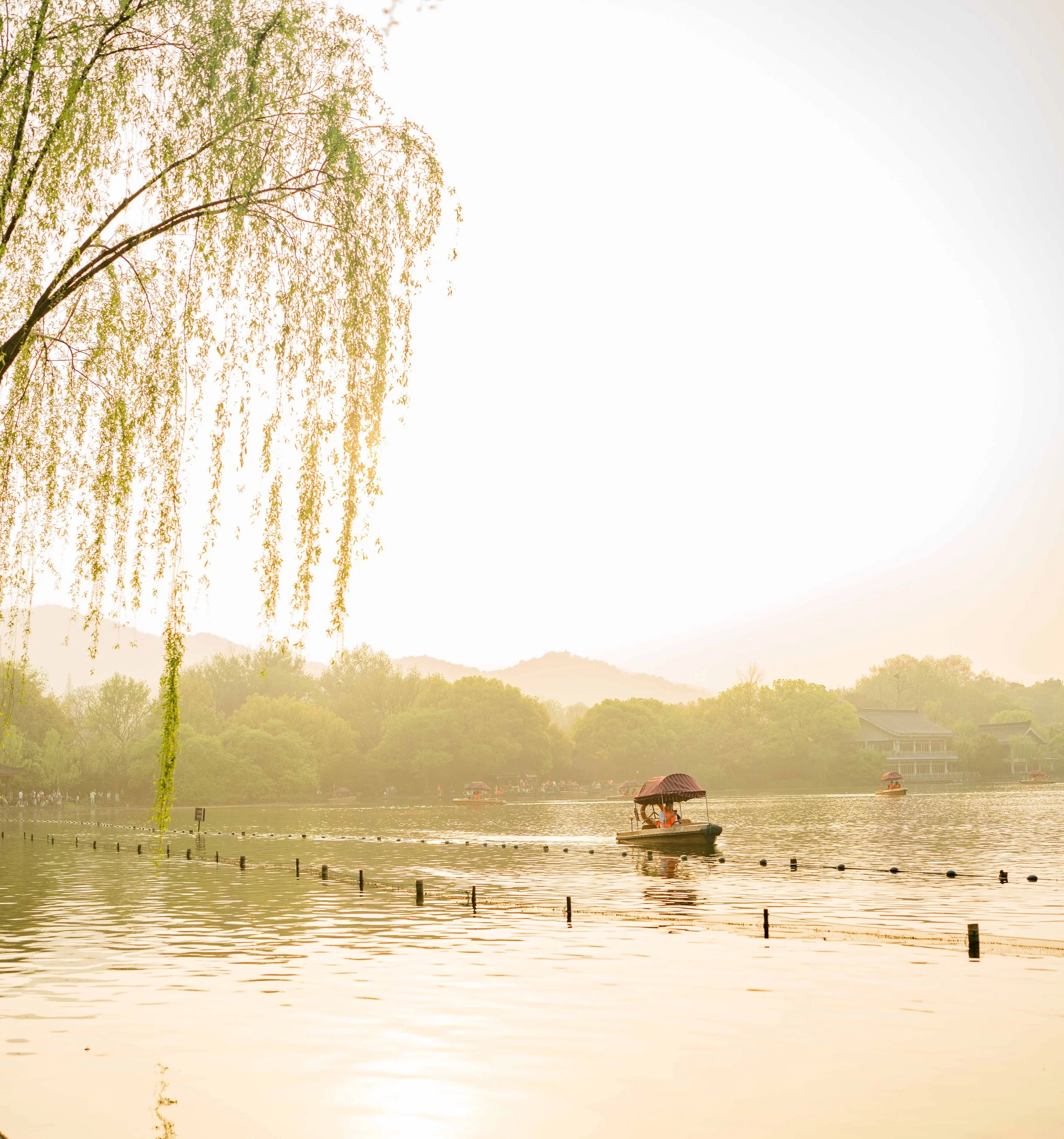
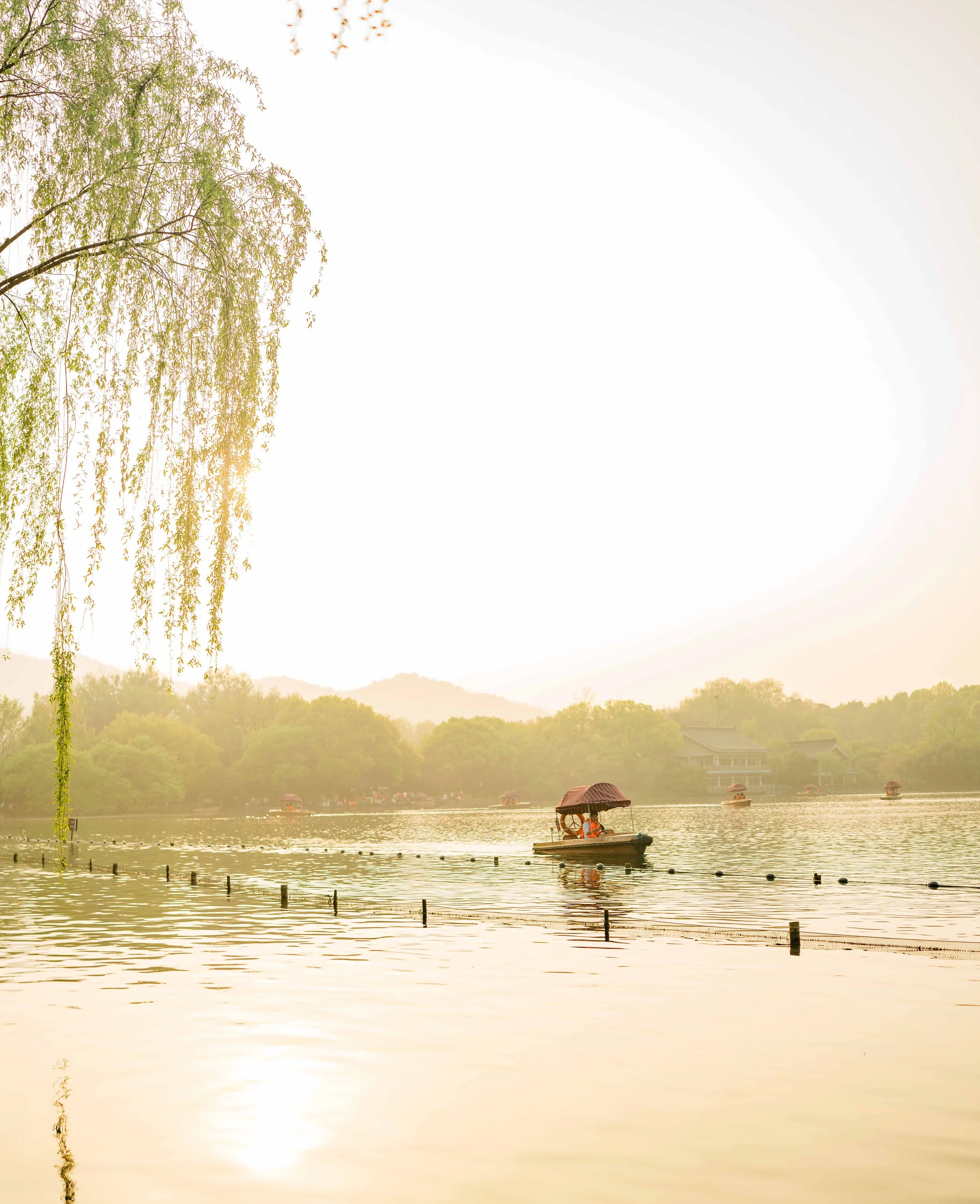
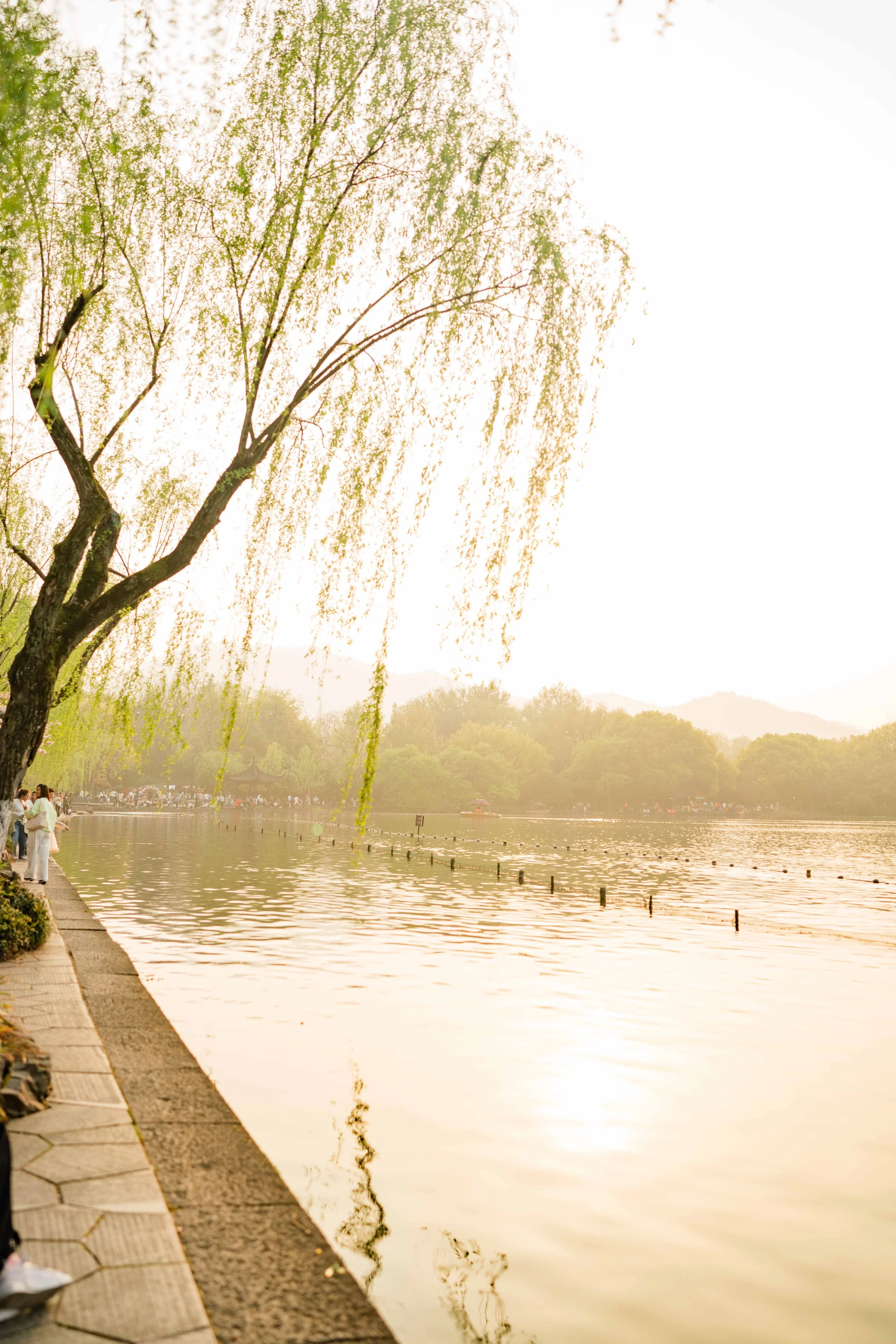
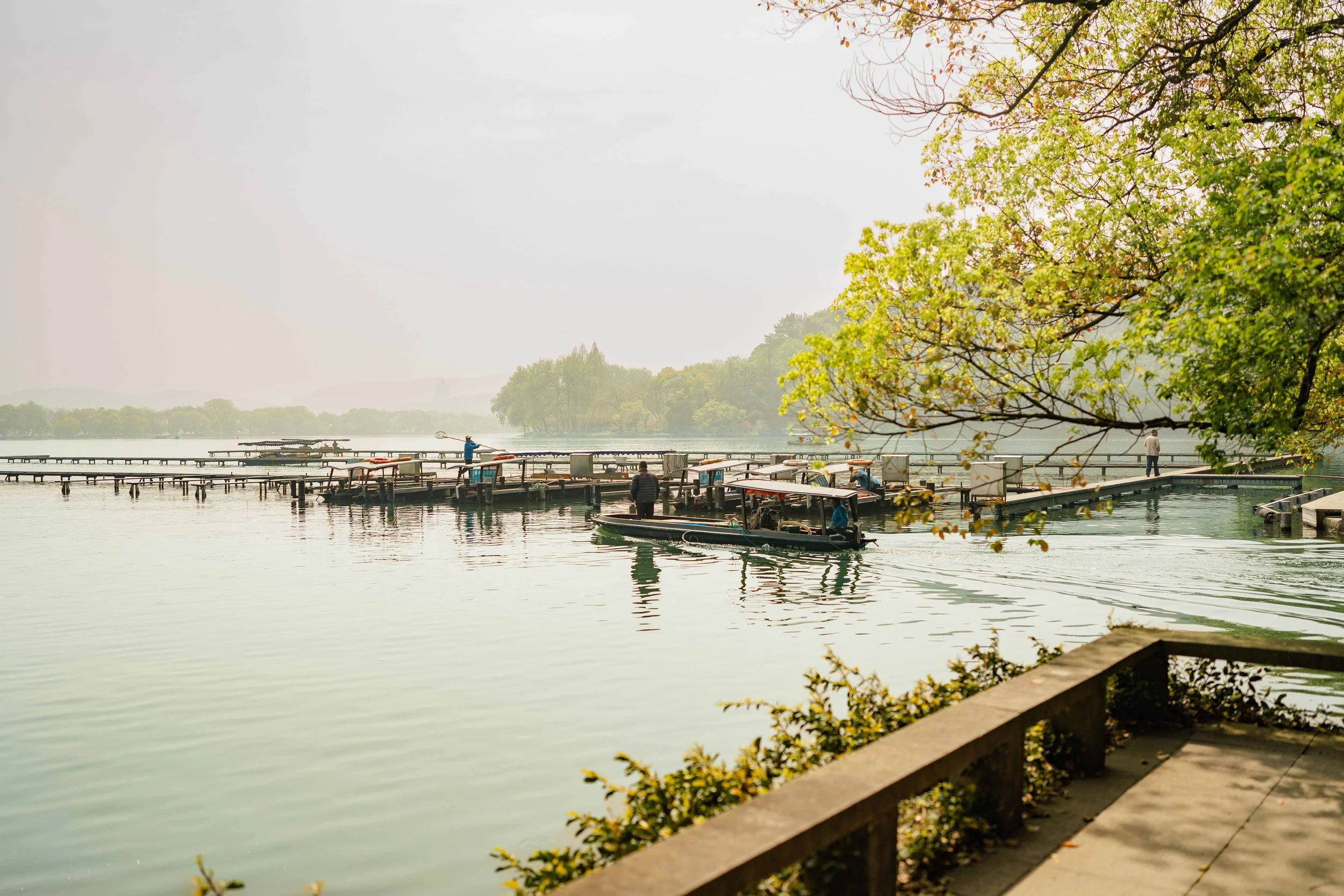
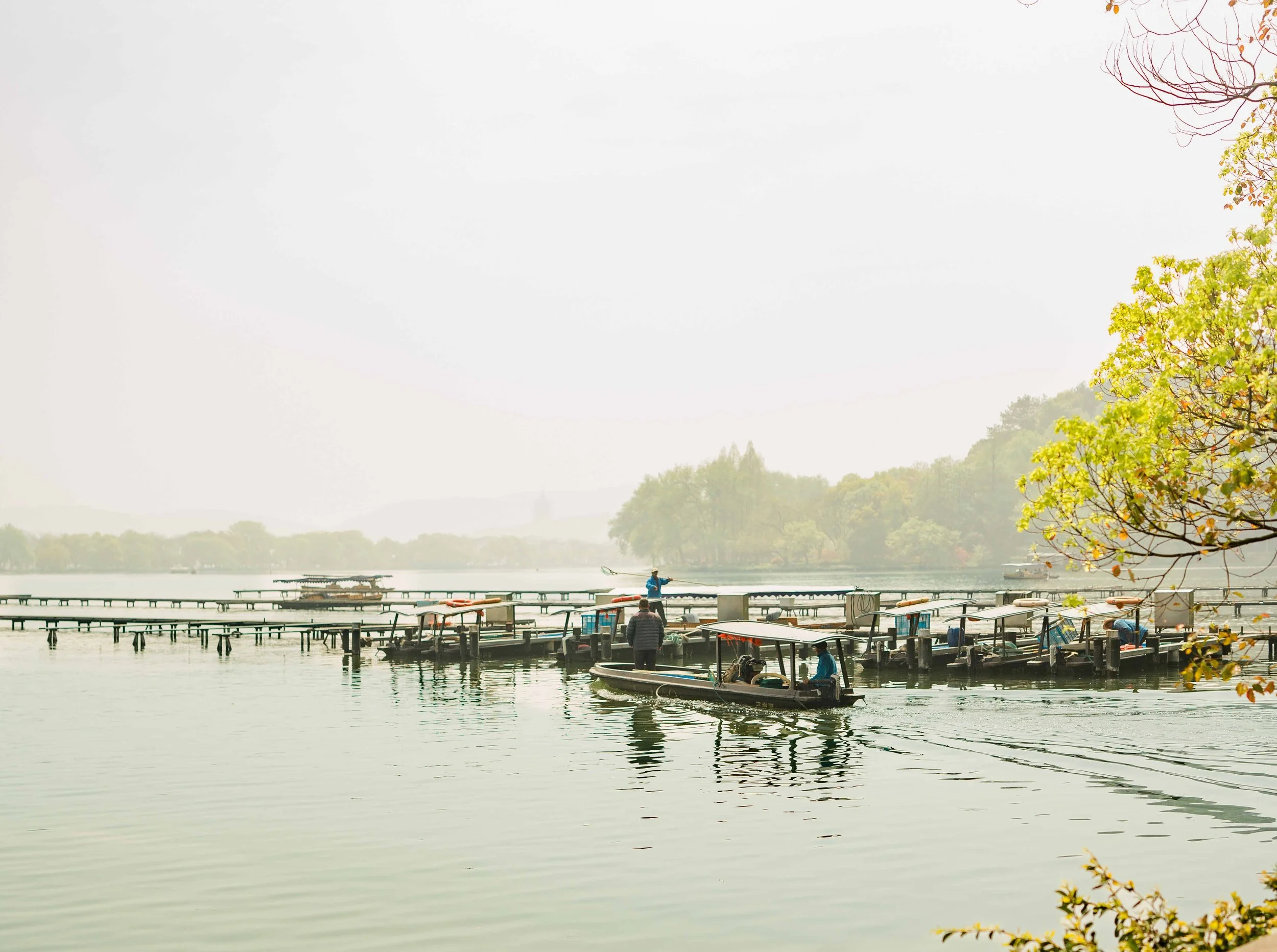
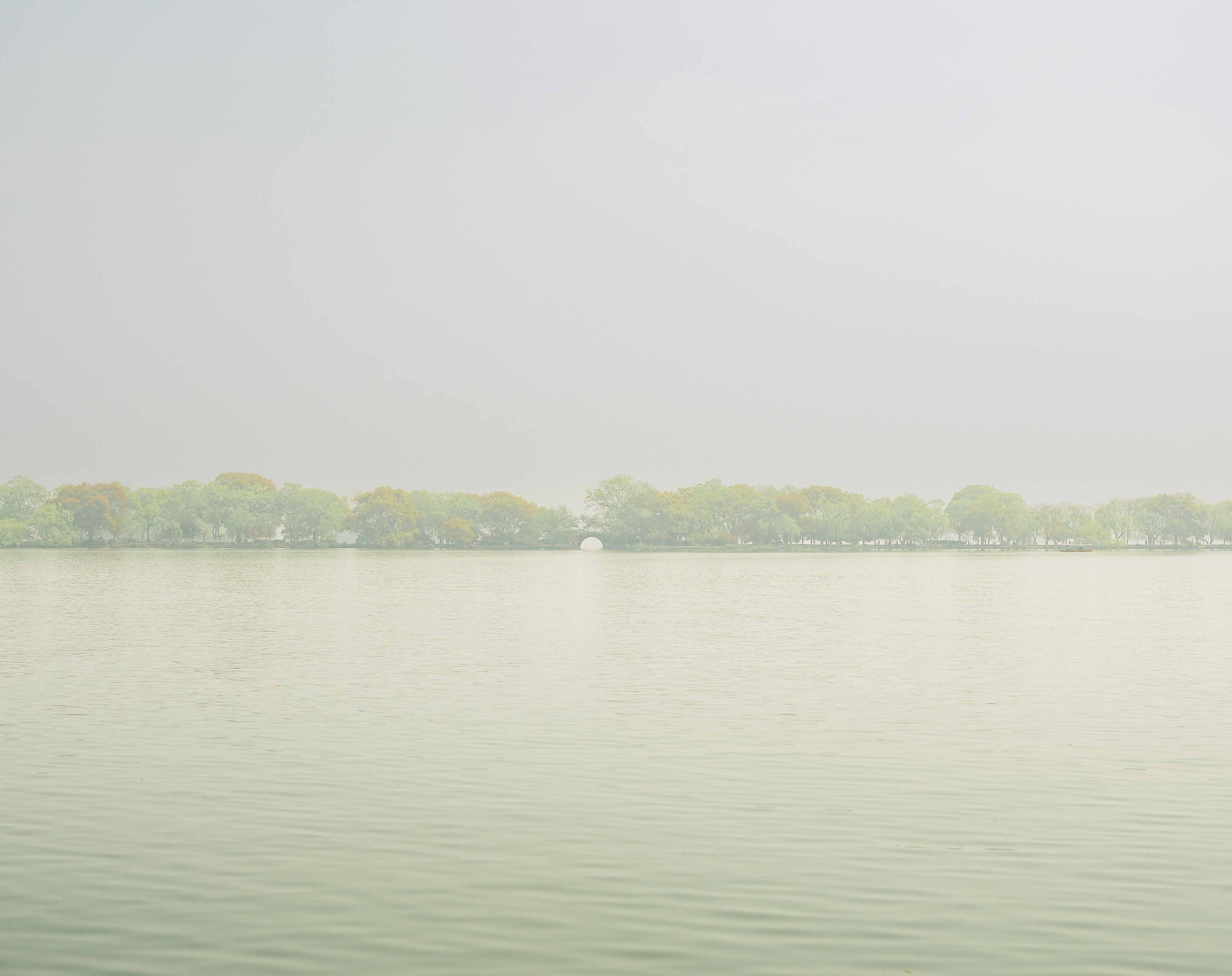
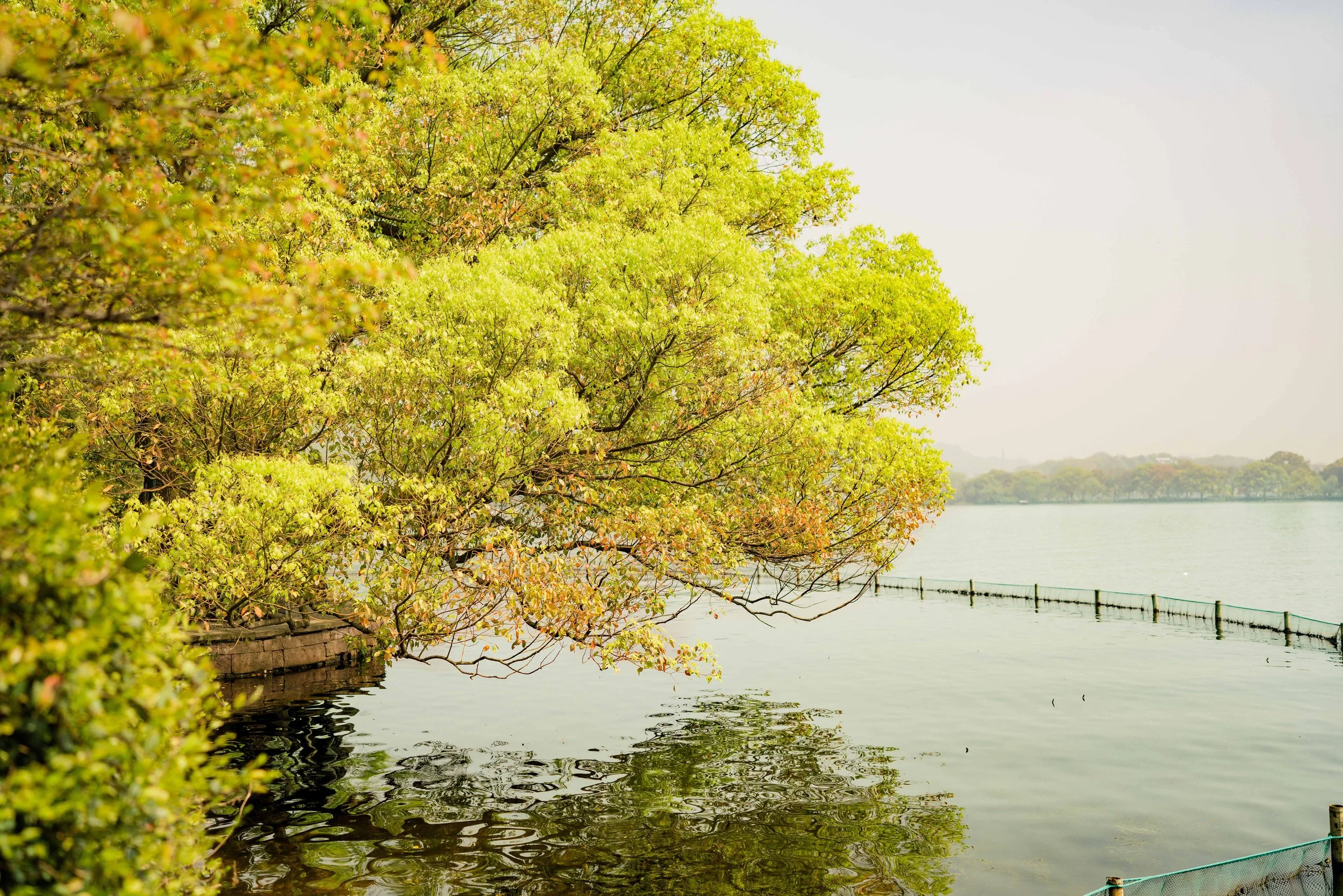
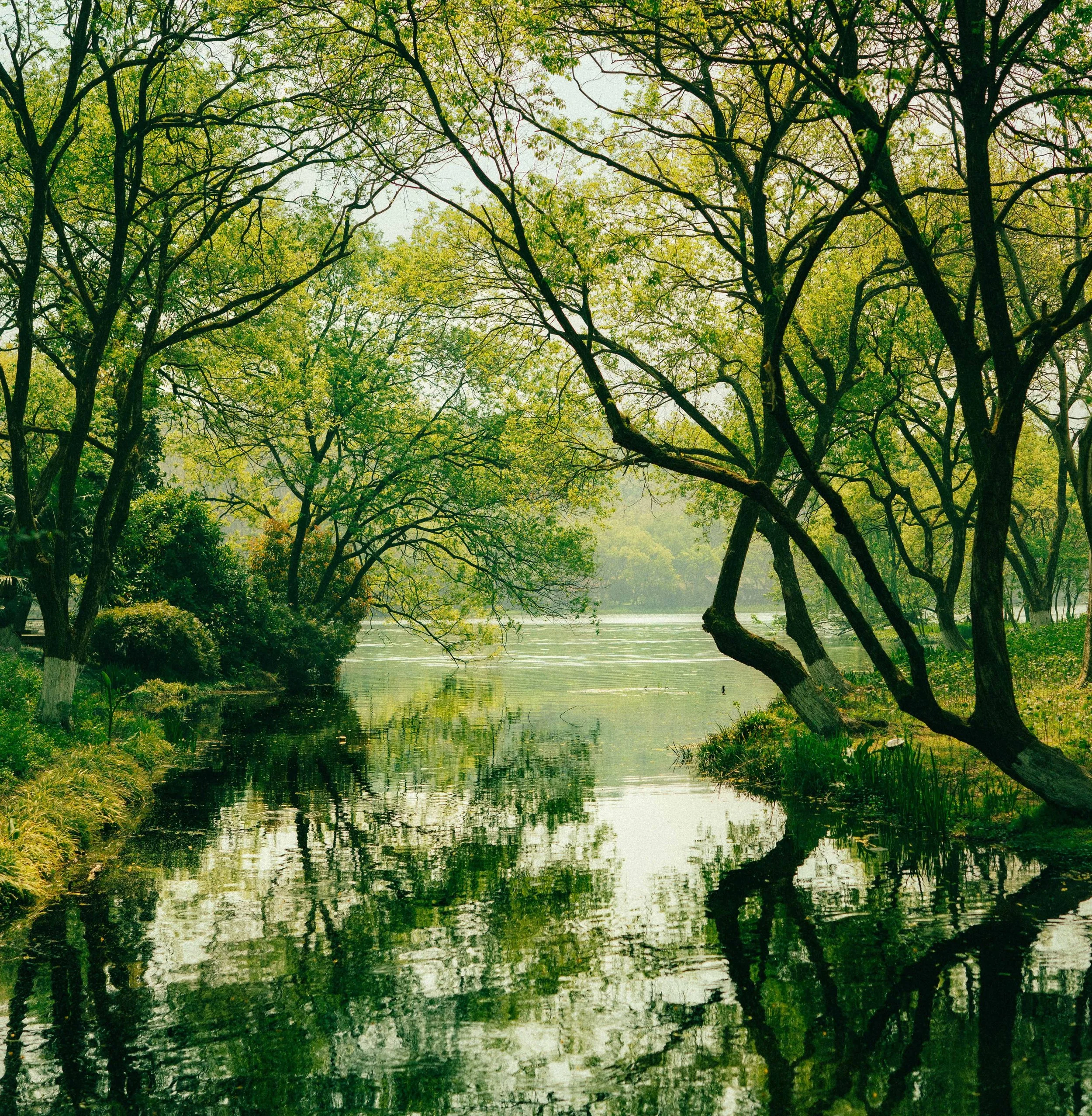
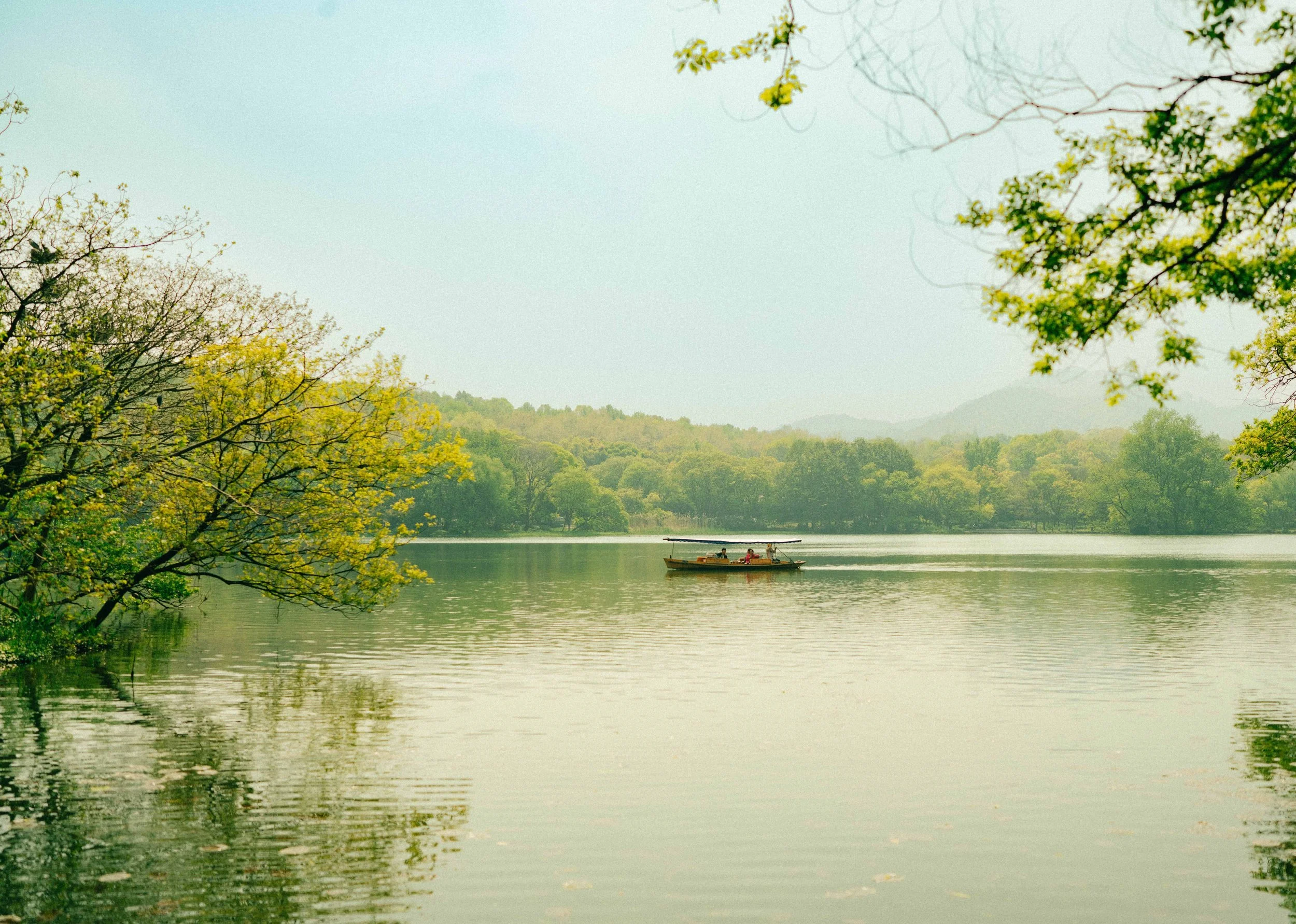
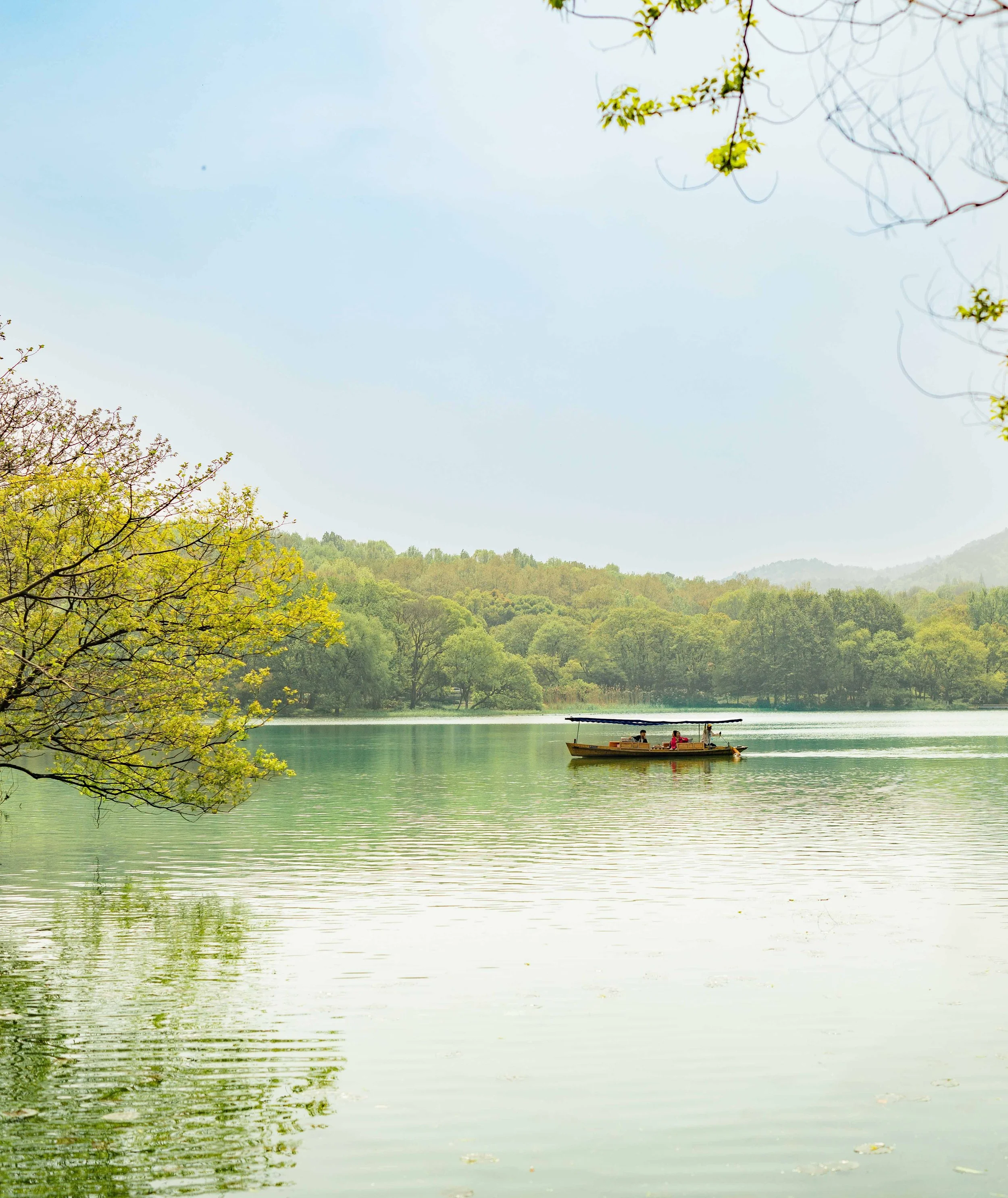
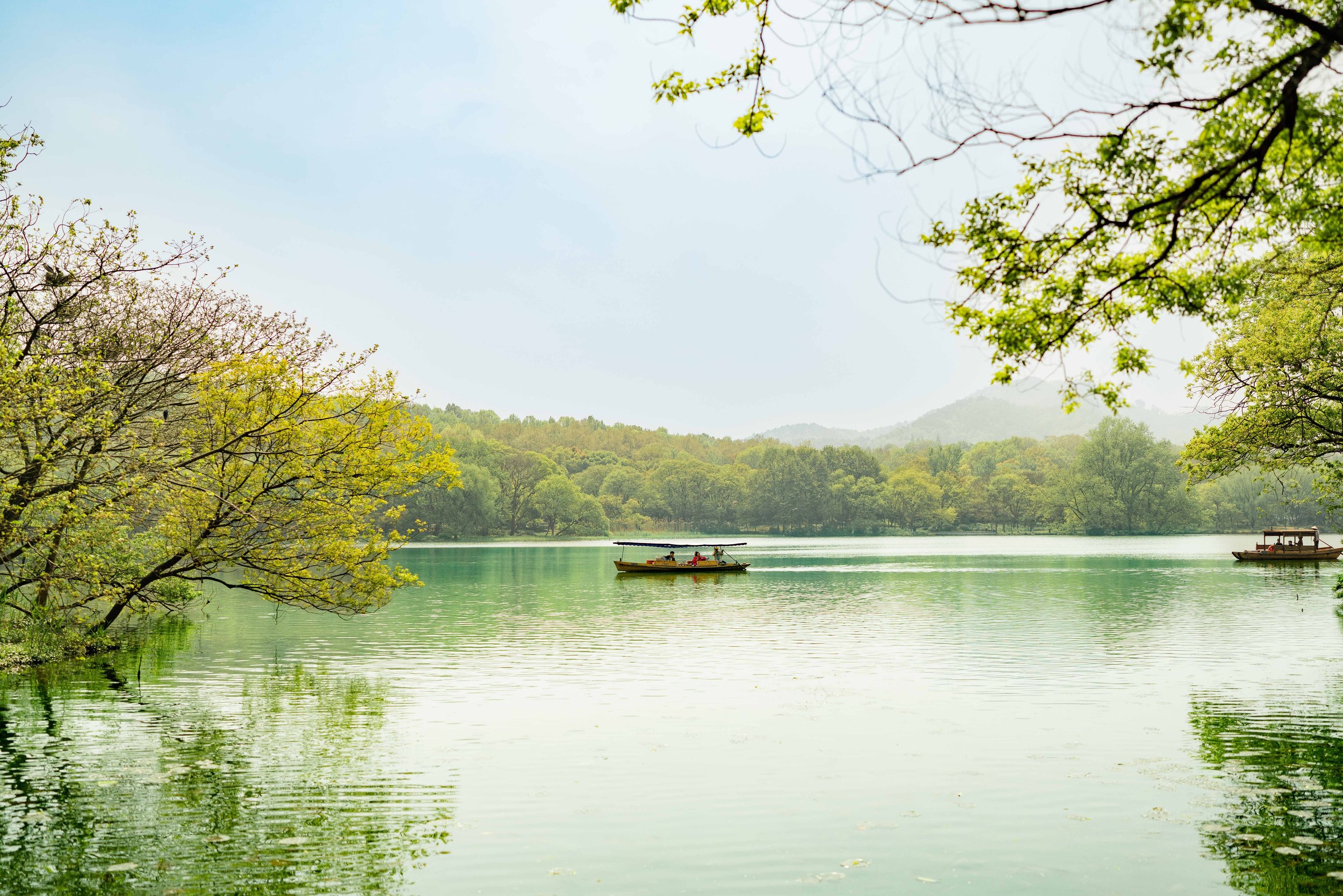
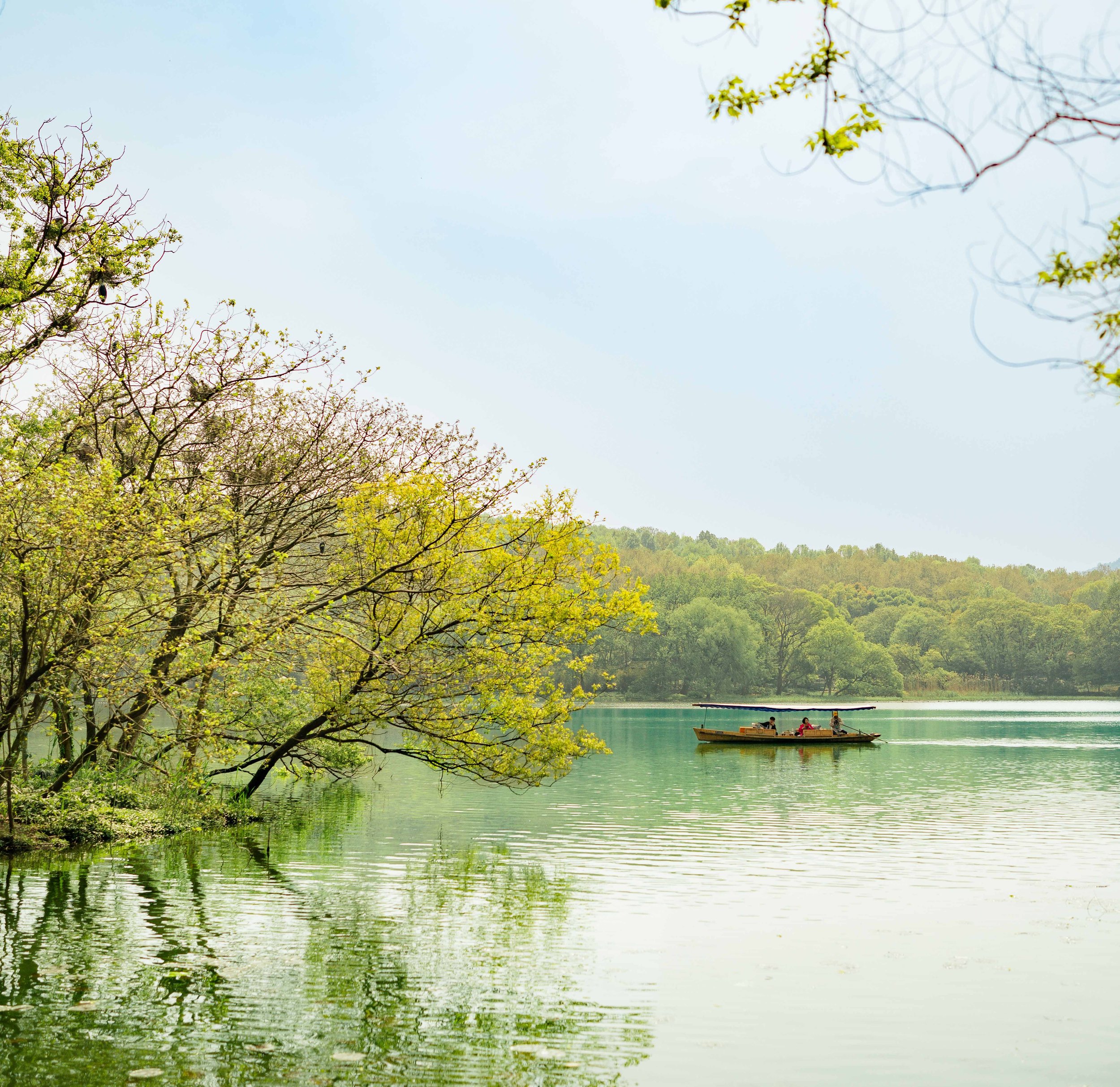
While wandering and taking photos at Guo's Villa, a local uncle casually pointed out that the park just across the street was exceptionally beautiful. And it truly was a breathtaking surprise—the scene before my eyes looked exactly like a traditional ink-wash painting. There were wooden boats, distant mountains, lush enclosing greenery, and a mirror-like emerald lake reflecting it all. To this day, I still don't know the name of that park. Yet, that is precisely the charming, serendipitous nature of this city: you can step into an obscure, unnamed park and still be greeted by absolute beauty.
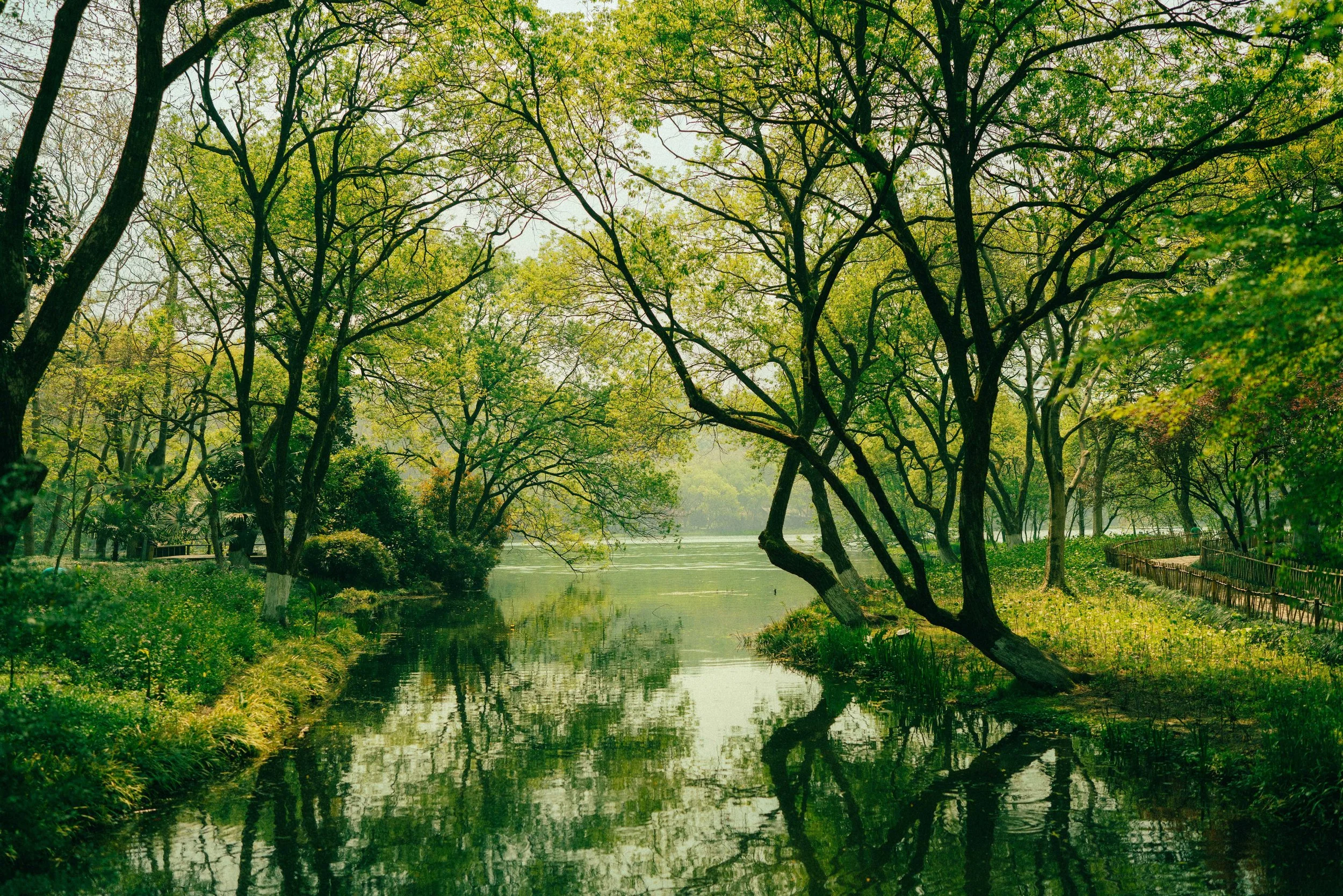
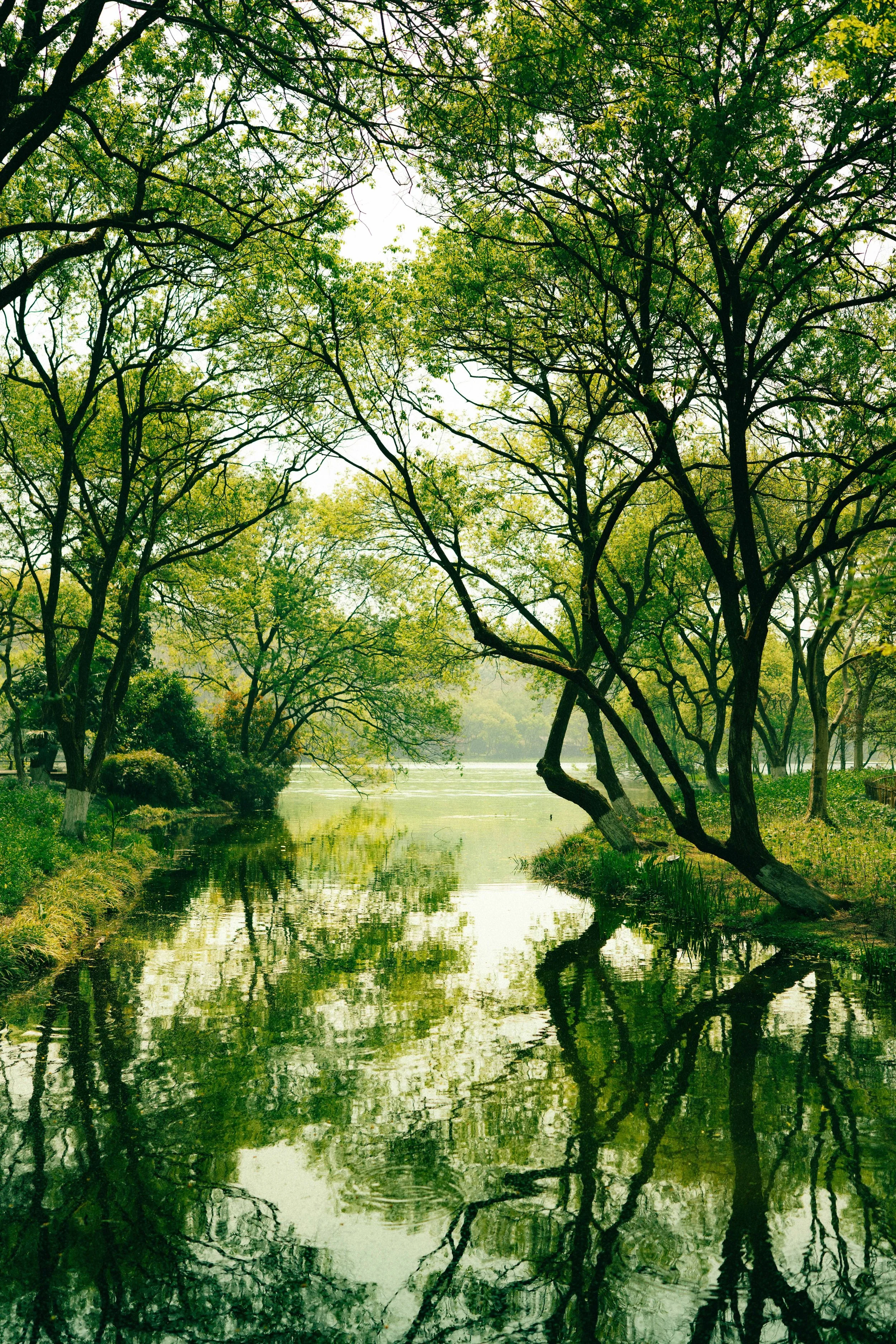
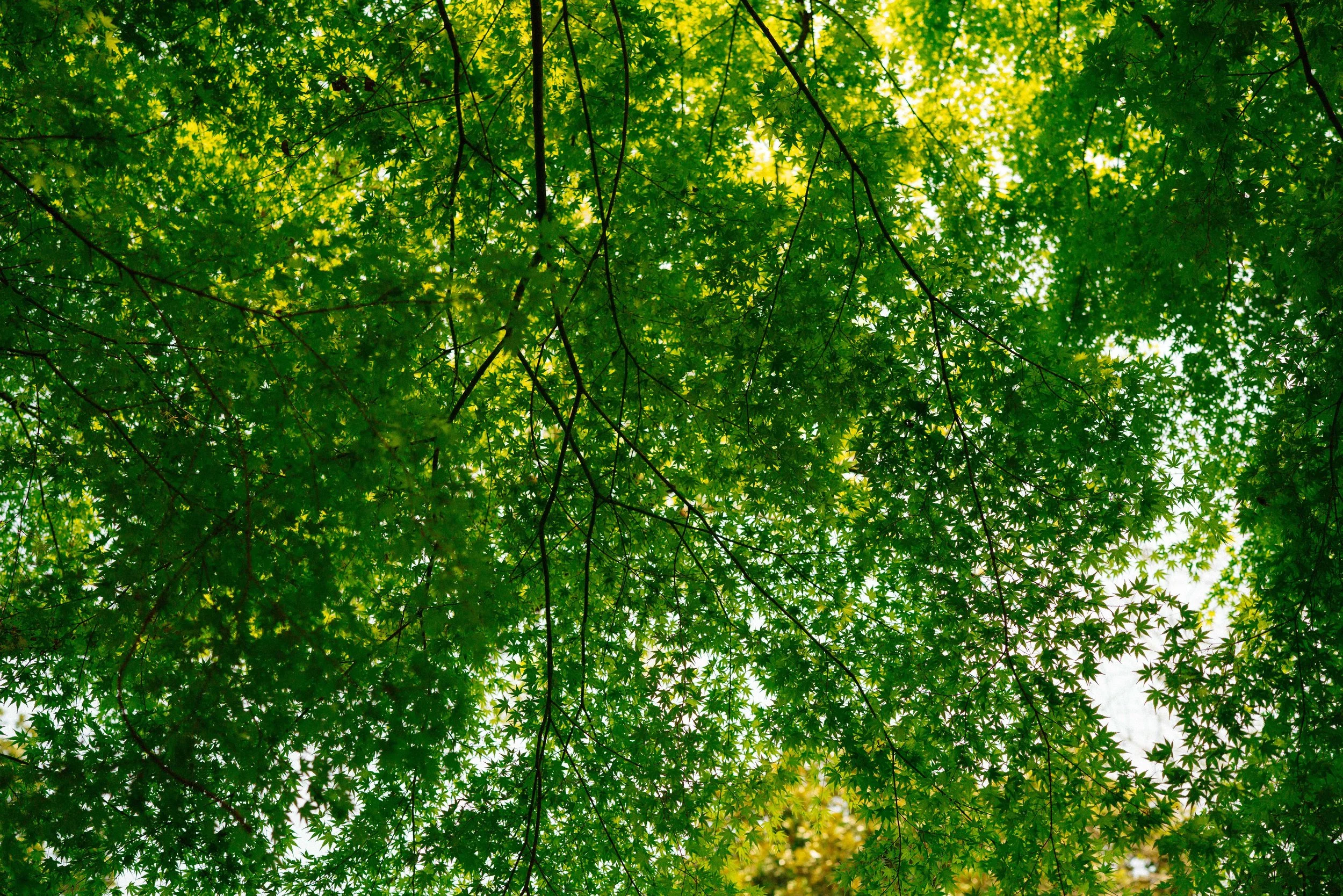
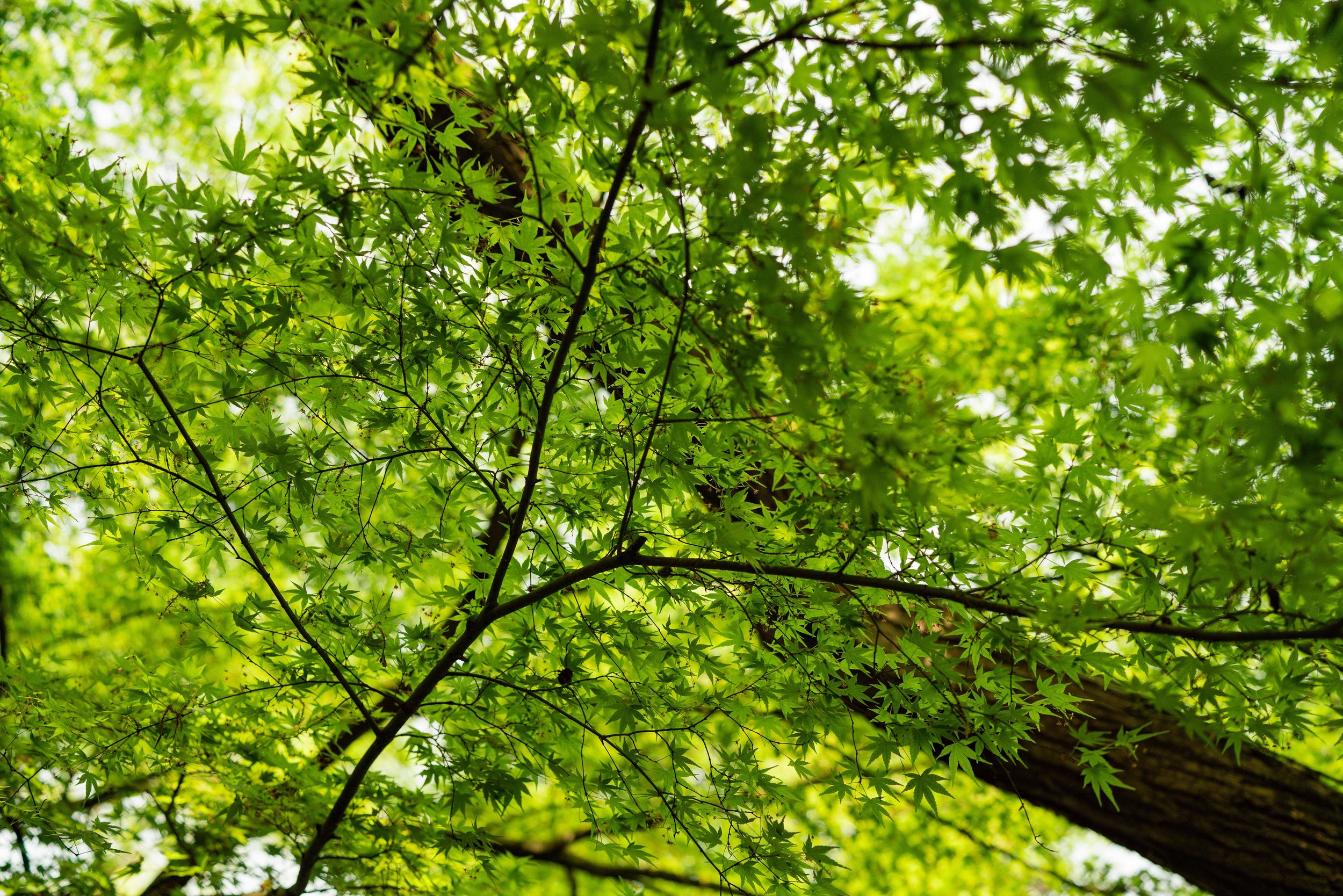
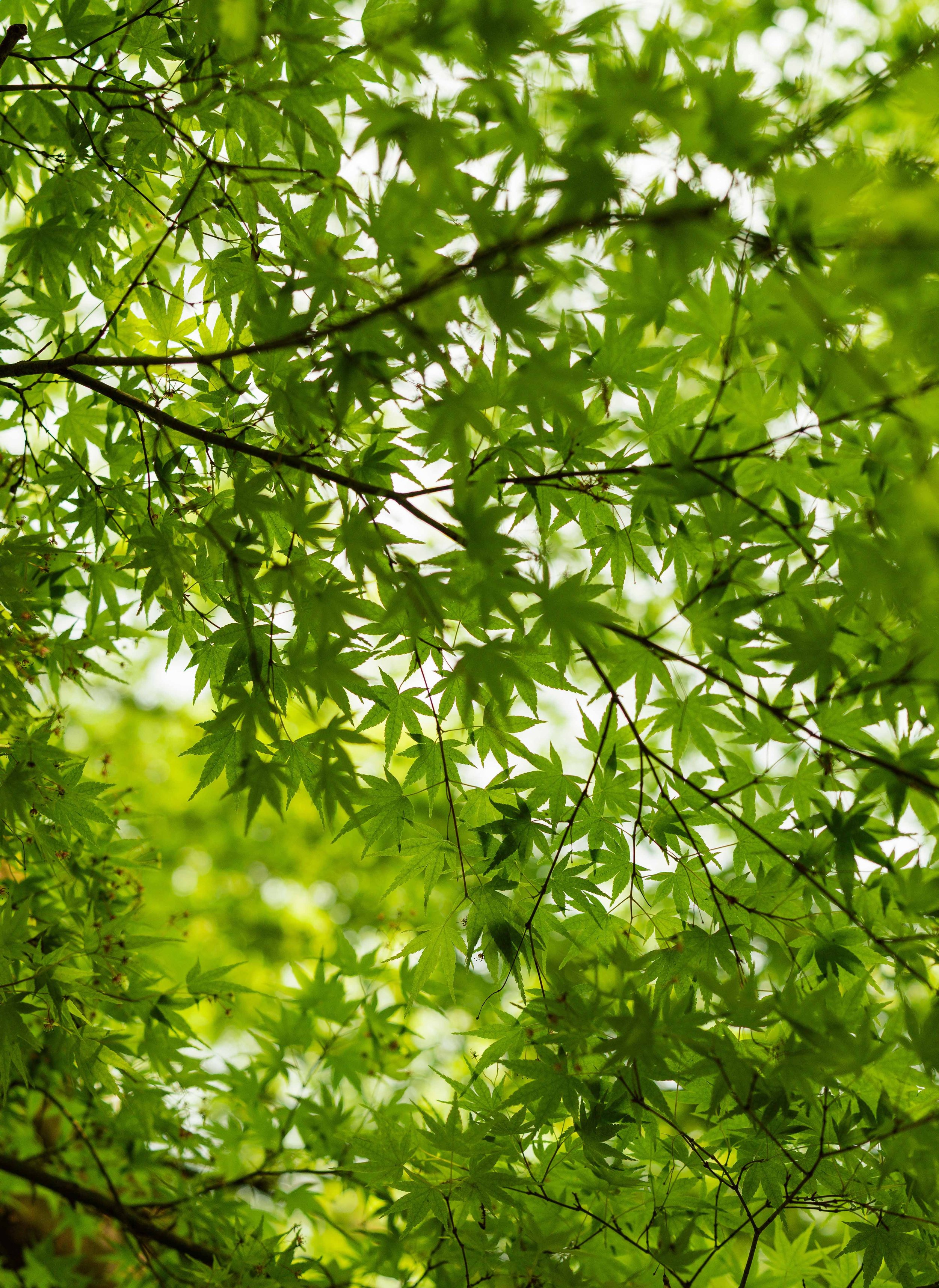
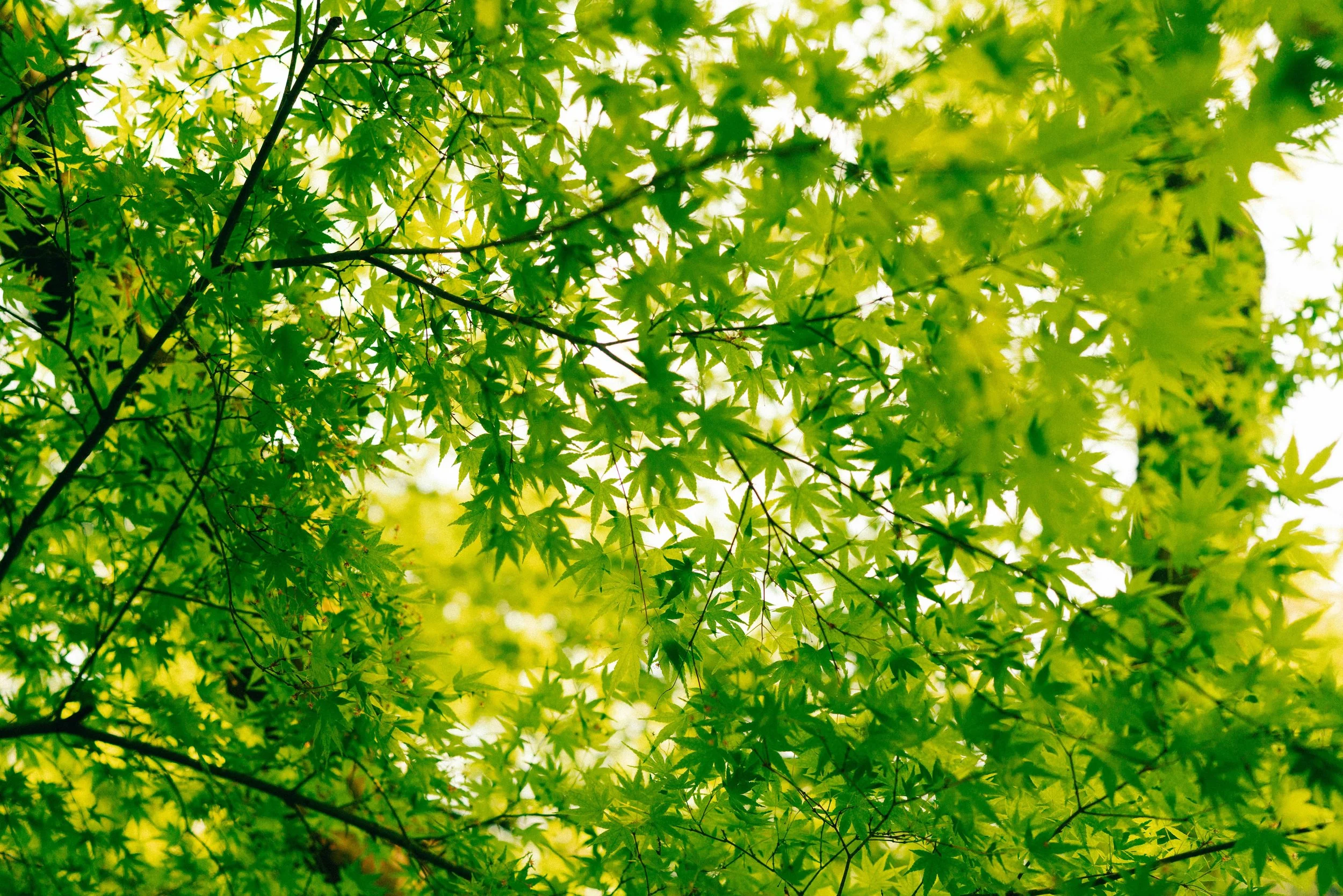
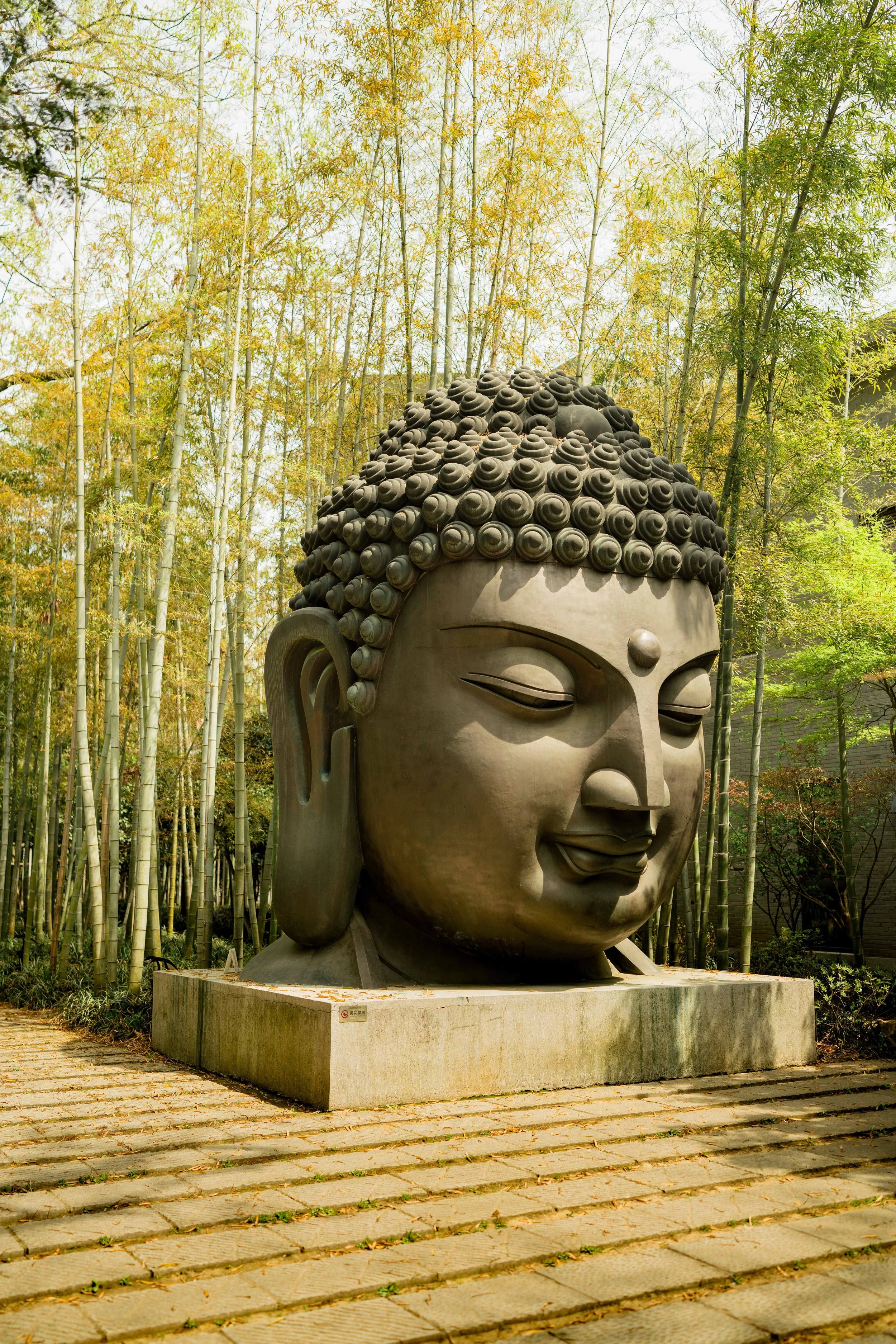
I will definitely return to Hangzhou in the autumn; I am certain it will offer an entirely new and mesmerizing palette of colors.
*Footnote:
Quoted from "On Gardens" (说园 - Shuoyuan) by author, architect, and professor Chen Congzhou.